Category: News This Week

  • Dr. Iqbal Lambat, Star Agritech CEO, Passes

    Dr. Iqbal Lambat, Star Agritech CEO, Passes

    Star Agritech International announced the passing of its founder and CEO Dr. Iqbal Lambat, a prominent figure in the global tobacco industry. Over a multi-decade career, Lambat held senior roles at major multinational companies, including Philip Morris International, R.J. Reynolds International, and Japan Tobacco International, as well as Dow Chemical Europe and luxury brands Piaget/Baume & Mercier, before establishing Star Tobacco International in 2008, later rebranded as Star Agritech International in 2018.

    Lambat built Star Agritech into a significant player in tobacco leaf sourcing and export, expanding operations across Africa and other key growing regions and supplying major international manufacturers. Known for his deep industry knowledge and global perspective, he held multiple advanced degrees in finance, marketing and economics, as well as a doctorate in international finance, and was widely recognized for his contributions to connecting emerging markets with global tobacco supply chains.

  • KT&G Reports 27% Increase in Q1 2026

    KT&G Reports 27% Increase in Q1 2026

    KT&G reported a 27.6% year-over-year increase in first-quarter operating profit, supported by growth across both traditional cigarette and next-generation product (NGP) segments. Consolidated revenue reached KRW 1.7 trillion ($1.16 billion), up 14.3%, while operating profit rose to KRW 364.5 billion ($248 million). The company’s global combustible cigarette business saw strong performance, with shipment volumes increasing 15% and operating profit rising 56.1%, driven by higher sales and pricing improvements.

    The NGP segment also recorded significant gains, with revenue increasing 51.6% to KRW 241 billion ($164 million) and domestic market share reaching 47.4%. KT&G said it plans to expand its NGP business internationally through independent operations in key markets across Asia-Pacific and Eurasia. The company also continued shareholder returns, canceling treasury shares worth KRW 1.8 trillion ($1.24 billion), equivalent to 9.5% of total shares, and indicated that a new dividend policy will be announced later in 2026.

  • Turning Point Sales Up 16.8% in Q1 2026

    Turning Point Sales Up 16.8% in Q1 2026

    Turning Point Brands reported first-quarter 2026 net sales of $124.3 million, up 16.8% year-over-year, driven primarily by strong growth in its Modern Oral segment. The Stoker’s division, which accounts for the majority of revenue, saw net sales rise 48.1% due to triple-digit growth in modern oral products, while the Zig-Zag segment declined 22.4% amid lower U.S. shipments. Gross profit increased 14.6% to $68.3 million, though net income fell 19% to $11.7 million, reflecting higher investment in sales, marketing and distribution.

    The company said it is investing heavily to capture growth in the evolving nicotine category, particularly in nicotine pouches, and raised its full-year outlook for Modern Oral sales. Turning Point Brands expects Modern Oral gross sales of $280–$300 million in 2026 and remains focused on scaling the segment while leveraging cash flow from legacy brands to support long-term growth.

  • PMI Calls for Lower Cigarette Taxes in Meeting With Australian Govt

    PMI Calls for Lower Cigarette Taxes in Meeting With Australian Govt

    Philip Morris used a closed-door Australian Senate hearing on illicit tobacco to argue that high excise taxes are driving consumers toward the black market and called for lower cigarette prices to restore legal sales. According to a released transcript, company representatives said taxes account for at least A$34 of a A$37.95 pack ($24.48 of $27.32), while illicit cigarettes can sell for as little as A$12 ($8.64), contributing to an illicit market estimated at 50–60% of total sales, or A$4–A$7 billion ($2.8–$5 billion).

    The company told lawmakers that narrowing the price gap between legal and illegal products could help shift consumers back into regulated channels, citing price, access, and enforcement as key drivers of illicit trade. The hearing, which was initially held in private, drew criticism from public health advocates who said it “ran counter to an international treaty Australia signed up to in the mid-2000s,” while government officials defended the decision to include industry input in the inquiry.

  • Belgian Health Minister Calls Tobacco Industry ‘Criminal’

    Belgian Health Minister Calls Tobacco Industry ‘Criminal’

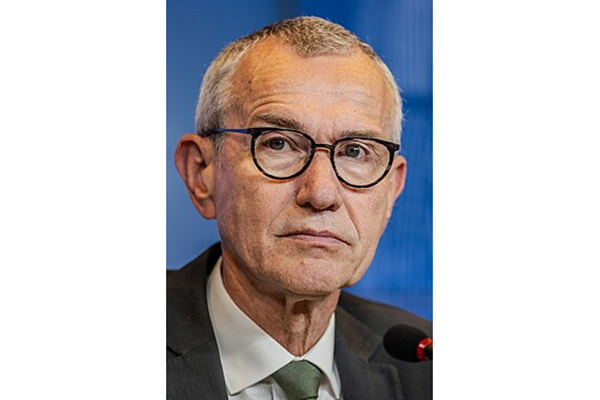
    Belgian Health Minister Frank Vandenbroucke sharply criticized the tobacco industry, describing it as a “criminal” sector with “no future,” as he defended ongoing regulatory efforts despite setbacks from a recent court ruling. Speaking on national television, Vandenbroucke acknowledged that a Constitutional Court decision forced the government to reverse its ban on cigarette sales in supermarkets, undermining part of its strategy to reduce tobacco accessibility. He reiterated support for stricter measures, including a planned ban on flavored vaping products, and warned that such products are contributing to rising youth nicotine use.

    The minister said the ruling complicated efforts to limit tobacco sales points, even as smoking rates have declined in recent years. He emphasized that broader regulatory action, both nationally and at the European level, remains necessary to address changing consumption patterns, including increased vaping among younger age groups, while maintaining pressure on tobacco and nicotine manufacturers.

  • Court Upholds ATF’s Action on Calif. Tribe’s Cigarette Sales

    Court Upholds ATF’s Action on Calif. Tribe’s Cigarette Sales

    A U.S. appeals court has upheld federal regulators’ decision to place the Twenty-Nine Palms Band of Mission Indians on a noncompliance list over cigarette sales, ruling that the tribe’s remote transactions with retailers on other tribal lands qualify as off-reservation activity. The Ninth Circuit panel found that such sales fall under California’s state tax and licensing requirements, supporting enforcement actions by the Bureau of Alcohol, Tobacco, Firearms, and Explosives (ATF).

    The decision affirms the application of state-level tobacco regulations to certain intertribal sales conducted remotely, reinforcing regulatory oversight in cases where transactions extend beyond a tribe’s own territory.

  • Villiger Announces Schüpbach as New CEO

    Villiger Announces Schüpbach as New CEO

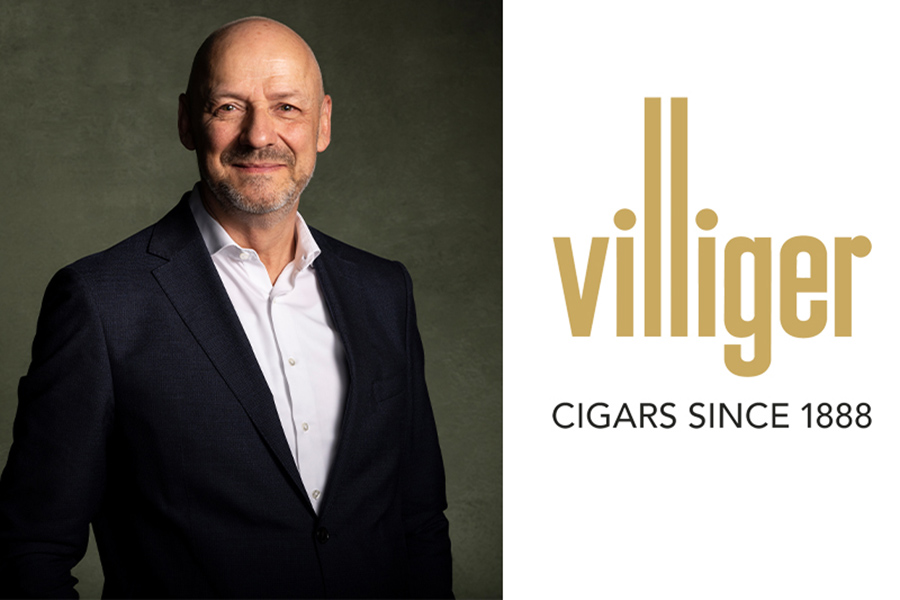
    Villiger Söhne Holding AG announced the appointment of Christoph Schüpbach as Chief Executive Officer of the Villiger Group as part of a planned leadership transition. Effective June 1, Schüpbach will succeed managing director Clemens Gütermann, who is set to retire in 2027 following a transition period. The company said its long-term strategy will remain unchanged, with continued focus on quality, innovation, and its family-owned structure.

    Schüpbach brings experience from leadership roles at Schleuniger Group and Regent Lighting, as well as earlier positions at Bystronic and ABB. Villiger, a Switzerland-based cigar and cigarillo manufacturer producing over one billion units annually, operates across multiple international markets with production facilities in Europe, Latin America, and Asia.

  • 22nd Century Reports $4.1M in Revenue as it Focuses on Future

    22nd Century Reports $4.1M in Revenue as it Focuses on Future

    22nd Century Group reported first-quarter 2026 revenue of $4.1 million, with a continued focus on expanding its reduced-nicotine VLN cigarette portfolio and distribution footprint. The company said it is gaining traction with adult smokers, with products now available in more than 2,000 stores across 20 states and targeting over 5,000 retail locations by the end of 2026.

    The company is positioning its proprietary low-nicotine technology as aligned with potential future FDA standards, while pursuing a broader product pipeline across cigarettes, filtered cigars and other formats. Despite ongoing net losses, 22nd Century said it is prioritizing distribution growth, regulatory engagement, and margin improvement, with plans to expand licensing opportunities and advance multiple PMTA submissions to support long-term growth.

  • AIR to Open Manufacturing Facility in Romania

    AIR to Open Manufacturing Facility in Romania

    AIR Limited announced plans to build a new 70,000-square-foot manufacturing facility in Romania, with operations expected to begin in the first quarter of 2027. The site, located near Bucharest, is projected to produce more than 4,000 tons of flavored shisha molasses annually and create over 150 jobs, expanding the company’s production capacity and supply chain flexibility amid global uncertainty.

    The investment supports AIR’s broader growth strategy as it strengthens its position in the global shisha and inhalation products market, where it reported approximately $400 million in revenue in 2025. The expansion comes ahead of the company’s planned public listing on Nasdaq, expected in 2026, and reflects continued demand growth across key Western markets, including the U.S. and Europe.

  • PMI Talks Illicit Trade, Tobacco Reforms in Pakistan

    PMI Talks Illicit Trade, Tobacco Reforms in Pakistan

    Pakistan’s Federal Minister for Commerce Jam Kamal Khan met with a delegation from Philip Morris International to discuss challenges in the country’s tobacco sector, with a focus on illicit trade, regulatory gaps, and export potential. The delegation highlighted that an estimated 45–47 billion untaxed cigarettes are sold annually, contributing to revenue losses of around Rs350 billion ($1.3 billion) and creating competitive pressure on the formal sector. Discussions also addressed weaknesses in supply chain oversight, including tobacco leaf procurement and limited traceability, which enable informal manufacturing.

    Officials emphasized the need for stronger, coordinated enforcement across federal and provincial authorities, noting that existing regulations are often inconsistently applied. The role of the Pakistan Tobacco Board and broader policy challenges linked to IMF-related trade reforms were also reviewed, with both sides agreeing to continue collaboration on measures to improve compliance, strengthen monitoring systems, and support formal sector growth.