

Japan Tobacco’s human resources department has won an award in the Corporate HR category of the “HR Award 2026” for its “Wellness Advance” initiative, which addresses health issues related to gender differences and supports employee well-being and career development. Introduced in October 2025, the program provides support for menopause symptoms, menstrual issues, and declining fertility, including workplace and financial assistance, management training, and collaboration with occupational health nurses. JT said the initiative has improved health literacy among employees and reduced barriers to seeking advice, medical care, and treatment.
Category: News This Week
-

Scandinavian Announces Retailer Tariff Refunds
Scandinavian Tobacco Group (STG), parent of General Cigar Co. and Forged Cigar Co., will refund retailers for import charges applied to orders from May 19, 2025, through Feb. 23, 2026, following the U.S. Supreme Court’s ruling that the Trump administration’s IEEPA tariffs were unlawful, according to Halfwheel. STG said refunds will be issued as account credits, expected around Oct. 23, after months of processing tariff refunds with the government.
The company said it had previously reserved the option to remove the 5% import charge if the tariffs were repealed or otherwise ended. STG is currently applying a 7% import charge to account for tariffs of 12.5% on goods imported directly from the Dominican Republic and Nicaragua, and 10% on goods from Honduras. The company valued its tariff refunds at DKK 33 million ($5.12 million) in August.
-

UK Vaping Duty Takes Effect
The UK’s new Vaping Products Duty took effect today (Oct. 1), imposing an excise duty of £2.20 per 10ml of vaping liquid, including nicotine-free products, while a new vaping duty-stamp scheme is being phased in to improve supply-chain traceability and help combat illicit trade. Manufacturers, importers, and warehousekeepers are responsible for the duty, with existing unstamped inventory eligible to be sold through March 31, 2027. From April 1, 2027, all vaping products sold in the UK must carry a valid duty stamp. Retailers caught selling unstamped products after the grace period could face significant penalties. HMRC can seize non-compliant stock and issue fines of up to £10,000, with penalties increasing for repeat offences. In the most serious cases, businesses could also face criminal investigation, an unlimited fine or imprisonment.
The government said the measures are intended to reduce vaping’s affordability and appeal, particularly among young people and nonsmokers, while tobacco duty is also increasing by an additional £2.20 per 100 cigarettes or 50 grams of tobacco on top of the existing duty escalator.
The UK Vaping Industry Association (UKVIA) criticized the new duty, with Director General John Dunne calling it a public-health tax and arguing that higher prices could push some consumers toward smoking or illicit products. UKVIA cited its survey of nearly 3,500 adult vapers, which it said found about half would consider returning to smoking or the black market following the duty. Separately, Haypp’s Head of External Affairs UK and Scientific Affairs, Dr. Marina Murphy, said retailers face additional compliance requirements, including managing unstamped inventory, maintaining records, and ensuring new stock carries the required stamps.
The government said the duty is expected to raise more than £550 million annually by 2030-31 and is providing £30 million a year through 2028-29 for Trading Standards, Border Force, and HMRC to tackle illicit and underage sales of tobacco and vapes.
-

Scandinavian, JT Complete Break, Moro Transaction
Scandinavian Tobacco Group completed the sale of its Break and Moro fine-cut tobacco brands to Japan Tobacco for DKK 1.3 billion, or DKK 1 billion after tax. The transaction, effective Oct. 1, includes the transfer of certain inventories to Japan Tobacco, with proceeds from the inventory sale to be included in the group’s free cash flow before acquisitions and divestments.
Scandinavian Tobacco Group raised its 2026 free cash flow guidance to DKK 1.2 billion-1.4 billion from DKK 950 million-1.2 billion. The company said the divestment will be dilutive to earnings but maintained its 2026 guidance for reported net sales growth at constant currencies, EBIT margin before special items, and adjusted earnings per share.
-

Alabama Expands Indoor Vaping Ban, Imposes New Vapor Tax
Two Alabama laws affecting electronic nicotine products take effect today (Oct. 1), expanding the state’s Clean Indoor Air Act to prohibit vaping in covered public indoor spaces and imposing a new 10-cent-per-milliliter excise tax on consumable vapor products. Senate Bill 9 expands the definition of smoking under the Clean Indoor Air Act to include vaping in locations such as restaurants, workplaces, retail stores, health facilities, educational facilities, airports, and government buildings.
Separately, wholesalers and registered retailers will be responsible for collecting and remitting the new vapor products tax and must obtain a Vapor Products Tax License from the Alabama Department of Revenue. Businesses that fail to comply may face penalties, while a 4.75% discount is available for tax payments filed and paid by the 20th of the following month.
-

Lucy Goods Partners with NBA Hall-of-Famer
Lucy Goods is partnering with NBA Hall-of-Famer Gary Payton on a marketing campaign as the company expands its U.S. retail presence with “next-level nicotine products,” including breakers, pouches, and gum. The campaign will feature Payton alongside CEO David Renteln in digital and social media content, with additional retail appearances and meet-and-greets planned, including Payton’s scheduled appearance at the NACS Show in Las Vegas Oct. 7-9.
Lucy Goods said it has secured retail agreements with convenience chains including Circle K, Kwik Trip, Maverik, RaceTrac, Sheetz, and Wawa, and is on pace to exceed its 2026 revenue targets.
-

FDA Seeks New Scientific, Consumer Voices for Advisory Committees
The U.S. Food and Drug Administration launched a nationwide recruitment effort for scientific, technical, professional, and consumer representatives to serve on FDA advisory committees. The agency said it is seeking candidates with expertise across multiple scientific fields and will consider nominations for current and anticipated vacancies, with terms of up to four years.
The recruitment could be relevant to the tobacco sector because FDA advisory committees can provide independent scientific and consumer input on FDA-regulated products, although the announcement does not specifically identify tobacco-related committee vacancies. The FDA said nominations for consumer representatives should be submitted by Nov. 15, while nominations for scientific, technical, professional, and other voting members should be submitted by Nov. 30 for consideration for current and near-term vacancies.
The news comes after Dr. Bret Koplow, director of the FDA CTP, told attendees at GTNF 2026 in Lisbon that the Center is short-staffed and was looking to hire more scientists.
-
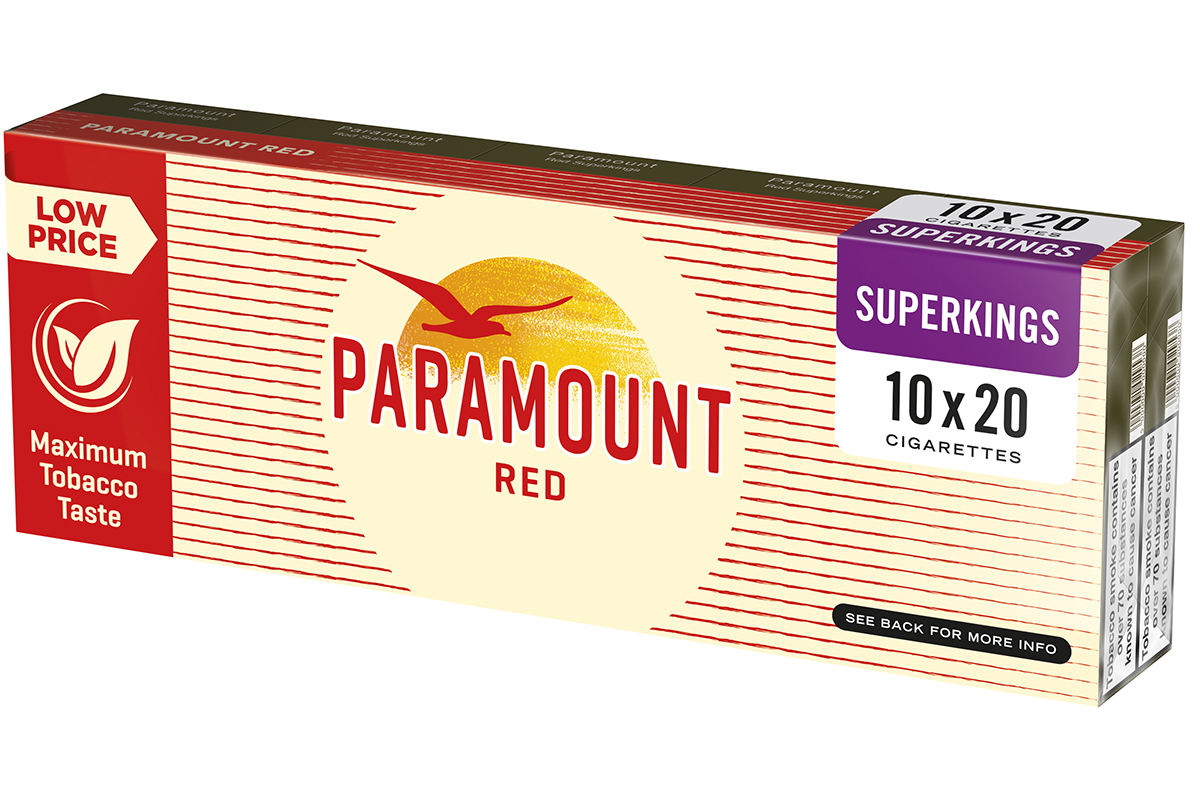
Imperial Expands Paramount Brand in UK
Imperial Brands has expanded its Paramount value cigarette range in the UK with the launch of Paramount Red Superkings. The new product features an American Blend of tobaccos and is positioned as a full-strength cigarette offering a stronger tobacco taste and aftertaste. It is available through independent and wholesale outlets at a recommended retail price of £14.80.
Imperial said the Paramount brand, launched in late 2024, has benefited from growth in the value segment. According to company-cited data, value cigarettes accounted for 38% of UK cigarette sales and grew 2% over the past year, while the broader value-price segment represented 17% of the total market in May 2026.
-

Oxford Economics Report Links High Cigarette Taxes to Illicit Growth
A new Oxford Economics report commissioned by British American Tobacco found an average correlation of 80% between real duty-paid cigarette prices and illicit cigarette market share across nine countries from 2015 to 2025. The study found that taxes accounted for an average of 77% of the retail price of duty-paid cigarettes in 2025, while illicit cigarettes were priced between 1.5 and 3.5 times lower than legal products. Across the countries studied, illicit market share increased by an average of 25 percentage points, from 18% in 2015 to 43% in 2025.
Australia and Chile recorded some of the largest increases. Australia’s illicit cigarette market share rose from 13% in 2015 to at least 55% in 2025, with Oxford Economics estimating A$7.1 billion ($5 billion) in lost tobacco tax revenue. In Chile, illicit market share increased from 12% to 53% over the same period, with estimated tax losses of CLP 1.4 trillion ($1.4 billion). The report, which also examined Bangladesh, Brazil, France, Malaysia, the Netherlands, Pakistan, and Ukraine, said illicit trade is influenced by factors beyond price and called for strategies combining tax policy with enforcement measures. BAT said the findings highlight the need for policymakers to consider illicit-market risks when setting tobacco excise rates.
-

Meta, TikTok Scrutinized for Illegal Nicotine Ads in Australia
TikTok and Meta are facing scrutiny in Australia after the Brisbane Times reported that their platforms carried paid advertisements promoting illegal cigarettes and vapes, including products allegedly supplied through criminal networks. The report said Meta’s advertising library showed 460 unique ads for Chinese vape brand Alibarbar, with at least 93 active when the newspaper contacted the company, while ads for cigarette brands including Manchester and Double Happiness also appeared on TikTok and Meta platforms. Both companies said they took action against accounts and ads identified by the newspaper.
Meta said tobacco and vape ads violate its policies and that it had removed the reported ads and accounts, while TikTok said the identified accounts had been permanently banned. The report also cited estimates that 95% to 98% of Australian vape sales are illegal and Australian Bureau of Statistics data showing illicit cigarettes and vapes accounted for 80% of the market in 2025, up from 12% in 2017.