

Organigram Global and Sanity Group jointly announced the official closing of Organigram’s acquisition of the Germany-based cannabis company that was originally announced in February. Combining cash and shares as part of its international expansion strategy, the deal is valued at €107.3 million. The transaction was supported by €40.3 million in new financing from British American Tobacco and additional credit facilities, highlighting BAT’s continued backing of Organigram’s growth initiatives. The deal marks the final deployment of funds from the Jupiter strategic investment pool and strengthens Organigram’s position in the European cannabis market.
Tag: bat
-

Altria Raises Cigarette Prices Across Most Brands
Altria increased prices across its portfolio earlier this week, including a roughly 20- to 25-cent per pack hike on Marlboro, 25 cents on Benson & Hedges, Merit, Parliament, and Virginia Slims, and a 20-cent increase on L&M cigarettes, according to a notice from Goldman Sachs. The company held pricing flat on its value-focused Basic brand. The price changes were the second increase this year, according to CSP.
Goldman Sachs Managing Director Bonnie Herzog said the increases were unsurprising and followed Altria’s “typical quarterly cadence,” but that the increases were sharper than predicted. “We believe Altria’s sophisticated and targeted pricing strategies, as well as promotional spending, should help to offset the frequency of list price increases, especially for price-sensitive consumers,” Herzog said.
Herzog also said she expected British American Tobacco to follow soon with a similar price increase on cigarettes, and that she would be watching to see whether deep-discount cigarette manufacturers also move on price. “If they don’t, the relative price gap could widen further,” Herzog was quoted by CSP, increasing the risk of downtrading, but Herzog said brands like Marlboro, with a loyal customer base, would likely be able to keep consumers within the franchise.
-

BAT Chair Reaffirms Growth Targets at AGM
British American Tobacco Chair Luc Jobin told shareholders at the company’s 2026 annual meeting that the group is making strong progress in its transformation toward a smokeless future, driven by growth in reduced-risk products and continued investment in innovation, science, and digital capabilities. He highlighted a more than 15% increase in smokeless product users in 2025 and reaffirmed confidence in BAT’s medium-term targets, including 3–5% revenue growth and 4–6% operating profit growth, despite regulatory challenges and market volatility.
“We enter 2026 with accelerating momentum, powered by a strengthened innovation pipeline, deep strategic partnerships, and growing confidence in our future-fit capabilities,” Jobin said. “This progress underpins our confidence in sustainably delivering our mid-term algorithm of [growth].”
Emphasizing harm reduction, Jobin called for evidence-based regulation to support alternatives to cigarettes and said the company remains well-positioned to deliver long-term value as it advances its strategy, despite a complex and volatile market.
“We have activated comprehensive Business Continuity Plans to mitigate potential disruption, and we are closely monitoring the situation in the Middle East as it evolves,” he said. “As of today, the conflict is not currently having a significant impact on the Group’s business.”
-

BAT Names Constantinescu as CFO
British American Tobacco announced the appointment of Dragos Constantinescu as Chief Financial Officer and Executive Director, effective 1 September 2026. Constantinescu, currently CEO of Asahi Europe & International, previously spent 16 years at BAT in senior finance and management roles across Europe. He succeeds Javed Iqbal, who will remain as Director of Digital & Information after serving as Interim CFO.
BAT Chair Luc Jobin highlighted Constantinescu’s financial expertise and international leadership experience, while CEO Tadeu Marroco noted his knowledge of BAT will support the company’s ongoing transformation and growth strategy.
-

Mozambique Tobacco Exports Rise 16% in 2025 Despite Output Drop
Tobacco export revenues from Mozambique climbed 16% year over year to €224.5 million in 2025, according to data from the Bank of Mozambique, even as national production fell. Output was 72,380 tons, down from 92,343 tons in 2024, while the sector’s production value slipped 4.1% to 7,255 million meticais, reflecting pressure on the country’s key cash crop.
Government reporting attributes part of the strain to the exit of British American Tobacco operations to South Africa, affecting tax revenues. The industry is now concentrated in two firms — Mozambique Leaf Tobacco and Sociedade Agrícola de Tabaco — as Mozambique remains among the world’s largest tobacco cultivation areas, ranking eighth globally according to a World Health Organization report with 91,469 hectares.
-
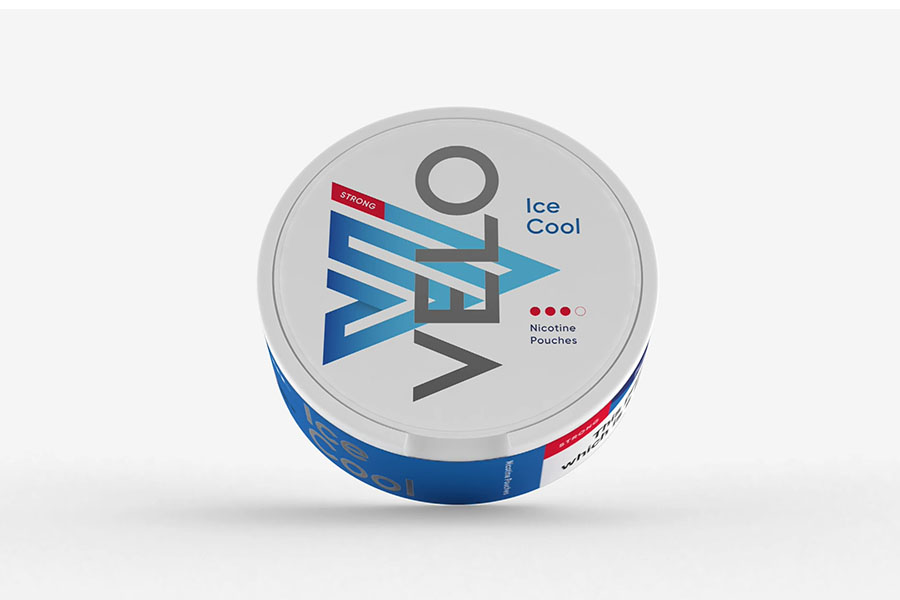
BAT Pulls Pouches from France, Criticizes Debateless Ban
BAT France said it has stopped marketing nicotine pouches nationwide as of April 1, complying with a government decree issued on Sept. 5, 2025 that entered into force this week. The company confirmed it is withdrawing the products from sale in line with the regulation.
At the same time, BAT France criticized the move as a regulatory ban adopted without parliamentary debate, arguing it runs counter to harm-reduction strategies and France’s goal of a “tobacco-free generation” by 2032. The company said the decision comes amid ongoing European discussions over revisions to the Tobacco Excise Directive and evaluation of the Tobacco Products Directive, and pledged to continue advocating for what it called a science-based, proportionate framework while focusing on vaping products for adult smokers.
-

FDA’s Pouch Fast-Track Scheme Stalling Over Youth Worries
A fast-track review program at the U.S. Food and Drug Administration aimed at accelerating authorizations for nicotine pouch products has stalled, as agency scientists weigh concerns about youth uptake and risks to non-users against potential harm-reduction benefits for smokers, according to sources cited by Reuters. Reuters said applications tied to pouch brands from Philip Morris International (Zyn) and British American Tobacco (Velo) remain under review despite expectations that decisions would be made by the end of 2025 under the pilot scheme. The FDA has already authorized six products under Altria Group’s on! brand, but reviewers are said to be taking a more cautious stance on other applications where evidence of net public-health benefit is viewed as less clear-cut.
While FDA data shows pouch use among middle- and high-school students remains relatively low, it has been rising, prompting heightened scrutiny. Tobacco companies argue the pilot program is critical for restoring legal market competition amid a surge of unregulated products, while public-health advocates warn that rapid authorizations could fuel new addiction trends. The FDA said decisions continue to be guided by science and statutory standards rather than external pressure.
-
BAT Malaysia to Trim Workforce
British American Tobacco Malaysia Bhd said it may reduce its workforce as part of an operational “optimization” linked to the rollout of a new route-to-market distribution model from July 1. In a filing today (March 31), the company said affected employees would receive statutory and contractual entitlements, including retrenchment benefits where applicable. BAT Malaysia reported 283 employees in its 2024 annual report, but the filing did not specify how many roles could be impacted. The company said the move is intended to align staffing with future operating requirements and follows a shift begun in 2022 toward allowing retailers to place orders through online channels, sales representatives, or call centers, a model it previously said could reduce costs by 20% to 25%.
The announcement comes amid tighter regulation of tobacco products in Malaysia, including a reported plan for a nationwide vape ban starting with disposable products, a 42.8% excise duty increase on tobacco and heated tobacco products under Budget 2026, new pictorial health warnings, and a ban on retail cigarette displays. The Control of Smoking Products for Public Health Act, which took effect in 2024, prohibits the sale of tobacco and vape products to individuals under 18. Shares of BAT Malaysia last traded at RM5.65 ($1.41) at today’s noon break, valuing the company at RM1.61 billion ($403 million).
-

Charlotte’s Web Announces Financials, Deal with BAT
Charlotte’s Web Holdings, Inc. announced a transaction with BT DE Investments yesterday (March 30), a subsidiary of British American Tobacco, to convert a $54.2 million convertible debenture plus accrued interest into equity at $0.68 per share and complete a concurrent $10 million private placement, resulting in the issuance of about 110 million shares and a total equity commitment of roughly $75 million. The deal would eliminate about $65 million in debt, stop future interest accrual, and leave the company with no long-term debt, subject to shareholder and TSX approval at a meeting planned for May 28, 2026.
Today (March 31), the company released its 2025 financials and said it advanced product innovation, in-house manufacturing, and healthcare channel development while holding annual revenue broadly steady at $49.9 million. Fourth-quarter revenue rose 4.7% year over year to $13.3 million, supported by new Brightside low-dose hemp THC gummies, sleep products, functional mushrooms, and minor cannabinoids, though gross margin was affected by a one-time inventory charge tied to legacy gummies. Full-year gross margin improved to 43.5% and SG&A fell 21% to $42 million following cost reductions, narrowing the operating loss to $20.3 million from $32 million in 2024. The company ended the year with $8 million in cash and reported progress toward internalizing gummy production, achieving a clean NSF 455-2 cGMP audit, and establishing a Scientific Advisory Board to support its expanding medical practitioner channel.
Charlotte’s Web said the strengthened balance sheet will support its planned participation in a Centers for Medicare & Medicaid Innovation pilot enabling access to hemp-derived CBD products for Medicare beneficiaries and ongoing clinical development by DeFloria, its joint venture with BAT and Ajna BioSciences, which is preparing to begin Phase 2 trials of a botanical CBD-based treatment candidate in mid-2026.
-

Organigram Shares Results of AGM, Gains Approval for Sanity Acquisition
Shareholders of Organigram Global Inc. overwhelmingly approved the company’s proposed acquisition of Germany-based Sanity Group GmbH and a related private placement with British American Tobacco subsidiary BT DE Investments at a meeting held on March 30. The transaction resolution passed with 93% of votes cast, excluding shares associated with BAT, and authorizes Organigram to issue up to 96.3 million common shares to Sanity Group shareholders and BAT in connection with the deal.
The acquisition, expected to close in April subject to customary conditions, is positioned to expand Organigram’s presence from its leading position in Canada’s adult-use market into the German medical cannabis sector and establish a broader European operational footprint. Shareholders also approved the election of 10 directors, the reappointment of PricewaterhouseCoopers LLP as auditor, and the approval of unallocated awards under the company’s long-term equity incentive plan.