Tag: Belgium

  • Belgium Health Minister Wants EU to Tighten Vape Regs

    Belgium Health Minister Wants EU to Tighten Vape Regs

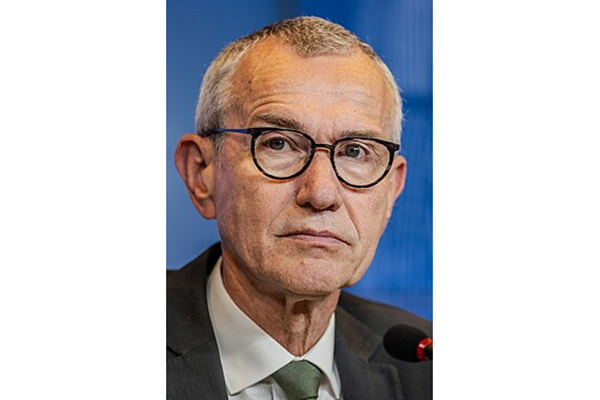
    Belgium’s Health Minister Frank Vandenbroucke called on the European Union to tighten regulations on vaping, citing rising health risks and accusing the e-cigarette industry of targeting young people. Speaking during a visit by EU Consumer Protection Commissioner Michael McGrath to Sciensano in Brussels, Vandenbroucke urged stricter EU-wide limits on substances in e-cigarettes, a ban on disposable vapes, and restrictions on flavors, mirroring measures already in place in Belgium and the Netherlands.

    McGrath emphasized the scale of the issue and the need for stronger coordination and the use of scientific research across member states. The European Commission is expected to propose updated market surveillance rules later this year.

  • Cimabel Calls for Policy Rethink as Untaxed Tobacco Tops 44% in Belgium

    Cimabel Calls for Policy Rethink as Untaxed Tobacco Tops 44% in Belgium

    Contraband cigarette consumption in Belgium surged in 2025, with illicit and untaxed foreign products accounting for 44.4% of total consumption in Q4, up from 34.9% a year earlier, according to Cigarette Manufacturers of Belgium and Luxembourg (Cimabel). The rise contributed to an estimated €3 billion loss in excise and VAT revenues, while counterfeit cigarettes increased to 4.6% of the market, raising concerns over unregulated production and potential health risks. Most untaxed cigarettes originated from lower-price markets such as Bulgaria, Luxembourg, and Turkey, with urban areas particularly affected by high levels of illicit purchasing.

    Industry representatives attribute the growth in illegal trade to rising tobacco taxes and regulatory pressure, warning that price disparities are pushing consumers toward black market channels. Cimabel has called for a policy rethink, including harmonizing excise rates across the EU, strengthening customs enforcement, and expanding access to reduced-risk nicotine alternatives, as authorities face mounting challenges in balancing fiscal policy with illicit trade control.

  • BAT to Cut 59% of Jobs from Belgium Facility

    BAT to Cut 59% of Jobs from Belgium Facility

    Yesterday morning (January 14) at a special works council meeting, BAT Belgium announced plans to cut up to 51 of its 87 jobs at its Groot-Bijgaarden facility as part of a proposed restructuring driven by mounting regulatory and economic pressures, according to Retail Detail. The company said it has initiated a collective redundancy procedure, with 48 of the 74 roles in its commercial unit and three of 13 positions in other departments potentially affected, subject to consultations with social partners.

    According to BAT, increasing regulation, bans on certain nicotine products, rising excise duties, and the expansion of the illegal tobacco market have led to a sustained erosion of revenue and weighed heavily on business performance. The company said the restructuring aims to create a more efficient and agile organization in response to these challenges.

  • Belgium Releases Numbers for Disposable Vape Crackdown

    Belgium Releases Numbers for Disposable Vape Crackdown

    Belgium’s Federal Public Health Service seized more than 140,000 illegal disposable e-cigarettes in 2025, following a nationwide ban on the sale of disposable vapes that took effect on January 1. Authorities said the seizures reflect a “significant amount” of non-compliant products still circulating on the market.

    Inspectors carried out nearly 2,400 checks across shops, petrol stations, supermarkets, and online retailers, finding illegal vapes in 680 cases. Nearly 600 official reports have been filed, and 18 shops have been temporarily closed. Brussels recorded the highest violation rate, with almost 60% of inspections uncovering illegal sales, while in Flanders, around one in five shops checked was non-compliant. Fines for selling disposable vapes can reach €120,000, though penalties typically range between €800 and €1,000.

  • Belgium to Ban All Flavored Vapes

    Belgium to Ban All Flavored Vapes

    Belgian Health Minister Frank Vandenbroucke announced plans to ban all vape flavors except tobacco, following new advice from the Superior Health Council. The move “aims to prevent vaping from becoming a gateway to nicotine addiction among young people.” Vandenbroucke cited the Netherlands, which introduced a similar ban in January 2024, where nearly 30% of users reported vaping less and over 20% quit without returning to cigarettes.

    The Superior Health Council, which had previously hesitated over a full ban, now supports stronger restrictions, arguing that protecting youth must take priority. Cancer charity Kom op tegen Kanker also extended its anti-smoking campaign to vaping, warning of rising use among students. Surveys show almost a third of Belgian students have tried e-cigarettes, with weekly use now four times higher than five years ago.

    Retailers, represented by Perstablo, condemned the proposal as “absurd” and warned it could fuel the illegal market, where flavored vapes continue to circulate despite bans. The group pledged to explore legal challenges, questioning the validity of the measure. Vandenbroucke’s plan follows earlier steps such as banning disposable vapes and restricting smoking in youth-popular areas, though the timeline for implementation remains unclear.

  • Celanese to Close Belgium Acetate Tow Plant by 2026

    Celanese to Close Belgium Acetate Tow Plant by 2026

    Celanese Corp. announced plans to cease operations at its acetate tow facility in Lanaken, Belgium, during the second half of 2026, citing declining demand, regulatory uncertainty, and high operating costs. The company has begun formal consultations with local union representatives, noting that the closure could affect around 160 employees in manufacturing and support roles.

    Celanese said it will continue to meet customer obligations and engage with authorities and the local community to ensure a smooth and responsible transition.

  • Consumer Group’s Pouch Tour Hits Belgium

    Last week, the international consumer group Considerate Pouchers brought its Protect Pouches campaign to Brussels, calling for an end to Belgium’s ban on nicotine pouches. Volunteers engaged citizens and policymakers, distributed fresh Jet Pack coffee, and collected postcards urging Members of the European Parliament to lift restrictions.

    The campaign said that Belgium, with one of Western Europe’s highest smoking rates, denies smokers access to safer alternatives shown to be more than 95% less harmful than cigarettes. Global spokesperson Juan Rafael Taborcía emphasized that over-taxation and bans drive consumers back to cigarettes, and that Brussels should lead Europe in harm reduction.

    The Brussels action is part of a broader European tour.

  • Belgium Smoking/Vaping Ban Starts in 2027, Smoking Rooms Closed

    Belgium Smoking/Vaping Ban Starts in 2027, Smoking Rooms Closed

    Belgium’s federal government confirmed that smoking and vaping will be banned on and near terraces, as well as in all public smoking rooms, starting January 1, 2027. The move, approved by the Council of Ministers on September 12, extends existing smoking restrictions to outdoor hospitality spaces such as café and restaurant terraces, while also eliminating smoking rooms in bars, airports, cigar clubs, and shisha bars. The government delayed the rollout by one year from the original 2026 target to give businesses time to adapt.

    The hospitality sector, which had resisted the measure, will now be responsible for enforcing the ban with clear signage and by actively intervening if customers smoke or vape. Establishments risk penalties for insufficient signage, ignoring violations, or even placing items that could encourage smoking, such as ashtrays.

  • Belgium Extends Plain Packaging to All Tobacco Products from 2026

    Belgium Extends Plain Packaging to All Tobacco Products from 2026

    Belgium will require cigars, cigarillos, cigarette papers, filters, tubes, and all other “herbal products intended for smoking” to adopt standardized green-brown packaging with uniform fonts and health warnings, Health Minister Frank Vandenbroucke announced. Effective June 1, 2026, the measure expands existing plain packaging rules for cigarettes and rolling tobacco, in place since 2020, to close loopholes that allow tobacco companies to market via other products. “Small retailers” would receive a one-year exception until June 2027.

    Vandenbroucke said the move aims to curb youth appeal and counter industry tactics, such as packaging cigarillos to resemble old cigarette packs. The government is also considering a ban on smoking on terraces from January 2026.

  • Luxembourg Sees 17% Surge in Cigarette Sales as Buyers Cross Border

    Luxembourg Sees 17% Surge in Cigarette Sales as Buyers Cross Border

    Legal cigarette sales in Luxembourg jumped by 740 million units in 2024, marking a 17% year-on-year increase, according to a new KPMG report on illicit cigarette consumption across Europe. Despite the surge, only 12% of the 5.1 billion cigarettes sold were smoked within the country, as the remaining 88% were consumed across the border, mostly in Germany, Belgium, and France, where significantly higher tobacco prices continue to drive cross-border purchases.

    Luxembourg’s average cigarette pack price of €5.10 undercuts neighboring countries by up to €3, and is less than half of the cost in France.

    While cigarette consumption is booming, illicit trade remains low. Fewer than 9 million cigarettes consumed in Luxembourg were illicit—just 2% of total consumption. By contrast, France’s illicit cigarette rate has climbed to 38%, among the highest in the EU, as high prices fuel a parallel underground market.