Tag: Juul

  • Amicus Briefs Back Altria, Juul in Antitrust Appeal

    Amicus Briefs Back Altria, Juul in Antitrust Appeal

    The U.S. Chamber of Commerce, 14 states, and several legal groups are backing Altria and Juul’s appeal of a lower-court decision allowing antitrust claims against the companies to proceed as a class action. The briefs argue that the trial court improperly relied on California law to cover alleged conduct and purchases occurring in other states, where different antitrust laws and standards apply. The Chamber and other amici contend that applying California’s Cartwright Act across multiple jurisdictions creates significant legal and manageability problems for the litigation.

    The underlying lawsuit alleges that Altria’s 2018 investment in Juul, together with its decision to withdraw from the U.S. e-cigarette market, harmed competition and contributed to higher prices, which Altria and Juul dispute.

  • Canadian Court Certifies Class Action Against Juul, Altria

    Canadian Court Certifies Class Action Against Juul, Altria

    The Supreme Court of British Columbia certified a nationwide class action against Juul Labs and Altria Group, allowing claims to proceed on behalf of individuals in Canada who purchased or used Juul products for personal use between August 2018 and July 15, 2026. The lawsuit alleges the companies marketed e-cigarettes as a safer alternative to cigarettes while contributing to nicotine addiction among a new generation of consumers. The ruling is procedural and does not determine liability.

    The court rejected several arguments raised by Juul and Altria regarding certification, allowing the case to move forward. The action is one of two legal proceedings against Juul in Canada, alongside a separate lawsuit by the government of British Columbia seeking recovery of healthcare costs associated with the company’s products. Juul and Altria may appeal the certification decision.

  • Altria, Juul Ask 9th Circ. To Overturn Antitrust Classes

    Altria, Juul Ask 9th Circ. To Overturn Antitrust Classes

    Altria and Juul Labs are asking the U.S. Court of Appeals for the Ninth Circuit to overturn a lower court’s decision certifying nationwide antitrust classes in litigation challenging Altria’s former investment in Juul. According to Law 360, the companies are arguing that the certified classes improperly combine a wide range of purchasers with differing legal claims under the laws of multiple states, making class treatment inappropriate.

    The underlying lawsuit alleges that Altria’s 2018 acquisition of a 35% stake in Juul reduced competition in the U.S. e-cigarette market after Altria withdrew its own competing vapor products. Plaintiffs claim the transaction allowed Juul to maintain higher prices and limited consumer choice. Altria and Juul deny the allegations and contend the district court erred by certifying classes that they say contain materially different groups of purchasers with varying legal and factual issues.

  • FDA Memo Questions Flavored-Vape Reversal: AP  

    FDA Memo Questions Flavored-Vape Reversal: AP  

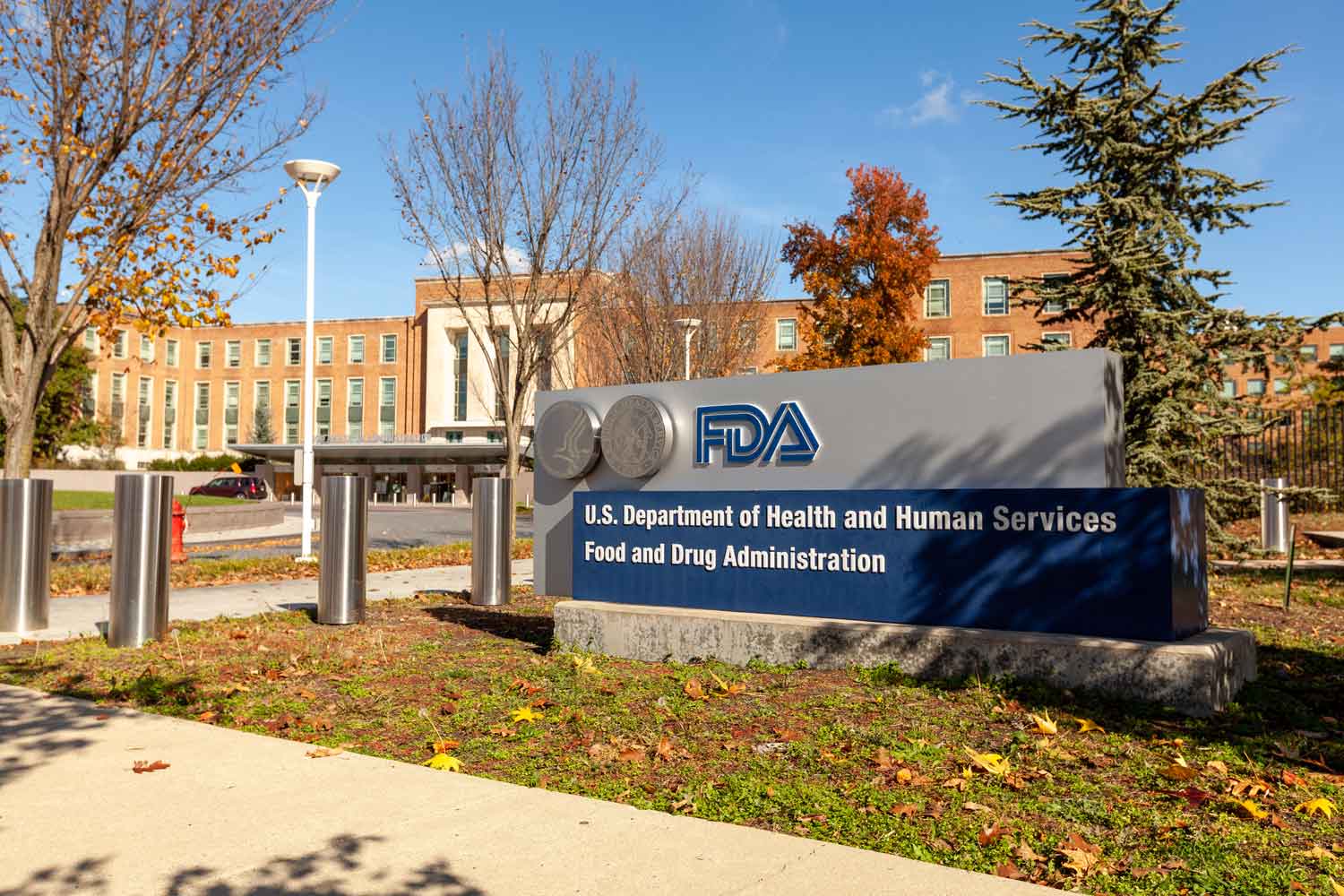
    A newly released FDA memo is raising questions about the agency’s watershed authorization of fruit-flavored e-cigarettes after revealing that the products were not significantly more effective at helping smokers quit than tobacco-flavored alternatives, according to the Associated Press. The decision drew criticism from public health groups and Democratic lawmakers, who argue the authorization departs from the agency’s long-standing position that fruit and dessert flavors require a particularly high evidentiary standard because of their appeal to youth.

    The six-page document, published weeks after the FDA approved mango- and blueberry-flavored vaping products from Glas Inc., acknowledged that study data showed no statistically significant difference in smoking cessation outcomes between users of the fruit-flavored products and those using tobacco-flavored e-cigarettes. The finding contrasts with previous FDA authorizations of flavored products, including menthol e-cigarettes from Juul Labs and NJOY, which demonstrated measurable benefits over tobacco-flavored products.

    However, the AP said regulators explained that the Glas flavored vapes “did not have to demonstrate added adult benefit,” because young people were unlikely to use them. Glas requires users to unlock each e-cigarette with an age-verifying cellphone app. The memo indicates that FDA regulators instead relied heavily on the company’s age-verification technology, concluding that youth uptake was unlikely because users must unlock devices through a smartphone app.  The approval was finalized shortly before the departure of former FDA Commissioner Marty Makary and comes amid broader scrutiny of the agency’s recent approach to vaping regulation.

  • Altria, Juul Seek Pause in Antitrust Case Pending Appeal

    Altria, Juul Seek Pause in Antitrust Case Pending Appeal

    Earlier this week, Altria and Juul asked a California federal court to pause an ongoing antitrust case while they appeal a class certification ruling to the Ninth Circuit. The lawsuit centers on Altria’s 2018 $12.8 billion investment in Juul, which plaintiffs allege reduced competition by prompting Altria to exit the e-cigarette market, leading to higher prices and fewer product options.

    The companies argue that the appeal raises significant legal questions around class definitions and applicable laws, and that continuing the case could result in unnecessary litigation if the ruling is altered. Plaintiffs have opposed the request, noting the case has been ongoing for more than six years, as both sides acknowledge the current trial schedule will need to be revised pending the appellate process.

  • Court Allows Majority of Juul Lawsuits to Proceed

    Court Allows Majority of Juul Lawsuits to Proceed

    A judge in Delaware Superior Court largely denied a motion by Juul Labs Inc. to dismiss more than 1,000 consolidated lawsuits alleging the company misled consumers about the health risks and addictiveness of its e-cigarettes. The plaintiffs claim Juul’s marketing, product design, and nicotine formulations contributed to addiction and health harms, particularly among young users, and that the company failed to adequately warn consumers. Juul had argued that many of the claims were legally deficient and should be thrown out before trial.

    The court trimmed or dismissed certain narrower counts, but allowed most of the core claims to move forward, including allegations tied to consumer protection, fraud, and failure to warn. The ruling means the bulk of the litigation will proceed into further discovery and pretrial phases.

  • Court Certifies Juul Direct Purchaser Class in Altria Antitrust Case

    Court Certifies Juul Direct Purchaser Class in Altria Antitrust Case

    A U.S. federal court certified a class of direct purchasers of Juul Labs, Inc. products in California, allowing claims against Altria Group, Inc. over its 2018 $12.8 billion investment for a 35% stake in Juul, according to Law 360. Judge William H. Orrick cited “common, predominant questions” and a strong inference of class-wide impact, finding class resolution preferable to individual suits, while purchasers may opt out. Plaintiffs allege the investment led Altria to exit the e-cigarette market, reduce product variety, and raise prices.

    Law 360 said the direct purchaser class covers those buying Juul products from October 5, 2018, to the present. Judge Orrick rejected arguments that separate contracts and pricing arrangements make named purchasers atypical, noting claims are typical across the class and representatives are adequately motivated. An imperfect understanding of class membership does not undermine adequacy so long as representatives understand the claims and responsibilities.

    Indirect purchaser and reseller classes were also certified, though plaintiffs from Arkansas, South Carolina, Tennessee, and Virginia were excluded due to state law restrictions. The indirect purchaser class covers Juul pod purchases for personal use from October 25, 2018, to March 29, 2024, and the indirect reseller class covers purchases for resale from December 1, 2018, to March 31, 2025. The FTC had previously challenged Altria’s Juul stake but dropped its case in 2023 after the company fully unwound its investment.

  • Walgreens Begins Selling Vapes Again

    Walgreens Begins Selling Vapes Again

    Walgreens began selling vape products in many of its U.S. stores, marking a notable reversal of its 2019 decision to pull e-cigarettes amid concerns over youth use, according to Crain’s Chicago Business. The move comes after the struggling pharmacy chain was acquired by private equity firm Sycamore Partners last year and reflects efforts to open new revenue streams as the retail pharmacy sector faces pressure from online competition and lower reimbursement rates.

    Juul Labs said its products are, or will soon be, available in about 6,000 of Walgreens’ nearly 8,500 locations, while Altria-owned NJOY also lists Walgreens as a retail partner. Walgreens said it is offering “compliant products” for adult consumers, citing changes in the regulatory landscape after the FDA authorized several vaping products starting in 2021.

    Many Walgreens locations still sell cigarettes, though some states and local governments prohibit such products in “pharmacies.”

  • Altria Pushes to End Juul’s ITC Patent Investigation

    Altria Pushes to End Juul’s ITC Patent Investigation

    NJOY and Altria Group are asking a federal judge in Virginia to immediately halt a U.S. International Trade Commission investigation triggered by Juul Labs’ nicotine-salt patent claims, arguing the ITC lacks constitutional authority to hear the case. In a reply filed Tuesday (January 6) in the U.S. District Court for the Eastern District of Virginia, the companies urged the court to grant summary judgment and permanently enjoin the ITC proceeding rather than allow it to continue while constitutional challenges are litigated.

    The filing argues the investigation violates the Appointments Clause, improperly insulates ITC administrative law judges through double for-cause removal protections, and infringes Article III limits, citing the Supreme Court’s decision in SEC v. Jarkesy. Altria and NJOY contend they are suffering irreparable harm by being subjected to an allegedly unconstitutional process, noting the ITC has scheduled an evidentiary hearing for April 22, 2026.

  • Juul, NJOY, and Altria Battle Over Public Document Case

    Juul, NJOY, and Altria Battle Over Public Document Case

    Juul Labs asked a federal court in Arizona to block rivals NJOY and Altria from using documents hosted in a public University of California, San Francisco (UCSF) database, according to a joint court filing dated December 24. The dispute arises in an ongoing patent lawsuit, with Juul arguing that some documents were inadvertently disclosed during a large-scale production tied to state settlement agreements and remain protected by attorney–client privilege.

    NJOY and Altria oppose the request, saying the documents have been publicly accessible online for months or years and are therefore no longer privileged. They argue the materials may contain evidence relevant to alleged misconduct in Juul’s patent filings. After failed negotiations, the issue has been submitted to U.S. District Judge John J. Tuchi, who will decide whether the publicly available documents can be excluded from use in the litigation.