Tag: pmi

  • PMI to Present at the dbAccess Global Consumer Conference

    PMI to Present at the dbAccess Global Consumer Conference

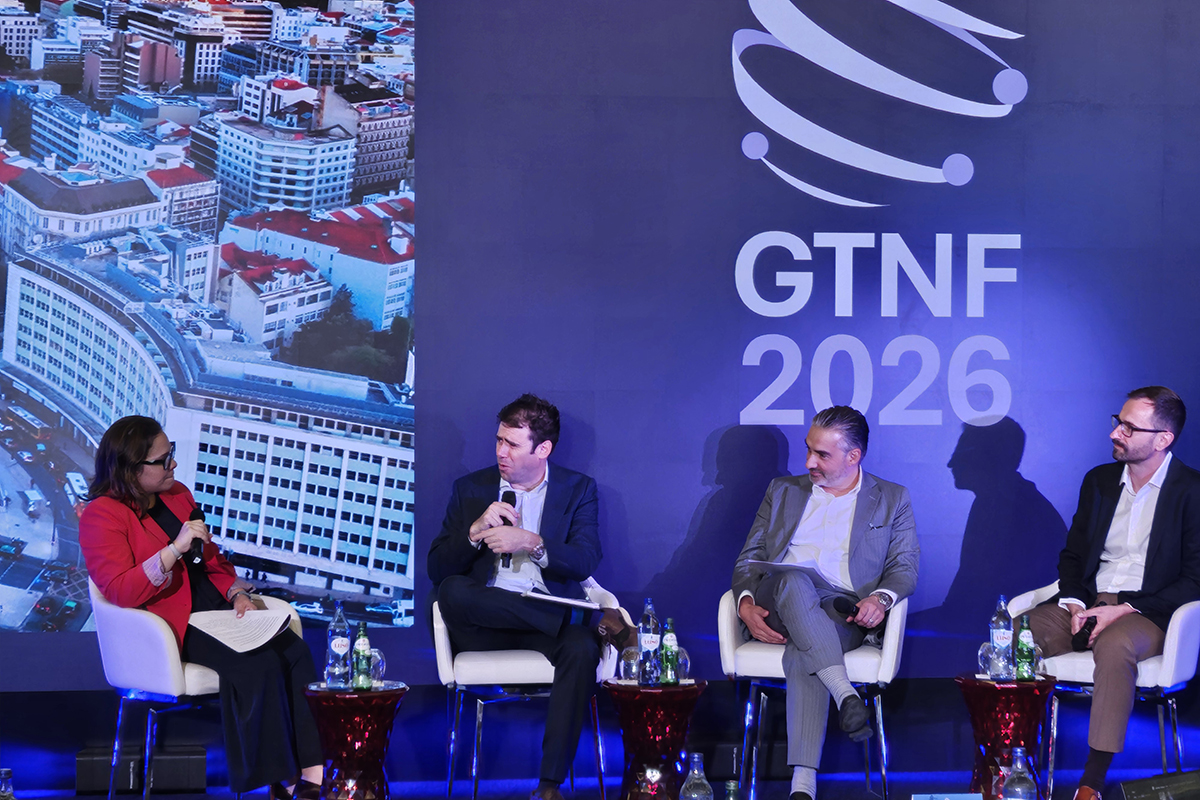
    Philip Morris International Inc. said it will host a live webcast of remarks and a Q&A session with CEO Jacek Olczak at the 2026 dbAccess Global Consumer Conference on June 2, at 11:15 a.m. CET. The session will be streamed live and made available for replay for one year via the company’s investor relations channels, including its mobile app and website.

    The event will provide an update on PMI’s strategy as it continues to position itself as a “smoke-free” consumer goods company, with a portfolio spanning cigarettes and reduced-risk products such as heat-not-burn devices, nicotine pouches, and e-vapor products. The company also highlighted ongoing regulatory milestones, including U.S. FDA authorizations for products such as Zyn nicotine pouches and IQOS devices, as it continues to expand its investor communications around its long-term transition strategy.

  • IQOS Ranks No. 74 in Global Brands

    IQOS Ranks No. 74 in Global Brands

    Philip Morris International said its IQOS heated tobacco brand has entered Kantar’s BrandZ 2026 ranking of the world’s 100 most valuable global brands for the first time, debuting at No. 74. The recognition marks a milestone for IQOS as PMI continues expanding its smoke-free portfolio and positioning the brand beyond traditional tobacco categories through technology, design, and reduced-risk product innovation.

    PMI said IQOS now has more than 35 million users globally, with the majority having fully transitioned away from cigarettes. The company also noted that IQOS surpassed $10 billion in annual net revenues within a decade of launch, contributing significantly to PMI’s broader smoke-free business, which generated nearly $17 billion in net revenues in 2025. The company has increasingly centered its long-term growth strategy around smoke-free products, including heated tobacco and nicotine alternatives.

    The Kantar BrandZ rankings evaluate global brands using a combination of financial performance and consumer brand equity research across more than 22,000 brands in 54 markets. IQOS joined a list that includes major global technology and consumer brands such as Google, Alibaba Group, and Xiaomi.

  • PMI Launches Five-City Tour as Part of America250 Initiative

    PMI Launches Five-City Tour as Part of America250 Initiative

    Philip Morris International announced a nationwide America250 initiative through its U.S. business this week, combining community investment, innovation programs, manufacturing expansion, and brand marketing tied to the country’s 250th anniversary celebrations. The initiative builds on PMI U.S.’s previously announced $1 billion investment in U.S. manufacturing, operations, and workforce development, alongside continued expansion of its smoke-free product portfolio, including Zyn nicotine pouches and IQOS heated tobacco products.

    The program includes a $250,000 Community Futures Challenge for entrepreneurs and civic innovators, a five-city innovation tour across Phoenix, Jacksonville, Pittsburgh, Nashville, and Stamford, Connecticut, and expanded volunteer and charitable activities. Since 2022, PMI U.S. said it has contributed more than $35 million to charitable organizations and plans to mobilize its 3,300-person workforce for community service initiatives focused on food insecurity, housing support, and essential services.

    PMI U.S. also highlighted ongoing investments in modern nicotine manufacturing and commercialization, including preparations for future product launches and expansion of its Aurora, Colorado, facility. As part of the campaign, the company plans to release limited-edition America250-themed Zyn and IQOS products for adult nicotine consumers, with broader promotional activity continuing through 2026 ahead of a planned Next.Now Summit in Phoenix in early 2027.

  • PMI Announces Andolina as Next CFO

    PMI Announces Andolina as Next CFO

    Philip Morris International appointed Massimo Andolina as its new Group Chief Financial Officer, effective August 1, succeeding Emmanuel Babeau, who will remain with the company as Strategic Advisor to CEO Jacek Olczak until March 2027 to support the transition. Andolina, currently president of PMI’s Europe Region, has been credited with driving strong smoke-free growth and financial performance across the company’s largest region, while previously leading global operations and transformation initiatives that improved efficiency and supply-chain resilience.

    Olczak described Andolina as a respected leader with deep company knowledge and a strong record in innovation and growth. PMI also praised Babeau’s six-year tenure, during which the company strengthened its smoke-free business, completed the acquisition of Swedish Match in 2022, and increased smoke-free products’ share of net revenues to 43% in Q1 2026.

  • PMI Accused of Hypocrisy for Cigarette Ads While Pivoting to Smoke-Free

    PMI Accused of Hypocrisy for Cigarette Ads While Pivoting to Smoke-Free

    The Guardian published an article today (May 18) titled, “Marlboro maker accused of ‘exploiting’ young people with new global ad campaign,” which reported that anti-tobacco campaigners have accused Philip Morris International of hypocrisy over its global “I AM Marlboro” campaign, saying the ads link Marlboro cigarettes with youth identity and lifestyle despite CEO Jacek Olczak previously declaring that “cigarettes belong in museums” as the company pivots toward smoke-free products. Advocates from the Campaign for Tobacco-Free Kids and Vital Strategies told the paper the campaign, which is running in 20 countries, echoes PMI’s earlier “Be Marlboro” effort that was banned in Germany over youth appeal concerns, while researchers at the University of Bath said the decline in PMI’s cigarette sales has stalled since it announced its smoke-free ambitions. PMI disputed the criticism, saying 43% of its Q1 2026 net revenue came from smoke-free products and that its marketing is restricted to adults under strict internal codes and legal requirements.

  • Pakistan’s Effective Enforcement Welcomed by PMI

    Pakistan’s Effective Enforcement Welcomed by PMI

    Philip Morris Pakistan Limited said it welcomed nationwide enforcement actions targeting the illicit cigarette trade, stating the crackdown would strengthen the documented economy, improve revenue recovery, and support fair competition for tax-compliant businesses. The company said enforcement operations during fiscal year 2025–26 led to seizures of illicit cigarettes and raw materials equivalent to about 17 billion sticks—estimated at nearly 40% of the illegal market—following strategic direction from Shehbaz Sharif to the Federal Board of Revenue and provincial authorities. During a recent visit to Pakistan, Marco Mariotti, president CIS and Central Asia at Philip Morris International, said sustained enforcement is critical for revenue collection and market compliance, noting illicit trade is estimated to cost Pakistan roughly Rs300 billion ($1.1 billion) annually.

  • Malaysia’s Illicit Cigarette Market at ‘Critical Stage’

    Malaysia’s Illicit Cigarette Market at ‘Critical Stage’

    Malaysia’s illicit cigarette market is approaching a “critical stage,” with illegal products now accounting for roughly 50% of total consumption, according to industry representatives. Philip Morris International and Japan Tobacco International executives said the country’s illicit rate is among the highest in the region, far exceeding levels in markets such as Singapore and Thailand, and warned that widespread availability has normalized illegal purchasing among consumers.

    Industry speakers linked the surge to a sharp excise tax increase in 2015, which widened the price gap between legal and illicit products and drove illegal market share to as high as 63% at its peak. Officials and stakeholders emphasized that addressing the issue will require a coordinated approach combining stronger enforcement, policy adjustments and greater public cooperation, as smuggling networks continue to adapt and exploit regulatory gaps.

  • Eight in ten adult smokers back risk-based tobacco regulation amid South Africa’s policy debate

    Eight in ten adult smokers back risk-based tobacco regulation amid South Africa’s policy debate

    Survey shows scientific evidence and local sentiment align: accurate information, proportionate regulation and access to scientifically substantiated smoke-free alternatives could accelerate South Africa’s progress away from cigarettes

    As South Africa debates new tobacco control legislation, new research by independent firm Povaddo shows that many smokers believe regulation should evolve with scientific evidence to better support adult smokers who do not quit altogether to move away from cigarettes.

    The findings form part of a broader multi-country survey conducted across several markets, revealing a consistent global trend: adult smokers are more likely to consider switching away from cigarettes when they have access to accurate information, and affordable alternatives supported by proportionate, risk-based regulation.

    An international survey commissioned by Philip Morris International (PMI) and conducted by independent research agency Povaddo in multiple countries including key markets in Europe, Latin America and Asia reveals that a majority of adult smokers across these regions share similar views mainly that innovation in smoke-free alternatives, combined with supportive policy frameworks, can accelerate declines in cigarette use. Moreover, respondents across the countries surveyed believe progress happens faster when governments, public health authorities and industry collaborate.

    The survey of adult smokers in South Africa found that eight in ten support risk-based regulation, where less harmful nicotine alternatives are regulated differently from cigarettes. Respondents believe this approach could accelerate progress in reducing smoking.

    The study highlights a clear message emerging from the research: many believe tobacco control policies should evolve alongside scientific evidence and provide adult smokers with accurate information about less harmful alternatives.

    Despite decades of tobacco control efforts, smoking remains a significant public health challenge in South Africa.

    The research suggests that 71% of smokers plan to continue smoking, while only 15% say they are interested in switching to smoke-free alternatives in the current regulatory environment.

    With an estimated 9.7 million smokers in South Africa, this suggests around 6.9 million people may continue smoking cigarettes unless policies better support switching for adults who would otherwise smoke.

    The research indicates that policy reform could significantly change this trajectory. In a  regulatory environment where adult smokers have accurate, science-based information on smoke-free alternatives and these products are regulated differently to cigarettes, the number of smokers willing to switch could more than double, potentially enabling up to 3.3 million South Africans to move away from cigarettes.

    This aligns with trends observed in several international markets, including Japan, where enabling regulatory environments have supported higher switching rates and accelerated declines in cigarette consumption, reinforcing the role policy can play in shaping public health outcomes.

    The study also identifies significant awareness gaps around smoke-free alternatives among South African smokers.

    Nearly 44% of smokers are unfamiliar with e-cigarettes, 65% are unfamiliar with heated tobacco products, and 70% are unfamiliar with nicotine pouches, suggesting many smokers lack basic information about smoke-free alternatives to cigarettes.

    Nearly 44% of smokers are unfamiliar with e-cigarettes, 65% are unfamiliar with heated tobacco products, and 70% are unfamiliar with nicotine pouches, highlighting low awareness of smoke-free alternatives among South African smokers. Therefore, the survey suggests that smokers don’t understand that SFPs are potentially much less harmful than cigarettes.

    Cigarette smoke contains more than 6,000 chemicals, around 100 of which are classified by public health authorities as harmful or potentially harmful. These substances are created through the combustion of tobacco – the burning process that is the primary cause of smoking‑related diseases. Nicotine itself, while addictive and not risk‑free, is not the main driver of these diseases. This crucial distinction is often poorly understood, reinforcing widespread misperceptions about the relative risks of smoke‑free alternatives.

    Among smokers not interested in alternatives, 43% cite health risk concerns, often linked to misinformation, while 28% say alternatives are too expensive.

    The research indicates that smokers are open to considering alternatives if the right conditions are in place.

    More than 80% of smokers say affordability and accessibility are key factors when considering smoke-free products.

    Specifically:

    • 82% say alternatives should be cheaper than cigarettes
    • 82% want them to be easily available in stores
    • 80% want product information at the point of sale
    • 78% want risk-reduction information to help them make informed choices

    These findings suggest that providing accurate information and improving access to science-based alternatives could play an important role in helping adults who would otherwise continue smoking, transition away from cigarettes.

    The research also highlights concerns among smokers about the potential unintended consequences of overly restrictive policies.

    Around three-quarters of respondents believe strict bans on smoke-free alternatives could push smokers toward cheaper illicit tobacco or nicotine products instead.

    Respondents also indicated that a regulatory approach recognising differences in risk between products could help reduce smoking while limiting the growth of illicit markets.

    Taken together, the findings point to a clear opportunity for South Africa: a modernised, evidence-based regulatory framework that differentiates between products, expands access to scientifically substantiated smoke-free alternatives, and prioritises accurate information could significantly accelerate the decline of cigarette use amongst adults who would otherwise smoke.

    Sensible regulation is needed – regulation that recognises the role scientifically substantiated smoke-free alternatives can play in helping adult smokers who would otherwise smoke to move away from cigarettes, while maintaining strong protections for youth and non-smokers.

    ends

    About the study

    The findings are based on a survey conducted by independent research firm Povaddo between 28 March and 10 April 2025 among adult smokers in South Africa, examining perceptions of tobacco regulation, smoke-free alternatives and willingness to switch away from cigarettes.

  • PMI Warns Middle East Conflict Will Spur Illicit Trade in Asia

    PMI Warns Middle East Conflict Will Spur Illicit Trade in Asia

    Philip Morris International warned that the continuing conflict in the Middle East could disrupt supply chains and drive a surge in illicit cigarette trade across Southeast Asia. The company said past disruptions, such as during the COVID-19 pandemic, led to sharp increases in illegal market share, with illicit trade in the Philippines rising from 6% to 17%. PMI estimates governments in the ASEAN region are already losing around $4 billion annually in cigarette excise revenue, with an additional $2 billion lost from illegal vaping products.

    PMI called for stronger regional coordination to address the issue, including real-time sharing of customs data among ASEAN countries to better track illicit flows. The company said supply constraints and regulatory gaps create opportunities for illegal operators, and urged policymakers to adopt more unified enforcement strategies as the Philippines chairs ASEAN this year.

  • PMI Calls for Lower Cigarette Taxes in Meeting With Australian Govt

    PMI Calls for Lower Cigarette Taxes in Meeting With Australian Govt

    Philip Morris used a closed-door Australian Senate hearing on illicit tobacco to argue that high excise taxes are driving consumers toward the black market and called for lower cigarette prices to restore legal sales. According to a released transcript, company representatives said taxes account for at least A$34 of a A$37.95 pack ($24.48 of $27.32), while illicit cigarettes can sell for as little as A$12 ($8.64), contributing to an illicit market estimated at 50–60% of total sales, or A$4–A$7 billion ($2.8–$5 billion).

    The company told lawmakers that narrowing the price gap between legal and illegal products could help shift consumers back into regulated channels, citing price, access, and enforcement as key drivers of illicit trade. The hearing, which was initially held in private, drew criticism from public health advocates who said it “ran counter to an international treaty Australia signed up to in the mid-2000s,” while government officials defended the decision to include industry input in the inquiry.