Year: 2023

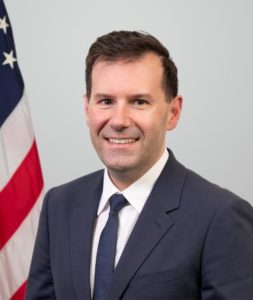
  • Keynote: Ming Deng

    Keynote: Ming Deng

    Douglas Meng Deng, head of Next-Generation Products (NGPs) Industry Study at Yunnan University, provided an Asian view of regulation and innovation in NGPs. Evidence from bibliometrics, he pointed out, had shown that the number of articles and the frequency of citations on tobacco harm reduction (THR) have been steadily increasing. There has been dualization and dichotomy of studies of the role of NGPs in THR. Studies are either carried out by academic institutions or by the tobacco industry, and there is hardly any cooperation among multinational tobacco companies.

    In his research of NGP regulation in Asia, Deng focused on the five countries with the largest populations and the largest number of smokers. In Japan, Deng explained, e-cigarettes containing nicotine were regarded as drugs, requiring a prescription from a doctor, which resembles a ban. By contrast, nicotine-free e-cigarettes are a niche product that can be commercialized without any flavor restrictions. In terms of tobacco taxation, heated-tobacco products (HTPs) are favored. The country has seen a decline in cigarette sales along with a surge in HTP combustible sales. Studies published in BMJ have stated a decrease in hospitalizations for chronic obstructive pulmonary disease and ischemic heart disease following the introduction of HTPs in Japan.

    China implemented a comprehensive regulatory framework for NGPs called “1+2+N” in October 2022. It allows tobacco-flavored products only. Manufacturers, brand owners and retailers are obliged to obtain licenses. Electronic nicotine-delivery systems are subject to premarket review and approval, and HTPs are regulated as cigarettes. “E-cigarette penetration in China was never above 2 percent, and it has been decreasing further since the regulation was introduced,” Deng said. “The portfolio performance of listed vape companies has fluctuated drastically.”

    Indonesia permits HTPs and e-cigarettes, allows online sales and regards national standards as an endorsement rather than mandatory. Multinationals’ HTPs have gained significant traction, Deng stated, showing that the country could potentially become a hub for NGPs in Asia.

    By contrast, India has chosen to ban e-cigarettes and HTPs completely with its 2019 E-Cigarette Act. Offenders face penalties including a one-year jail term or a fine of inr100,000 ($1,202) or both. “The ban has led to a flourishing illicit market,” Deng said. “Insufficient controls together with weak age verification will probably raise the question about the effect of both tobacco control and THR in the country.”

    Properties of NGPs, which the World Health Organization’s Framework Convention on Tobacco Control (FCTC) began discussing at its fourth Conference of the Parties (COP4), are still vague within the FCTC context, an ambiguity potentially leading to regulatory loopholes among member states.

    Deng highlighted two innovations in the field of HTPs. South Korean KT&G’s Lil Aible integrates an artificial intelligence of things application in its heated-tobacco units while combining features of both vape products and HTPs. “The convergence of the two technologies may represent a future trend.”

    NSC of China offers a product with an oxygen-free environment in which sticks are being heated, potentially offering a superior smoking experience, Deng explained. “Both developments underscore a fundamental principle in NGPs: understanding customer needs.”

    Deng recommended that the next Conference of the Parties (COP10) to the FCTC, which will take place in Panama this November, clarify the harm reduction properties of NGPs. The FCTC itself, he said, should also undertake rigorous, evidence-driven research and faster communication with the industry.

    For state-level regulators, Deng proposed introducing the regulator’s sandbox into NGP regulation and shifting from the “wait and improve” approach to “test and innovate.” “Regulatory sandboxes, commonly used in the financial sector, allow NGPs to be regulated at a close loop and encourage enterprises to innovate at the same time,” Deng said. “Regulators may monitor testing in real time while enterprises can get regulatory feedback simultaneously and adjust R&D accordingly.”

    Deng called for the industry to engage in evidence-based and science-based studies and actively pursue publication. Multinationals, he argued, should cultivate the market through patent openness. “The industry is ready to enter the next curve of entrepreneurship, but it should keep in mind to innovate toward THR, not for youth, and facing ESG. Entrepreneurship and rapid commercialization of NGPs in Asia [are] the tobacco industry’s future, provided it can seamlessly integrate into the global tobacco value chain.”

    He urged stakeholders to recognize that the diversity and multitude of cultures and languages in Asia demands a nuanced approach. “The multinationals should leverage the expertise of local Asian talents to solve issues specific to the region.”

  • Vapes Banned in Half of Southeast Asia

    Vapes Banned in Half of Southeast Asia

    Photo: Aliaksandr Barouski

    Of the 10 countries in the Southeast Asian region, five have banned e-cigarettes and vaping products, reports Malaya Business Insight, citing an the assessment by the Southeast Asia Tobacco Control Alliance (SEATCA).

    The sale and use of vapes and e-cigarettes are already banned in Brunei, Cambodia, Laos, Singapore and Thailand, according to the SEATCA.

    There are no bans in Myanmar and Vietnam while Indonesia, Malaysia and the Philippines regulate vapes and e-cigarettes. The SEATCA has urged the countries to strictly regulate the products.

  • Philip Morris granted partial VAT refund

    Philip Morris granted partial VAT refund

    Photo: mehaniq41

    The Philippines Court of Tax Appeals (CTA) granted part of a refund claim by Philip Morris Philippines Manufacturing in the amount of PHP32.04 million ($564,407), which represents its unused input value-added tax (VAT) traced to zero-rated sales in 2015, reports Business World Online.

    The court ruling stated that Philip Morris was able to prove its entitlement to the amount by proving that sales invoices were actual shipments from the Philippines to foreign countries for export sales.

    “The court finds that even without the reopening of the trial at the division level, the submissions made by Philip Morris clarifying certain tabular presentations/summaries of its alleged zero-rated sales may already be reconsidered,” Associate Justice Catherine T. Mahan said in the ruling.

    Zero-rated sales are transactions made by VAT-registered taxpayers that do not translate to any output tax. Taxpayers must present official receipts that are attributable to a specific fiscal period, with the term “zero-rated” being written on them to qualify for a 0 percent rating.

    Philip Morris previously sought a refund of PHP90 million covering excess input VAT for 2015, which was partially granted by the CTA Third Division—the commissioner of internal revenue (CIR) was ordered to issue a refund of PHP31.18 million to Philip Morris.

    The CTA said the CIR failed to present new arguments that would call for a dismissal of the case while the CIR argued that the CTA should have rejected Philip Morris’ appeal since the export sales were not proven to be paid in acceptable foreign currency in line with the applicable rules. The CTA disagreed, stating Philip Morris has submitted acceptable bills showing that the shipments were paid for in acceptable foreign currency.

  • JTI to Launch Ploom in Greece

    JTI to Launch Ploom in Greece

    Photo: Taco Tuinstra

    Japan Tobacco International is set to launch Ploom, its heated-tobacco product, on the Greek market, according to 2Firsts.

    JTI plans to invest $3 billion in the global expansion of Ploom. Greece is the first planned market for promotion. JTI’s Greece subsidiary will be responsible for the Cyprus and Malta markets as well.

    The company’s goal is to introduce Ploom in 25 countries. JTI also plans to invest €2 billion from 2023 to 2025 for the development of other heated-tobacco products.

  • King Reflects on CTP Priorities and Progress

    King Reflects on CTP Priorities and Progress

    Brian King (Photo: FDA)

    Throughout his first year as director of the U.S. Food and Drug Administration’s Center for Tobacco Products (CTP), the agency has maintained a steadfast commitment to its core principles of sound science, strategic partnerships, health equity and transparency, CTP Director Brian King said in a recent interview.

    King underscored the enduring importance of these principles. He emphasized that the center’s recent decisions and enforcement efforts have been grounded in comprehensive scientific analysis. This approach, he noted, ensures that product marketing and regulatory actions are well-informed and evidence-based.

    Furthermore, the director highlighted the importance of teamwork, a skill honed through his background as a scientist. Scientific thinking, rooted in objective evidence evaluation, plays a pivotal role in CTP’s work. This scientific approach is instrumental in addressing the complexities of tobacco product regulation effectively, according to King, who also emphasized the importance of effective communication in conveying scientific findings and messages.

    A significant focus of CTP’s work is promoting health equity in tobacco product regulation. King discussed efforts to address disparities in tobacco use, especially among youth and young adults. Notably, the CTP is working on product standards that would prohibit menthol as a characterizing flavor in cigarettes and all characterizing flavors in cigars. King views these standards as a major step toward reducing the appeal of these products, particularly among communities disproportionately affected, such as people of color, low-income populations and LGBTQ+ individuals.

    To further advance health equity, the CTP has undertaken initiatives like the “Next Legends” campaign to educate American Indian and Alaska Native youth about the harms of e-cigarettes and providing Spanish-language adult cessation education resources.

    During his tenure, the center welcomed Charlene Le Fauve as its first senior advisor for health equity, a crucial role in integrating health equity into the center’s programmatic plans and priorities, according to King.

    Looking ahead to the next three to five years, the director stressed the importance of having a clear vision. The CTP is in the process of creating a new strategic plan with the involvement of internal staff and external stakeholders to ensure the center’s continued growth and adaptation in a dynamic regulatory landscape. The plan, to be released by December 2023, will provide a roadmap for CTP’s future, aligning its actions with changing times and the goal of reducing tobacco-related diseases and deaths in the United States.

  • Czechia Bans HTP Flavors

    Czechia Bans HTP Flavors

    Photo: diy13

    The sale of flavored heated-tobacco products (HTPs) will be banned in the Czech Republic, effective today, reports Expats.cz. A European directive requires that EU member states incorporate the ban into their legal frameworks effective Oct. 23. The directive does not allow for a transitional period for sale of existing stock.

    Slightly more than half of HTP users prefer flavored tobacco, according to Jiri Sochor, spokesperson for JT International. Sochor noted that based on U.S. ban results, some people reverted to traditional combustible cigarettes.

    The ban will not take effect simultaneously in neighboring countries, Sochor said, noting that only Germany has introduced it. Due to this, people are likely to purchase flavored products abroad.

    Flavored heated-tobacco products generate about CZK2.9 billion ($125.16 million) in consumer taxes annually, according to Sochor.

    Companies are responding to HTP flavors ban by introducing new, tobacco-free products. British American Tobacco, for example, has begun selling heat sticks with nicotine-infused rooibos tea. Certain tobacco firms have also opposed the ban, and the legislation will be addressed by the EU Court of Justice due to complaints from Irish companies.  

  • Portugal to Increase Liquid Tax

    Portugal to Increase Liquid Tax

    Photo: alexlmx

    The government of Portugal wants to increase excise taxes on e-liquids in 2024. Nicotine e-liquids will have an excise tax increase of 4 percent, up to €0.351 ($0.373) per milliliter, and nicotine-free e-liquids will be subject to a €0.175/milliliter excise tax.

    Nicotine-containing and nicotine-free e-liquids will also be subject to a minimum tax corresponding to 25 percent and 12.5 percent of the tax applicable to traditional cigarettes, respectively.

    “Increasing the taxation of e-liquids in such a way will make vaping a less attractive option to consume nicotine and prevent low[-income] and middle-income groups from accessing the products,” said World Vapers Alliance Community Manager Alberto Gomez Hernande in a statement.

    “It risks pushing vapers back to smoking and preventing smokers from switching due to affordability reasons. Portugal should follow the steps of countries that are successfully reducing smoking rates by encouraging smokers to switch, such as the United Kingdom and Sweden; instead, Portugal has the highest excise tax rate on vaping products in the EU.”

    “The Portuguese government should follow a risk-based approach to the taxation of e-liquids,” said Hernandez. “Since the risk of vaping is 95 percent lower, taxes should be 95 percent lower too.”

    “If Portugal wants to meet the goals proposed in its National Plan Against Cancer and the European Cancer Plan, it needs to keep alternatives to smoking available and affordable,” Hernandez said. “Sweden is becoming the first smoke-free country in the world this year while Portugal is taking decisions in the opposite direction.”

    In related news, Portugal will delay implementation of the EU Tobacco Directive and proposed legislation by Portuguese government that would ban flavored heated-tobacco products. The ban was supposed to go into effect Oct. 23, 2023, but will be delayed in Portugal until 2024, according to 2Firsts.

  • Former STMA Head Under Investigation

    Former STMA Head Under Investigation

    Photo: promesaartstudio

    Former head of China’s State Tobacco Monopoly Administration (STMA) Ling Chengxing is under disciplinary review and supervisory investigation, reports China Daily.

    Ling is being investigated on suspicion of violating Communist Party disciplines and China’s laws, according to the Communist Party of China Central Commission for Discipline Inspection and the National Supervisory Commission.

    Ling was head of the STMA from May 2013 to July 2018.

    The STMA is on the list for the 20th CPC Central Committee’s second round of inspection, which began Oct. 10, and the eighth inspection team of this round recently began its work at the administration.

  • WHO Urged to Follow Sweden’s Example

    WHO Urged to Follow Sweden’s Example

    Image: weyo

    The World Health Organization should look at Sweden for inspiration when deciding how to effectively reduce smoking-related deaths, according to the Institute for Tobacco Studies (ITS).

    In a paper published on Qeios, ITS’ principal investigator, Lars M. Ramstroem, says Sweden provides a prime example of how products that don’t burn tobacco can benefit public health. Sweden has the lowest smoking prevalence among men in the European Union and consequently the lowest tobacco-related mortality.

    The “WHO needs to apply all science-based strategies to reduce tobacco-related deaths,” Ramstroem said in a statement.

    “The meeting of the world’s health leaders in Panama in November, the COP10, represents a unique opportunity to take a fresh look at the most recent evidence with an open mind. After all, if Sweden had followed WHO’s advice from 20 years ago and banned snus, tobacco-related deaths in Sweden would have been much higher, and the only unintended beneficiary profiting from such advice would be the cigarette industry,” Ramstroem and his colleagues write in the paper.

    “[I]ncreasing number[s] of scientists and national governments believe that these new products represent an opportunity that can accelerate the demise of smoking. Because they don’t burn tobacco, they are estimated to be far less harmful than smoking. To the extent that they can act as a substitute and displace smoking, thereby improving public health.”

    Ramstroem said most “tobacco-related” deaths are in fact “smoking-related” deaths caused by repeated inhalation of smoke emitted when tobacco is lit on fire.

    “When burning is taken out of the equation, the harm can be dramatically reduced. We have known for decades that people smoke for nicotine but die from the tar,” the paper says.

    If Sweden had followed WHO’s advice from 20 years ago and banned snus, tobacco-related deaths in Sweden would have been much higher.

    In addition to citing the experience of Sweden, the paper urges policymakers to study the examples of Norway, Japan or New Zealand. “Norway is now following a similar trajectory as Sweden, with daily smoking being at record-low levels and virtually on the brink of extinction among some population groups, largely due to snus,” the paper’s authors wrote.

    In Japan, a large number of smokers have switched to heated-tobacco products, contributing to a decline in smoking from around 20 percent in 2014 to 13 percent in 2019, while in New Zealand, vaping helped reduce daily smoking to 8 percent and contributed to rapid fall in smoking rates even among Pacific and Maori populations where traditional interventions have been failing.

    The paper also calls on the delegates to the COP10 to look at the real-world scientific evidence in making decisions during the meeting.

    “When it comes to smoking, the WHO doesn’t need to reinvent the wheel: Just follow the science (and Sweden) this time, for the sake of 1 billion smokers who aren’t lucky enough to live in Sweden,” the paper says.

  • Alliance One Malawi Spends Millions on CSR

    Alliance One Malawi Spends Millions on CSR

    Photo: Taco Tuinstra

    Alliance One Malawi has spent roughly MKW442 million ($384,721) on its corporate social responsibility programs over the last two years, according to The Nyasa Times.

    The company renovated and constructed new classrooms for more than 22 primary schools over the last two years, according to Fran Malila, corporate affairs manager.

    “As a corporate responsibility entity, Alliance One thought it wise to renovate as well as construct new classroom blocks in these 22 primary schools so that pupils who are future leaders of this country should learn in [a] better environment,” said Malila. “In the process, we are also fighting child labor as our aim is to see every kid to go to school and not be used as a source of labor in tobacco fields.”

    The renovated schools have led to higher student enrollment and retention rates.

    According to Malila, the company also constructed a postnatal ward and donated various medical equipment to Mzuzu Central Hospital’s pediatric ward.