

The board of directors of Turning Point Brands, Inc. announced a regular quarterly dividend of $0.08 per common share. The dividend is payable on October 9 to shareholders of record on the close of business on September 18.
Blog
-

Kenya Overturns Enforcement of Shisha Ban
Kenya’s High Court ruled that the country’s 2017 shisha regulations are no longer legally enforceable, finding the government failed to correct procedural defects within the nine-month period ordered by the court in 2018. Justice Bahati Mwamuye declared that continued enforcement of the ban, including government directives and press releases issued in 2025, was unlawful and unconstitutional.
The ruling prevents authorities from enforcing the 2017 shisha regulations against members of the Novel Tobacco Products Association and invalidates recent government crackdowns based on those rules. The court also held that tobacco products cannot be prohibited through subsidiary legislation that fails to comply with statutory requirements, effectively lifting enforcement of Kenya’s longstanding shisha ban until valid regulations are enacted.
-

Tennessee Increases Penalties for Fake IDs for Nicotine
A new Tennessee law will increase penalties for people under 21 who use fake identification to purchase nicotine or hemp products, imposing fines of $10 to $50. The measure also allows courts to order up to 50 hours of community service or participation in a court-approved program for repeat violations within one year, while parents or guardians of minors may also face financial penalties.
The law expands Tennessee’s existing restrictions on underage purchases of nicotine and hemp products. Nashville Thrives, a substance use prevention coalition, said it also supports creating a state nicotine retail licensing system, arguing it would strengthen enforcement and help reduce illegal sales to minors.
-
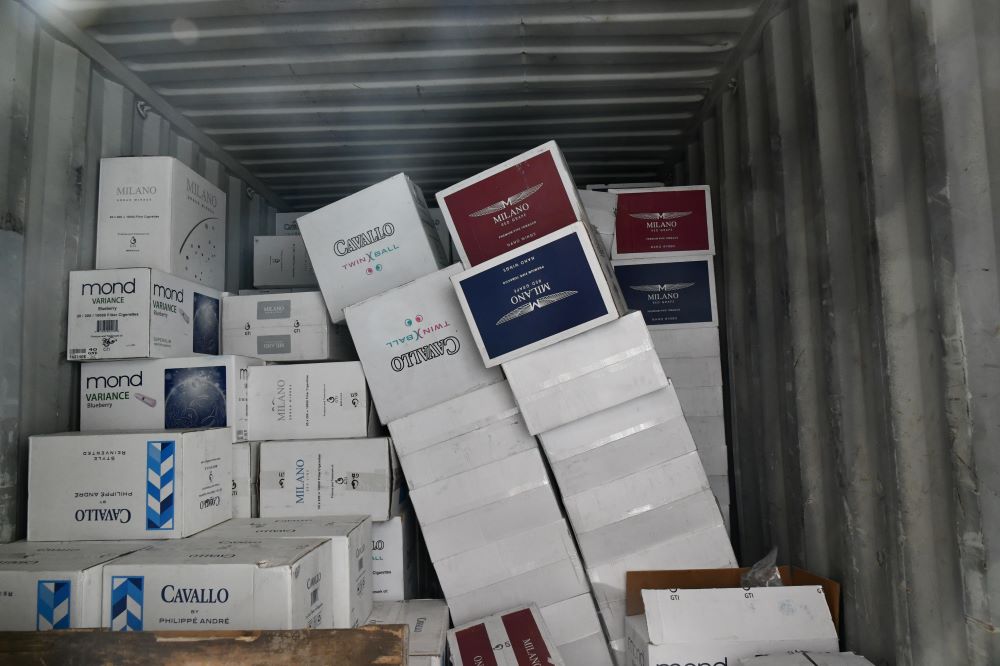
EU-ASEAN Business Council Calls for Regional Action Against Illicits
The EU-ASEAN Business Council urged ASEAN members to strengthen regional cooperation to combat illicit trade, describing it as a growing threat to economic growth, government revenues, and supply chain resilience. In a report released ahead of the Philippines’ 2026 ASEAN chairship, the council called for greater intelligence sharing, harmonized regulatory frameworks, expanded use of digital customs tools, stronger public-private collaboration, and closer engagement with dialogue partners, including India.
The report identified illicit tobacco trade as a longstanding challenge and highlighted the need for coordinated enforcement and supply chain oversight. Philip Morris India Managing Director Navaneel Kar said illicit tobacco trade undermines revenue collection, market transparency, and the rule of law, adding that the company supports efforts including market intelligence, research, and voluntary track-and-trace initiatives to strengthen lawful trade.
-

Australia Tightens Import Controls on Nicotine Pouches
Australia strengthened regulation of nicotine pouches under new rules that took effect over the weekend, placing the products under the Therapeutic Goods Administration’s therapeutic goods framework. The changes restrict the import of unapproved nicotine pouches, extending Australia’s strict regulatory approach beyond nicotine vaping products to another smoke-free nicotine category.
The new rules do not prohibit all nicotine pouch use but require products to meet regulatory approval requirements before they can be legally imported or supplied. The move aligns nicotine pouches with Australia’s existing controls on nicotine products and reflects the country’s continued focus on regulating emerging nicotine alternatives through therapeutic product oversight.
-

PMI U.S. Opens $1.2 Billion Colorado Manufacturing Campus
Philip Morris International’s U.S. businesses announced the official opening of its $1.2 billion manufacturing campus in Aurora, Colorado, expanding domestic production capacity for Zyn nicotine pouches and strengthening the company’s U.S. supply chain and export capabilities. The 780,000-square-foot facility, located on a 148-acre site, began full commercial production in July 2026 and represents PMI U.S.’s first greenfield manufacturing complex in the United States. The campus integrates production, packaging, warehousing, distribution, and operations, and will support markets across Asia, Latin America, and the Caribbean.
The investment, originally announced as a $600 million project in 2024, doubled in planned capital expenditures through 2028, including manufacturing equipment, infrastructure, facility development, and future production expansion. “Aurora represents an important milestone for PMI U.S. and our continued investment in our business here,” said Stacey Kennedy, CEO of PMI U.S. “This facility expands our production capacity, strengthens our supply chain, and enhances our ability to serve growing demand in the United States and around the world.”
The facility is expected to directly employ approximately 500 people and contribute to broader economic activity in Colorado, with PMI estimating the site will support around 1,000 indirect jobs.
-

Godfrey Phillips India Profit Falls 44% After Tax Hike
Godfrey Phillips India reported a 44% decline in first-quarter profit as higher excise duties introduced in January pressured margins. Consolidated net profit fell to 1.98 billion rupees ($19.8 million) from 3.56 billion rupees ($35.6 million) a year earlier.
The company, which manufactures and sells Marlboro cigarettes in India under license from Philip Morris International, said cigarette, tobacco and related product revenue more than doubled to 37.8 billion rupees ($378 million). However, excise duty expenses surged nearly eightfold to 26 billion rupees ($2.6 billion) after India introduced higher cigarette taxes ranging from 2,050 to 8,500 rupees ($205 to $850) per 1,000 cigarettes in February.
-

BAT Kenya Says Illicit Cigarettes Costing $92M in Lost Taxes
BAT Kenya warned that illicit cigarettes now account for about 45% of Kenya’s cigarette market, costing the government an estimated Sh12 billion ($92.4 million) annually in lost tax revenue. The company said the illegal trade is undermining legitimate manufacturers and threatening an industry that supports about 80,000 livelihoods across farming, manufacturing, distribution, and retail.
BAT Kenya Managing Director Sidney Wafula said illicit cigarettes, particularly those entering through porous borders including Uganda, are the company’s biggest challenge. “The continued rise in illicit cigarette trade remains the most significant threat to the sustainability of the legitimate industry and its value chains,” Wafula said, calling for sustained enforcement and stronger border controls.
The warning came as BAT Kenya reported half-year revenue growth of 5% to Sh12.3 billion ($94.7 million), supported by export recovery and growth in nicotine pouches. The company said it expects continued growth in modern oral nicotine products while urging predictable tax policies and stronger action against illicit tobacco trade.
-

Indonesia Adds Tax Layer to Bring Illegal Cigarettes into the Fold
Indonesia’s government confirmed it will not raise tobacco excise rates in 2026, opting instead to restructure the cigarette excise system by adding new tax tiers. Finance Minister Purbaya Yudhi Sadewa said the move is intended to bring machine-rolled clove cigarettes (SKM) that have effectively operated outside the current tax structure into the excise system. The government expects the changes to be implemented this year, arguing that revising the tax structure is more appropriate than raising excise rates amid weakening consumer purchasing power and a shift toward lower-priced cigarettes.
-

Thai Tobacco Trade Backs Single-Rate Reform
The Thai Tobacco Trade Association (TTTA) endorsed government plans to replace Thailand’s two-tier cigarette excise system with a single-rate tax, arguing the current structure has distorted the market, squeezed retailer margins, and encouraged consumers to switch to cheaper products and illicit cigarettes. The association said a balanced flat-rate tax, combined with stronger enforcement against illegal tobacco, would help stabilize government revenue, improve market competition, and support the country’s tobacco supply chain, while the Excise Department continues its review of the proposed reforms.