Category: News This Week

  • Spain Implements New Tobacco Price Increases

    Spain Implements New Tobacco Price Increases

    Spain’s Official State Gazette (Boletín Oficial del Estado, BOE) confirmed new price increases for certain cigarettes, cigars, cigarillos, and pipe tobacco, effective November 15. The changes, applicable across mainland Spain and the Balearic Islands, are mandatory for all authorized retailers.

    A pack of Mark 1 Red 100’s cigarettes now costs €4.60. Adrian Magnus cigars are priced between €5.95 and €8.10 per unit, while Montego cigars range from €4.50 to €5.75. Pipe tobacco, including Hampton Pipe Gold, is now €1.70 per 20g pack, with premium blends such as Samuel Gawith and Sebero between €5.25 and €26.50.

    These changes follow other price updates announced previously for well-known brands like B.N., Ducados, and Farias. The updates reflect production, distribution, and tax cost adjustments, and form part of Spain’s ongoing health policy to discourage smoking through pricing.

  • ITGA Marks 20 Years of Advocacy at WHO FCTC, Calls for Grower Inclusion

    ITGA Marks 20 Years of Advocacy at WHO FCTC, Calls for Grower Inclusion

    The International Tobacco Growers’ Association (ITGA) reaffirmed its commitment to representing millions of tobacco growers worldwide as the WHO Framework Convention on Tobacco Control (FCTC) celebrates its 20th anniversary. In a statement, the organization said that for two decades, ITGA has engaged in the FCTC process, emphasizing the social and economic impacts of tobacco control policies on growers. The organization participated in the FCTC’s first public hearing and has attended every Conference of the Parties (COP), advocating for transparency and the inclusion of growers’ voices.

    As COP11 convenes, ITGA calls for continued dialogue, evidence-based policymaking, and policies that consider the livelihoods of families dependent on tobacco cultivation.

  • Cigarette Butts, Winter Months Increase Korean Fire Risk

    Cigarette Butts, Winter Months Increase Korean Fire Risk

    South Korea’s National Fire Agency reported that fires started by discarded cigarette butts caused 154 billion won ($104.7 million) in property damage over the past five years, highlighting the growing risks as winter fire season begins. From 2020 to 2024, the country recorded 191,510 fires, 743 of which were linked to discarded cigarettes. Nearly 40% of fires with casualties occurred from December to March due to heavy use of heating equipment and dry conditions.

    Authorities also said that cigarette-related fires, along with electrical faults, were among the leading causes of large-scale factory and warehouse fires, involving losses of over 10 billion won ($6.8 million).

  • Ispire, IKE Tech Applaud FDA’s Illicit Vape Market Mandate

    Ispire, IKE Tech Applaud FDA’s Illicit Vape Market Mandate

    Ispire Technology Inc. and IKE Tech LLC issued statements welcoming the U.S. FDA’s newly funded mandate to crack down on the illicit vape market, following the passage of a continuing resolution signed by President Trump. The legislation directs the FDA to allocate at least $200 million toward electronic nicotine delivery system enforcement, including $2 million for a multi-agency task force with the DOJ and DHS to block illegal imports.

    IKE Tech President John Patterson called the strengthened enforcement a critical response to a market where “nine out of 10 vapes on shelves are illegal.” He said current border controls and tracking systems are failing, and highlighted the company’s development of blockchain-secured authentication tags and AI-driven age-verification tools to help regulators and manufacturers instantly verify product legitimacy.

    Ispire co-CEO Michael Wang said enforcement must be paired with proactive technology to protect consumers and level the playing field for compliant companies. He noted that Ispire and IKE Tech have submitted a blockchain-enabled age-verification System-on-a-Chip to the FDA as part of a PMTA, offering a potential framework for secure, verifiable, and interoperable compliance across the U.S. vape market.

  • Shutdown End Puts Hemp on the Clock

    Shutdown End Puts Hemp on the Clock

    This week, President Donald Trump signed a funding bill to end the government shutdown, but, according to Forbes and other industry experts, tucked inside the legislation is an amendment that has the potential to dismantle the country’s $28 billion hemp industry. The provision rewrites the federal definition of hemp, and, after a 12-month grace period, would effectively outlaw most hemp-derived THC products, including the booming market for THC beverages and edibles.

    Since the 2018 Farm Bill legalized hemp and its derivatives, hemp-derived intoxicating products have proliferated nationwide, sold online and in mainstream retailers without the restrictions placed on marijuana. The new amendment closes that loophole by banning synthetic cannabinoid conversion (such as CBD-to-THC processing) and capping THC content at 0.4 mg per package—far below the levels in virtually all current hemp products, many of which contain at least 5 mg and some up to 1,000 mg per package.

    “This is an extinction-level event for the CBD products industry, and the greater hemp and hemp beverage industry,” said Jim Higdon, cofounder of Louisville-based Cornbread Hemp. “If we can’t stop it, and we don’t pivot, it will destroy our business. Every product that we make currently will become a Schedule I narcotic when it is implemented.”

    Industry leaders, including beverage manufacturers and multistate cannabis operators, warn that the measure would wipe out companies built around hemp-derived THC and plan to lobby aggressively for revised regulations during the one-year window. The amendment has ignited political tension as well, with Senator Mitch McConnell—architect of the 2018 hemp legalization push—now leading efforts to curb intoxicating hemp products amid rising concerns about youth exposure.

    “Mitch McConnell, the man who gave us the seeds to grow hemp, now wants to burn the crop and salt the ground,” said Thomas Winstanley, the executive vice president of Georgia-based Edibles.com. “[We see] it as not one year to ban, it’s one year to regulate. We do not see this as the end. The clock started, but there’s still runway for better policy here. It was a tough battle to lose, but it’s not the end of the war.”

  • Zimbabwe Tobacco Industry Targets $7B by 2030

    Zimbabwe Tobacco Industry Targets $7B by 2030

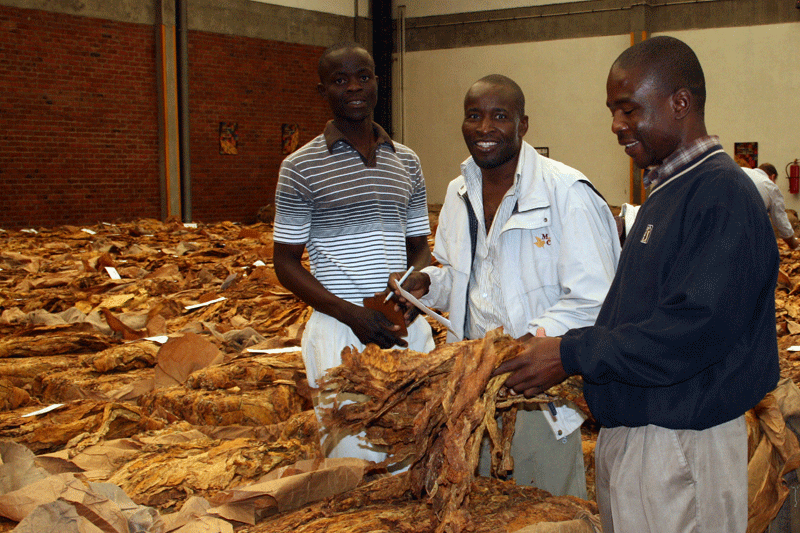
    Zimbabwe’s tobacco sector is positioned for major expansion, with government projections indicating the industry could reach $7 billion by 2030. The Agriculture Food Systems and Rural Transformation Strategy 2 (2026–2030) outlines a sharp rise in the sector’s gross value contribution, which was $1.2 billion in 2025.

    The Tobacco Industry & Marketing Board reported that Zimbabwe produced 340 million kg of tobacco in 2025, but the Tobacco Transformation Plan hopes to see that number reach 500 million kg by 2030. Zimbabwe is also working to greatly increase the tobacco processed domestically, as opposed to exporting 90% of it raw as it currently does. The Plan also hopes to promote new specialty tobacco varieties, including cigar, shisha, naturally cured, and dark fire-cured types.

    As Africa’s largest tobacco producer, Zimbabwe’s tobacco industry supports over 130,000 households and contributes more than half of the country’s agricultural exports. More than 85% of the crop is grown by small-scale farmers, many of whom benefited from land reform.

    Despite its growth potential, the sector faces significant headwinds, including global anti-smoking measures, traceability and environmental regulations, child-labor concerns, and outdated legislation. Agriculture Minister Dr. Anxious Masuka said the new strategy reflects extensive consultation across government, industry, and farming stakeholders, and is structured around ten pillars focused on policy reform, climate resilience, rural industrialization, financing, infrastructure, and land management.

  • Cigarette Butts Back in Focus Ahead of COP11

    Cigarette Butts Back in Focus Ahead of COP11

    The 11th Conference of the Parties (COP11) of the WHO Framework Convention on Tobacco Control (FCTC) begins next week in Geneva with the purpose of eradicating tobacco and nicotine products across the globe. The gathering will cover broad topics, including tobacco marketing, youth e-cigarette use, and public health strategies, but the topic of cigarette butts appears to be gaining traction.

    WHO officials will address the environmental impact of cigarette waste—saying 4.5 trillion cigarette butts are littered globally each year, creating toxic microplastics—and are expected to call for an outright ban on plastic filters in their proposals, arguing they offer negligible benefits to smokers.

    “The best thing that we could see for the environment is getting rid of filters altogether,” Andrew Black, acting head of the secretariat of the FCTC, said this week. “These discarded butts are toxic and a significant source of plastic pollution, due to their filters, which do not biodegrade.”

    Industry representatives, such as Greenbutts CEO Tadas Lisauskas, are closely monitoring discussions, emphasizing the need for practical, balanced solutions that consider both environmental concerns and the livelihoods of tobacco farmers and manufacturers.

    “Unfiltered cigarettes would reintroduce hazards society moved away from generations ago,” Lisauskas said. “A policy intended to protect public health should not expose consumers to additional, immediate physical harm.

    “Pretending that filters must be banned to solve littering is a false choice. The environmental problem can be solved without removing a proven exposure-reduction feature.”

  • Hong Kong Customs Seizes 240,000 Illicit Cigarettes in Raid

    Hong Kong Customs Seizes 240,000 Illicit Cigarettes in Raid

    On Wednesday (November 12), Hong Kong Customs raided a suspected illicit cigarette storage center in Kwai Chung, seizing approximately 240,000 cigarettes with an estimated market value of HK$1.1 million ($140,000) and potential duties of HK$790,000 ($103,000). Customs investigation revealed that the syndicate used hotel rooms as temporary storage, employing an “ant-moving-home” distribution method to evade detection. During the raid, officers intercepted 80,000 cigarettes from four men and later seized an additional 160,000 cigarettes from a hotel room, arresting a fifth individual. The suspects have been charged under the Dutiable Commodities Ordinance and are scheduled to appear at West Kowloon Magistrates’ Courts.

  • FDA to Allocate $200M Toward Combating Illicit Vapes

    FDA to Allocate $200M Toward Combating Illicit Vapes

    As part of the continuing resolution passed by Congress and signed yesterday (November 12) by US President Donald Trump to reopen the government, the Food and Drug Administration (FDA) will be required to allocate at least $200 million of its $712 million in user fees toward enforcing regulations on electronic nicotine delivery systems (ENDS). Of this amount, $2 million will support a multi-agency task force, including the Justice Department and Homeland Security, aimed at cracking down on illegal ENDS products imported from China and other countries.

    The FDA is also required to update its 2020 ENDS enforcement guidance within one year to include flavored disposable vapes and clarify the definition of disposable ENDS products. In addition, the law updates the Imports and Exports section of the Food, Drug, and Cosmetic Act to include tobacco products, strengthening the FDA’s authority to regulate their import alongside food, drugs, devices, and cosmetics.

    The agency must provide semi-annual reports to Congress on efforts to remove illegal ENDS products from the market, with the first report due within 180 days of enactment (November 12). The FDA is also expected to submit a report detailing its work to educate retailers on which products are legally allowed for sale.

  • South Australia Closes 100 Stores for Selling Illicit Tobacco, Vapes

    South Australia Closes 100 Stores for Selling Illicit Tobacco, Vapes

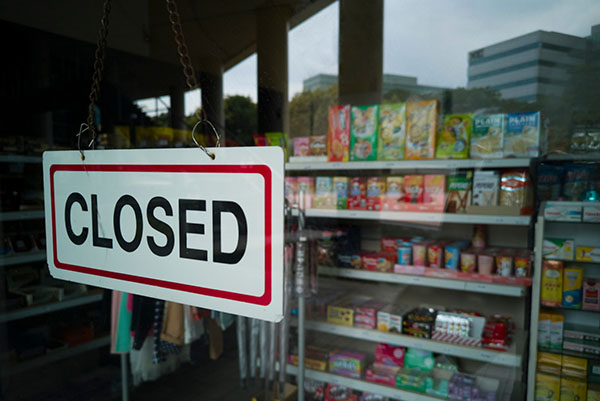
    Since June 5, South Australia has issued 100 28-day closure orders to stores selling illicit tobacco and vapes, seizing products valued at approximately A$50 million ($32.5 million), including 41 million cigarettes, 140,000 vapes, and 13,585 kg of loose tobacco. The closures are part of a state-led crackdown, supported by a A$16 million ($10.4 million) illicit tobacco taskforce targeting both metropolitan and regional outlets. Two long-term closures have already been issued, with five more pending in the Magistrates Court.

    The Malinauskas Government emphasized that the crackdown disrupts organized crime networks and enforces penalties of up to A$6.6 million ($4.3 million) for large-scale illicit sales, while landlords knowingly allowing such sales can face fines up to A$50,000 ($32,500).