Category: News This Week

  • Indonesia’s Tobacco Excise Policy is Public Health Puzzle

    Indonesia’s Tobacco Excise Policy is Public Health Puzzle

    Indonesia’s tobacco excise system is generating record revenue but struggling to curb smoking, highlighting a policy at odds with itself, wrote Hafiz Arfyanto for The Jakarta Post. The government employs a complex nine-tier excise structure designed to balance four national goals: reduce cigarette consumption, maximize revenue, protect tobacco industry jobs, and combat the illegal cigarette trade. While well-intentioned, this multilayered approach has led to unintended consequences, undermining health objectives and limiting revenue growth, he said.

    Last year, tobacco excise brought in Rp 215.3 trillion ($12.9 billion), accounting for nearly 96% of total excise revenue, yet the country still has one of the highest numbers of smokers worldwide. A major challenge is “downtrading,” where smokers switch from premium brands to cheaper cigarettes in lower excise tiers instead of quitting. This behavior keeps consumption high despite higher prices and creates wide price gaps between products, weakening the excise system’s ability to improve public health.

  • FDA’s Makary Wants Retailers to Crack Down on Illegal Nicotine Products

    FDA’s Makary Wants Retailers to Crack Down on Illegal Nicotine Products

    The U.S. Food and Drug Administration (FDA) Commissioner Dr. Marty Makary issued a statement today (September 30) announcing that the organization is launching a nationwide initiative to boost compliance among retailers that sell vaping products, part of a broader effort to address the rise of youth vaping. The campaign is scheduled to reach more than 300,000 stores, including vape shops, gas stations, and convenience stores.

    According to the FDA, as much as 54% of vaping products sold in the United States are illegal, many flavored with fruit or candy, or packaged with gimmicks like built-in video games and Bluetooth speakers. None of these products are authorized for sale, and regulators warn they often contain toxic chemicals such as formaldehyde, lead, and acrolein.

    To help retailers comply, the FDA is mailing educational packets that include a list of the 39 e-cigarettes and 20 nicotine pouches legally allowed on the market, along with QR codes linking to real-time updates online. Retailers will also receive information about the new Searchable Tobacco Product Database, covering more than 17,000 authorized products across all categories, plus a calendar of compliance reminders such as enforcing the minimum age of 21 and checking photo IDs.

    “We know that most businesses want to follow the law,” Makary said in the statement. “The purpose of this initiative is to help retailers better understand relevant laws and regulations, removing any excuses for noncompliance. We are particularly interested in increasing compliance around the distribution and sale of illegal vaping products, which are often marketed to, and widely consumed by, American teens.”

    Mailings will begin this fall, and additional free resources are available through the FDA’s Tobacco Education Resource Library.

    “Retailers are on the front line of protecting youth and young adults from the dangers of nicotine addiction, and we urge them to take this responsibility seriously by swiftly pulling illegal e-cigarettes from their store shelves,” said Kathy Crosby, CEO of Truth Initiative, who points out that illicit products are cheap and easier to get than ever. “Voluntary compliance is important, but it’s imperative that the FDA do more to hold those retailers, distributors and manufacturers who continue to break the law accountable.”

    Read the entire FDA statement here.

  • PMI Pushes Smoke-Free, Green Agenda in Egypt

    PMI Pushes Smoke-Free, Green Agenda in Egypt

    Philip Morris International (PMI) is deepening its commitment to a smoke-free future in Egypt through strategic investments, scientific research, and environmental initiatives, the company said. The company’s local unit, Philip Morris Misr, is rolling out heated tobacco devices such as IQOS and expanding operations via its licensed partnership with United Tobacco Company, while also positioning sustainability at the core of its business model.

    Managing Director Ali Nevzat Karaman told Daily News Egypt that PMI has invested $14 billion in smoke-free innovation since 2008, with nearly all of its R&D now dedicated to alternatives to cigarettes. Smoke-free products—including heated tobacco, nicotine pouches, and e-vapor—account for 41% of PMI’s global revenues. In Egypt, IQOS has gained traction in Greater Cairo since its launch in 2021, with the newest model, Iluma i, introduced in June 2025.

    Karaman also highlighted PMI’s sustainability programs, including recycling initiatives that repurpose waste from heated tobacco devices and tobacco sticks. He said Egypt and the Levant region are central to PMI’s global transformation, stressing that the company’s mission is not only to replace cigarettes with scientifically substantiated alternatives, but also to reduce its environmental footprint.

  • Health Minister: Tobacco Black Market ‘Thriving’ Across Australia

    Health Minister: Tobacco Black Market ‘Thriving’ Across Australia

    Australia’s illicit tobacco trade has spiraled out of control, Health Minister Mark Butler warned, describing it as the country’s biggest threat to public health. He said organized crime has seized control of the multi-billion-dollar market, with violence, arson, and gang turf wars now common, and that the illegal trade also bankrolls other criminal activity, including drug and sex trafficking.

    The surge comes amid a decade of steep cigarette tax increases, which pushed the duty on a pack from A$10.62 in 2015 to A$28 ($7.01 to $18.48) today. While intended to reduce smoking, the policy has backfired according to officials: federal excise revenue has fallen, and the Australian Medical Association warns that smoking rates may be creeping up again. Experts say the black market now dwarfs legitimate sales, leaving policymakers struggling to strike a balance between public health and crime prevention.

    Butler said enforcement, rather than tax policy, is the real challenge, pointing out that criminal gangs can produce cigarettes for a fraction of the legal price, leaving Australia caught between soaring taxes and a thriving underground market. State leaders and opposition politicians are calling for urgent action. NSW Premier Chris Minns described repeated tax hikes as “feeding the illicit tobacco market,” while Shadow Health Minister Anne Ruston accused the federal government of weak leadership.

    “It is his government who has sat on its hands and allowed the black market to thrive due to their inaction and weak leadership,” Ruston said. “It is a clear indictment on the health minister, and his government, that it has taken this long for them to realize the extent of the problem.”

  • Malaysia to Enforce Tobacco Display Ban This Week

    Malaysia to Enforce Tobacco Display Ban This Week

    Restaurants and retail outlets across Klang Valley, Malaysia, are racing to comply with the upcoming tobacco display ban that takes effect October 1 under the Control of Public Health (Control of Sale) Regulations 2024. Operators have been covering cigarette shelves with shutters, tinted glass, and steel panels, while some businesses have chosen to stop selling tobacco products altogether.

    Industry associations say most members are on track, though challenges remain for smaller operators. “Some smaller operators may face challenges in terms of space and storage, but overall, members are aware that enforcement begins October 1, and are preparing accordingly,” said Datuk Jawahar Ali Taib Khan, president of the Malaysian Muslim Restaurant Owners’ Association, which represents about 3,500 operators. The Petaling Jaya Coffeeshop Association added that shutters supplied by tobacco companies helped speed compliance, though design preferences vary.

    While operators brace for the ban, some anticipate a dip in cigarette sales and call for clearer guidelines and enforcement against illicit products. “Hopefully, the government will conduct frequent inspections to prevent the sale of illegal cigarettes as well,” Jawahar said. More than 51,000 shops nationwide will be affected by the new ruling.

  • Illicit Cigarettes Grip Majority Share in Pakistan

    Illicit Cigarettes Grip Majority Share in Pakistan

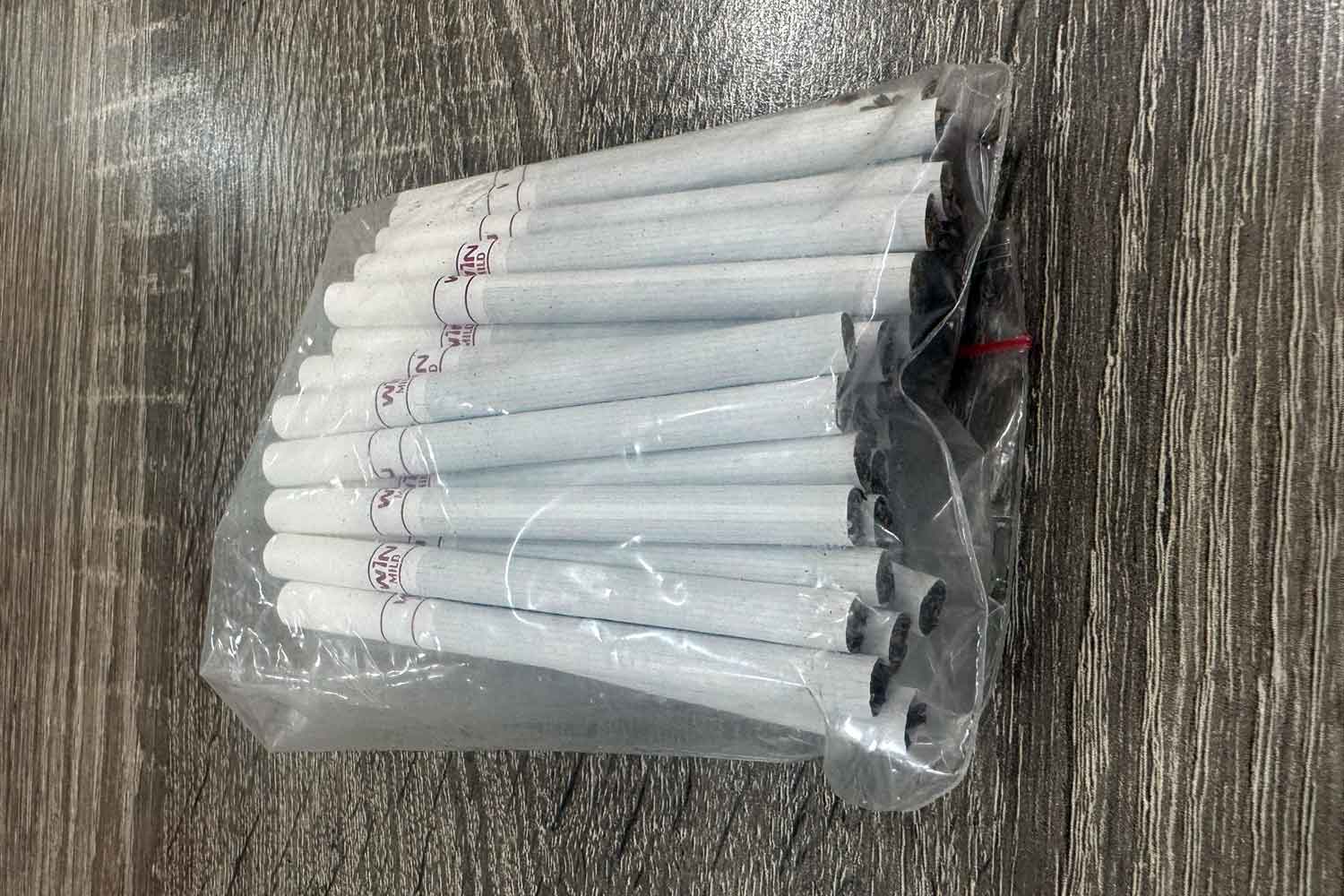
    Pakistan’s tobacco industry is facing a mounting crisis as illicit cigarettes now account for an estimated 56–58% of the market, costing the government more than Rs400 billion ($1.4 billion) annually in lost tax revenue. Legal tobacco companies, which contribute nearly Rs270 billion ($945 million) in taxes each year, have seen their market share plummet amid growing competition from counterfeit and untaxed products.

    Industry experts point to weak enforcement of Pakistan’s Track & Trace system, a digital tax-stamp program meant to monitor production and sales. While Prime Minister Shehbaz Sharif has directed authorities to accelerate its rollout, implementation remains inconsistent, allowing fake and unregistered brands to flourish and evade minimum pricing rules and taxation.

    Analysts warn that without decisive action, illicit trade will continue to destabilize the economy and undermine legitimate businesses. They recommend tighter border controls, stronger retailer-level enforcement, and harsher penalties for smuggling and counterfeiting. “Educating retailers on how tax stamps work and how to verify legal products is also crucial in preventing the spread of untaxed goods,” said macroeconomic analyst Osama Siddiqui.

  • Ireland to Ban Tobacco and Vape Vending Machine Sales

    Ireland to Ban Tobacco and Vape Vending Machine Sales

    Beginning today (September 29), Ireland will ban the sale of tobacco and nicotine inhaling products from self-service and vending machines under new rules contained in the Public Health (Tobacco Products and Nicotine Inhaling Products) Act 2023. Minister for Health Jennifer Carroll MacNeill said the measure will cut off a source of easy access for minors, calling it “another significant milestone” in the government’s tobacco control policy and Tobacco Endgame strategy.

    Minister of State for Public Health, Wellbeing and the National Drug Strategy Jennifer Murnane O’Connor stressed that the legislation aims squarely to protect children. “We are cutting off an avenue of easy access that has been shown to contribute to early experimentation and long-term addiction,” she said, adding that prevention is central to building a healthier Ireland. The Health Service Executive confirmed that Environmental Health Officers will conduct nationwide inspections to monitor compliance.

    The measure aligns Ireland with two-thirds of Parties to the World Health Organization Framework Convention on Tobacco Control, which recommends banning vending machine sales as a form of advertising and promotion.

  • Italy Busts Largest Counterfeit Cigarette Factory

    Italy Busts Largest Counterfeit Cigarette Factory

    Italian customs seized over 150 tons of counterfeit cigarettes from what authorities say is the country’s largest illegal factory, located near Cassino. The 1,600-square-meter underground facility produced an estimated 2.7 billion cigarettes annually and was hidden behind a sophisticated hydraulic mechanism in a logistics warehouse.

    The bunker included three production lines, a ventilation system, and living quarters for workers. Officials estimate the operation generated over €900 million ($1.1 billion) annually, with €600 million in evaded taxes uncovered so far. Several suspects have been identified, and one person has been arrested.

  • Indonesia Working Against Illegal Cigarettes

    Indonesia Working Against Illegal Cigarettes

    The Indonesian government is preparing a new regulation to curb the spread of illegal cigarettes, particularly those sold without excise bands, Deputy Minister of Industry Faisol Riza announced today (September 29). The plan will be accompanied by an expansion of Tobacco Products Industry Zones (KIHT) to more regions, an initiative that aims to attract illegal cigarette producers into these zones, encouraging them to operate legally under the tax-paying system.

    Data from the Ministry of Industry shows illegal cigarettes rose from 3% of total cigarette volume in 2019 to 6.9 percent in 2023, with machine-rolled clove cigarettes (SKM) making up the bulk of untaxed products. Riza warned that the illegal trade is hurting the domestic tobacco industry, causing idle machinery, reduced production, layoffs, and a negative impact on workers’ welfare.

    Indonesian smokers’ sensitivity to price has fueled demand for cheaper, untaxed cigarettes, the minister said. “A conducive business climate can only be realized if all parties, including the public, work together to eradicate the circulation of illegal cigarettes,” Riza said. The government emphasized that tackling illegal trade is essential to protecting legal producers and sustaining jobs within the sector.

  • EU Tobacco Tax Plan Faces Fierce Pushback

    EU Tobacco Tax Plan Faces Fierce Pushback

    The European Commission’s plan to overhaul tobacco taxation has sparked sharp opposition from member states, farmers, and industry groups, who warn it could devastate rural economies, fuel illicit trade, and hand China greater leverage over Europe’s tobacco supply chain. The July 2025 proposals — the first major update to EU tobacco tax rules since 2010 — would harmonize excise duties on heated tobacco, e-liquids, and nicotine pouches, while also bringing raw tobacco under customs tracking. A new “TEDOR” mechanism would redirect 15% of national tobacco excise revenue to the EU budget, raising an estimated €11 billion annually.

    France and the Netherlands have seen illicit trade soar, with untaxed products making up nearly 40% of consumption in France. Sweden, Portugal, and southern European producers are leading resistance, citing threats to tens of thousands of farming jobs.

    The Commission insists the reforms are vital to protect public health and modernize the single market, but unanimity in the Council will be required to push the package through by 2028.