Category: Business & Finance

  • Universal Appoints Gregory Friedman to Board

    Universal Appoints Gregory Friedman to Board

    Universal Corp. appointed Gregory R. Friedman to its Board of Directors, effective Nov. 4. Friedman most recently served as chief financial officer of Mura Technology, an international plastics recycling company. He previously was executive vice president and CFO of Corteva, where he helped lead the company’s separation from DowDuPont and its establishment as an independent publicly traded company. Earlier, he held several senior financial positions at DuPont, including CFO of its Pioneer agricultural seed business.

    Friedman also served on the board of Radius Recycling, including its Audit and Compensation and Human Resources committees. Universal Chairman, President and CEO Preston D. Wigner said Friedman’s experience in global agriculture, capital allocation, financial markets, and corporate governance would bring valuable perspective to the board.

    Source: Universal Corp.

  • Universal Declares Quarterly Dividend, Authorizes $100M Share Repurchase

    Universal Declares Quarterly Dividend, Authorizes $100M Share Repurchase

    Universal Corporation’s board of directors declared a quarterly dividend of $0.83 per share, payable Feb. 1, 2027, to shareholders of record Jan. 11. The board also authorized a share repurchase program of up to $100 million. Purchases may be made through open-market or privately negotiated transactions at prices not exceeding prevailing market rates. Universal has approximately 24.9 million common shares outstanding.

  • PM Egypt Raises Prices for Second Time in 2026

    PM Egypt Raises Prices for Second Time in 2026

    Philip Morris Egypt increased prices across its cigarette and heated tobacco portfolios effective Nov. 5, marking its second price adjustment of 2026 following an increase in February. Under the new price list, Merit cigarettes cost EGP 121 ($2.30) per pack, Marlboro EGP 109 ($2.07), Marlboro Crafted EGP 79 ($1.50), and L&M EGP 88 ($1.67). Heated tobacco products are priced at EGP 88 for TEREA, EGP 93 ($1.77) for TEREA Capsules, and EGP 69 ($1.31) for HEETS. The company said prices are displayed through QR codes on product packaging and urged retailers and distributors to comply with the updated list.

  • Curaleaf Maintains Aurora Takeover Bid After Organigram Proposal

    Curaleaf Maintains Aurora Takeover Bid After Organigram Proposal

    Curaleaf Holdings said its Oct. 6 enhanced offer to acquire all outstanding shares of Aurora Cannabis remains outstanding following Aurora’s announcement of an alternative transaction with Organigram Global. Curaleaf said it would review the proposal but is awaiting details, including any break fee, future board and management composition, and investor rights for Organigram shareholder BAT.

    Curaleaf maintains that its offer provides greater value, closing certainty, and anticipated synergies. The company criticized Aurora’s board for granting Organigram due diligence access while denying Curaleaf access, arguing that the decision prevents a potentially improved bid and breaches the board’s fiduciary duties.

  • China Tobacco Reports No Share Changes

    China Tobacco Reports No Share Changes

    China Tobacco International (Hong Kong) Ltd. reported no changes to its issued share capital in October, according to its monthly securities return filed with the Hong Kong Stock Exchange on Nov. 2. As of Oct. 31, the company had 691.68 million ordinary shares outstanding and no treasury shares. The company also confirmed that it met the applicable 25% public float requirement. No changes involving share options, warrants, convertible notes, or other share issuance arrangements were reported.

  • UK Pouch Sales Grow 57% in Convenience Stores

    UK Pouch Sales Grow 57% in Convenience Stores

    The UK nicotine pouch market reached nearly £250 million and is growing 46%, according to Circana figures cited by Talking Retail. Although supermarkets account for most sales, convenience stores are the fastest-growing retail channel, with pouch volumes increasing 57% over the past 12 months. Scandinavian Tobacco Group (STG) UK and Imperial Brands, which market the XQS and Zone brands, respectively, report strong retail demand. STG’s XQS sells for £5.50 per can, while Imperial’s Zone has a recommended retail price of £6.50.

    Imperial figures show that pouches with nicotine strengths of 9.1 mg to 12 mg account for nearly 41% of category sales by volume, while mint flavors represent 64.8%, followed by berry at 14.3% and tropical at 10%. STG and Imperial are encouraging convenience retailers to stock a range of flavors and strengths and provide staff training on product selection and age verification. Imperial cited a forecast that UK nicotine pouch volumes could grow 234% over the next five years.

  • Organigram to Acquire Aurora Cannabis with BAT Support

    Organigram to Acquire Aurora Cannabis with BAT Support

    Organigram Global agreed to acquire Aurora Cannabis for C$7.80 per share ($5.54), valuing Aurora at approximately C$561 million ($398.3 million) on a fully diluted equity basis. The offer represents a 93% premium to Aurora’s Aug. 10, unaffected share price and a 21% premium to Curaleaf’s unsolicited hostile takeover bid, which Aurora’s board unanimously rejected. Aurora shareholders can elect to receive cash, Organigram shares, or a combination of both, subject to proration. The transaction is expected to close in January 2027, pending shareholder, regulatory, and court approvals.

    British American Tobacco, through its wholly owned indirect subsidiary BT DE Investments Inc., is Organigram’s strategic shareholder and holds 30% of its voting rights. BAT has agreed to invest C$187.5 million ($133.1 million) in Organigram through a concurrent private placement of 141 million shares at C$1.33 each ($0.94), with proceeds helping finance the cash portion of the acquisition. BAT has also entered into an irrevocable voting agreement supporting the transaction. The combined company will operate five EU-GMP-certified production and distribution facilities and expects to generate more than C$50 million ($35.5 million) in synergies. Aurora shareholders are expected to hold approximately 35% of the combined company’s economic ownership and 42% of its voting rights.

  • Turning Point Brands Declares Quarterly Dividend

    Turning Point Brands Declares Quarterly Dividend

    Turning Point Brands declared a regular quarterly dividend of $0.08 per common share, payable Jan. 8, 2027, to shareholders of record as of Dec. 18, 2026. The company’s brand portfolio includes Zig-Zag, Stoker’s, FRE, and ALP.

  • BAT Launches Dual-Flavor VELO Pouches in Sweden

    BAT Launches Dual-Flavor VELO Pouches in Sweden

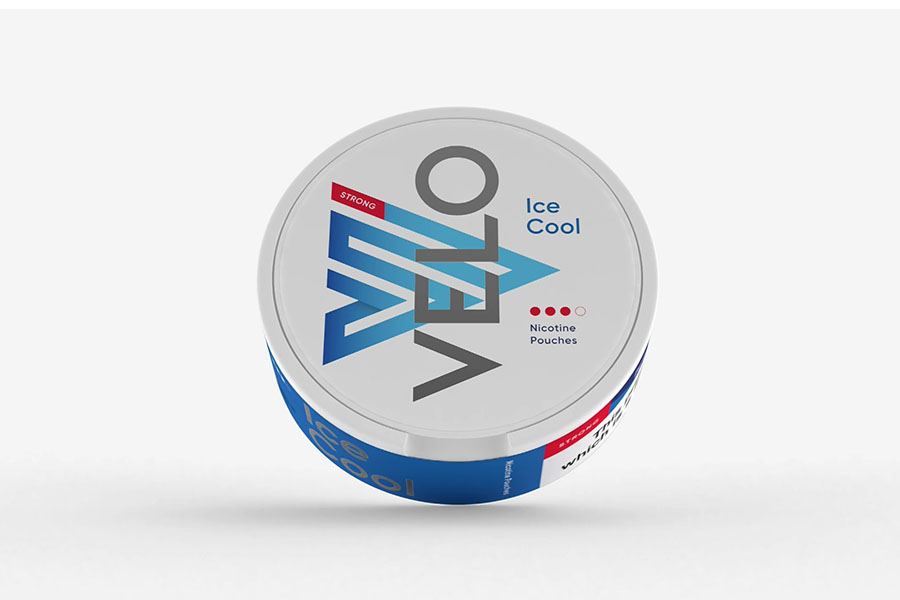
    British American Tobacco launched VELO WRKS in Sweden, a new nicotine pouch line featuring cans divided into two compartments, each containing a different flavor, on Nov. 2. The first release, called Drop 1, includes three combinations: Raspberry Lime/Strawberry Basil; Tropical Orange/Lemongrass Ginger; and Cardamom Bread/Red Miso. Each can contains 20 tobacco-free pouches, with 10 in each compartment, and delivers 8 milligrams of nicotine per pouch.

    The products are priced at SEK 52.99 ($5.10) per can, with discounts for multipack purchases. BAT describes WRKS as a platform for new product ideas and flavor combinations.

  • ITC Profit Falls 20% Under Pressure from Taxes, Input Costs

    ITC Profit Falls 20% Under Pressure from Taxes, Input Costs

    India’s ITC reported a 20% year-over-year decline in quarterly profit to 41.37 billion rupees ($455.1 million) for the three months ended Sept. 30, as higher cigarette taxes, price increases, and rising raw material costs pressured its tobacco business. Profit from its cigarette segment fell more than 25%, with the company attributing weaker industry volumes to an “unprecedented increase in tax.” Cigarette manufacturers, including ITC and Godfrey Phillips India, have raised prices in recent months following the introduction of a new cigarette excise duty in India. ITC said material costs increased 15% because of sharp input cost escalation linked to the fallout from the Middle East war.

    Despite the decline in profit, ITC’s total revenue increased 46% to 283.18 billion rupees ($3.1 billion), supported by demand for its consumer goods businesses and higher prices. The company said demand remained resilient in rural and urban markets but warned that uneven monsoon conditions and strengthening El Niño conditions could affect agricultural production and inflation. ITC shares have lost more than one-third of their value over the past year, compared with a 9% decline in India’s Nifty 50 index.