Category: Global Regulation

  • Turkmenistan Ramps Up Tobacco Ban Ahead of 2025 Deadline

    Turkmenistan Ramps Up Tobacco Ban Ahead of 2025 Deadline

    Turkmenistan is pushing to go tobacco-free by the end of 2025, forcing its few smokers underground with bans, high taxes, and fines of up to 200 manats ($57). Cigarettes now cost $14–$49 a pack — up to 11% of the average monthly salary — with many buying single sticks from kiosks supplied by neighboring countries.

    According to the WHO, only 4% of the Central Asian nation’s residents smoke.

    While authorities stage cigarette burnings and televised pledges to quit, residents say tobacco won’t vanish but will move to the black market.

  • Taiwan Groups Accuse HPA of Undermining Tobacco Control

    Taiwan Groups Accuse HPA of Undermining Tobacco Control

    The Alliance of Banning Cigarettes Taiwan and parent groups accused the Health Promotion Administration (HPA) of undermining tobacco control by greenlighting 14 products recently without disclosing details on brands, devices, or flavor additives, despite Taiwan’s flavored tobacco ban.

    Warning that illegal online ads for newly approved heated tobacco products threaten students’ health, parents cited dozens of websites and social media channels openly promoting flavors, fast delivery, and new models.

    The HPA defended its approvals as based on risk assessments and promised stricter enforcement, including fines up to NT$25M ($766,000) for illegal online sales and penalties for retailers selling to underage patrons.

  • Hong Kong Tobacco Inspectors to Wear Body Cameras

    Hong Kong Tobacco Inspectors to Wear Body Cameras

    Hong Kong’s Tobacco and Alcohol Control Office will equip inspectors with body cameras starting today (August 20) as they enforce the city’s smoking ban. The move comes after fixed penalty notices for smoking offences rose nearly 31% last year, with 13,488 citations. New enforcement measures, including plain-clothes officers and extended surveillance, have been credited with the increase in penalties.

    The Department of Health said cameras will document enforcement activities and conflicts, with individuals notified before recording. Footage without evidential value will be deleted after 31 days.

    Lawmakers are also reviewing broader anti-smoking proposals, including expanded non-smoking zones near entrances to schools, hospitals, and elderly homes, a ban on public use of alternative smoking products from April 2026, and restrictions on flavored tobacco sales from mid-2027.

  • FDA Denies Marketing for blu Disposable E-Cigarette

    FDA Denies Marketing for blu Disposable E-Cigarette

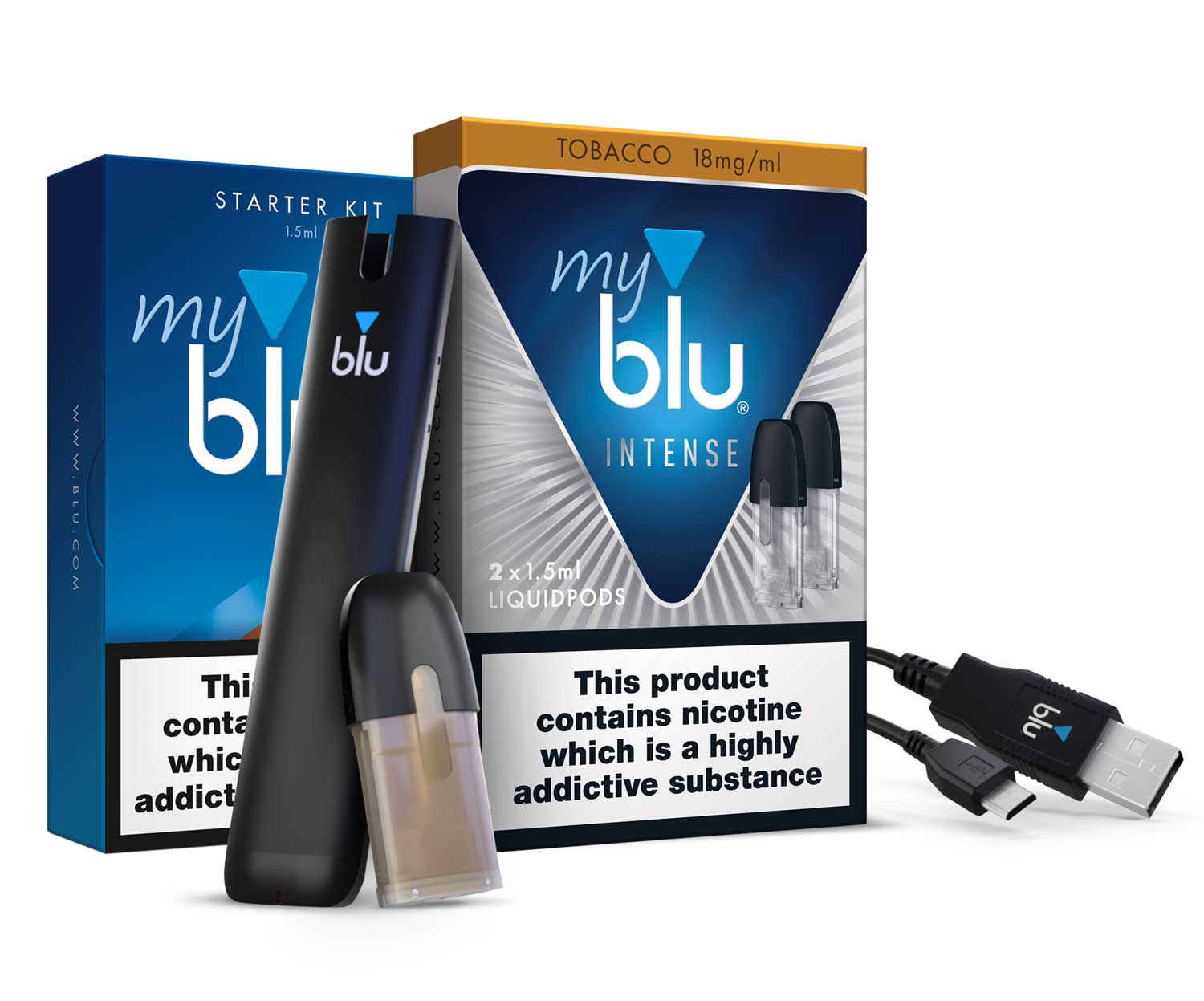
    Today (August 19), the U.S. Food and Drug Administration (FDA) issued a Marketing Denial Order (MDO) for Fontem US, LLC’s blu Disposable Classic Tobacco 2.4% e-cigarette, prohibiting its marketing or sale in the United States. The decision bars the product due to insufficient evidence that it would help adult smokers quit cigarettes—and raises concerns about dual use increasing overall toxicant exposure. FDA emphasized that only e-cigarettes supported by robust evidence showing reduced harm or smoking cessation benefits have been granted market authorization.

    “While FDA-authorized e-cigarettes are a lower-risk alternative for adults who smoke cigarettes – especially if they completely switch – not all e-cigarettes are equal,” said Bret Koplow, acting director of the FDA’s Center for Tobacco Products. “FDA’s rigorous scientific review ensures authorized e-cigarettes provide a net benefit to public health.

    “In this case, the company did not provide sufficient evidence of a benefit that outweighs the risk, particularly given evidence that adults who smoke generally do not stop or significantly curtail consumption of cigarettes when using this product.”

    Tobacco products that receive an MDO from the FDA may not be introduced or delivered for introduction into interstate commerce and must be removed from the market. Manufacturers, distributors, and retailers who sell or distribute this product in interstate commerce are violating the law and are at risk of enforcement action. The company may submit a new application for the product subject to this MDO.

    Industry observers interpret today’s decision as part of an increasingly stringent FDA posture, where even incumbent market players face rejection unless they clearly demonstrate both consumer and public health benefits. FDA-authorized products to date are limited to those with compelling evidence, and remain largely within tobacco-flavored, closed-system formats

    Fontem joins smaller U.S.-based e-cigarette companies ECS Global, Texas Select Vapor, Fumizer, and American Vapor Inc. that received MDOs in the last month.

    See the FDA’s notification.

  • Singapore to Treat Vaping as a Drug Offence, CAPHRA Objects

    Singapore to Treat Vaping as a Drug Offence, CAPHRA Objects

    Singapore will impose tougher nationwide enforcement against vaping, treating it as a drug issue with severe penalties with offenders facing possible jail sentences, Prime Minister Lawrence Wong said during his National Day Rally on Aug 17. Wong said the government is acting due to rising cases of e-vaporizers laced with harmful substances, particularly etomidate, which has been linked to seizures and erratic behavior.

    Authorities reported a sharp rise in seizures, with the Health Sciences Authority (HSA) confiscating S$41 million ($32 million) worth of e-vaporizers between January 2024 and March 2025, compared to just S$95,460 ($74,500) in 2019. This includes 28 cases of etomidate-laced pods in the first half of 2025, nearly triple the number detected in 2024.

    Under the planned changes, etomidate will be listed as a Class C controlled drug, subjecting users to mandatory rehabilitation programs and repeat offenders to jail terms. Sellers and importers face penalties of up to 20 years in prison and caning.

    The Coalition of Asia Pacific Tobacco Harm Reduction Advocates (CAPHRA) criticized Singapore’s decision to treat vaping as a drug offence, warning that harsher penalties and jail terms risk undermining global evidence on tobacco harm reduction.

    CAPHRA executive coordinator Nancy Loucas said the policy conflates contaminated black-market products with legitimate nicotine devices. “This is like banning all alcohol because some criminals sell methanol-laced spirits,” she argued, adding that prohibition will only fuel underground markets while denying smokers access to safer alternatives.

    Singapore banned e-cigarettes in 2018, yet smoking rates have remained stagnant at 10–16% for over a decade despite strict tobacco control. CAPHRA said countries regulating safer nicotine products, including the UK, Sweden, Japan, and New Zealand, are seeing steep declines in smoking-related deaths, urging Singapore to embrace regulation over prohibition.


  • Türkiye Launches First Smoke-Free City in Artvin

    Türkiye Launches First Smoke-Free City in Artvin

    Türkiye designated the Black Sea town of Artvin as the country’s first pilot “smoke-free city” in its latest effort to curb tobacco use, Health Minister Kemal Memişoğlu announced. The initiative will ban smoking in public institutions, expand support for the national quit-smoking hotline ALO 171, and provide free medication for those trying to quit. Authorities also plan strict enforcement against electronic cigarettes and puff products.

    The project is expected to be rolled out nationwide if successful. According to the Turkish Anti-Smoking Association, Türkiye spends about $20 billion annually on cigarettes, while tobacco-related diseases account for roughly 9% of health expenditures.

  • BAT France Wants Coordinated EU Approach on Nicotine Pouch Regulation

    BAT France Wants Coordinated EU Approach on Nicotine Pouch Regulation

    In response to the European Commission’s proposal last month to include nicotine pouches under the Tobacco Excise Duty Directive, BAT France said it welcomed the initiative, marking the first time these tobacco-free alternatives were recognized in EU taxation. However, while acknowledging the move as a positive step for adult smokers seeking reduced-risk products, BAT France warns against two major risks: disproportionate taxation that could limit access, and the possibility of some member states, including France, acting unilaterally to ban these products.

    “It is important that nicotine pouches are recognized in European law,” said Sébastien Charbonneau, director of public affairs at BAT France. “But it is essential to adopt a differentiated tax approach that reflects their potential role in reducing risks for smokers.”

    BAT France highlighted Sweden’s experience, where nicotine pouches have contributed to one of the lowest smoking rates in Europe. The company stressed that excessive excise duties and unilateral bans could undermine public health goals, create trade barriers, and fuel illicit markets.

    The company called for risk-proportionate taxation, transparent parliamentary debate in France, and a coordinated EU-wide regulatory approach to support reduced-risk alternatives while respecting the single market and democratic process.

  • Malaysia Rules Out Generational Endgame, Focuses on Regulation

    Malaysia Rules Out Generational Endgame, Focuses on Regulation

    Malaysia’s Health Ministry confirmed it has no plans to reinstate the Generational Endgame (GEG) policy, which would have banned tobacco and vape sales to those born after 2007. Instead, the ministry said its focus is on enforcing strict regulatory measures under the Smoking Products Control for Public Health Act 2024.

    These measures include mandatory product registration, bans on advertising and sponsorship, tighter sales controls, and expanded smoke-free zones. Officials said the priority is to shield young people from smoking harms through regulation rather than a generational ban. The GEG policy, first proposed in 2022, was dropped before the bill passed Parliament.

  • Roanoke Weighs $20K Annual Fee for Vape, Tobacco Shops

    Roanoke Weighs $20K Annual Fee for Vape, Tobacco Shops

    The City Council in Roanoke, Virginia, is considering a $20,000 annual operational fee for specialty tobacco and vape shops operating within the city limits. The fee would specifically target businesses primarily profiting from vape, tobacco, THC, and related products, meaning gas stations and convenience stores would be exempt.

    Councilman Phazon Nash says the measure would promote public health and fund economic development programs, while Councilman Peter Volosin cautions against possible discrimination if minority-owned businesses are disproportionately affected.

    The proposal is under review by the city manager and city attorney, with Nash confident it will gain enough support to pass.

  • Belgium Extends Plain Packaging to All Tobacco Products from 2026

    Belgium Extends Plain Packaging to All Tobacco Products from 2026

    Belgium will require cigars, cigarillos, cigarette papers, filters, tubes, and all other “herbal products intended for smoking” to adopt standardized green-brown packaging with uniform fonts and health warnings, Health Minister Frank Vandenbroucke announced. Effective June 1, 2026, the measure expands existing plain packaging rules for cigarettes and rolling tobacco, in place since 2020, to close loopholes that allow tobacco companies to market via other products. “Small retailers” would receive a one-year exception until June 2027.

    Vandenbroucke said the move aims to curb youth appeal and counter industry tactics, such as packaging cigarillos to resemble old cigarette packs. The government is also considering a ban on smoking on terraces from January 2026.