Blog

  • Meta, TikTok Scrutinized for Illegal Nicotine Ads in Australia

    Meta, TikTok Scrutinized for Illegal Nicotine Ads in Australia

    TikTok and Meta are facing scrutiny in Australia after the Brisbane Times reported that their platforms carried paid advertisements promoting illegal cigarettes and vapes, including products allegedly supplied through criminal networks. The report said Meta’s advertising library showed 460 unique ads for Chinese vape brand Alibarbar, with at least 93 active when the newspaper contacted the company, while ads for cigarette brands including Manchester and Double Happiness also appeared on TikTok and Meta platforms. Both companies said they took action against accounts and ads identified by the newspaper.

    Meta said tobacco and vape ads violate its policies and that it had removed the reported ads and accounts, while TikTok said the identified accounts had been permanently banned. The report also cited estimates that 95% to 98% of Australian vape sales are illegal and Australian Bureau of Statistics data showing illicit cigarettes and vapes accounted for 80% of the market in 2025, up from 12% in 2017.
  • Nion Launches Dissolvable Nicotine Strips in UK

    Nion Launches Dissolvable Nicotine Strips in UK

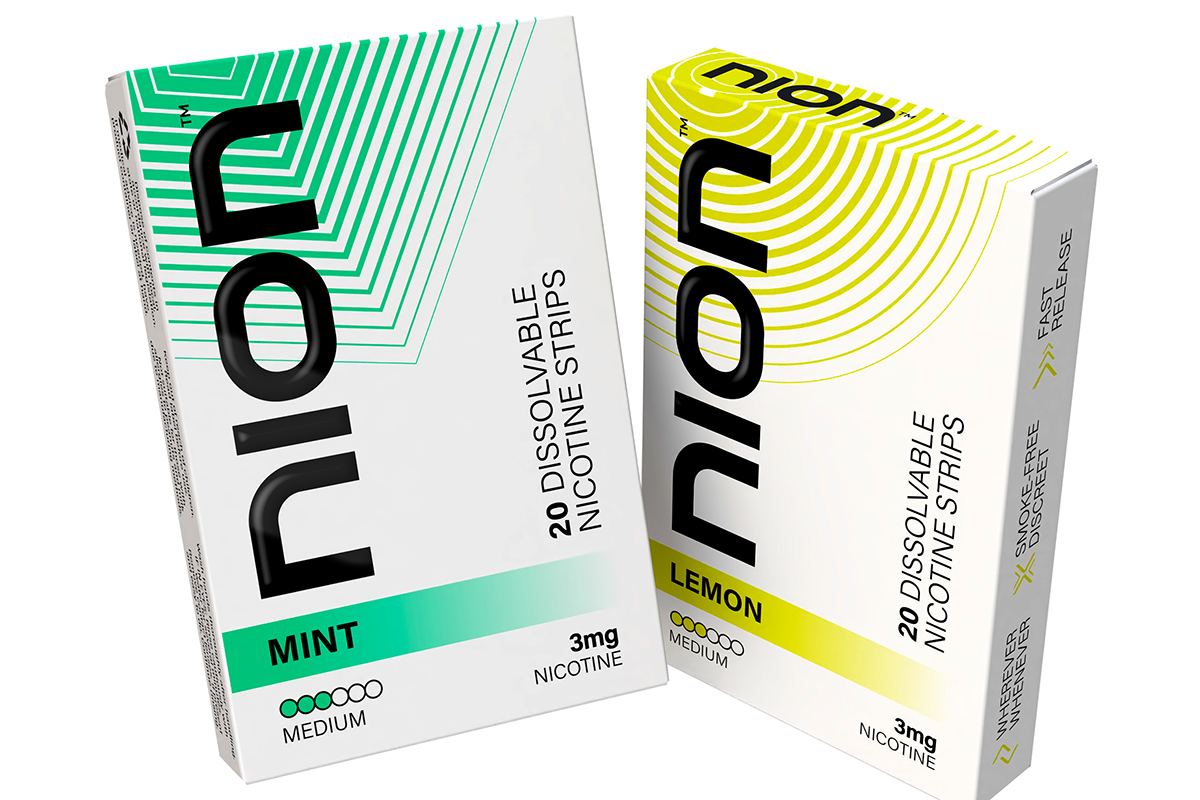
    Nion announced the launch of its dissolvable oral nicotine strips in the UK, initially being distributed in Manchester. Placed under the lip, the strips dissolve in about 10 to 15 minutes, requiring no device, charging, or disposal after use. The launch range includes Mint and Lemon flavors in three strengths — 1 mg, 3 mg, and 6 mg — with 20 individually wrapped strips per £5.99 pack.

    Nion said the product is designed as a discreet alternative to existing nicotine formats for adult users and will be available through selected convenience stores, kiosks, vape shops, tobacco retailers, and online retailers. As an oral nicotine product, Nion is outside UK’s Vaping Products Duty that will impose a £2.20-per-10ml duty on vaping liquid, plus VAT, beginning Oct. 1.

  • JTI Says Regulatory Gaps Fueling Illicit Trade in Philippines

    JTI Says Regulatory Gaps Fueling Illicit Trade in Philippines

    Japan Tobacco International (JTI) said regulatory and enforcement gaps are contributing to the movement of illicit tobacco across the Philippines’ borders, with criminal networks using maritime routes between Malaysia, Indonesia, and Mindanao. JTI Anti-Illicit Trade Operations Regional Director Valentin Dinca said illicit tobacco originating in China, the United Arab Emirates, Vietnam, Indonesia, and Cambodia moves through regional transit hubs including Malaysia, Singapore, and Thailand. In the Philippines, he identified Tawi-Tawi, Sarangani, and Zamboanga as key points for shipments arriving by sea before being redistributed domestically.

    JTI Philippines Director for Corporate Affairs and Communications Shaiful Mahpar called on ASEAN governments to align export-control requirements, increase intelligence sharing, and strengthen cross-border enforcement. JTI said a June operation with Philippine authorities led to the seizure of 23 containers of illicit cigarettes valued at about 1.7 billion pesos ($27.5 million). Mahpar said export shipments should comply with the destination market’s requirements, including tax stamps and graphic health warnings, to reduce opportunities for illicit trade.

  • Korea Weighs Raising Cigarette Prices as Smoking Rates Fall

    Korea Weighs Raising Cigarette Prices as Smoking Rates Fall

    South Korea is considering higher cigarette prices as conventional smoking rates continue to decline, according to The Seoul Economic Daily. The share of adults who smoke cigarettes fell to 17% in 2025 from 23.9% in 2016, according to the 2025 National Health and Nutrition Examination Survey released Sept. 30 by the Korea Disease Control and Prevention Agency. The smoking rate was 28% among men and 5.5% among women. The decline accelerated after the government raised the price of a pack to 4,500 won ($3.33) in 2015 from 2,500 won ($1.85).

    South Korea’s Ministry of Health and Welfare has included raising cigarette prices toward the OECD average as a medium- to long-term goal in its 6th National Health Promotion Master Plan for 2026-2030. Analysts say cigarette prices have since failed to keep pace with inflation, with consumer prices rising 22.8% since 2015 while cigarette prices remained unchanged. The average cigarette price across the 38 OECD member countries was 9,869 won ($7.30) in 2023, more than twice South Korea’s price.

  • Menthol Prolongs Nicotine Effects in Rats: Study

    Menthol Prolongs Nicotine Effects in Rats: Study

    New research published in ACS Chemical Neuroscience found that male rats exposed to menthol-containing e-cigarette aerosols experienced nicotine effects that were stronger and lasted longer than those observed in rats exposed to nicotine alone. Researchers from Daegu Haany University used 81 male rats to examine the effects of nicotine and menthol aerosols, measuring changes in body temperature, nicotine levels, and nicotine metabolism by-products after exposure.

    The study found that combining menthol and nicotine prolonged nicotine-induced reductions in body temperature, with differences remaining significant 120 minutes after exposure, and increased levels of certain nicotine by-products in the blood. The researchers said the findings indicate menthol may alter the intensity and duration of nicotine’s physiological and drug-cue effects rather than functioning solely as a flavor additive. The researchers plan to examine the underlying brain signaling mechanisms and whether the effects differ between male and female rats.

  • Kenyan State Agencies, Manufacturers Clash Over New Tobacco Rules

    Kenyan State Agencies, Manufacturers Clash Over New Tobacco Rules

    Kenya Revenue Authority, Anti-Counterfeit Authority, and tobacco manufacturers have taken opposing positions on proposed amendments to the country’s Tobacco Control Act, with government agencies seeking tighter controls on tobacco and emerging nicotine products. In contrast, manufacturers warn some measures could increase compliance costs and encourage illicit trade. The Anti-Counterfeit Authority is seeking greater powers to authenticate and trace tobacco and nicotine products, citing industry estimates that illicit cigarettes accounted for about 37% of Kenya’s market in 2025 and resulted in an estimated 9 billion Kenyan shillings in annual excise revenue losses. The Kenya Revenue Authority supports expanding the definition of tobacco products to include synthetic nicotine, nicotine analogues, electronic nicotine delivery systems and related liquids, as well as stronger approval and licensing requirements.

    The Kenya Association of Manufacturers (KAM) and BAT Kenya have raised concerns about proposals including county-level licensing of tobacco and nicotine businesses, restrictions on single-use plastics, flavor bans, and additional registration requirements. KAM said duplicative licensing requirements could increase administrative costs, while BAT said some restrictions could push consumers toward unregulated products.

  • Sen. Schumer Urges FDA to Crack Down on Illicit Chinese Vapes

    Sen. Schumer Urges FDA to Crack Down on Illicit Chinese Vapes

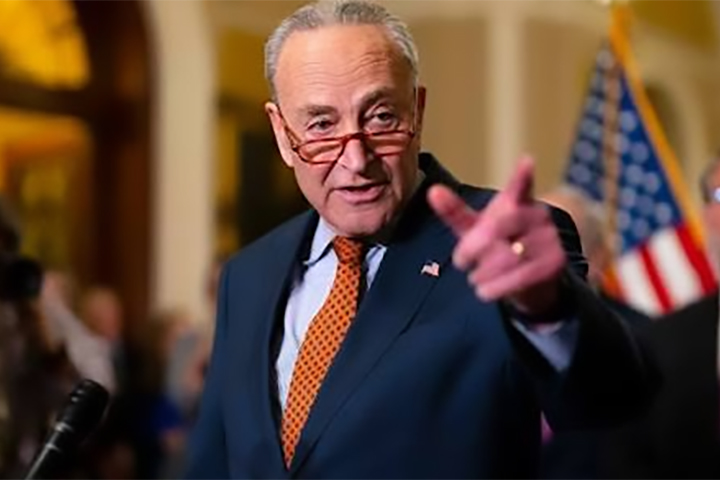
    New York Sen. Chuck Schumer is calling on the U.S. Food and Drug Administration to provide more information on how it identifies illicit nicotine products and investigate whether Chinese manufacturers are using chemical substitutes to evade FDA oversight. In a letter to acting FDA Commissioner Kyle Diamantas, Schumer also urged the agency to use its enforcement authorities to remove unlawful products from the market. He cited concerns that unauthorized products manufactured in China are entering the U.S. market and being marketed in ways that appeal to youth.

    Schumer cited estimates that unauthorized products account for 70% of U.S. e-cigarette sales, including more than 97% of disposable e-cigarette sales, and requested a response from the FDA within 30 days. He also raised concerns about FDA staffing and its ability to monitor illicit nicotine products following workforce reductions in 2025.

  • FDA Streamlines Tobacco Product Registration and Listing Process

    FDA Streamlines Tobacco Product Registration and Listing Process

    The U.S. Food and Drug Administration on Sept. 28 launched a redesigned Form FDA 3741 that consolidates establishment registration and product listing submissions for all regulated tobacco product categories, including cigarettes, e-cigarettes, smokeless tobacco, heated tobacco products, and oral nicotine products such as nicotine pouches. The change replaces two previously separate forms, Form FDA 3741 and Form FDA 3741a, and is intended to simplify the process for manufacturers by eliminating the need to determine which form applies to different product categories.

    The redesigned form includes a submission checklist that directs manufacturers to the sections relevant to their filing and allows companies updating existing registrations to change specific information without resubmitting unchanged sections. The FDA is also encouraging manufacturers to use the new Form FDA 3741b spreadsheet for initial product-list submissions or additions to existing product lists. Domestic tobacco product manufacturers must submit annual establishment registrations by Dec. 31, while product listings are due June 30 and Dec. 31 when manufacturers have made certain changes to their products or manufacturing operations.

    The FDA said manufacturers should submit the redesigned Form FDA 3741 electronically through its Tobacco Registration and Listing Module Next Generation (TRLM NG) system, although paper submissions remain available for companies unable to file electronically. Existing registrations and product listings will remain in TRLM NG, and manufacturers do not need to resubmit their entire registration because of the change. The previous versions of Forms FDA 3741 and 3741a have been retired, with existing TRLM NG users receiving prompts to update registration and product-listing information using the new format.

  • BAT Hosts Capital Markets Day

    BAT Hosts Capital Markets Day

    British American Tobacco hosted its Capital Markets Day for institutional investors and analysts today (Sept. 29) in Winston-Salem, North Carolina, outlining its Horizon 2030 strategy. Chief Executive Tadeu Marroco and members of BAT’s management team highlighted the company’s global multi-category nicotine portfolio and capabilities. BAT said it expects New Category revenue to grow at a mid-teens rate through 2030 and New Category contribution margin to reach at least 30% by 2030, driven by premiumization, improved product mix, increased scale, and more targeted resource allocation.

    BAT said it remains on track to deliver toward the lower end of its 3%-5% revenue growth and 4%-6% adjusted profit from operations growth targets for 2026, with adjusted diluted EPS growth toward the middle of its 5%-8% range, all at constant currency rates. The company also expects to reach its 2.0-2.5x target leverage range by year-end and said it expects a 2%-2.5% translational foreign-exchange headwind to 2026 adjusted diluted EPS growth based on current spot rates.

  • Riot Labs Says Open Letter from Health Orgs is Hypocritical

    Riot Labs Says Open Letter from Health Orgs is Hypocritical

    UK e-liquid maker Riot Labs is challenging proposed UK restrictions on vape packaging, appearance, and retail displays, arguing that requiring vape products to be hidden from view could discourage smokers from switching. The company’s comments follow an open letter circulated by the National Centre for Smoking Cessation and Training (NCSCT), with support from Action on Smoking and Health (ASH), calling on the government to implement proposed restrictions in full. The consultation closes Oct. 2.

    The proposals would require vape products to use plain white packaging, limit device colors to black, white, or gray, and require products to be kept out of sight at retail locations. Riot Labs Chief Executive Ben Johnson said the company supports measures including licensing vape retailers, stronger enforcement of age restrictions, and restrictions on youth-oriented packaging and marketing, but opposes applying tobacco-style display requirements to specialist vape shops. ASH’s consultation guide says it is concerned that a total display ban could undermine the role of vaping in smoking cessation, while also supporting the proposed restrictions.

    Riot Labs cited its own Freedom of Information research covering 21 Trading Standards services, which it said found substantial differences in the frequency of underage-sales testing. The company also cited ASH survey data showing that 61% of smokers who have never vaped believe vaping is as harmful as smoking or more harmful, compared with 27% in 2019. The NCSCT and ASH have separately cited public support for restrictions on youth-oriented vape packaging and marketing.