Blog

  • Supreme Court Grants Extension in Cannabis Industry Challenge to Federal Ban

    Supreme Court Grants Extension in Cannabis Industry Challenge to Federal Ban

    The U.S. Supreme Court gave marijuana companies more time to file their appeal challenging federal cannabis prohibition, extending the deadline from August 25 to October 24. Justice Ketanji Brown Jackson approved the 60-day extension request filed by Boies Schiller Flexner LLP, which represents Canna Provisions, Gyasi Sellers, Wiseacre Farm, and Verano Holdings.

    Attorneys said the additional time is necessary due to the “significant and complex constitutional issues” involved and to allow state governments, law professors, and advocacy groups to prepare supporting amicus briefs. The Justice Department did not oppose the extension.

    The case seeks to overturn the landmark 2005 ruling Gonzales v. Raich, which upheld Congress’s authority to enforce federal prohibition even against state-legal cannabis activity. Plaintiffs argue that modern developments, including state legalization and shifting federal enforcement policies, have undermined the ruling. While lower courts dismissed the challenge, industry advocates see the appeal as a potential vehicle for the Supreme Court to revisit the federal government’s stance on marijuana. Justice Clarence Thomas previously suggested that Raich should be reconsidered, criticizing the government’s “half-in, half-out” approach to cannabis enforcement.

    The petition would need support from at least four justices for the Court to hear the case.
  • FDA Denies Marketing for blu Disposable E-Cigarette

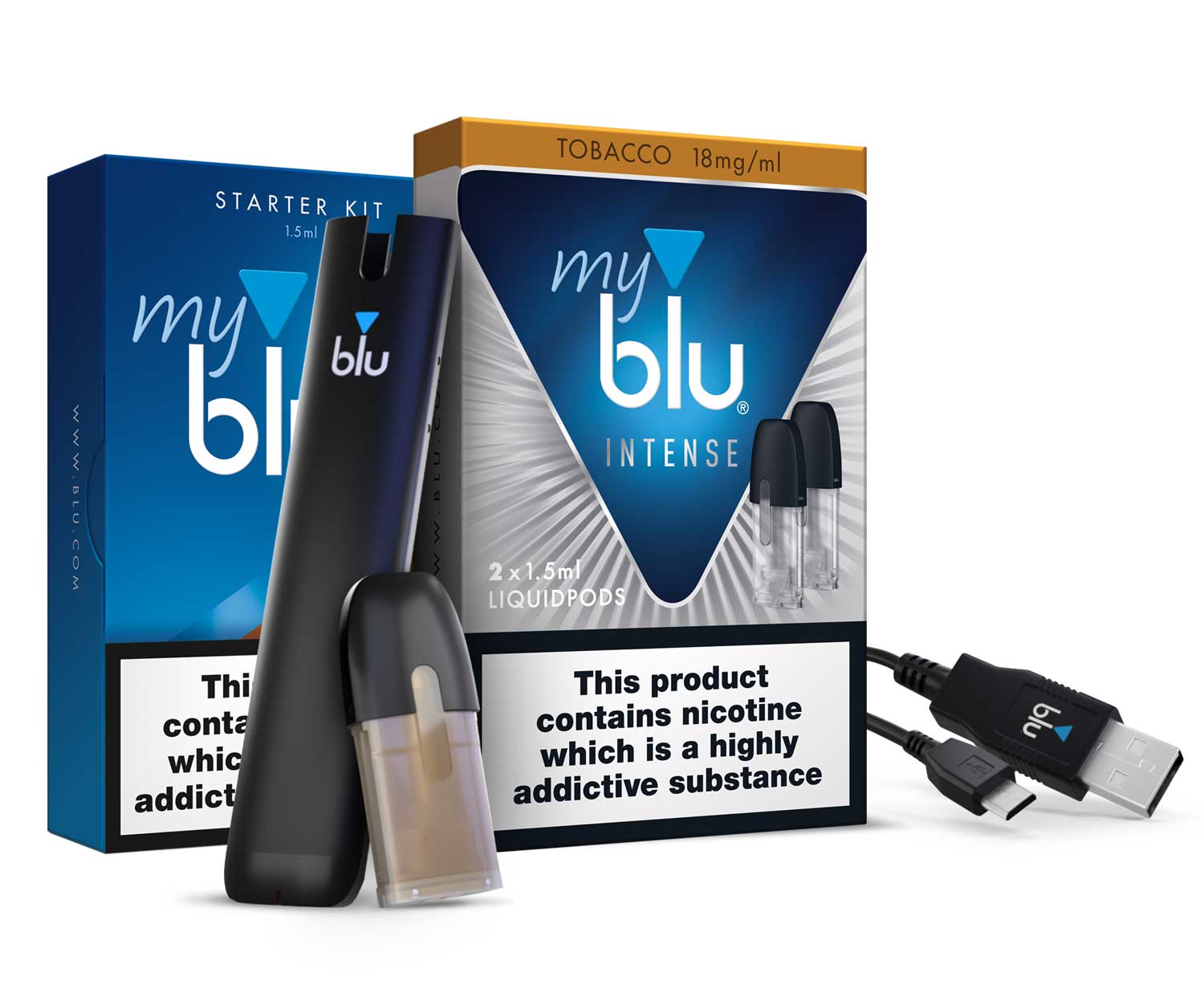
    FDA Denies Marketing for blu Disposable E-Cigarette

    Today (August 19), the U.S. Food and Drug Administration (FDA) issued a Marketing Denial Order (MDO) for Fontem US, LLC’s blu Disposable Classic Tobacco 2.4% e-cigarette, prohibiting its marketing or sale in the United States. The decision bars the product due to insufficient evidence that it would help adult smokers quit cigarettes—and raises concerns about dual use increasing overall toxicant exposure. FDA emphasized that only e-cigarettes supported by robust evidence showing reduced harm or smoking cessation benefits have been granted market authorization.

    “While FDA-authorized e-cigarettes are a lower-risk alternative for adults who smoke cigarettes – especially if they completely switch – not all e-cigarettes are equal,” said Bret Koplow, acting director of the FDA’s Center for Tobacco Products. “FDA’s rigorous scientific review ensures authorized e-cigarettes provide a net benefit to public health.

    “In this case, the company did not provide sufficient evidence of a benefit that outweighs the risk, particularly given evidence that adults who smoke generally do not stop or significantly curtail consumption of cigarettes when using this product.”

    Tobacco products that receive an MDO from the FDA may not be introduced or delivered for introduction into interstate commerce and must be removed from the market. Manufacturers, distributors, and retailers who sell or distribute this product in interstate commerce are violating the law and are at risk of enforcement action. The company may submit a new application for the product subject to this MDO.

    Industry observers interpret today’s decision as part of an increasingly stringent FDA posture, where even incumbent market players face rejection unless they clearly demonstrate both consumer and public health benefits. FDA-authorized products to date are limited to those with compelling evidence, and remain largely within tobacco-flavored, closed-system formats

    Fontem joins smaller U.S.-based e-cigarette companies ECS Global, Texas Select Vapor, Fumizer, and American Vapor Inc. that received MDOs in the last month.

    See the FDA’s notification.

  • PCA Pushes Back on California “Unflavored Tobacco List”

    PCA Pushes Back on California “Unflavored Tobacco List”

    The Premium Cigar Association (PCA), joined by the Boutique Cigar Association and the newly formed California Premium Cigar Association, has filed comments opposing emergency regulations from the California Attorney General’s Office that would create an “unflavored tobacco list” following the state’s flavored tobacco ban.

    The PCA criticized the emergency designation as unjustified, arguing that premium handmade cigars do not pose youth access or public health risks comparable to other tobacco products. The group also raised concerns over the high costs, vague definitions, and extensive documentation requirements the rules would impose, potentially forcing small businesses and specialty cigar shops out of the market.

    “These regulations and fees are a needless and costly burden to our manufacturer and retail partners, that will have no affect on youth access, protection of public health, or enforcement of the existing flavor tobacco ban,” said Glynn Loope, PCA’s Director of State Advocacy, warning the policy sets a “horrible national precedent.”

    California retailers echoed those concerns, warning the rules could reduce brand availability, eliminate limited editions, and shrink consumer choice. PCA said it will continue monitoring the regulatory process and work with allies on next steps.

    You can view PCA’s filed comment on California’s Proposed Unflavored Tobacco List Emergency Regulations by clicking here.

  • PMI Urges FDA to Educate Doctors on Harm-Reducing Alternatives

    PMI Urges FDA to Educate Doctors on Harm-Reducing Alternatives

    A new white paper from Philip Morris International U.S. (PMI U.S.) warns that many American healthcare providers misunderstand nicotine and tobacco harm reduction, limiting their ability to advise patients on safer alternatives to smoking.

    Survey results cited in the report show that half of medical professionals incorrectly believe nicotine causes cancer, while most are unaware which products are FDA-authorized for reduced harm. The paper stresses that the real health risks come from tobacco combustion, not nicotine itself, and switching to FDA-reviewed smoke-free products can significantly reduce harm for adults who continue to use nicotine.

    PMI U.S. calls on the FDA to actively educate providers, noting that 93% of surveyed doctors want guidance on lower-risk products and 95% would share it with patients. The report highlights that the U.S. is falling behind other countries in offering scientifically validated smoke-free options and emphasizes the need for science-based policy in tobacco harm reduction.

    The white paper is available here.

  • Singapore to Treat Vaping as a Drug Offence, CAPHRA Objects

    Singapore to Treat Vaping as a Drug Offence, CAPHRA Objects

    Singapore will impose tougher nationwide enforcement against vaping, treating it as a drug issue with severe penalties with offenders facing possible jail sentences, Prime Minister Lawrence Wong said during his National Day Rally on Aug 17. Wong said the government is acting due to rising cases of e-vaporizers laced with harmful substances, particularly etomidate, which has been linked to seizures and erratic behavior.

    Authorities reported a sharp rise in seizures, with the Health Sciences Authority (HSA) confiscating S$41 million ($32 million) worth of e-vaporizers between January 2024 and March 2025, compared to just S$95,460 ($74,500) in 2019. This includes 28 cases of etomidate-laced pods in the first half of 2025, nearly triple the number detected in 2024.

    Under the planned changes, etomidate will be listed as a Class C controlled drug, subjecting users to mandatory rehabilitation programs and repeat offenders to jail terms. Sellers and importers face penalties of up to 20 years in prison and caning.

    The Coalition of Asia Pacific Tobacco Harm Reduction Advocates (CAPHRA) criticized Singapore’s decision to treat vaping as a drug offence, warning that harsher penalties and jail terms risk undermining global evidence on tobacco harm reduction.

    CAPHRA executive coordinator Nancy Loucas said the policy conflates contaminated black-market products with legitimate nicotine devices. “This is like banning all alcohol because some criminals sell methanol-laced spirits,” she argued, adding that prohibition will only fuel underground markets while denying smokers access to safer alternatives.

    Singapore banned e-cigarettes in 2018, yet smoking rates have remained stagnant at 10–16% for over a decade despite strict tobacco control. CAPHRA said countries regulating safer nicotine products, including the UK, Sweden, Japan, and New Zealand, are seeing steep declines in smoking-related deaths, urging Singapore to embrace regulation over prohibition.

  • Türkiye Launches First Smoke-Free City in Artvin

    Türkiye Launches First Smoke-Free City in Artvin

    Türkiye designated the Black Sea town of Artvin as the country’s first pilot “smoke-free city” in its latest effort to curb tobacco use, Health Minister Kemal Memişoğlu announced. The initiative will ban smoking in public institutions, expand support for the national quit-smoking hotline ALO 171, and provide free medication for those trying to quit. Authorities also plan strict enforcement against electronic cigarettes and puff products.

    The project is expected to be rolled out nationwide if successful. According to the Turkish Anti-Smoking Association, Türkiye spends about $20 billion annually on cigarettes, while tobacco-related diseases account for roughly 9% of health expenditures.

  • Silk Group Chair Charged in Nepal with $126M Vape Smuggling Case

    Silk Group Chair Charged in Nepal with $126M Vape Smuggling Case

    Nepal’s Department of Revenue Investigation (DRI) filed a case against 12 individuals, including Silk Group chairperson Ramesh Sherpa, over alleged involvement in the large-scale smuggling of Chinese electronic cigarettes. The case, lodged at the Lalitpur District Court on August 14, seeks prison terms and fines totaling nearly Rs17.5 billion ($126 million).

    Investigators allege the group used about 100 shipping containers to import vapes disguised as legitimate goods through the Tatopani customs point, bypassing the government’s import ban. A January raid on a Silk warehouse in Sitallheight seized 86,400 vapes, with further evidence collected from company sites in Balkumari and Naxal. Authorities claim Sherpa and his associates fabricated records, created fake transactions, and sold nearly 39,000 vapes without bills, leading to estimated revenue losses of Rs873 million ($6.3 million).

    The DRI has demanded maximum prison terms for Sherpa, his brother-in-law Vijay Sherpa, and other key defendants, while seeking reduced sentences for two secondary accomplices. Officials say the total recovery sought exceeds Rs1.74 billion ($12.5 million), and investigations are continuing, with some seized shipments still held at Tatopani customs warehouses.

  • BAT France Wants Coordinated EU Approach on Nicotine Pouch Regulation

    BAT France Wants Coordinated EU Approach on Nicotine Pouch Regulation

    In response to the European Commission’s proposal last month to include nicotine pouches under the Tobacco Excise Duty Directive, BAT France said it welcomed the initiative, marking the first time these tobacco-free alternatives were recognized in EU taxation. However, while acknowledging the move as a positive step for adult smokers seeking reduced-risk products, BAT France warns against two major risks: disproportionate taxation that could limit access, and the possibility of some member states, including France, acting unilaterally to ban these products.

    “It is important that nicotine pouches are recognized in European law,” said Sébastien Charbonneau, director of public affairs at BAT France. “But it is essential to adopt a differentiated tax approach that reflects their potential role in reducing risks for smokers.”

    BAT France highlighted Sweden’s experience, where nicotine pouches have contributed to one of the lowest smoking rates in Europe. The company stressed that excessive excise duties and unilateral bans could undermine public health goals, create trade barriers, and fuel illicit markets.

    The company called for risk-proportionate taxation, transparent parliamentary debate in France, and a coordinated EU-wide regulatory approach to support reduced-risk alternatives while respecting the single market and democratic process.

  • UWELL Launches Caliburn G4 Classic

    UWELL Launches Caliburn G4 Classic

    UWELL announced the global launch of the Caliburn G4 Classic, marking a decade of innovation in pod system design. “The new model combines aerospace-grade materials, precision engineering, and next-generation performance features aimed at delivering a premium vaping experience,” the company said.

    According to the company, among its features is a dual-sensor system that delivers 99.999% trigger accuracy and extends auto-draw durability by more than 300%. The device is powered by a 1400mAh battery with a maximum 35W output, paired with UWELL’s Pro-FOCS 4.0 Flavor Technology for improved taste reproduction. Additional safeguards include anti-leak technology and a transparent e-liquid window. The G4 Classic also introduces dynamic ambient lighting, with 14 RGB LEDs that respond to user interaction and display real-time battery levels.

    The device is compatible with UWELL’s GPP cartridges, including upgraded models designed for easier refilling and improved ergonomics.

  • Wilson, N.C., Tobacco Market Opens for 136th Season

    Wilson, N.C., Tobacco Market Opens for 136th Season

    The Wilson, North Carolina, tobacco market opened its 136th season this week with the first bales selling at $1.85 per pound, marking the start of sales at the American Tobacco Exchange and Horizon Limited. Industry leaders said about 75% of U.S. flue-cured tobacco passes through Wilson, cementing its role as the hub of the leaf trade.

    Farmers, buyers, and officials gathered to celebrate the tradition, with U.S. Rep. Don Davis praising tobacco’s impact on eastern North Carolina. “The opening of this market has withstood year after year longer than any of us that are standing here,” Davis said, highlighting the crop’s role in feeding families and funding education.

    Buyers described this year’s crop as strong, with “large, meaty lugs” and solid early demand. Despite concerns over heavy rains in some areas, growers and industry figures said the turnout showed continued enthusiasm for a market that remains “the heart and core” of the region’s economy.