

French advocacy group Contre-Feu called for tighter regulation of e-cigarettes, accusing manufacturers of targeting young people through flavored products, packaging, and marketing. The group is pushing for measures including plain packaging, stricter rules on flavor naming, and a ban on online sales, citing survey data showing more than half of 13–16 year-olds are drawn to vaping by sweet or fruity flavors. The intervention comes as smoking rates decline in France, but vaping grows, with the market generating around €1.6 billion annually, highlighting concerns that nicotine companies are shifting focus to sustain demand among younger consumers.
Blog
-

Russian Retailers Pull Vapes Ahead of Potential Ban
In Russia’s Nizhny Novgorod region, around 550 retailers voluntarily removed vapes and e-liquids from sale amid a broader crackdown on the category and expectations of a future nationwide ban. Regional authorities said the initiative follows a 2025 self-regulation program that encouraged businesses to exit the vape market, citing concerns over counterfeit products and weak regulatory oversight. Enforcement actions have also intensified, including store closures for violations, as officials signal a shift toward stricter controls and possible federal prohibition of vape sales in the near term.
-

BAT Chair Reaffirms Growth Targets at AGM
British American Tobacco Chair Luc Jobin told shareholders at the company’s 2026 annual meeting that the group is making strong progress in its transformation toward a smokeless future, driven by growth in reduced-risk products and continued investment in innovation, science, and digital capabilities. He highlighted a more than 15% increase in smokeless product users in 2025 and reaffirmed confidence in BAT’s medium-term targets, including 3–5% revenue growth and 4–6% operating profit growth, despite regulatory challenges and market volatility.
“We enter 2026 with accelerating momentum, powered by a strengthened innovation pipeline, deep strategic partnerships, and growing confidence in our future-fit capabilities,” Jobin said. “This progress underpins our confidence in sustainably delivering our mid-term algorithm of [growth].”
Emphasizing harm reduction, Jobin called for evidence-based regulation to support alternatives to cigarettes and said the company remains well-positioned to deliver long-term value as it advances its strategy, despite a complex and volatile market.
“We have activated comprehensive Business Continuity Plans to mitigate potential disruption, and we are closely monitoring the situation in the Middle East as it evolves,” he said. “As of today, the conflict is not currently having a significant impact on the Group’s business.”
-
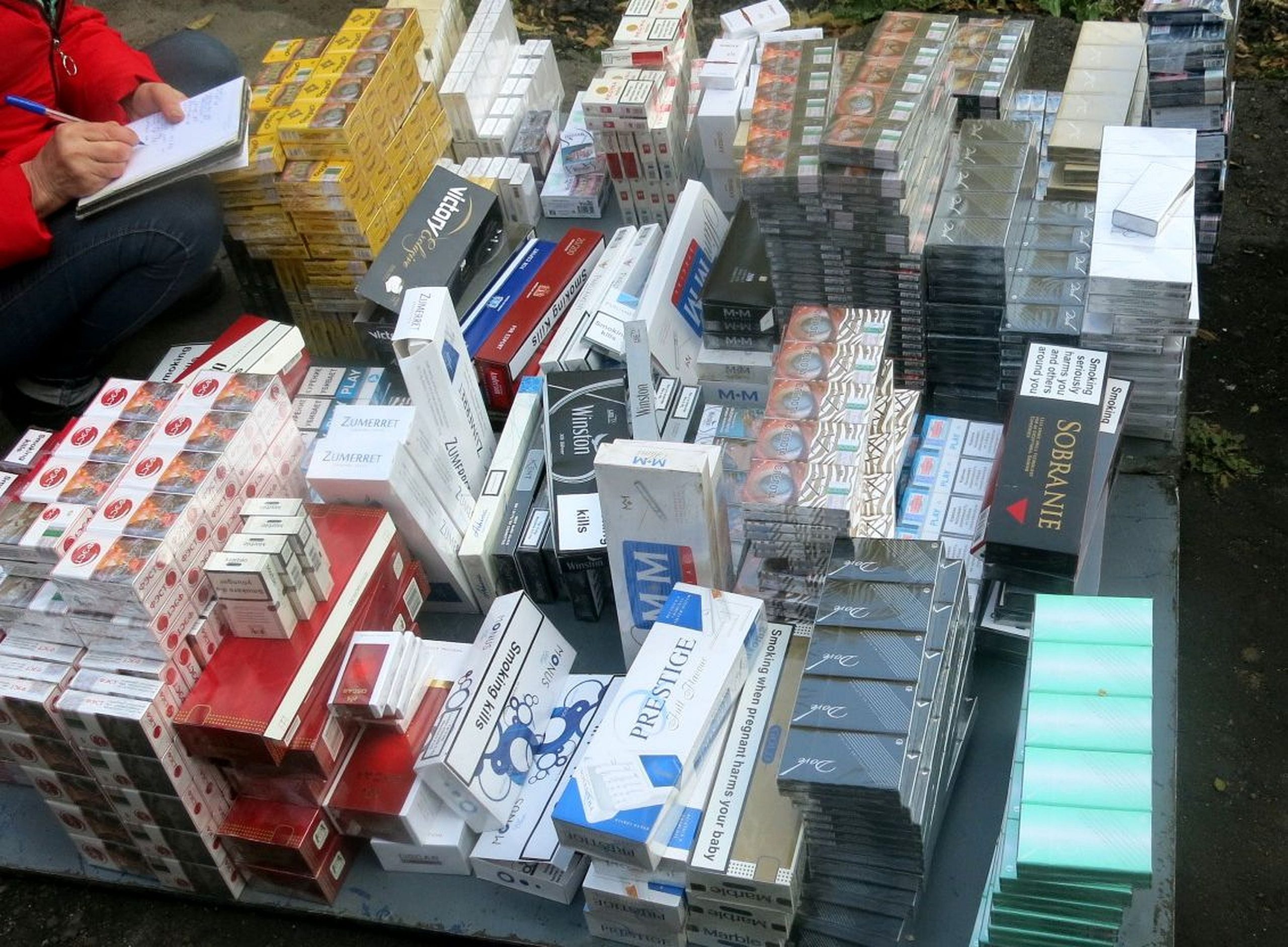
Illicit Cigarette Trade Surges in Latin America and Canada
Illicit cigarettes accounted for 31.9% of total consumption across Latin America and Canada in 2025 — equivalent to 77 billion sticks — resulting in an estimated $8.5 billion in lost tax revenues, according to a report released by Philip Morris Products S.A. The study, conducted by KPMG LLP, examined the Region of the Americas (excluding the United States) and found that the region now has the highest global incidence of illicit tobacco, driven by steep tax increases and regulatory pressures that have pushed consumers toward cheaper illegal products.
The findings highlight growing fiscal, public health, and enforcement challenges, with markets such as Brazil, Panama, and Ecuador particularly affected, underscoring calls for more balanced regulation and stronger anti-illicit trade measures. Brazil has the region’s largest illicit market with 41.8 billion illicit cigarettes, while illicit cigarettes make up 89% of Panama’s market and 84% of Ecuador’s.
-

PMI Hosting Q1 Webcast April 22
Philip Morris International Inc. announced it will host a live audio webcast on Wednesday, April 22, at 9 a.m. ET, to discuss its 2026 First-Quarter financial results, which will be issued approximately two hours earlier. The webcast can be accessed here.
The webcast will be hosted by Emmanuel Babeau, Group Chief Financial Officer, and will include discussion of PMI’s financial results and a Q&A session with the investment community.
The webcast may also be accessed on mobile devices by downloading PMI’s Investor Relations App at www.pmi.com/irapp. The webcast recording and the slides and script will be available here. The webcast will be in a listen-only mode, and a recording will be available for one year after the event.
-

Western Australia Tightening Tobacco and Vape Laws
The Government of Western Australia Department of Health updated its website to address the new legislation that it is preparing to implement to strengthen tobacco and vaping controls, targeting the growing illicit market with tougher enforcement measures. The laws make it an offence to sell, supply, or possess illegal tobacco or vape products, grant authorities powers to shut down non-compliant premises, and introduce significantly higher penalties. Public smoke-free areas will also be extended to include vaping.
The government said further reforms are planned for later in 2026, including stricter rules for landlords and licensing, as part of a broader effort to curb illegal trade and enhance public health protections.
-

Sweden Fights Against France’s Nicotine Pouch Ban
Sweden has strongly opposed France’s ban on oral nicotine pouches, with Trade Minister Benjamin Dousa arguing the move violates EU single market rules and unfairly targets a key Swedish industry. According to Economie Matin, the Swedish Social Democratic Party sent a letter to the President of the European Commission, Ursula von der Leyen, “to obtain clarifications on the legality of the French ban and its scientific basis. If there is no response within three weeks, legal action before the Court of Justice of the European Union could be initiated.”
Stockholm is defending the products as a harm-reduction alternative to cigarettes, highlighting their widespread domestic use and economic importance, while criticizing the inconsistency of banning pouches but allowing combustible tobacco. The dispute has escalated politically, with Swedish lawmakers seeking EU intervention and warning of potential legal action, underscoring growing divisions in Europe over nicotine regulation and the balance between public health and market freedoms.
-

Filtrona Offers White Paper on Regulation’s Impact on Filtration Sector
Filtrona released a white paper, The Future of Filtration: Navigating the Post-COP11 Landscape, examining how environmental regulation and shifting consumer trends are reshaping the filtration sector. The report points to mounting policy pressure from COP11 discussions, UN plastics treaty talks, proposed revisions to the EU Tobacco Excise Directive, and expanding Extended Producer Responsibility programs, arguing the focus is moving from outright bans toward producer liability and material accountability.
Filtrona highlights rising cost implications tied to plastics legislation and lifecycle emissions, noting that suppliers able to validate low-impact, compliant materials may gain a competitive edge. The paper also explores demand trends across reduced-risk products and value combustibles, continued interest in capsule and specialty filters, and the potential for renewed innovation as key capsule patents expire, concluding that scientific validation and environmental performance will be central to future competitiveness.
-

Imperial Flags Share Losses, Leans on H2 Growth for FY26
Imperial Brands warned of modest first-half profit growth and expected market share declines across its key markets, sending shares down more than 8%, as the company pivots toward profitability over volume. While reaffirming its FY26 guidance, including low-single-digit tobacco growth, double-digit next-generation product (NGP) revenue growth, and £2.2 billion in free cash flow, the group said performance would be weighted to the second half, supported by pricing in combustibles and continued momentum in heated tobacco, vaping, and oral nicotine.
The shift comes as Imperial accelerates its five-year strategy to expand alternatives while stabilizing its core tobacco business, though weaker trends in the U.S. and Australia and heightened geopolitical risks linked to Middle East tensions could impact the outlook.
-

Pyxus Named Supplier Engagement Leader by CDP
Pyxus International, Inc. announced that it has been named a Supplier Engagement Leader by CDP for the third consecutive year, earning an “A” rating on CDP’s Supplier Engagement Assessment Leaderboard. The recognition places Pyxus among the top tier of global companies for its work engaging contracted growers and suppliers on climate action across its value chain.
CDP’s assessment evaluates governance, emissions-reduction targets, Scope 3 emissions management, and value-chain engagement as part of its annual climate disclosure process. Pyxus said the designation reflects its ongoing efforts to work with growers to improve environmental performance, strengthen supply chain resilience, and deliver measurable emissions reductions through supplier education and shared accountability.