Tag: Beth Oliva

  • ATNF Panel Examines State-Level Policy Challenges for Harm Reduction

    ATNF Panel Examines State-Level Policy Challenges for Harm Reduction

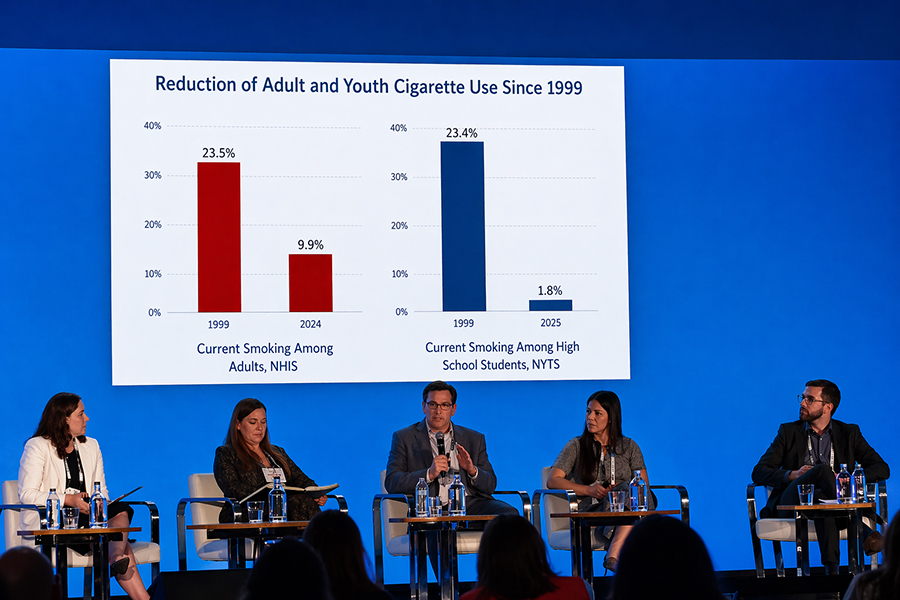
    At the American Tobacco and Nicotine Forum (ATNF), a panel moderated by Beth Oliva, a partner at Fox Rothschild, brought together industry, policy, and regulatory experts to examine how state and local policymaking is shaping harm reduction. Panelists Dr. Jeff Willett from the Progressive Policy Institute, Sarah McQuillan from JTI Liggett, Andrew Nunes from PwC, and Laura Leigh Oyler from Haypp Group, repeatedly emphasized a core issue: a widespread lack of understanding among state lawmakers about federal tobacco regulation and the FDA’s role. Several speakers noted that policymakers are often making decisions without a clear grasp of existing frameworks, definitions, or scientific standards, contributing to fragmented and sometimes contradictory regulations.

    A major theme was the disconnect between data and policymaking. Panelists pointed to declining cigarette use alongside growth in alternative products, yet said state responses are often driven more by headlines than evidence. Willett highlighted progress in reducing youth vaping since 2019 and stressed the importance of fact-based policy, while others noted that tax increases, flavor bans, and regulatory gaps can unintentionally push consumers toward illicit markets or cross-border purchases. Nunes and Oyler both underscored how inconsistent tax structures and regulatory approaches across states are distorting markets and complicating compliance for manufacturers and retailers.

    The panel also focused heavily on the growth of illicit markets, with speakers linking it to unmet consumer demand and regulatory gaps. Oyler argued that the lack of authorized products has created a “vacuum” filled by unregulated alternatives, while Willett pointed to evidence that high taxes and restrictions are driving illicit sales in markets like New York. Broader inconsistencies—such as stricter rules for nicotine compared to cannabis or alcohol—were cited as further complicating enforcement and public perception. Panelists warned that states are increasingly reliant on tobacco tax revenue, which can influence policy decisions, and called for more coordinated, evidence-based approaches rather than a patchwork of state-by-state rules.

    Finally, the discussion turned to communication and public health messaging. Speakers argued that the current narrative around nicotine lacks nuance, with limited recognition of the continuum of risk or the role of reduced-risk products. Several panelists called for the FDA to take a more active role in educating both lawmakers and the public, while also stressing the need for better data to be incorporated into legislative debates. Without improved communication and alignment between federal science and state policy, the panel suggested that regulatory fragmentation and market distortions are likely to persist.

    Top of Form

    Bottom of Form

  • OWNiT Panel Talks Women in Law, Tobacco Industry at ATNF

    OWNiT Panel Talks Women in Law, Tobacco Industry at ATNF

    At the American Tobacco and Nicotine Forum (ATNF), the OWNIT panel brought together leading women in the legal side of the tobacco and nicotine industry to discuss career paths, leadership, and their experiences navigating a traditionally male-dominated field. Moderated by Beth Oliva, a partner with Fox Rothschild, the panel featured Stacy Ehrlich, partner with Kleinfeld Kaplan and Becker LLP,  Carole Folmar, a senior director and associate general counsel for ITG Brands, Kym Wellons, co-founder, COO, and general counsel for Sanova, and Angela Ho-Chen, managing counsel at RAI Services, each sharing personal experiences on entering the profession and building careers in a complex regulatory environment.

    Ehrlich said she was drawn to law early on and described the tobacco sector as a “fascinating” area to work in, while emphasizing the importance of maintaining work-life balance and prioritizing wellness. Folmar highlighted the need for persistence and confidence, particularly in encouraging women to speak up in professional settings, noting she has seen progress in female representation in regulatory roles. Wellons reflected on navigating her career as a single parent, stressing the importance of taking risks and embracing change, while also managing expectations and long-term career growth.

    Ho-Chen spoke about the influence of mentors and the importance of stepping outside comfort zones, particularly early in her career, while also addressing the challenges of balancing professional demands with family responsibilities. Across the panel, speakers emphasized mentorship, setting boundaries, and aligning personal and professional priorities, with Oliva noting that sharing these experiences can help drive broader changes in workplace culture and leadership within the industry.

  • Examining the U.S. Regulatory Landscape

    Examining the U.S. Regulatory Landscape

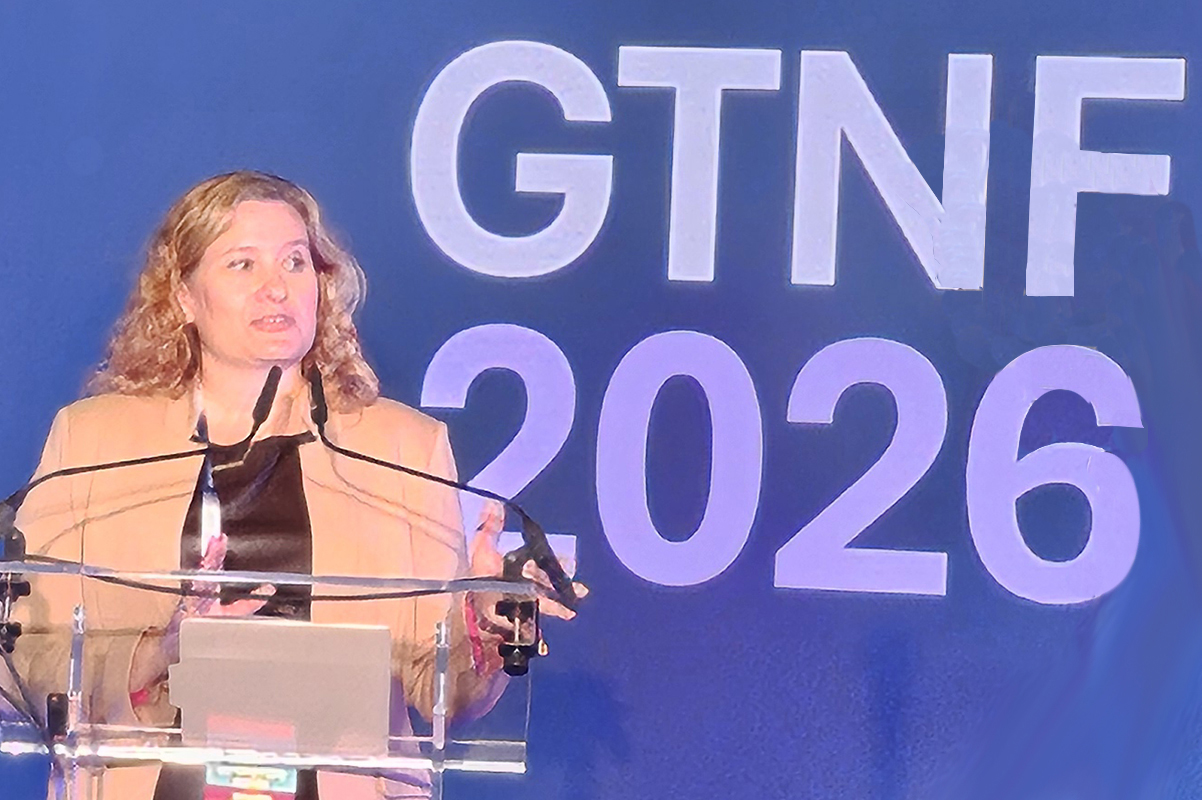
    At the Global Tobacco and Nicotine Forum (GTNF) in Brussels, industry leaders examined the shifting regulatory climate in the United States, where overlapping state and federal actions continue to shape — and complicate — the tobacco and nicotine marketplace. The session was moderated by Paige Magness, Senior Vice President of Regulatory Affairs at Altria Client Services, with insights from Beth Oliva, a partner at Fox Rothschild, Laura Leigh Oyler, the Vice President of Regulatory at Haypp Group, Valerie Briggs Solomon, the Vice President of Scientific and Public Health Affairs at Reynolds American, and Dr. Jessica Zdinak, the founder and Chief Research Officer at Applied Research and Analysis Company (ARAC).

    Magness opened the panel, noting that “a change was inevitable” with the new U.S. administration, citing an encouraging shift toward addressing illicit markets. She commended the Tobacco Control Act’s intention but said, “It’s FDA’s implementation where things fall apart.”

    Oyler highlighted the fragmented nature of the U.S. system: “Sometimes it’s hard to remember the U.S. isn’t one big monolith — it’s 50 states that can directly conflict with the federal government.” She stressed that effective youth prevention starts with adult behavior, adding, “The biggest predictor of youth use is whether their parents use. Help the kids by helping their parents make better decisions.”

    Oliva described a growing disconnect between FDA oversight and state-level actions, noting California’s comprehensive flavor ban. “The FDA is the barrier to entry, the states are barriers to the shelf,” she said. “Today they are combining in ways never meant to happen.” Oliva argued that the FDA’s shifting authorization process and policy reversals have destabilized the marketplace, pushing consumers toward illicit products. “Unless we see a lot more authorizations for nicotine products, we’re going to see what happened with e-cigarettes all over again,” she warned. She urged the FDA to “partner with those tracking the data” and to “stop manipulating the industry and consumers in the process.”

    Zdinak focused on the disconnect between regulation, consumer understanding, and behavioral science. “Congress is making laws without understanding the people they govern,” she said, pointing to misinformation about relative risk. She argued that variety and flavor choice drive switching and, therefore, public health gains. “If CTP can’t communicate quickly, the market will move ahead without them,” she cautioned, predicting “another wild west” scenario similar to what happened with the e-cigarette category.

    Solomon criticized the FDA’s tendency to exaggerate youth-use trends while ignoring adult harm reduction. “FDA is calling things an epidemic that aren’t,” she said. “Scaring children away might be good, but scaring adults away from better options is counterproductive.” She underscored the importance of credible communication through trusted messengers: “[The nicotine industry is] not always trusted, so we have to equip those who are. Science will lead the way — if we let it.”

    Overall, the panel agreed that while the U.S. has one of the world’s most comprehensive regulatory systems, its complexity and inconsistency risk stifling innovation and harming public health goals. The consensus was that greater collaboration, transparency, and scientific grounding are urgently needed to make the regulatory system work for both consumers and harm reduction.