Tag: excise tax

  • NSW Tops 100 Store Closures as New Tobacco Taxes Begin  

    NSW Tops 100 Store Closures as New Tobacco Taxes Begin  

    Authorities in Australia’s New South Wales have closed 105 tobacconist shops operating illegally since strengthened tobacco and vaping laws took effect in November 2025. In the past 10 days alone, 30 stores across multiple Local Health Districts were ordered to close for 90 days, with inspectors seizing about 700,000 illicit cigarettes and 3,900 illegal vapes. This comes as a federal tobacco excise increase takes effect today (March 3), raising concerns about a widening price gap between legal and illicit products.

    Under the new laws, NSW Health, supported by NSW Police, can impose 90-day closures on premises selling illicit tobacco, illegal vaping goods, or operating without a license, while courts may issue long-term closures of up to one year. The legislation also introduces penalties of more than A$1.5 million ($1.1 million) and up to seven years’ imprisonment for possession or sale of commercial quantities of illicit tobacco, along with new offences and lease termination powers for landlords. Health Minister Ryan Park said enforcement would intensify with 30 additional inspectors added statewide, bringing the dedicated tobacco compliance team to 78 staff.

  • Bosnia and Herzegovina Raises Cigarette Duty

    Bosnia and Herzegovina Raises Cigarette Duty

    Cigarette prices in Bosnia and Herzegovina increased on January 1 after a higher minimum excise duty came into force under a decision by the Board of Directors of the Indirect Taxation Administration (ITA). The minimum excise duty for 2026 was raised by 0.19 BAM ($0.11) per pack, setting the rate at 188.50 BAM ($113.10) per 1,000 cigarettes, or 3.77 BAM ($2.26) per pack of 20, up from 179 BAM ($107.40), or 3.58 BAM ($2.15), last year.

    The specific excise duty on cigarettes remains unchanged at 1.65 BAM ($0.99) per pack of 20. Meanwhile, excise duty on smoking tobacco has been set at 80% of the minimum cigarette excise, increasing to 150.80 BAM ($90.48) per kilogram in 2026 from 143.20 BAM ($85.92) in 2025.

    The ITA Management Board also confirmed that the compensatory interest rate for the period from January 1 to June 30, 2026, will remain unchanged at 12%.

  • India Raises Cigarette Tax to Curb Consumption

    India Raises Cigarette Tax to Curb Consumption

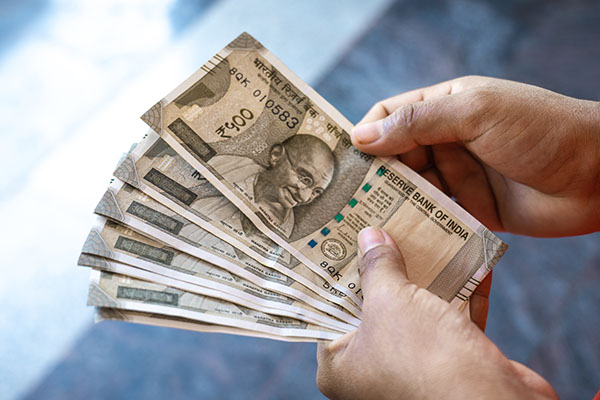
    India’s parliament approved the Central Excise (Amendment) Bill 2025, a tax reform expected to raise cigarette prices for the country’s estimated 100 million smokers. The bill was introduced on December 1 and passed on December 3.

    The new law replaces a temporary levy and imposes a value-based tax of 2,700–11,000 rupees ($29–$122) per thousand sticks, depending on size, in addition to a 40% goods and services tax. Experts estimate this could raise excise duties by 25–40% on average, potentially prompting higher retail prices. Finance Minister Nirmala Sitharaman emphasized that cigarettes should not become affordable, noting that current taxes account for about 53% of retail prices.

  • India Proposes New Taxes on Tobacco and ‘Sin Goods’

    India Proposes New Taxes on Tobacco and ‘Sin Goods’

    India’s government introduced two new tax bills today (December 1) aiming to maintain high levies on tobacco and other “sin goods” after the Goods and Services Tax (GST) compensation cess expires next year. The Central Excise (Amendment) Bill 2025, proposes excise duties of 60–70% on such products, with cigarette taxes calculated by length and filter type. Finance Minister Nirmala Sitharaman said the GST compensation cess on tobacco will end once all related loan and interest obligations are cleared. A second bill would impose a fixed monthly levy on pan masala and other notified goods.

    The revenue is expected to fund health programs and national security while keeping high-risk products expensive to discourage consumption and reduce under-reporting. Both bills require manufacturer registration, including for small-scale and handmade producers.

    The legislation is part of a broader tax realignment and will next go to parliamentary panels for review before a likely vote in 2026.

  • Cyprus Kiosk Owners Ask for Tobacco Exemption

    Cyprus Kiosk Owners Ask for Tobacco Exemption

    Kiosk owners in Cyprus urged the finance ministry to seek an exemption from the EU’s planned tobacco tax hike, warning the measure would devastate small businesses and fuel smuggling across the island’s divide. Under the directive due in January 2028, cigarette prices would rise from €4.70 to €7 per pack, rolling tobacco from €7 to €13, and, for the first time, e-cigarettes, heated tobacco, and nicotine pouches would be taxed, effectively doubling their prices.

    The kiosk owners’ association, Sykade, told parliament’s commerce committee that half of kiosk revenues come from tobacco sales. It estimates 126 million cigarettes and 162 tons of tobacco are already smuggled annually from the north, costing the state at least €50 million in lost tax revenue. With 600 kiosks closed in the past decade, Sykade warned further hikes would mean closures, unemployment, and declining state income.

    Cyprus has one of Europe’s highest smoking rates at 34%, compared to the EU’s goal of reducing prevalence below 5% by 2040.

  • Bhutan Implements 115% E-Cigarette Tax

    Bhutan Implements 115% E-Cigarette Tax

    Bhutan’s Ministry of Health (MoH) announced a major fiscal crackdown on e-cigarettes, introducing a combined 115% tax on vaping products, including 100% excise, 10% customs duty, and 5% GST, all effective January 2026. Devices will also face a 20% excise tax alongside customs duty and GST.

    The MoH said the move aims to curb rising youth use of e-cigarettes and align vaping products with traditional tobacco under the country’s regulatory framework. The Tobacco Control Rules and Act are also being updated to explicitly cover e-cigarettes, vapes, and heated tobacco products.

    The government continues to enforce bans on advertising, promotion, and sponsorship of all tobacco and nicotine products.

  • Pakistan Sees Cigarette Revenue Fall Despite Huge Tax Hike

    Pakistan Sees Cigarette Revenue Fall Despite Huge Tax Hike

    Despite a 200% increase in duty rates, Pakistan’s Federal Board of Revenue (FBR) reported a 4.1% drop in Federal Excise Duty (FED) collection from the cigarette sector, falling to Rs225.5 billion ($789.3 million) in FY2024-25 from Rs235 billion ($822.5 million) the previous year. Officials attributed the decline to a growing illicit cigarette market, which continues to undermine tax collection.

    The sector’s share in total FED revenue plunged from 40.7% in FY24 to 29.4% in FY25, highlighting enforcement challenges and the government’s struggle to curb illegal production and sales. Higher taxes have reportedly pushed consumers toward untaxed brands, further reducing formal industry revenue.

    FBR officials warned that without stronger enforcement against illicit cigarette trade, the formal tobacco industry will continue to shrink, depriving the government of vital revenue for development and public health programs.

  • Trinidad & Tobago Doubles Excise Duties on Tobacco, Eyes Vapes

    Trinidad & Tobago Doubles Excise Duties on Tobacco, Eyes Vapes

    Trinidad and Tobago increased excise duties by 100% on locally and Caricom-manufactured beer, rum, malt beverages, cigarettes, and tobacco, aligning import rates with domestic products. The move, part of the 2026 Budget, is expected to generate $1 billion in revenue while aiming to reduce smoking and alcohol consumption, planning minister Kennedy Swaratsingh said.

    The government emphasized that the increases also protect local manufacturers from unfair competition with Caricom imports and address illicit trade in cigarettes, with additional enforcement measures planned. Duty rates on foreign alcohol and tobacco remain high, ensuring price buffers for imported products.

    “In some instances, cigarettes that are manufactured locally for export to other Caricom markets are smuggled back into T&T and are now cheaper, as excise duties and customs duties haven’t applied,” Swaratsingh said. “To combat illicit smuggling that hurts local manufacturers, Government intends beefing up Customs and Excise’s enforcement apparatus, ensuring a more level playing field for local manufacturers.”

    Swaratsingh also said the government is monitoring vapes, pointing to their growing use among younger generations and potential health risks, signaling possible future regulation of e-cigarettes in T&T.

    “Vapes are also harmful,” Swaratsingh said. “Studies are still being done to determine the extent of damage they cause compared to cigarettes. Government is looking and will contemplate the required action against vapes in the near future.”

    Swaratsingh said the Budget’s decision to increase excise duties on “sin products” isn’t a punitive measure, but a planned and well-thought-out initiative aimed at a multi-pronged result for T&T’s physical, socio-economic, and future well-being.

  • Pakistani Court Strikes Down Local Tobacco Excise Duty

    Pakistani Court Strikes Down Local Tobacco Excise Duty

    Pakistan’s Peshawar High Court declared the Khyber Pakhtunkhwa government’s provincial excise duty on unmanufactured tobacco unconstitutional. The bench ruled in favor of multiple petitions filed by leading tobacco companies, including Pakistan Tobacco Company, stating that the relevant provisions of the KP Finance Act, 2024 conflicted with the Constitution.

    The petitioners challenged the Rs50 ($0.18) per kilogram levy on unmanufactured tobacco, arguing that excise duties fall exclusively under federal jurisdiction under the Federal Legislative List, and that the provincial assembly had no authority to impose a parallel duty. Lawyers for the petitioners emphasized that federal excise duty (FED) on tobacco is already administered by the Federal Board of Revenue under the Federal Excise Act, 2005, and the KP law encroached on parliamentary powers.

    The court sided with the petitioners, agreeing that following the Eighteenth Amendment, the omission of the concurrent legislative list gave parliament exclusive power over matters such as excise duties, making the provincial tobacco levy ultra vires.

  • Indonesia Won’t Raise Tobacco Tax

    Indonesia Won’t Raise Tobacco Tax

    Reuters reported that Indonesia will keep its excise tax rates on tobacco products unchanged next year, after considering the impact such taxes have on employment in the tobacco industry, Finance Minister Purbaya Yudhi Sadewa told a press conference today.

    “We decided not to increase excise tax rates for tobacco products next year, but we will clean up the market of illegal tobacco products,” Purbaya said, adding his decision has put consideration to avoiding layoffs.