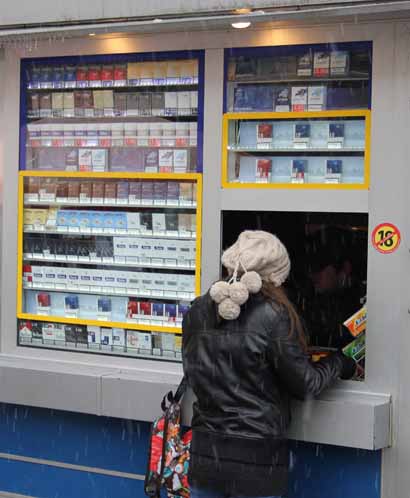
The Tobacco Control Alliance (TCA) said Georgia’s goal of becoming tobacco-free by 2040 is under threat due to the rapid rise in e-cigarette and heated tobacco use, particularly among young people. The 2025 Global Adult Tobacco Survey said smoking prevalence in the country fell from 33% to 24% over the past decade, but the TCA says alternative nicotine products are undermining progress. The TCA is urging stronger “tobacco endgame” measures, including equal taxation of all tobacco and nicotine products, tighter controls on e-cigarettes, flavor bans, higher age limits, and stricter enforcement, noting that tobacco-related economic damage far exceeds tax revenues and that public support for tougher policies is strong.
Tag: Georgia
-

Georgia Wants Declining Smoking Rate Down Quicker
Georgia’s National Center for Disease Control and Public Health presented new findings from studies conducted under the Global Tobacco Surveillance System, finding 25.4% of adults and 14% of young people in the country use tobacco products. Despite the gradual decline in overall consumption, Health Minister Mikheil Sarjveladze said reducing tobacco use remains a key public health priority and stressed the importance of evidence-based policymaking in shaping effective tobacco control measures. While welcoming the downward trend, the NCDC noted that stronger action is still needed to further reduce tobacco use.
The nationwide surveys, carried out between 2023 and 2025, have already informed Georgia’s National Tobacco Control Strategy for 2026–2030.
-

Georgia Tobacco Tax Reform Protects Domestic Production
Georgia’s excise tax will increase by 85 tetri ($0.31) per pack for imported cigarettes, reaching 2.75 GEL ($1.02) per 20-cigarette pack beginning January 1, 2026. Outlined in a draft law proposed by Georgian Dream MPs, taxes on locally produced cigarettes will be reduced to 1.30 GEL ($0.48) per 20-cigarette pack for the first 35 million packs annually, and 2.75 GEL thereafter. Also, the ad valorem component for local production drops from 30% of retail price to 15% for the first 35 million packs, and 20% for production exceeding that amount.
The legislation aims to protect and promote local tobacco production, increase competitiveness, and stabilize market share while maintaining fiscal and public policy objectives. Officials highlight that the new structure is expected to create a healthier competitive environment, support domestic producers, and sustain budget revenues.