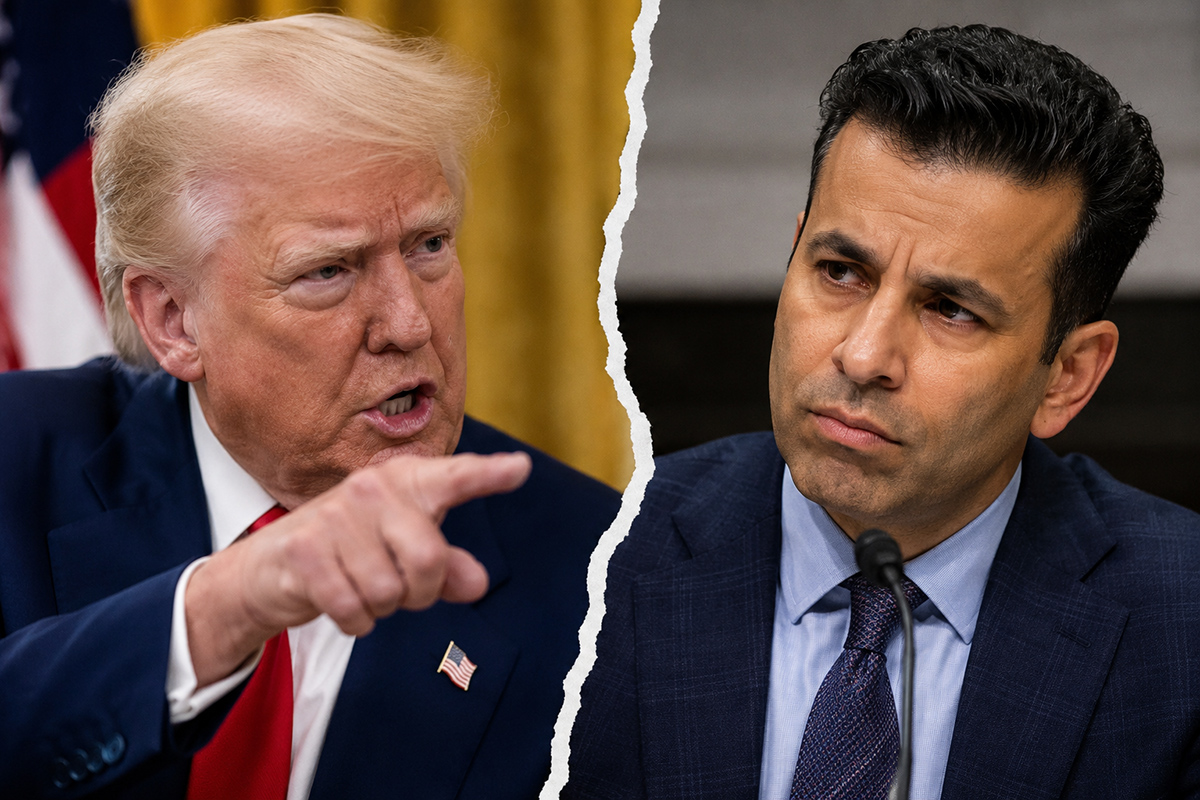
Today (May 12), President Donald Trump confirmed earlier reports from White House officials that FDA Commissioner Dr. Marty Makary was stepping down after just over a year in the role, following a turbulent tenure that included growing friction over tobacco and nicotine policy. A White House official said the resignation was tied to “process at the FDA” rather than a single issue, though pressure had been building around the agency’s pace on key decisions, including flavored vape authorizations. Reports in recent weeks indicated frustration within the administration that the FDA had moved too slowly on advancing nicotine-related priorities, with one official bluntly stating: “What a mess Makary turned out to be.” He will be replaced on an interim basis by FDA food chief Kyle Diamantas.
Makary’s leadership coincided with heightened scrutiny over the FDA’s handling of next-generation nicotine products, particularly flavored vapes, which have remained largely blocked pending extensive scientific review. The issue became a flashpoint within the administration, with critics arguing the agency had failed to align with broader policy goals aimed at expanding alternatives for adult smokers. At the same time, the FDA maintained its stance on requiring strong evidence of public health benefit, leaving the market tightly restricted and contributing to ongoing tension between regulators, industry stakeholders, and policymakers.
His tenure was also shaped by broader political battles that indirectly impacted tobacco regulation, including disputes over drug approvals and internal agency direction, which critics said created uncertainty around regulatory timelines. For the tobacco and nicotine sector, Makary’s departure could signal a potential shift in FDA priorities, particularly as pressure mounts to accelerate decisions on reduced-risk products and flavored alternatives. The leadership change comes at a critical moment for the industry, with regulatory direction expected to play a central role in shaping market dynamics and product innovation in the years ahead.
Since the news broke, interested observers have been responding in what is generally seen as a positive for the industry.
“We have been disappointed by the pace of nicotine product reviews at the Center for Tobacco Products,” said Laura Leigh Oyler, VP of Regulatory Affairs at Nicokick.com. “If recent reporting is accurate, Commissioner Makary’s removal should be treated as an opportunity to refocus the FDA on timely, evidence-based decision-making. Adult consumers, responsible manufacturers, and retailers need a regulatory process that produces decisions, not indefinite uncertainty.
“CTP already has the scientific expertise needed to evaluate nicotine product applications and make appropriate determinations under the law. The next FDA commissioner should remove unnecessary bottlenecks and make clear that pending reviews will be decided by FDA scientists, not politicians.”
Vapor Technology Association Executive Director Tony Abboud said he met with Makary last week and felt the Commissioner realized the PMTA process needed to improve quickly.
“The VTA now looks forward to continuing its constructive engagement with Acting FDA Commissioner Kyle Diamantas and whoever is ultimately selected to permanently lead the agency moving forward,” Abboud said. “For years, VTA has advocated for a regulatory framework that provides clear scientific requirements, transparent standards, and consistent enforcement against bad actors and illicit products.
“We remain committed to working with FDA leadership, the Administration, and policymakers to modernize the PMTA process, strengthen responsible marketing standards, and ensure the United States leads with a balanced regulatory approach grounded in science, harm reduction, and common sense.”
One of the bluntest responses came from Ross Marchand, Executive Director of the Taxpayers Protection Alliance, who said, “At long last, Makary is out. Since taking the helm of the agency last April, the Commissioner has made it far more difficult than it needs to be to bring new therapies to market. Millions of Americans have paid the price for this soap opera of suddenly spurned approvals, goalpost shifting, and even apparent violations of trade secret law.
“The FDA needs a leader who will stand up for patients and allow access to new and innovative therapies. Makary’s successor must embrace market innovation and break with the prohibitionary policies of the past.”