Tag: lawsuit

  • BAT Facing UK Lawsuit Over North Korea Sanctions

    BAT Facing UK Lawsuit Over North Korea Sanctions

    British American Tobacco is facing a London High Court lawsuit from over 100 current and former shareholders who allege the company failed to properly disclose to markets its breaches of U.S. sanctions related to business in North Korea, Reuters is reporting. The claims follow BAT’s 2023 settlement with U.S. authorities, in which a subsidiary admitted to conspiring to violate sanctions and commit bank fraud by selling tobacco products to North Korea between 2007 and 2017, resulting in a $635 million payment. The lawsuit, filed on February 27, accuses BAT of withholding information about its North Korea operations for over a decade, though the value of the claim and further details have not been disclosed.

  • Smoore, Distributors Want Antitrust Claims Dismissed

    Smoore, Distributors Want Antitrust Claims Dismissed

    Vape manufacturers and distributors moved to dismiss consumer antitrust claims in consolidated multidistrict litigation pending in the U.S. District Court for the Northern District of California. In motions filed Feb. 20, Shenzhen Smoore Technology Co. Ltd. and Smoore International Holdings, along with distributor defendants 3Win Corp., Jupiter Research LLC, Canna Brand Solutions, and Greenlane Holdings Inc., argued that plaintiffs lack standing and have not plausibly alleged a price-fixing conspiracy. The case involves closed cannabis oil vaporization systems, with plaintiffs alleging agreements to set a price floor and restrict competing products.

    Defendants contend they sell empty vape hardware, not cannabis-filled products, which they describe as a separate market, and argue consumers are too remote from the hardware market to bring antitrust claims. They further assert the complaint lacks specific pricing, market share, and foreclosure allegations, and maintain that revived claims under the Cartwright Act seek relief tied to products that remain illegal under federal law. The court has not yet ruled.

  • Enorama Sues FDA for Disparate Pouch PMTAs

    Enorama Sues FDA for Disparate Pouch PMTAs

    Enorama Pharma Inc. filed a lawsuit against the U.S. Food and Drug Administration in federal court in Washington, D.C., alleging the agency unlawfully imposed costly premarket tobacco application (PMTA) requirements on its nicotine oral pouches. In a complaint filed Feb. 17, the company argues the FDA violated the Regulatory Flexibility Act and Administrative Procedure Act by subjecting pouches to the same regulatory framework as combustible tobacco without properly assessing the impact on small businesses. Enorama contends that although the FDA previously suggested publicly available data could support applications, it now requires product-specific scientific studies, dramatically increasing costs.

    According to the filing, the FDA estimated bundled application costs between $181,686 and $2 million, but Enorama claims actual expenses range from $3 million to more than $15 million — forcing some manufacturers to exit the market. The company also alleges unequal treatment, asserting that larger competitors such as Philip Morris International and Altria Group have been allowed to market similar nicotine pouch products despite pending applications, while Enorama received a refusal-to-file letter. Attorney Eric N. Heyer of Thompson Hine LLP said the company plans to seek a preliminary injunction to halt the FDA’s action.

  • RJR Loses Fla. Engle Case, Damages 5% of Sought Sum

    RJR Loses Fla. Engle Case, Damages 5% of Sought Sum

    A Florida jury on Tuesday awarded $675,000 to a longtime Newport cigarette smoker who developed severe lung disease and ultimately required a lung transplant, delivering a far smaller sum than the $14 million sought by plaintiffs against R.J. Reynolds Tobacco Co. The case is part of Florida’s long-running Engle progeny litigation, which allows individual smokers to sue tobacco companies using findings from a landmark class action that established cigarettes are addictive and cause disease.

    While the jury found Reynolds liable for the plaintiff’s injuries, the verdict, according to Law 360, highlights the mixed legal risk tobacco companies still face in Florida: ongoing exposure to adverse findings, but with damages frequently falling well below plaintiffs’ demands, potentially tempering financial impact on manufacturers despite persistent litigation.

  • RJR Closes Arguments in $14M Smoker Lawsuit

    RJR Closes Arguments in $14M Smoker Lawsuit

    A Florida jury heard closing arguments on Monday (January 27) in a lawsuit seeking $14 million in damages from R.J. Reynolds Tobacco Co. for the pain and suffering of a former smoker who later required a lung transplant. Attorneys for the plaintiff argued that the company should be held liable for 14 years of debilitating health consequences caused by smoking-related disease, including severe respiratory failure that ultimately led to the transplant.

    The case is part of Florida’s long-running Engle progeny litigation, which allows individual smokers or their families to pursue damages against tobacco companies. R.J. Reynolds disputed the damages claim, arguing that the smoker was aware of the risks associated with cigarettes and continued smoking despite widespread public health warnings. The jury is expected to decide whether the company is legally responsible and, if so, the appropriate level of compensation.

  • Reynolds Files Complaint with ITC Over Illicit Products

    Reynolds Files Complaint with ITC Over Illicit Products

    R.J. Reynolds Tobacco Co. and its subsidiaries have filed a complaint with the U.S. International Trade Commission seeking an investigation into alleged unlawful practices by Heaven Gifts International—the company behind Elf Bar and Geek Bar—along with its subsidiaries and nine U.S. distributors. According to Law360, the 247-page complaint accuses the respondents of selling flavored vaping products in jurisdictions where they are banned, selling products not listed in required state directories at the time of sale, and evading state and local excise taxes, conduct Reynolds frames as unfair competition under Section 337 of the Tariff Act and noncompliance with the PACT Act. The ITC has acknowledged receipt of the complaint and opened a public comment process.

    Reynolds argues that the alleged violations have enabled a large, illicit market that has significantly undercut lawful products such as its Vuse brand. The company pointed to FDA data showing that only 39 e-cigarette products and devices are currently authorized for sale in the U.S., including 16 from Reynolds and none from Heaven Gifts or its affiliates. Reynolds is seeking broad remedies, including a general or limited exclusion order blocking imports of the accused products, cease-and-desist orders against the named companies, and the imposition of a bond during the ITC’s 60-day presidential review period.

  • Korea Health Insurance Loses Appeal Against Tobacco Cos.

    Korea Health Insurance Loses Appeal Against Tobacco Cos.

    South Korea’s National Health Insurance Service (NHIS) lost its appeal seeking compensation from major tobacco companies after the Seoul High Court upheld a lower court ruling in favor of KT&G, Philip Morris Korea, and British American Tobacco Korea today (January 15). The court agreed that NHIS lacked legal standing to claim damages, ruling that insurance payouts made to smokers with cancer merely fulfilled statutory obligations and did not constitute a legally protected interest that could support a compensation claim.

    The lawsuit, originally filed in 2014, sought 55.3 billion won ($37.6 million) to recover health insurance costs for smoking-related lung and laryngeal cancer patients, arguing tobacco firms should be held liable for the financial burden imposed on the public health system. Both the lower and appellate courts rejected claims that cigarettes were defectively designed or misleadingly marketed, and found that smoking was not the sole cause of cancer. While acknowledging the growing medical costs linked to smoking—estimated at 3.8 trillion won ($2.6 billion) annually by 2023—the appellate court ordered NHIS to bear appeal costs. NHIS said it plans to take the case to the Supreme Court, framing the issue as one of public health accountability and constitutional social rights.

  • Cresco Says Can’t Have Class-Action if No One Was Harmed

    Cresco Says Can’t Have Class-Action if No One Was Harmed

    Cresco Labs submitted a new filing last week, urging an Illinois federal court to dismiss a proposed consumer class action alleging the company mislabeled certain cannabis vape oils to circumvent state THC potency limits. In its latest filing, the company argued that the lawsuit suffers from “fundamental flaws,” emphasizing that no consumer has claimed to have been harmed by purchasing the products at issue.

    The suit alleges Cresco improperly classified some cannabis oils as concentrates rather than cannabis-infused products, a distinction that carries different THC caps and labeling requirements under Illinois law. Cresco disputes this characterization, saying its products complied with state regulations and that disputes over classification and labeling fall under the authority of regulators, not private plaintiffs.

  • Texas Tobacco Company Sues Manufacturer for Contract Breach

    Texas Tobacco Company Sues Manufacturer for Contract Breach

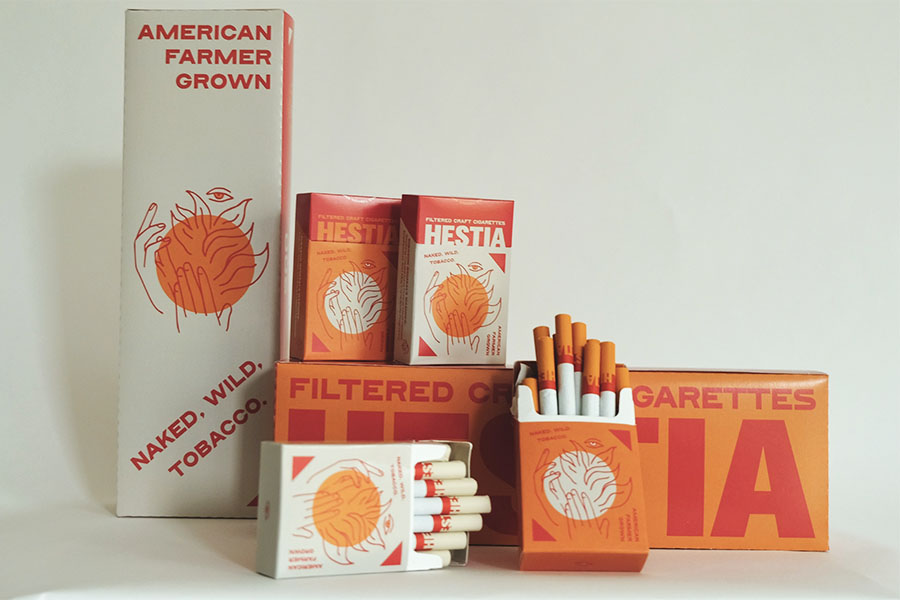
    Texas-based The Tobacco Company, doing business as Hestia Tobacco, filed a lawsuit Tuesday (January 6) in the U.S. District Court for the Middle District of North Carolina, alleging its former manufacturer breached its supply contract by arbitrarily hiking prices and then urging retailers to pull Hestia’s products from shelves, according to Justia Dockets & Filings.

    In the complaint, Hestia claims that Nasco Products, LLC, violated the parties’ agreement by imposing unjustified price increases and undermining Hestia’s market relationships, harming its sales and business prospects. The suit is brought under diversity jurisdiction and seeks monetary damages for breach of contract, with Hestia demanding a jury trial.

  • Korea Says Tobacco Toll is $30B as Court Ruling Approaches

    Korea Says Tobacco Toll is $30B as Court Ruling Approaches

    South Korea’s long-running lawsuit against tobacco companies is back in focus following new research showing smoking has imposed a major and rising burden on the national health insurance system. A study released January 5 by the National Health Insurance Service and the World Bank estimates smoking-related medical costs at 40.7 trillion won ($29.9 billion) from 2014–2024, with annual costs rising nearly 70% over the period despite declining smoking rates. More than 82% of costs were borne by public insurance, driven largely by cancer treatment, particularly lung cancer, the study said.

    Health officials say the findings strengthen the NHIS’s damages claim against KT&G, Philip Morris Korea, and BAT Korea, ahead of an appellate ruling expected later this month. Filed in 2014, the case is South Korea’s first tobacco lawsuit brought by a public institution seeking compensation for smoking-related health care expenses.