Tag: Marty Makary

  • Researchers: Flavored-Vape Debate Needs to Follow Science, Not Politics

    Researchers: Flavored-Vape Debate Needs to Follow Science, Not Politics

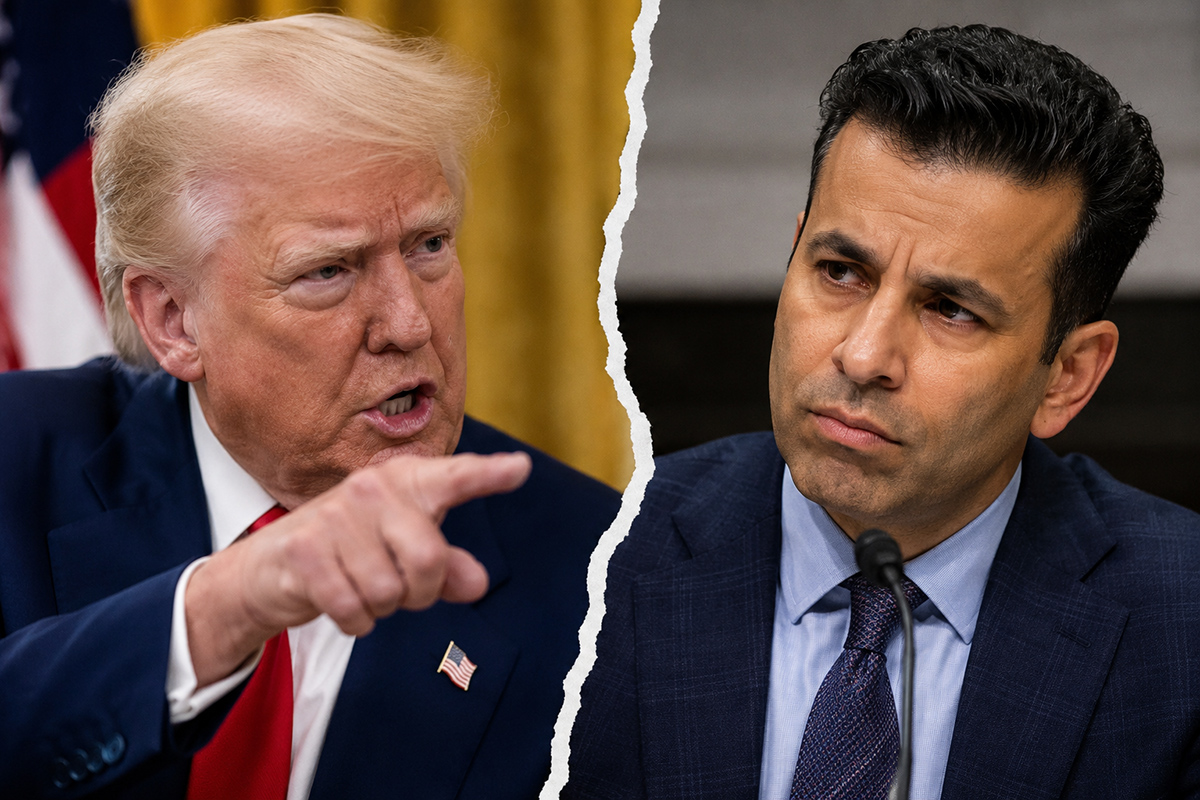
    The resignation of FDA Commissioner Marty Makary on May 12 over reported tensions with President Donald Trump regarding the agency’s approval of two fruit-flavored nicotine vapes brought the flavored-vape battle front and center in American politics. The decision marked a shift from the FDA’s previous authorization of only tobacco and menthol flavors and reignited debate over flavored vaping products.

    Three public health researchers warned the debate over fruit-flavored nicotine vapes should be guided by evidence, not politics. Dr. Jamie Hartmann-Boyce from the University of Massachusetts Amherst, Dr. Holly Jarman from the University of Michigan School of Public Health, and Dr. Claire L. Ma from the University of Michigan, who study scientific evidencehealth policy, and regulation, respectively, acknowledged both sides of the debate, where studies show that sweet and fruity flavors can attract youth and non-smokers, but also that vaping is significantly less harmful than smoking and may help adult smokers quit. The authors urged lawmakers and regulators to follow scientific findings when shaping vape policy, as researchers continue to discover the benefits and risks of vape use.

  • Makary Resigns, Diamantas New Interim FDA Head 

    Makary Resigns, Diamantas New Interim FDA Head 

    Today (May 12), President Donald Trump confirmed earlier reports from White House officials that FDA Commissioner Dr. Marty Makary was stepping down after just over a year in the role, following a turbulent tenure that included growing friction over tobacco and nicotine policy. A White House official said the resignation was tied to “process at the FDA” rather than a single issue, though pressure had been building around the agency’s pace on key decisions, including flavored vape authorizations. Reports in recent weeks indicated frustration within the administration that the FDA had moved too slowly on advancing nicotine-related priorities, with one official bluntly stating: “What a mess Makary turned out to be.” He will be replaced on an interim basis by FDA food chief Kyle Diamantas.

    Makary’s leadership coincided with heightened scrutiny over the FDA’s handling of next-generation nicotine products, particularly flavored vapes, which have remained largely blocked pending extensive scientific review. The issue became a flashpoint within the administration, with critics arguing the agency had failed to align with broader policy goals aimed at expanding alternatives for adult smokers. At the same time, the FDA maintained its stance on requiring strong evidence of public health benefit, leaving the market tightly restricted and contributing to ongoing tension between regulators, industry stakeholders, and policymakers.

    His tenure was also shaped by broader political battles that indirectly impacted tobacco regulation, including disputes over drug approvals and internal agency direction, which critics said created uncertainty around regulatory timelines. For the tobacco and nicotine sector, Makary’s departure could signal a potential shift in FDA priorities, particularly as pressure mounts to accelerate decisions on reduced-risk products and flavored alternatives. The leadership change comes at a critical moment for the industry, with regulatory direction expected to play a central role in shaping market dynamics and product innovation in the years ahead.

    Since the news broke, interested observers have been responding in what is generally seen as a positive for the industry.

    “We have been disappointed by the pace of nicotine product reviews at the Center for Tobacco Products,” said Laura Leigh Oyler, VP of Regulatory Affairs at Nicokick.com. “If recent reporting is accurate, Commissioner Makary’s removal should be treated as an opportunity to refocus the FDA on timely, evidence-based decision-making. Adult consumers, responsible manufacturers, and retailers need a regulatory process that produces decisions, not indefinite uncertainty.

    “CTP already has the scientific expertise needed to evaluate nicotine product applications and make appropriate determinations under the law. The next FDA commissioner should remove unnecessary bottlenecks and make clear that pending reviews will be decided by FDA scientists, not politicians.”

    Vapor Technology Association Executive Director Tony Abboud said he met with Makary last week and felt the Commissioner realized the PMTA process needed to improve quickly.

    “The VTA now looks forward to continuing its constructive engagement with Acting FDA Commissioner Kyle Diamantas and whoever is ultimately selected to permanently lead the agency moving forward,” Abboud said. “For years, VTA has advocated for a regulatory framework that provides clear scientific requirements, transparent standards, and consistent enforcement against bad actors and illicit products.

    “We remain committed to working with FDA leadership, the Administration, and policymakers to modernize the PMTA process, strengthen responsible marketing standards, and ensure the United States leads with a balanced regulatory approach grounded in science, harm reduction, and common sense.”

    One of the bluntest responses came from Ross Marchand, Executive Director of the Taxpayers Protection Alliance, who said, “At long last, Makary is out. Since taking the helm of the agency last April, the Commissioner has made it far more difficult than it needs to be to bring new therapies to market. Millions of Americans have paid the price for this soap opera of suddenly spurned approvals, goalpost shifting, and even apparent violations of trade secret law.

    “The FDA needs a leader who will stand up for patients and allow access to new and innovative therapies. Makary’s successor must embrace market innovation and break with the prohibitionary policies of the past.”

  • WSJ: Trump Ready to Fire Makary

    WSJ: Trump Ready to Fire Makary

    According to The Wall Street Journal, President Donald Trump signed off on a plan to remove FDA Commissioner Marty Makary, though the decision has not yet been finalized and could still change. The report, citing people familiar with the matter, said Makary has faced mounting criticism within the administration over his management of the agency, including clashes with officials at the Department of Health and Human Services and the White House. His handling of key policy areas—including drug approvals, vaccines, and vaping regulation—has drawn particular scrutiny.

    The reported move follows a turbulent period at the FDA marked by leadership turnover and internal disruptions, including recent high-profile departures and ongoing restructuring efforts. Earlier in the week, Trump reportedly criticized Makary for not moving quickly enough on authorizing flavored vaping and nicotine products, an issue that has become a point of tension within the administration.

    Makary, a former Johns Hopkins surgeon nominated in late 2024 and confirmed in 2025, has been a visible figure in the administration’s health agenda, including its “Make America Healthy Again” initiative. While no official confirmation has been issued by the White House or HHS, sources cited in the report indicated growing consensus among senior officials that a leadership change at the FDA may be imminent.

  • FDA Expands AI Capabilities to Improve Efficiency  

    FDA Expands AI Capabilities to Improve Efficiency  

    The U.S. Food and Drug Administration announced that it launched upgraded internal AI capabilities as part of a broader modernization initiative, introducing Elsa 4.0 and a new unified data platform, HALO. The agency said the integration of more than 40 systems into HALO will allow staff to access and analyze regulatory data more efficiently, with Elsa now operating directly on consolidated datasets to support workflows across scientific review, compliance, and enforcement.

    “Removing tedious burdens for staff enables them to focus more on science and makes their work streams more efficient and enjoyable,” said FDA Commissioner Marty Makary. “We have some of the best scientists in the world, and we need to take good care of them.”

    New features in Elsa 4.0 include document generation, data analysis tools, improved search functions, and automation capabilities, aimed at streamlining regulatory processes. The FDA said the enhanced AI infrastructure is designed to improve efficiency and support faster decision-making, with potential implications for the review and oversight of regulated products, including tobacco and nicotine products.

  • WSJ Reports Trump Pressuring FDA to Move on Flavored Vapes

    WSJ Reports Trump Pressuring FDA to Move on Flavored Vapes

    According to The Wall Street Journal, President Donald Trump has criticized FDA Commissioner Marty Makary for not moving quickly enough to approve flavored vaping and nicotine products, raising the issue in recent discussions with advisers. The report, citing people familiar with the matter, said Trump sought input on the role of flavored products among key voter groups and questioned the pace of regulatory decisions, with some advisers describing the FDA’s approach as an obstacle to the administration’s stated position on vaping.

    The FDA has so far authorized only 41 vape products for sale in the U.S., all in tobacco or menthol flavors, maintaining a requirement for strong evidence that flavored products provide benefits to adult smokers that outweigh youth risks. According to the report, Makary has discussed the possibility of adjusting the agency’s stance, with some sources indicating he may be considering a more open approach to flavored product approvals, though no formal policy change has been confirmed.

  • FDA Deploys Agentic AI to Assist Regulatory Reviews

    FDA Deploys Agentic AI to Assist Regulatory Reviews

    The U.S. Food and Drug Administration today announced the deployment of agentic AI capabilities to all agency employees, a move expected to streamline complex, multi-step regulatory tasks — including pre-market reviews, post-market surveillance, inspections, and compliance activities that would be of interest to those in the tobacco and nicotine industries.

    The new systems allow staff to build multi-model AI workflows capable of planning, reasoning, and executing tasks under human oversight. The tools are optional and operate within a secure GovCloud environment, with no training on industry-submitted data.

    In an email to StatNews, an FDA spokesperson called the tool “exploratory” and said that the AI agents do not make regulatory decisions. “All outputs from AI are reviewed and validated” by FDA staff “before being incorporated into any official regulatory action, ensuring that the AI remains a support tool rather than a decision maker,” he wrote.

    The deployment follows the success of Elsa, an internal LLM tool launched in May and now used by more than 70% of FDA personnel. The agency is also launching a two-month Agentic AI Challenge, with selected projects to be showcased in January 2026.

    FDA Commissioner Marty Makary said the upgrades mark a major step in modernizing regulatory operations, while Chief AI Officer Jeremy Walsh highlighted the potential to accelerate and validate safety assessments across all FDA-regulated sectors — including tobacco.

  • FDA’s Makary Wants Retailers to Crack Down on Illegal Nicotine Products

    FDA’s Makary Wants Retailers to Crack Down on Illegal Nicotine Products

    The U.S. Food and Drug Administration (FDA) Commissioner Dr. Marty Makary issued a statement today (September 30) announcing that the organization is launching a nationwide initiative to boost compliance among retailers that sell vaping products, part of a broader effort to address the rise of youth vaping. The campaign is scheduled to reach more than 300,000 stores, including vape shops, gas stations, and convenience stores.

    According to the FDA, as much as 54% of vaping products sold in the United States are illegal, many flavored with fruit or candy, or packaged with gimmicks like built-in video games and Bluetooth speakers. None of these products are authorized for sale, and regulators warn they often contain toxic chemicals such as formaldehyde, lead, and acrolein.

    To help retailers comply, the FDA is mailing educational packets that include a list of the 39 e-cigarettes and 20 nicotine pouches legally allowed on the market, along with QR codes linking to real-time updates online. Retailers will also receive information about the new Searchable Tobacco Product Database, covering more than 17,000 authorized products across all categories, plus a calendar of compliance reminders such as enforcing the minimum age of 21 and checking photo IDs.

    “We know that most businesses want to follow the law,” Makary said in the statement. “The purpose of this initiative is to help retailers better understand relevant laws and regulations, removing any excuses for noncompliance. We are particularly interested in increasing compliance around the distribution and sale of illegal vaping products, which are often marketed to, and widely consumed by, American teens.”

    Mailings will begin this fall, and additional free resources are available through the FDA’s Tobacco Education Resource Library.

    “Retailers are on the front line of protecting youth and young adults from the dangers of nicotine addiction, and we urge them to take this responsibility seriously by swiftly pulling illegal e-cigarettes from their store shelves,” said Kathy Crosby, CEO of Truth Initiative, who points out that illicit products are cheap and easier to get than ever. “Voluntary compliance is important, but it’s imperative that the FDA do more to hold those retailers, distributors and manufacturers who continue to break the law accountable.”

    Read the entire FDA statement here.

  • Thoughts on FDA Reform

    Thoughts on FDA Reform

    Prioritizing Education on Smoke-Free Alternatives

    By Dr. Tom Price

    The recent marketing authorization by the U.S. Food and Drug Administration (FDA) of 20 Zyn nicotine pouch products is a good step forward in building a more robust market for smoke-free nicotine and tobacco products. This critical decision, coupled with the Trump administration, U.S. Health and Human Services (HHS) Secretary Robert F. Kennedy, Jr. and expected FDA Commissioner Marty Makary’s stated priority to “Make America Healthy Again,” foretells an emerging regulatory landscape in the U.S. that presents a meaningful opportunity to expand access to smoke-free products that can help adults who smoke make the switch away from cigarettes.

    This paradigm shift has been a long time coming, and I am thrilled to see it happening in real time. Now, it is time for the FDA to step up its education efforts—with both consumers as well as the medical community—to raise awareness of these products and how, although not risk free, they are a better choice than continuing to smoke or using other traditional tobacco products.

    In clearing the FDA’s extensive premarket tobacco product application (PMTA) process, which includes years of scientific review, ZYN became the first and only FDA-authorized nicotine pouch in the U.S. In the FDA’s announcement, the Director of the Office of Science at the FDA’s Center for Tobacco Products (CTP), Matthew Farrelly, Ph.D., noted that these “products offer greater benefits to population health than they do risks,” and the data shows that ZYN nicotine pouches “meet that bar by benefitting adults who use cigarettes and/or smokeless tobacco products and completely switch to these products.”

    While this should be good news for the 45 million American nicotine consumers, there is still more work for the FDA to do to clearly illustrate the potential benefits of nicotine pouches and other smoke-free products to consumers and medical experts alike. However, that will require clearing up a long history of misinformation.

    According to the FDA, it is not nicotine but a toxic mix of chemicals contained in tobacco and tobacco smoke that drives the serious health threats facing tobacco users. Despite the science proving that smoke-free products represent a better option compared to smoking, various groups, such as the American Lung Association (ALA), continue to spread misinformation about the potential benefits of Zyn nicotine pouches for smokers and other tobacco users, directly contradicting the FDA and scientific evidence.

    Even America’s medical community seems flummoxed by what should be a clear distinction between nicotine consumption and the serious side effects tied to cigarette smoking. According to one study, 60 percent of nurses mistakenly believe that nicotine causes cancer. Another one found that more than 80 percent of physicians “strongly agreed” that nicotine “directly contributes to the development of cardiovascular disease (83.2 percent), chronic obstructive pulmonary disease (COPD) (80.9 percent), and cancer (80.5 percent).”

    Of course, none of this is true, underscoring the dire need for the FDA and CTP to prioritize educating the public and medical community with accurate information about the vital role smoke-free products could play in helping Americans who smoke to reduce their exposure to harm.

    CTP Director Brian King, Ph.D., M.P.H., recently acknowledged as much, saying that “misperceptions among physicians and other healthcare professionals” may result in advising patients in a manner that is “not consistent with existing scientific evidence.” Moreover, he continued, these “misperceptions are associated with lower odds of completely transitioning from cigarettes” to a noncombustible product.

    While misinformation abounds, there is still some hope. Even passionate anti-smoking groups, such as the Truth Initiative, have—to some degree—begun to acknowledge the benefits of nicotine pouches, noting that the FDA’s authorization of ZYN nicotine pouch products “addresses an ongoing need to provide adults who smoke with access to less harmful alternatives to combustible cigarettes.”

    The FDA and CTP may be well aware of the misperceptions behind smoke-free products. Still, neither has taken meaningful action to counter the spread of misinformation with proper, accurate education for healthcare providers and adults who smoke. That must change, and it must change soon.

    The FDA has a responsibility to not only help provide adults who smoke with more smoke-free options, but also to ensure the medical community and public at large understand the benefits and risk these products provide—both in terms of personal and public health. Recent events have made me hopeful that, together, we can build a healthier country, but the FDA and CTP must lead the way there.

    Tom Price, M.D., was the 23rd Secretary of the U.S. Department of Health and Human Services and is a former member of Congress (GA06), and an advisor to PMI U.S. Corporate Services Inc.

  • Koplow Tabbed New CTP Chief

    Koplow Tabbed New CTP Chief

    U.S. Food and Drug Administration Commissioner Marty Makary announced that Bret Koplow will be acting director of the Center for Tobacco Products, according to emailed announcements reported by Bloomberg.

    Koplow has worked for the agency in various roles since 2011, serving as senior counselor to the commissioner in the Immediate Office of the Commissioner since early 2020, where he focused principally on regulatory, policy, and operational matters involving CTP, including work on e-cigarettes, cigars, and other tobacco products. Before joining the Commissioner’s Immediate Office, he served as senior counsel in the FDA’s Office of the Chief Counsel, and before that served in the FDA’s Office of Legislation as the Senior Advisor for Oversight.

    The agency is facing pressure to crack down on illicit products, improve new product submission procedures, and change how it approaches foreign inspections.

    “Bret Koplow—an attorney and longtime FDA bureaucrat,” Gregory Conley, a harm-reduction advocate posted on X. “This would seem to signal the Biden era status quo will continue for now.”

    Makary also announced Elizabeth Miller will serve as the acting associate commissioner for the Office of Inspections and Investigations, filling two high-profile vacancies. The former top tobacco regulator, Brian King, was pushed out during agency-wide layoffs in April.