Reducing Risk
Several countries in the Middle East (such as Iran, Oman and Qatar) still ban e-cigarettes, and others (e.g., Saudi Arabia) ban snus. But in general, the region has bucked the global trend, loosening regulations on vaping and heated-tobacco products. Nicotine pouches are largely unregulated. (See the Global State of Tobacco Harm Reduction website, GSTHR.org, for country-by-country information.)
More research is critically needed to help channel information and support to those Middle Eastern subgroups most endangered by their tobacco use behaviors. University students who occasionally smoke shisha, for example, likely face minimal risk.
Most evidence on vaping originates from North America and Europe. As a recent paper on e-cigarettes in the Middle East points out, studies within the region suffer from “overreliance on university-based samples, the overuse of non-user samples, a lack of studies on behavior change, high variance in existing data and a lack of uniform instruments to measure e-cigarette use.”
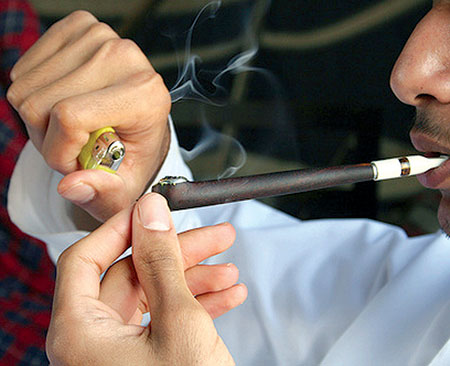
Shisha is a good example of the need for cultural sensitivity in promoting smoking cessation or a switch to less risky alternatives. “For hookah, people smoke very much for the social reason. It’s a social construct, not an addiction construct,” said the U.S. professor. “Most cessation interventions have not really worked because most have thought about hookah like cigarettes, with nicotine-replacement therapy and counseling.”
As one college student in the UAE told him, “People don’t drink alcohol here. There are no drugs. We need a way to hang out with our friends.” Effective reduced-risk substitutes for waterpipe smoking must deliver that.
Companies have begun creating reduced-harm products specifically for Middle East countries.
For example, Dubai-based ANDS (short for alternative nicotine-delivery solutions) makes vaping and heated-tobacco products. A company called OOKA has developed a charcoal-free shisha device. Philip Morris International recently acquired a stake in Eastern Co., Egypt’s largest tobacco producer, with a stated goal of providing alternatives to cigarettes for adults who smoke.
New technologies can make an attractive contrast to smelly old-fashioned cigarettes. “A lot of the vaping devices are really quite geeky—like a fancy electronic gadget that happens to deliver nicotine,” notes Shapiro. “They have touch-screens, and you can chart use on your laptop. So that’s likely to appeal to the younger generation of more wealthy urban groups” in the region. However, such products are likely to reach few lower income or rural people who smoke.
Shapiro notes that two things are necessary for reduced-harm nicotine to gain a foothold and start displacing cigarettes. First, “Governments have got to be prepared to get tough on smoking: banning smoking in public areas and such.” Second, there needs to be proportionate promotion of novel products, including lower taxes versus cigarettes, and education that supports the option of harm reduction alongside cessation. As a recent Lancet commentary (by former WHO leadership) notes, “In some countries, substantial reductions in smoking prevalence have coincided with novel nicotine products.”
“If a country does ban safer nicotine products, look at how much it relies on the tobacco industry—in terms of revenue from taxation or whether the country grows tobacco or exports it,” says Shapiro. “If state regulation is sympathetic, then these products will find a way into the shops.”
The presence of the World Vape Show in Dubai, starting in 2021, sent a message that these alternatives could be acceptable. I will be part of two panels at the 2024 Global Vape Forum, which accompanies this year’s Dubai vape expo. We will stress the need to save lives by moving people off combustible tobacco, whether through cessation or switching to reduced-risk products.
Getting doctors on board with harm reduction is another important step. Like their colleagues around the globe, Middle Eastern physicians frequently misperceive nicotine as the cause of cancer and other health risks of tobacco. Region-specific studies of doctors’ perceptions and needs are essential. I could locate only one small study. A 2019 Egyptian survey found that doctors were aware of e-cigarettes but viewed them less positively than their patients.