Tag: Nick Kadysh

  • ATNF Panel Examines Role of AI in Nicotine Product Innovation

    ATNF Panel Examines Role of AI in Nicotine Product Innovation

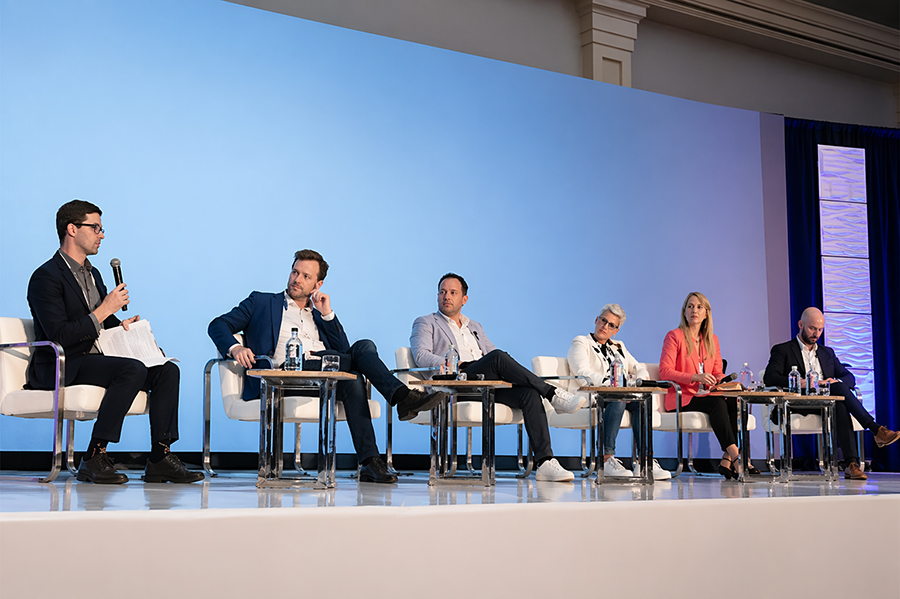
    A first-of-its-kind panel at the American Tobacco and Nicotine Forum (ATNF) focused on the role of artificial intelligence in product research and development, with moderator Dr. Stan Gilliland, managing partner for Sapphire Sciences, highlighting the importance of using the right tools in a highly regulated environment. He framed AI as a potential support across the product lifecycle—from identifying unmet needs to designing studies—but stressed that its use must be carefully managed, documented, and validated, particularly given regulatory scrutiny.

    Panelists offered differing views on AI’s role. Dr. Jessica Zdinak, founder and Chief Research Officer for Applied Research and Analysis Company, expressed skepticism, emphasizing the importance of human expertise and warning against overreliance on AI, particularly in areas lacking clear regulatory endpoints. Dr. Ian Jones, behavioral science manager for JTI Liggett, described AI as a support tool that can improve efficiency, data handling, and communication, but said human oversight remains essential to interpret results and ensure scientific integrity. Dr. Elsa Larson, vice president at M/A/R/C Research, said her organization is taking a cautious approach, limiting AI use to lower-risk applications and avoiding regulatory studies for now due to concerns about reliability and oversight.

    Nick Kadysh, founder and CEO for PharmAla Biotech, and Gavin O’Dowd, CEO for Haypp Group, took a more forward-looking stance, with Kadysh saying AI is already essential in areas such as product design and regulatory strategy, particularly as data complexity increases. O’Dowd highlighted the broader technological shift underway, noting that advances in computing power could accelerate the transition toward reduced-risk products if properly harnessed, but emphasized the need for industry-specific tools and human expertise. Across the panel, speakers pointed to ongoing challenges around data quality, transparency, regulatory acceptance, and the balance between efficiency and scientific rigor.

  • GTNF 2025 Panel: The Complex Picture of Harm Reduction

    GTNF 2025 Panel: The Complex Picture of Harm Reduction

    At the opening session of the 2025 Global Tobacco and Nicotine Forum (GTNF) in Brussels, panelists explored how consumer behavior, regulatory inertia, and scientific innovation intersect in the global harm reduction debate. “Consumers, Combustion, Nicotine – The Complex Picture of Harm Reduction,” brought together Nick Kadysh (CEO, PharmaAla Biotech), Atheer Al Bin Ali (Chief Legal Officer, Badael), Dr. Carolyn Beaumont (Clinician and Tobacco Harm Reduction Educator), Håkan Engqvist (Founder and Chief Science Officer, Emplicure), and Dr. David Utley (President and CEO, Pivot Health Technologies).

    Utley argued that harm reduction must return to its core mission: helping smokers quit. “Expecting a smoker to become smoke-free on their own is like expecting a cancer patient to cure themselves,” he said. Utley, a surgeon-turned-entrepreneur, urged policymakers to focus on the consumer experience, not ideology. “Consumers are smarter than doctors. Smokers have tried to quit twenty times — they’re not hopeless, they’re underserved.” He noted that the stigma around nicotine use is largely because the products come from tobacco companies: “If pharma had made them, this wouldn’t even be controversial.”

    Beaumont echoed the importance of reframing harm reduction in clinical terms. “Doctors are trusted by the community — it should be a no-brainer to have them on board,” she said. Beaumont called Australia’s prescription-only vape model a “monumental failure,” emphasizing that education from credible medical sources is key. “It’s not just a preference for a better product; it’s a preference for a better, healthier life.”

    Kadysh highlighted the public health challenge of dual use, calling it “the bane of our existence.” He stressed that sales data alone can’t explain consumer behavior. “We look at numbers and assume what products people like — but that doesn’t tell the full story.” From his vantage point in biotech, Kadysh said the pharmaceutical sector is only beginning to embrace harm reduction discussions. “It’s still a charged political stance, but the science is catching up.”

    Al Bin Ali brought an international perspective, pointing to Saudi Arabia’s growing interest in harm reduction. “This is a great opportunity if regulators would just have the proper conversations,” he said. “The controversy isn’t about philosophy; it’s about data — where it comes from, and whether it’s reliable.” He emphasized the global implications of evidence-driven policymaking, noting that “one country’s shift can influence many nations.”

    Engqvist underscored the role of science and investment in shaping the harm reduction landscape. “Sweden comes in from a base of science,” he said. “That scientific foundation creates a significant opportunity for innovation and investment.”

    Across the session, a shared message emerged: harm reduction should be guided by science, supported by clinicians, and driven by consumer realities — not paralyzed by politics or ideology. As Utley summed up, “The consumer will win — because the consumer always does.”