Tag: Pennsylvania

  • PA Can Enforce Vape Directory Law During Appeal

    PA Can Enforce Vape Directory Law During Appeal

    A federal judge has rejected a request from vape businesses to temporarily block enforcement of Pennsylvania’s Act 57 while they appeal a ruling upholding the law. U.S. District Judge Julia Munley denied the request, allowing enforcement to continue. The law, which took effect Oct. 19, prohibits the sale of nicotine-containing e-cigarettes not listed in the state’s approved product directory.

    The plaintiffs, including MMA Group 1 Inc., which operates Tobacco Hut stores, and several distributors and vape businesses, sued in May, arguing that Act 57 is preempted by federal law and interferes with the FDA’s regulatory authority. Munley granted summary judgment to Pennsylvania on the federal preemption claims Oct. 14, finding that the law regulates retail sales rather than imposing separate federal premarket approval requirements. The plaintiffs appealed to the Third Circuit and sought a temporary stay, which Munley denied Oct. 28.

    Act 57 requires nicotine e-cigarettes to have FDA marketing authorization or qualify under specified pending application provisions to be listed in the state directory. Unlisted products are subject to seizure and destruction, with penalties ranging from $500 per product for a first violation to $1,500 per product per day for repeat violations.
  • Pennsylvania Begins Enforcing ENDS Directory Sales Restrictions

    Pennsylvania Begins Enforcing ENDS Directory Sales Restrictions

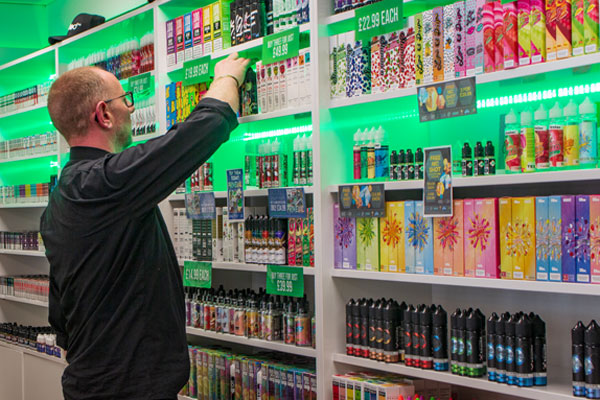
    Pennsylvania began enforcing its electronic nicotine delivery system (ENDS) directory requirements today (Oct. 19), prohibiting retail sales of covered products not listed in the state’s directory. The directory, published Oct. 18, contained 163 product records across seven manufacturers, including Vuse, JUUL, NJOY, Logic, Naked 100, CrossBar, and e Cig 4 Inmate. Products absent from the directory include Geek Bar, RAZ, Lost Mary, Elf Bar, and Imperial Brands’ blu. Violations can result in fines, product seizures, and license penalties.

  • Pennsylvania to Begin Enforcing ENDS Directory Law Oct. 19

    Pennsylvania to Begin Enforcing ENDS Directory Law Oct. 19

    Pennsylvania Attorney General Dave Sunday said his office will begin enforcing Act 57 on Oct. 19. The law, passed last year, prohibits the sale of electronic nicotine delivery systems (ENDS) not listed in the state’s approved product directory. Eligible products must have FDA marketing authorization or meet specified requirements related to timely filed premarket tobacco product applications.

    The attorney general’s office plans to conduct targeted inspections statewide, provide compliance education, and impose graduated penalties for repeat violations. The office is also working with manufacturers to resolve pending product submissions and incomplete documentation. The public directory lists approved manufacturers, brands, product categories, product names, and flavors.

  • Judge Signals Uphill Battle for Vapes Challenge PA Registry Law

    Judge Signals Uphill Battle for Vapes Challenge PA Registry Law

    A federal judge indicated that vape companies challenging Pennsylvania’s new e-cigarette registry law will need to distinguish their case from recent appellate rulings that largely upheld similar laws in North Carolina and Iowa. During proceedings, the judge directed the plaintiffs to address decisions by the Fourth and Eighth U.S. Circuit Courts of Appeals, both of which rejected key arguments that state registry laws tied to the FDA’s premarket authorization process are preempted by federal law.

    Pennsylvania’s law, enacted in 2025, establishes a directory of manufacturers whose products may be legally sold in the state, effectively limiting sales to products meeting specified federal regulatory criteria. Retailers challenging the measure argue it improperly enforces the federal Tobacco Control Act, conflicts with the FDA’s enforcement discretion, and would force the removal of millions of dollars in inventory from store shelves. Similar “PMTA registry” laws have been adopted in more than a dozen states as lawmakers seek to curb sales of unauthorized vaping products.

    The court’s comments suggest Pennsylvania’s case could hinge on whether the plaintiffs can identify meaningful legal distinctions from the North Carolina and Iowa precedents.

  • PA Defends Flavored Vape Law in Constitutional Challenge

    PA Defends Flavored Vape Law in Constitutional Challenge

    Pennsylvania is urging a federal court to allow enforcement of its statewide restrictions on most flavored electronic cigarettes, arguing that similar laws have repeatedly been upheld by federal appeals courts and are consistent with states’ authority to regulate tobacco and nicotine products. In a recent court filing, the commonwealth said the plaintiffs are unlikely to succeed on their constitutional claims, citing multiple appellate decisions that have upheld comparable restrictions against challenges based on equal protection, due process, and the Commerce Clause.

    Pennsylvania maintains that the law serves legitimate public health objectives and that courts have consistently recognized broad state authority to regulate e-cigarettes, positioning the litigation as another test of the expanding patchwork of state-level vaping regulations.

  • Vape Companies Challenge Pa. E-Cigarette Law in Federal Court

    Vape Companies Challenge Pa. E-Cigarette Law in Federal Court

    Several vape manufacturers and retailers have filed a federal lawsuit challenging a new Pennsylvania law they say would effectively remove most e-cigarette products from the market by limiting sales to products authorized by the U.S. Food and Drug Administration. The plaintiffs, including Puffbar Inc., Mi-One Brands LLC, American Vapor Manufacturers Association, and Pennsylvania-based vape retailers and distributors, argue the statute is unconstitutional, conflicts with federal authority over tobacco regulation, and could force businesses to absorb roughly $2 million in unsellable inventory.

    According to Law 360, the lawsuit contends that the Pennsylvania law improperly intrudes into areas governed by the FDA’s premarket tobacco application process and unfairly targets products that some federal officials and public health researchers have described as potentially useful for adult smoking cessation. Industry groups also argue the measure could disproportionately affect independent vape retailers and smaller manufacturers already facing mounting regulatory pressure across the U.S. market.

  • Pennsylvania Vape Registry Bill Draws Opposition From Both Sides

    Pennsylvania Vape Registry Bill Draws Opposition From Both Sides

    Vaping industry representatives and anti-smoking advocates are both opposing legislation moving through Pennsylvania’s General Assembly that would establish a statewide list of sanctioned nicotine vape products, according to the Altoona Mirror. The state Senate has passed an amended version of House Bill 1425, which would require vape products to appear on a state-managed directory—based on FDA authorization—to be legally sold, and the bill now returns to the House for a concurrence vote.

    Supporters say the measure would help prosecutors crack down on illicit vape sales, but critics argue it would disproportionately benefit large tobacco companies whose products dominate the FDA registry, while forcing hundreds of independent vape shops out of business. Industry groups warn thousands of jobs could be affected, while public health advocates contend the bill could legitimize flavored products that appeal to youth. Under the proposal, manufacturers would face registration fees, and retailers selling non-listed products could be fined, with enforcement beginning after a phased implementation period.

  • Juul Settles Marketing Suit With Pennsylvania

    Juul Settles Marketing Suit With Pennsylvania

    Photo: niroworld

    Juul Labs has agreed to pay Pennsylvania $38.8 million to end the state’s claims that the company targeted young people with its products, state Attorney General Josh Shapiro announced in a release. As part of the deal, Juul denied any wrongdoing.

    “Juul knowingly targeted young people with tactics similar to the tobacco companies’ playbook,” said Shapiro. “They disregarded their growing audience of young users, taking no action as their market share skyrocketed on the backs of American kids. About 13 percent of Pennsylvania students have vaped in the past 30 days—this settlement is only the beginning of keeping our kids safe from the dangers of vaping.”

    Filed in Philadelphia County court, the Pennsylvania settlement forbids Juul from marketing its products near schools and playgrounds, advertising at events that include kids or in media outlets where audiences are made up of 15 percent or more of kids.

    “This settlement is a continuation of Juul Labs’ progress to resolve issues from the past. We applaud the attorney general’s plan to deploy resources to address underage use in the commonwealth,” the company said in a statement. “The terms of the agreement are aligned with our current business practices, which we started to implement after our company-wide reset in the fall of 2019.”

    Earlier this month, Juul settled more than 5,000 lawsuits covering more than 10,000 individual plaintiffs, resolving much of the legal uncertainty that had driven the company close to bankruptcy.

    Juul announced on Dec. 6 that it has secured an investment to cover the cost of the settlement. The company has been in talks with two early investors to fund a bailout that would cover legal liabilities.

    A pioneer in the vaping business, Juul Labs has gone from dominating the U.S. e-cigarette market to fighting for its survival in a relatively short time.

    Following its initial success, the company quickly came under regulatory scrutiny over its marketing practices. Critics blame Juul Labs for contributing to an “epidemic” of underage vaping.

    Thousands of lawsuits have been filed against Juul over the past several years, alleging that the company marketed its e-cigarettes to children. Juul has said it never marketed to underage users.

    In September, Juul Labs agreed to pay nearly $440 million to settle a two-year investigation by 33 U.S. states into the marketing of its vaping products.

    Juul’s e-cigarettes were briefly banned in the U.S. in late June after the Food and Drug Administration concluded that the company had failed to show that the sale of its products would be appropriate for public health. But following an appeal, the health regulator put the ban on hold and agreed to an additional review of Juul’s marketing application.

    In October, Juul published the details of its marketing denial order appeal. In late September, Juul shareholder Altria Group exercised the option to be released from its noncompete deal with the e-cigarette maker.