Tag: tax

  • Mexico Poised for Large Tobacco Tax Increase

    Mexico Poised for Large Tobacco Tax Increase

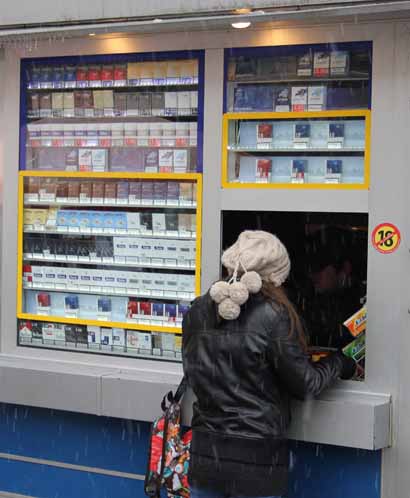
    Mexico’s proposed 2026 federal budget includes a steep hike in tobacco taxes that industry groups warn could expand illicit trade and harm small retailers. The plan would raise the ad valorem IEPS tax from 160% to 200% and gradually increase the per-cigarette quota from MX$0.61 ($0.033) to MX$1.15 ($0.062) by 2030.

    Officials say the measure aims to reduce smoking and fund healthcare, but trade associations argue it will instead push consumers toward cheaper illegal products. Legal cigarette packs could reach MX$100 ($5.40), while contraband versions sell for just MX$20–25 ($1.08–1.35), creating strong incentives for black-market purchases.

    According to the National Association of Small Traders (ANPEC), the price gap threatens 1.2 million small stores that support about 5 million people, as illicit sellers undercut legal retailers. The Confederation of Industrial Chambers (CONCAMIN) estimates tax evasion from illegal cigarettes costs the government MX$13–15 billion annually, with up to half of the tobacco market now illicit.

    Government data shows tobacco tax collections have fallen since 2019, dropping 6.9% year-on-year in 2024 and accounting for just 0.8% of total state income.

    The Senate is expected to debate and vote on the proposal starting October 20.

  • JTI Malaysia Backs Phased Tobacco Excise Hike, Stresses Illicit Concerns

    JTI Malaysia Backs Phased Tobacco Excise Hike, Stresses Illicit Concerns

    JTI Malaysia voiced support for the government’s phased tobacco excise increases for budget 2026, starting November 1, describing the approach as balanced for revenue stability and enforcement continuity. The company emphasized that illicit cigarettes remain a major concern, urging continued coordination between the Ministry of Finance, Royal Malaysian Customs, and industry players to ensure tax adjustments are matched by strong border enforcement.

    JTI also expressed disappointment that vape products were excluded from excise measures, despite full regulatory parity under the 2024 Control of Smoking Products for Public Health Act.

  • EU Tobacco Tax Would Worsen Cyprus’ €22M Illicit Losses

    EU Tobacco Tax Would Worsen Cyprus’ €22M Illicit Losses

    Cyprus joins 11 other EU member states in opposing the European Commission’s plan to dramatically increase tobacco taxes, as officials warned the move could worsen the country’s growing illicit cigarette trade, which already costs €22 million annually in lost revenue. At 29%, Cyprus has the seventh-highest smoking rate in the EU.

    The proposal, discussed at the Economic and Financial Affairs Council in Luxembourg, would nearly triple minimum excise duties on cigarettes and, for the first time, introduce EU-wide levies on e-cigarettes and heated tobacco products. Under the plan, minimum cigarette taxes would rise from €90 to €215 per 1,000 cigarettes, pushing the price of a pack in Cyprus from €4.50 to as much as €7.50, while hand-rolling tobacco would almost double in cost. Next-generation nicotine products would face a 45% minimum tax from 2028, increasing to €88 per 1,000 units by 2032.

    Cyprus already faces a mounting smuggling crisis, with illicit cigarette consumption rising to 14.3% in 2024, up from 11% the previous year—equal to 130 million illegal cigarettes consumed. Across the EU, illicit consumption reached 38.9 billion cigarettes, causing €14.9 billion in lost revenue.

  • Senegal Plans to Raise Tobacco Taxes

    Senegal Plans to Raise Tobacco Taxes

    Senegalese Prime Minister Ousmane Sonko announced plans to raise taxes on tobacco products, a move praised by the Campaign for Tobacco-Free Kids as a major victory for public health. The government says the increase will both reduce smoking rates and generate additional domestic revenue, helping cut the budget deficit and fund health investments. The administration reports that tobacco costs the economy more than 40 billion CFA francs (about $70 million) in healthcare and lost productivity annually.

    Sources around the endeavor suggest the tax rate would be between 70% and 100% of the retail cost.

  • Nigeria Urged to Double Tobacco Tax

    Nigeria Urged to Double Tobacco Tax

    Nigerian advocacy group CAPPA has urged the government to raise excise taxes on tobacco products to 100%, saying the move could save thousands of lives and recover ₦526 billion ($347 million) annually in health and productivity losses.

    CAPPA said the tobacco industry continues to target youths with cigarettes, vapes, and e-cigarettes despite nearly 30,000 tobacco-related deaths a year. The group called for swift action on a delayed 50% tax proposal and alignment with stronger tobacco controls seen in other African countries.

  • Vietnam to Hike Tobacco Taxes Under New Law

    Vietnam to Hike Tobacco Taxes Under New Law

    Vietnam’s National Assembly passed a new law significantly raising the Special Consumption Tax on tobacco, alcohol, and beer starting January 1, 2026. The law introduces a tax roadmap for tobacco products from 2027 to 2031, adding absolute tax amounts on top of existing percentage-based taxes for the first time.

    Under the new plan:

    • Cigarettes: Tax increases by VND 2,000 ($0.08) per pack annually, reaching VND 10,000 ($0.40) per pack by 2031.
    • Cigars: Starting at VND 20,000 ($0.80) per cigar in 2027, rising to VND 100,000 ($4) per cigar in 2031.
    • Other tobacco forms (e.g., pipe or shredded tobacco): Set at VND 20,000/100g or 100ml in 2027, increasing to VND 100,000 by 2031.

    This is the first time Vietnam will implement a structured absolute tobacco tax, following the lead of other countries around the globe. Prior to this, only ad valorem taxes applied.

  • EU Unveils Dual Tobacco Tax Proposals

    EU Unveils Dual Tobacco Tax Proposals

    Yesterday (July 16), the European Commission announced two major initiatives aimed at cutting tobacco use and boosting EU revenue: a long-anticipated revision of the Tobacco Taxation Directive and a new measure called the Tobacco Excise Duty Own Resource (TEDOR).

    The revised directive proposes higher minimum excise taxes and expands the scope to include e-cigarette liquids, nicotine pouches, and raw tobacco. Meanwhile, TEDOR would apply a uniform 15% levy on tobacco products released for consumption, expected to generate €11.2 billion annually.

    “While the proposal is meant to tackle the developments and emergence of new products (e-cigarettes, heated tobacco products, and new products containing nicotine), the European Commission also decided to revise the EU minimum rates applicable to traditional tobacco products,” the European Cigar Manufacturers Association (ECMA) said in a press release. “It disregards the different tax-bearing capacity of niche products from mass-produced tobacco and nicotine products, demonstrating a misunderstanding of the market.”

    “Increasing the EU minimum rate by 1,100% for niche products which are already the least affordable on the tobacco and nicotine market, is out of touch and completely irresponsible,” Paul Varakas, ECMA director general, said. “This proposal is very worrying. It goes against every commitment the EU Executive has made recently regarding reducing the regulatory burdens for SMEs and midcaps, companies that are largely dominating the cigar/cigarillo segment, as opposed to other products manufactured by Big Tobacco.” 

    While both measures aim to reduce tobacco use, particularly among youth, the TEDOR proposal is also part of the EU’s broader €2 trillion budget strategy.

    “[Commission President] Ursula von der Leyen and [European Commissioner for Budget] Piotr Serafin were both vocal about the need to increase Europe’s competitiveness by decreasing EU regulatory burdens,” said Adam Bartha, director of the European Policy Information Center. “The Tobacco Excise Duty Own Resource and the revision of the Tobacco Excise Directive goes against their own stated goals and increases the tax and regulatory burdens on Europeans without reducing smoking rates.”

    The Commission insists the reforms are vital to combat smoking and close loopholes fueling illicit trade, though opposition from countries like Italy and Greece could stall progress. However, both proposals face political hurdles, requiring unanimous approval from all member states.

  • Sweden Rejects EU Plan to Fund Budget with Tobacco Tax

    Sweden Rejects EU Plan to Fund Budget with Tobacco Tax

    Swedish Finance Minister Elisabeth Svantesson called an EU proposal to use revenue from higher tobacco taxes to help fund the bloc’s next long-term budget “completely unacceptable,” saying the proposal threatens the sale of nicotine pouches and undermines national tax sovereignty. Sweden has positioned itself as a model for tobacco harm reduction, citing a smoking rate of just 5% and a decline in smoking-related cancers.

    The proposal, referenced in a document from Germany’s International Affairs Liaison Office in Brussels and submitted to the German parliament, suggests new EU revenue sources for the 2028–2034 budget could include levies on electronic waste and tobacco. Though not yet officially confirmed by the European Commission, the idea adds to growing pressure from at least 15 EU member states to raise excise duties on tobacco products.

    Euractiv reported the European Commission is considering a 139% tax hike on cigarettes, along with steeper levies on alternative products such as e-cigarettes, nicotine pouches, and heated tobacco. Sweden now joins Italy, Greece, Romania, and Bulgaria in opposing the move, primarily to defend nicotine pouches.

    In a post on X, Svantesson said the proposal would result in “a very significant tax increase on white snus,” and that the Commission wants the tax revenue “to go to the EU and not to Sweden.” 

  • Eastern Company Caps Cig Prices After Egypt Ups Taxes

    Eastern Company Caps Cig Prices After Egypt Ups Taxes

    Eastern Company announced that beginning today (July 1), prices for the Egyptian cigarette maker will be capped at EGP 45 ($0.90) per pack following recent tax bracket changes. Company CEO Hany Aman said the company had reached the upper limit of the previous tax bracket, and maintaining those prices was causing losses as rising raw material and transportation costs significantly increased production expenses.

    The new tax laws cap the lowest-tier cigarettes at EGP 48 ($0.96) and the mid-tier at EGP 69 ($1.38). Previously, the lowest tier retailed for EGP 38 ($0.76) per pack, with 60-65% of the price collected being tax. This past weekend, the government amended the Value Added Tax (VAT) on cigarettes, which will increase the minimum and maximum retail prices by 12% annually for three years starting in November.

    Sales were paused on Sunday and Monday to adjust pricing, with the new rates taking effect on Tuesday. Aman said the company is still assessing the full impact of the updated tax regulations and may provide further updates soon.

  • Cook Islands Looking to Raise Tobacco Taxes 30%

    Cook Islands Looking to Raise Tobacco Taxes 30%

    The Cook Islands Cabinet approved a 30% increase in tobacco taxes, aiming to “curb high smoking rates and reduce the burden of non-communicable diseases across the country.” Backed by the Ministry of Health and Te Marae Ora, the island’s main healthcare provider, the new policy will raise tobacco taxes by NZ$125.50 ($76.56) per 1,000 cigarettes or per kilogram of tobacco each year for the next three years. Beginning in 2028, an additional 5% annual increase will be added.

    If passed in Parliament, the tax hike would drive up the average price of a 20-pack of cigarettes from NZ$26.88 ($16.40) to NZ$35.54 ($21.68) by July 2027.

    According to the 2022 STEPS health survey, 35.5% of Cook Islands adults aged 25–64 smoke, including 44% of men between the ages of 18 and 44.