Tag: tobacco curing

  • Zimbabwe Reports 50% Firewood Reduction in Tobacco Curing

    Zimbabwe Reports 50% Firewood Reduction in Tobacco Curing

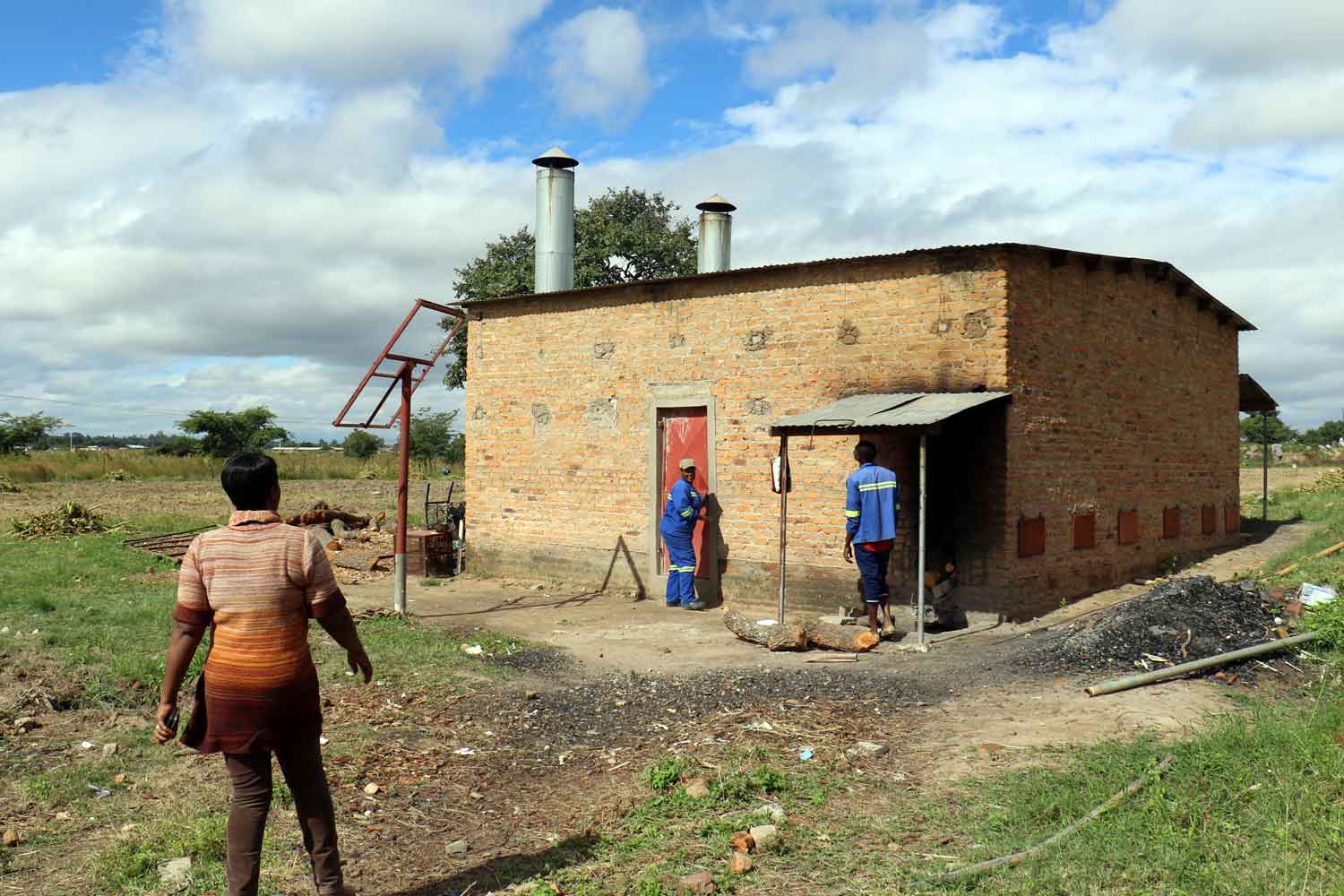
    Zimbabwe’s tobacco sector introduced curing technologies that have reduce firewood consumption by 50%, Agriculture Minister Anxious Masuka said at the CORESTA Congress 2026 in Victoria Falls. The Kutsanga organization has developed a rocket barn designed to improve curing efficiency, while the government is promoting alternative fuels and has waived the coal levy to encourage adoption. Masuka said the government plans to begin phasing out the use of indigenous trees during the 2027-2029 seasons and is encouraging tobacco contractors to adopt alternative fuels.

    Kutsanga board Chairman Aaron Denenga said the organization is working with contractors and government departments on technologies and education aimed at reducing firewood use and reliance on indigenous timber. Approximately 135,000 predominantly smallholder farmers produce 85% of Zimbabwe’s tobacco.
  • Tanzania Advances Renewable Energy for Tobacco Curing

    Tanzania Advances Renewable Energy for Tobacco Curing

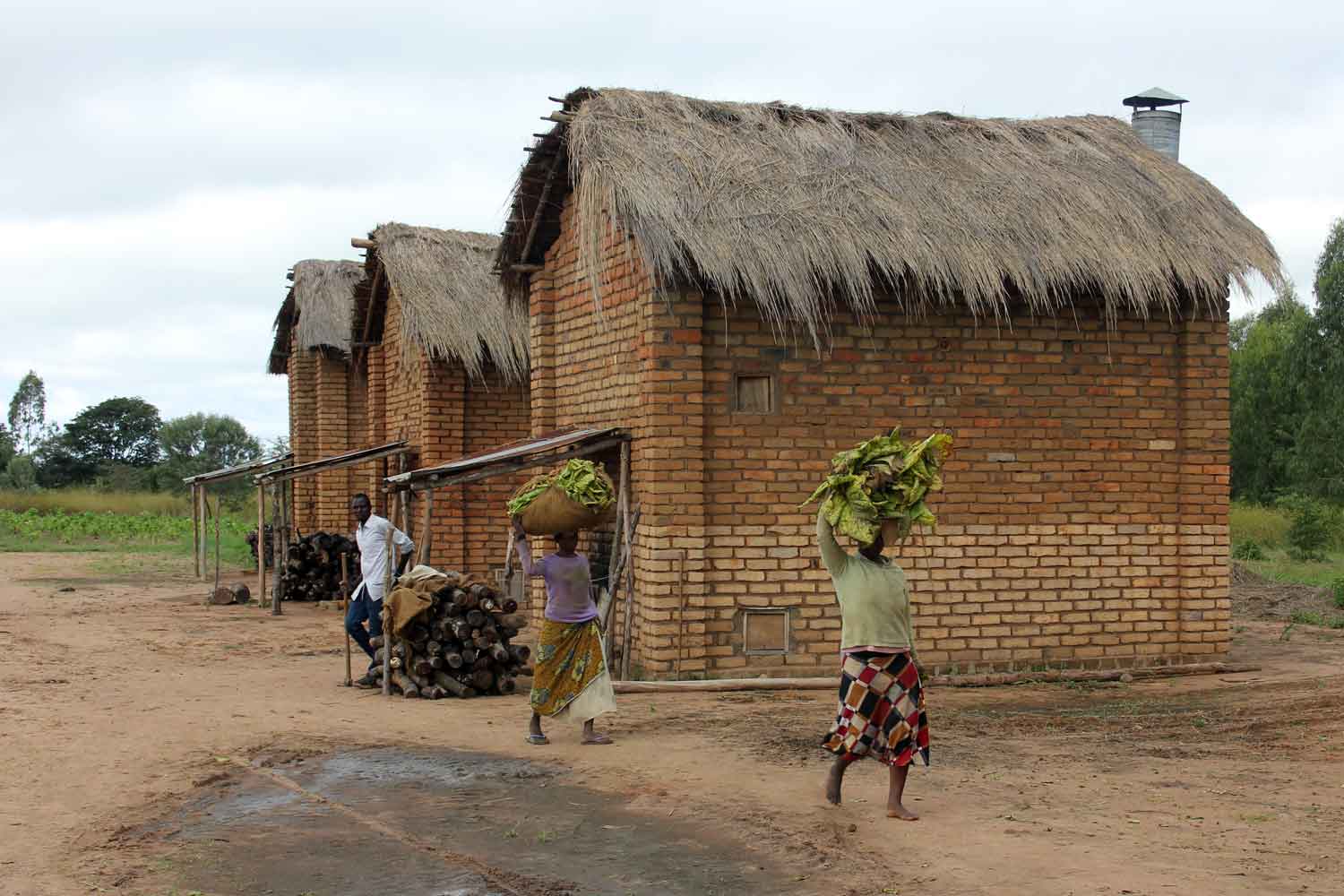
    The Tobacco Research Institute of Tanzania (TORITA) is accelerating efforts to reduce deforestation and improve farmer incomes by promoting renewable energy solutions for tobacco curing. Historically reliant on firewood, the curing process has contributed to forest degradation in key growing regions. TORITA is now advancing solar-powered drying systems and energy-efficient curing barns designed to lower fuel costs, improve productivity, and reduce environmental impact. Chief Executive Officer Dr. Jacob Lisuma said the institute’s research is focused on practical, affordable applications that directly address smallholder challenges rather than theoretical outcomes.

    TORITA is strengthening its impact through partnerships with academic and regional research bodies, including Nelson Mandela African University, the Tobacco Research Board, and Malawi’s Research and Agricultural Technology Institute. Collaboration with regulators such as the Tanzania Fertiliser Regulatory Authority and the Tanzania Plant Health and Pesticide Authority supports the development of improved inputs alongside alternative energy technologies. Funded through government backing and industry levies, the institute’s initiatives aim to align sustainability with profitability, offering smallholder farmers lower curing costs while contributing to long-term environmental protection.