Tag: tobacco farmer

  • Malawi Tobacco Has Record Earnings Despite Falling Prices

    Malawi Tobacco Has Record Earnings Despite Falling Prices

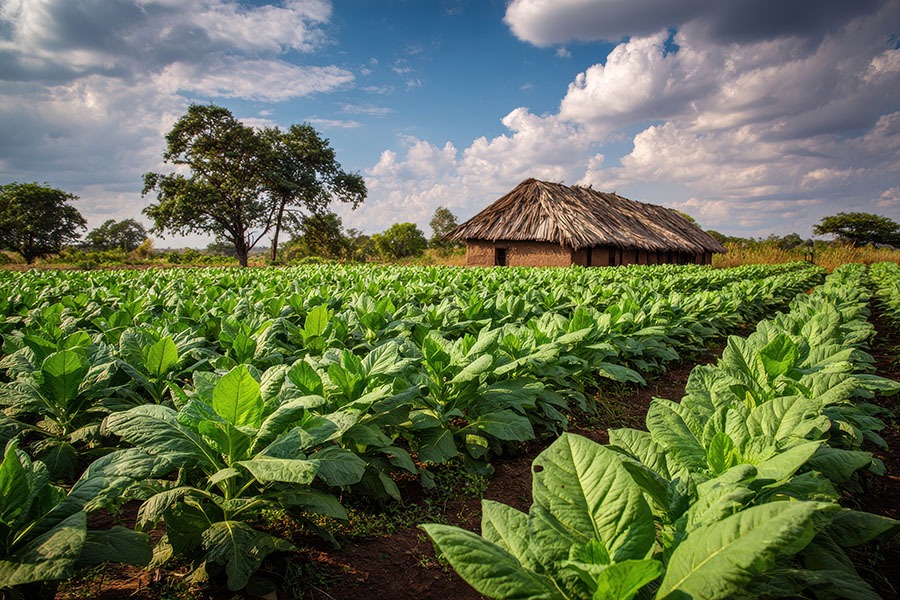
    Malawi’s tobacco sector generated a record $540 million in 2025, driven by a sharp 66% increase in export volumes to 221,000 tons, according to Telephorus Chigwenembe, spokesperson for the Tobacco Commission. The volume offset a decline in average prices to $2.45 per kilogram from $2.98 a year earlier, as tobacco remains a key contributor to the economy, accounting for roughly half of foreign exchange earnings.

    Looking ahead, the 2026 season is expected to face pressure, with production forecast at 197,000 tons against demand of about 170,000 tons. The supply-demand imbalance is likely to weigh further on prices, raising concerns over revenue stability in a sector critical to Malawi’s economic outlook.

  • Tobacco Farming Increase Impacting Fish in Bangladesh

    Tobacco Farming Increase Impacting Fish in Bangladesh

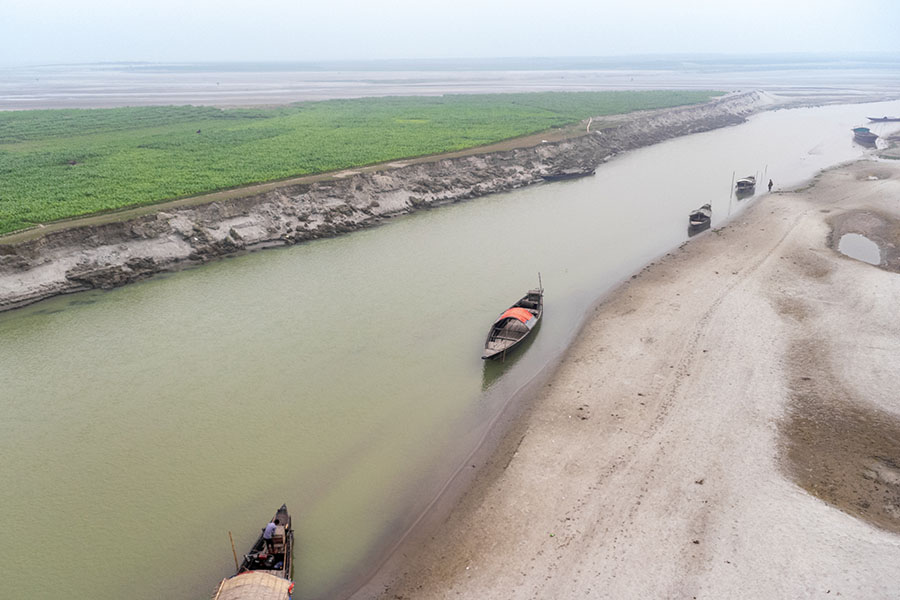
    Tobacco cultivation is rapidly expanding across the char lands of the Teesta River in northern Bangladesh, raising alarm among environmental and fisheries officials who warn that chemical runoff is polluting the river and damaging aquatic life. In Lalmonirhat District, more than 9,000 hectares were planted with tobacco last year, according to the Department of Agricultural Extension, displacing traditional food crops as farmers are drawn by free inputs, advanced cash, and guaranteed purchases from tobacco companies.

    Experts and local fishermen say heavy fertilizer and pesticide use is washing into the river during rains, harming fish breeding and biodiversity, while officials acknowledge difficulties curbing the shift as growers prioritize tobacco’s higher and more predictable returns over environmental concerns.

  • Pakistani Governor Calls for More Revenue to Tobacco Farmers

    Pakistani Governor Calls for More Revenue to Tobacco Farmers

    Faisal Karim Kundi, governor of Khyber Pakhtunkhwa, said the province—Pakistan’s largest tobacco producer—does not receive a fair share of industry profits and tax revenues, despite its significant contribution to national output. Speaking during a meeting at Governor House with Pakistan Tobacco Board Secretary Fakharuddin Khan, officials noted that tobacco is cultivated across districts including Swabi, Mardan, and Charsadda, generating Rs320 billion ($1.2 billion) annually and supporting around 1.2 million livelihoods nationwide, while contributing Rs483 billion ($1.7 billion) in Federal Excise Duty and Sales Tax in FY2024-25. The governor called for greater reinvestment in the province, stronger farmer protections, transparent procurement, adoption of modern farming practices and expanded exports to bolster both provincial and national economic stability.

  • Philippines Planting New Sources for Tobacco-Curing Fuel

    Philippines Planting New Sources for Tobacco-Curing Fuel

    The Philippines’ National Tobacco Authority said it will roll out a five-year sustainable fuelwood program this year to support flue-curing tobacco farmers while promoting reforestation in key growing areas. Under the Kahuyang Pangkabuhayan at Pangkalikasan initiative, 80 hectares of alienable and disposable land will be planted mainly with fast-growing trees such as ipil-ipil, kakawate, and bamboo to supply fuelwood needs and restore ecological integrity. The program, developed with the Environment Department and local governments, is intended to reduce pressure on natural forests while providing additional livelihood opportunities for tobacco-farming communities through 2030.

  • Zimbabwe Boasts 22% Increase in Tobacco Plantings

    Zimbabwe Boasts 22% Increase in Tobacco Plantings

    Zimbabwe’s Tobacco Industry and Marketing Board (TIMB) announced that 27,215 hectares of tobacco have been planted for the 2025-26 season, a 22% increase from last season’s 22,392 hectares that realized $1.2 billion in sales. The increase is especially good news after TIMB announced that only 66% of farmers had registered before the deadline two weeks ago.

    Mashonaland East led the growth with a 41% increase, followed by Manicaland (17%) and Mashonaland West (15.4%). Midlands and Masvingo also recorded significant gains, though on smaller scales. TIMB also announced that a record 23,517 hectares of the crop would be irrigated this year, another accomplishment considering last year small-scale farmers produced over 85% of the crop.

    Zimbabwe remains Africa’s largest tobacco producer and the sixth largest globally, supporting over 160,000 households and contributing more than half of the country’s agricultural exports.