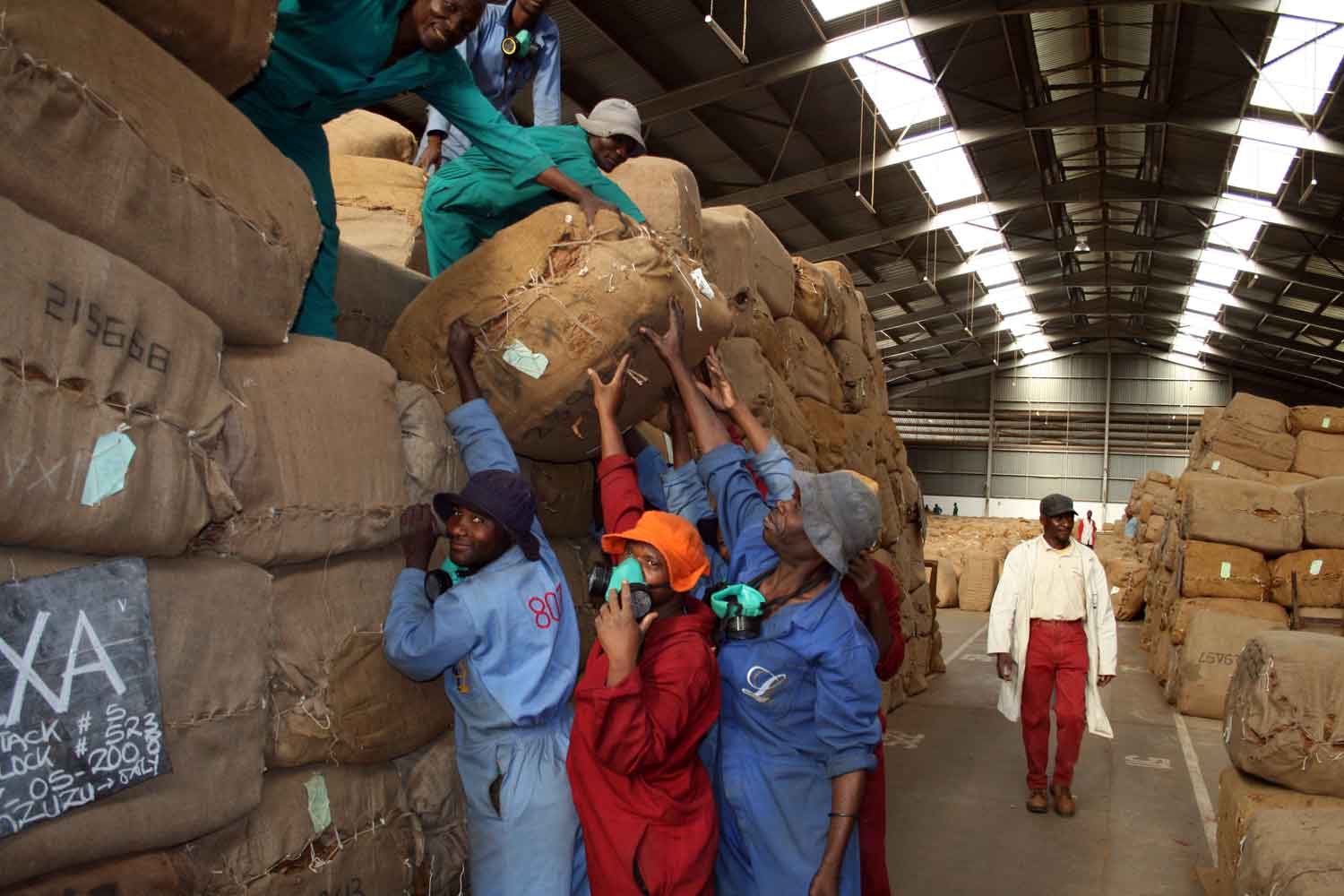
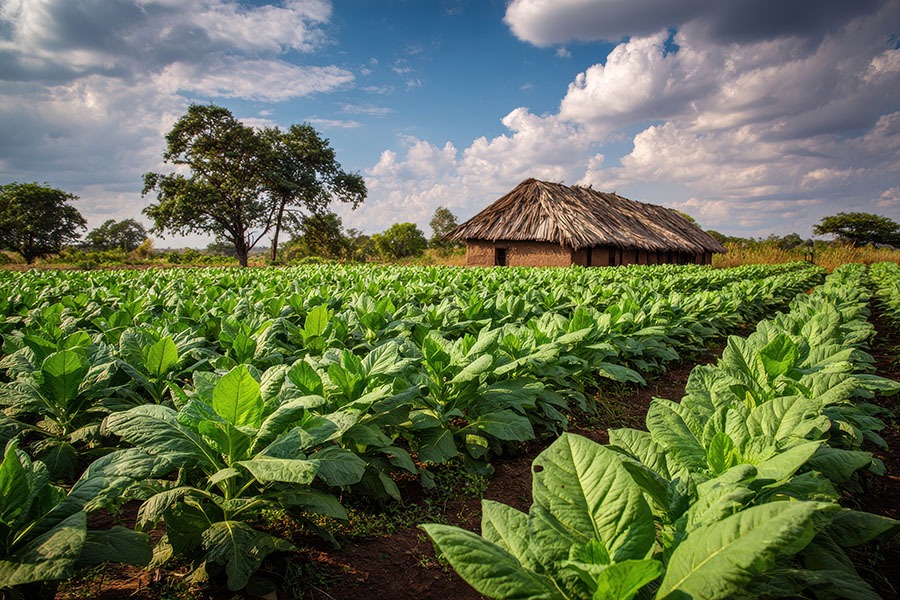
With 67% local financing in place, Zimbabwe has nearly reached its goal of reducing reliance on offshore funding that limits domestic tobacco value retention, according to the Tobacco Industry and Marketing Board (TIMB). TIMB set the goal of 70% local financing, as officials estimate that under external financing models, for every U.S. dollar financed, only 12 cents remains in the country. Tobacco remains the country’s largest agricultural export and second-largest foreign currency earner after gold, generating about $1.2 billion last year.
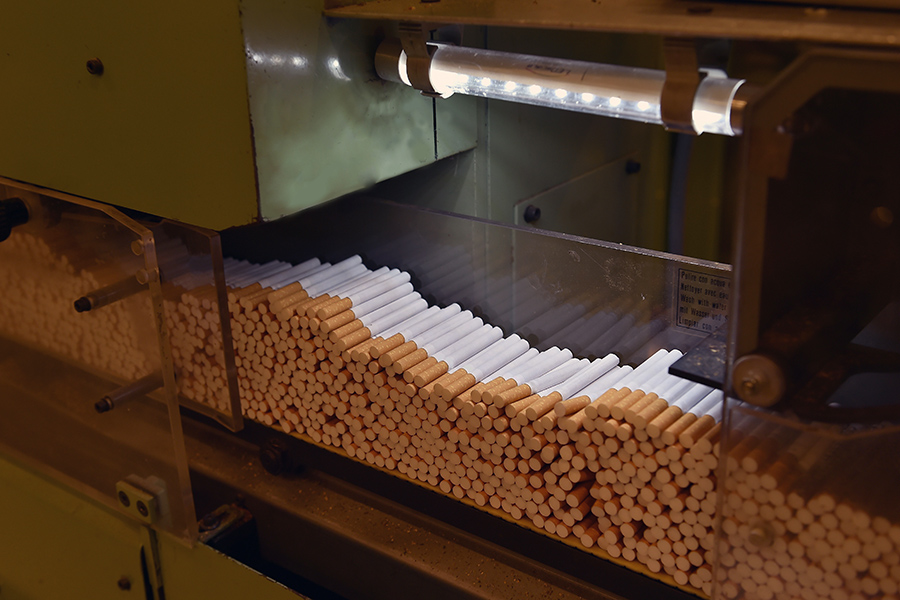
Tobacco output exceeded expectations last year, reaching 355 million kg against a 300 million kg target, with projections of around 400 million kg this year, with more than 90% of tobacco under contract arrangements. While production growth has been strong, value addition remains subdued at 10.78% against a 30% target.
TIMB has also introduced tougher penalties and a biometric grower management system ahead of the new marketing season, significantly raising fines for regulatory breaches. Farmers caught engaging in side marketing will be fined $50 per bale, up from $20, while merchants purchasing such tobacco will pay $200 per bale. Illegal buying point operators, known as “Makoronyera,” risk fines of up to $2,000.
TIMB confirmed that 48 contractors and 46 Class A buyers have been licensed for the 2026 season, with grading categories streamlined to enhance global competitiveness amid evolving climatic and market conditions. Five firms were barred over compliance issues.