

About a third of the way through the year, the slew of proposed legislation throughout the United States has shown some clear trends.
By Marissa Dean
This year has been fast-moving, with many developments, some seemingly small. But when put together, these developments show some common threads and themes, especially when looking at the tobacco taxation and legislation data.
At the Nicotine Resource Consortium, we track relevant legislation as it moves through the state and federal levels. While not every bill or regulation passes and gets put into action, it’s clear through what we’ve seen so far this year that there are some commonalities among states when it comes to tobacco product taxation.
Broadly, many states are imposing higher taxes on both traditional tobacco products and vapor products. For example, Iowa has proposed a tax hike of more than double for cigarettes while taxing vapor products at a combined 50% wholesale rate. New York has proposed an increase in tobacco product tax from 75% to 129% of the wholesale price and a vapor product tax of 48% of retail receipts, more than double the current tax rate. Washington has proposed a new tax of $0.015 per cigarette and $0.30 per mL for vapor products. The state would tax tobacco products other than cigars at 100.05% of the taxable sales price and cigars at 95%. These are just a few examples of the exponential tax increases many states are proposing. We are seeing an uptick in states imposing inventory and floor taxes as well as individual product taxes.
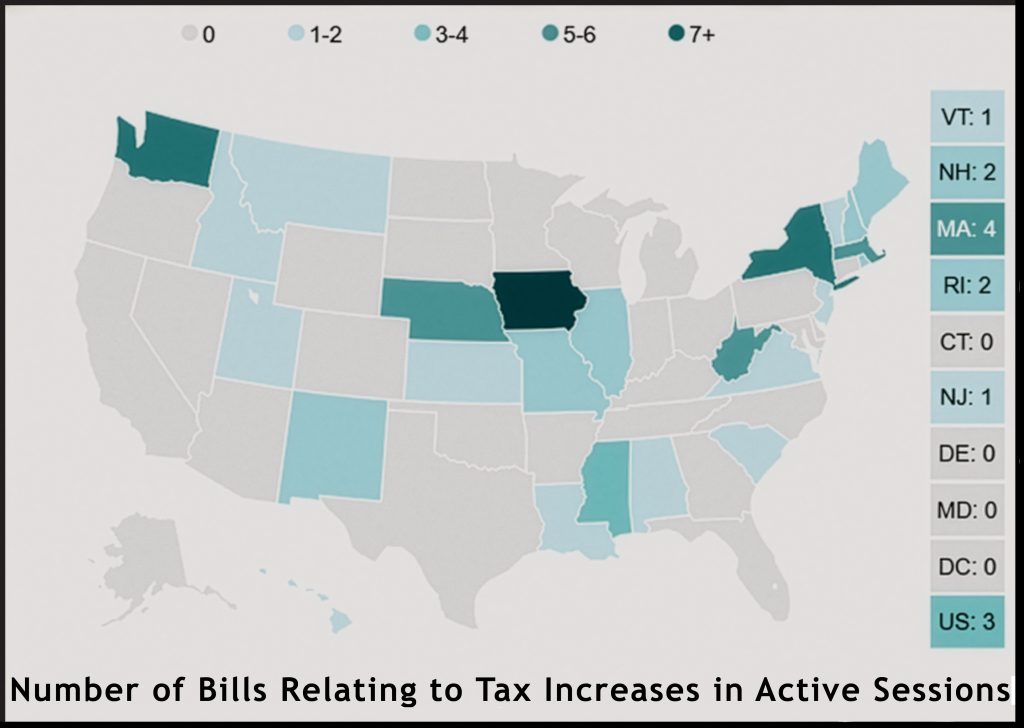
These proposed tax increases follow the trends that CSP noted as likely in January of this year: “With uncertainty around state budgets, many states are likely to consider tobacco excise tax increases to address shortfalls. In 2025, 10 states enacted new or increased tobacco and nicotine product excise taxes, which was higher than in recent years. Additionally, some states that currently do not tax vapor products or nicotine pouches could introduce legislation levying excise taxes on those categories.”
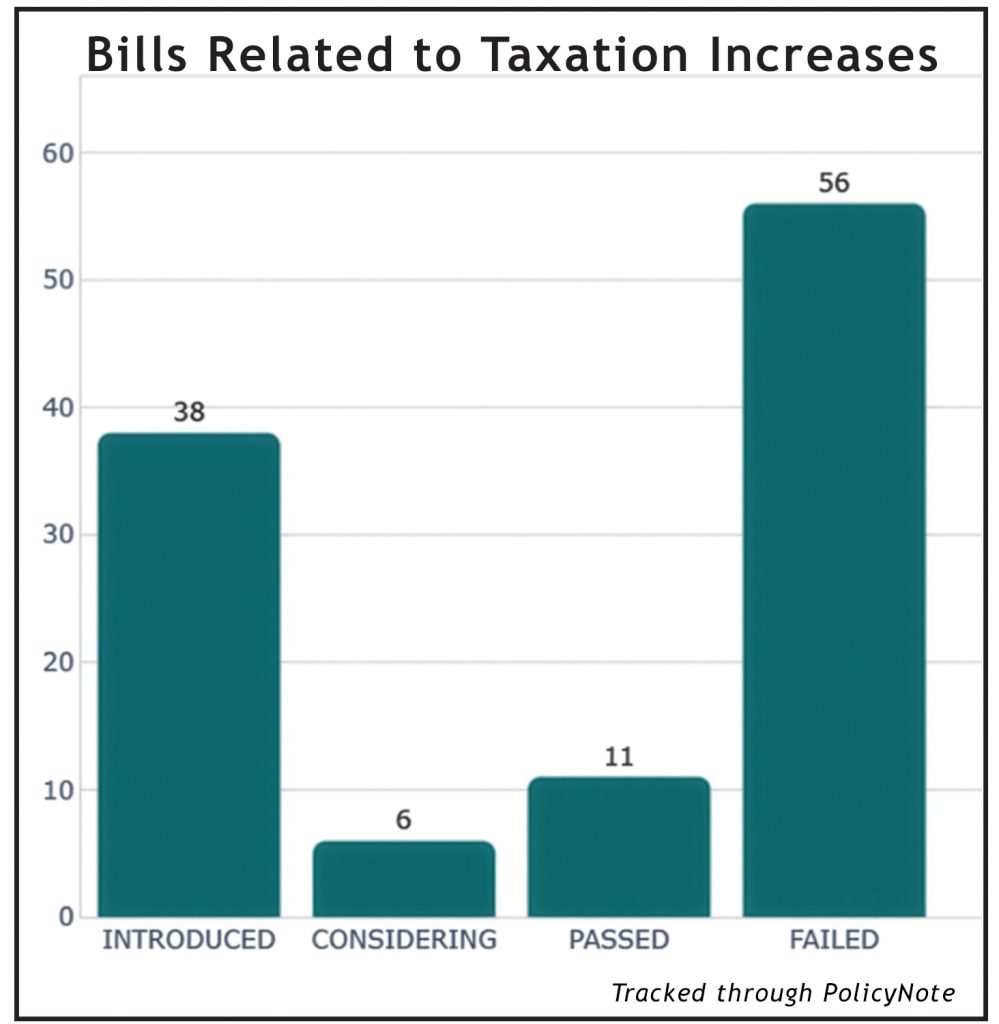
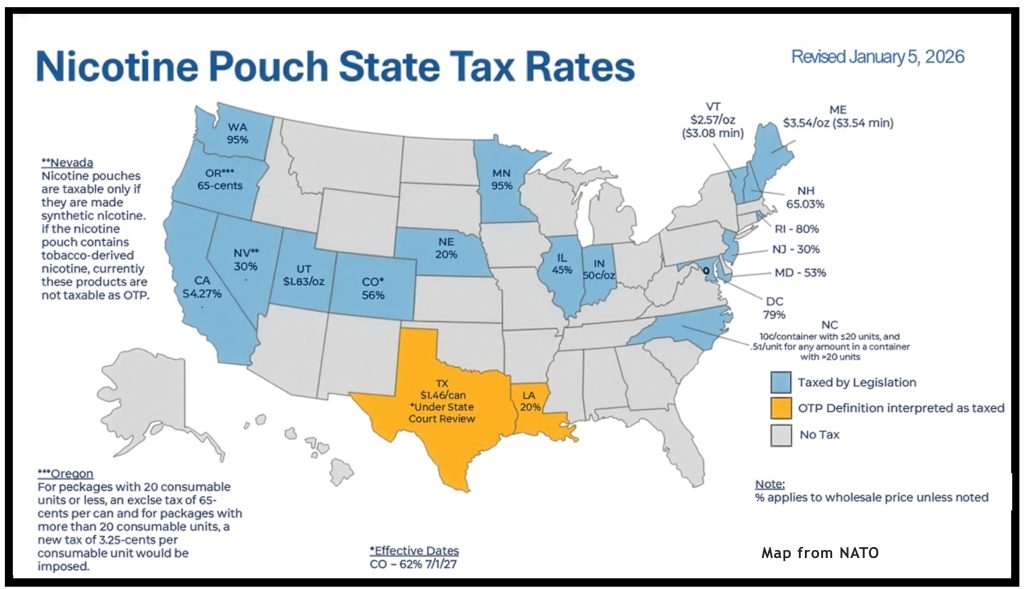
CSP was correct in this evaluation: Along with increased taxes, many states are taxing vapor and alternative nicotine products separately from traditional products such as cigarettes. We’ve seen an increase in legislation specifying definitions of snus/pouches as well as electronic-nicotine delivery systems (ENDS) and vapor products. Many states are now taxing these products separately as their own defined products. Other states are lumping these products under the term “other tobacco products,” which generally include products other than cigarettes and cigars.

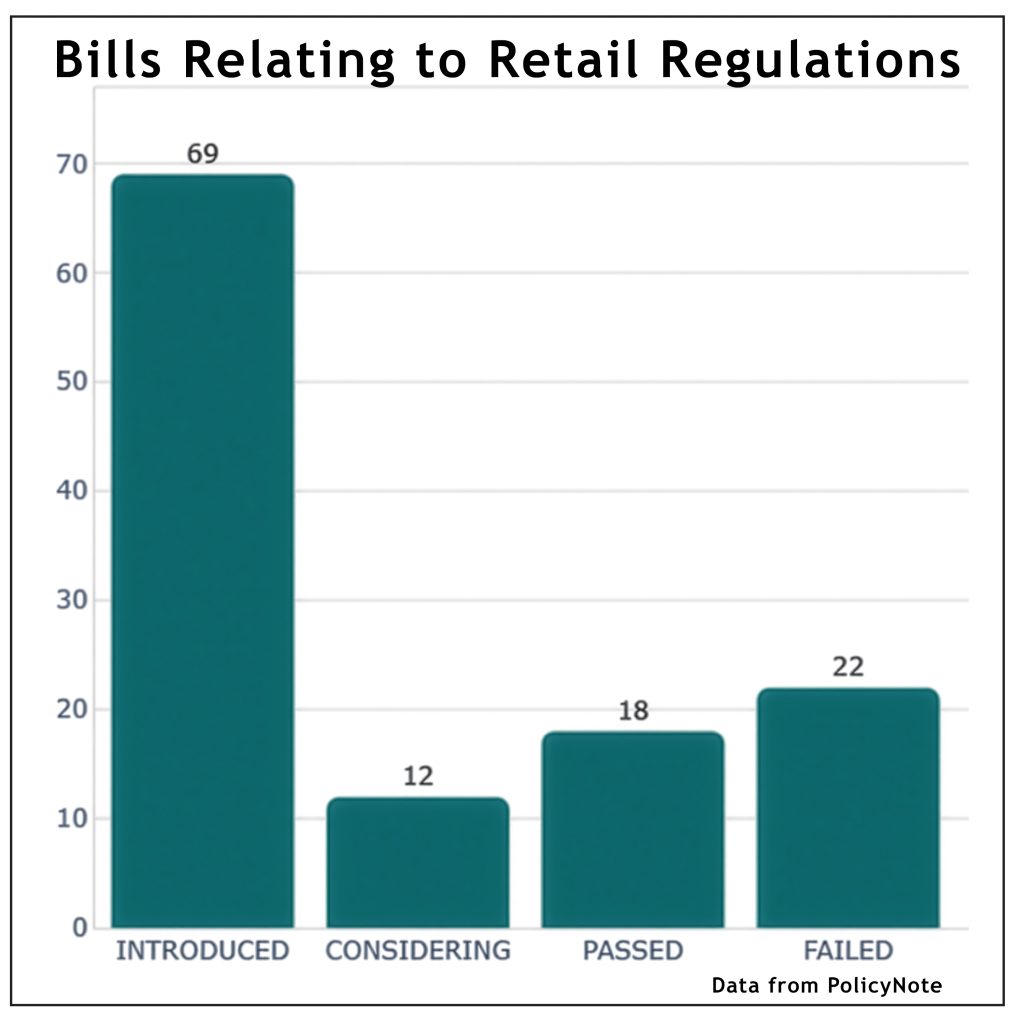
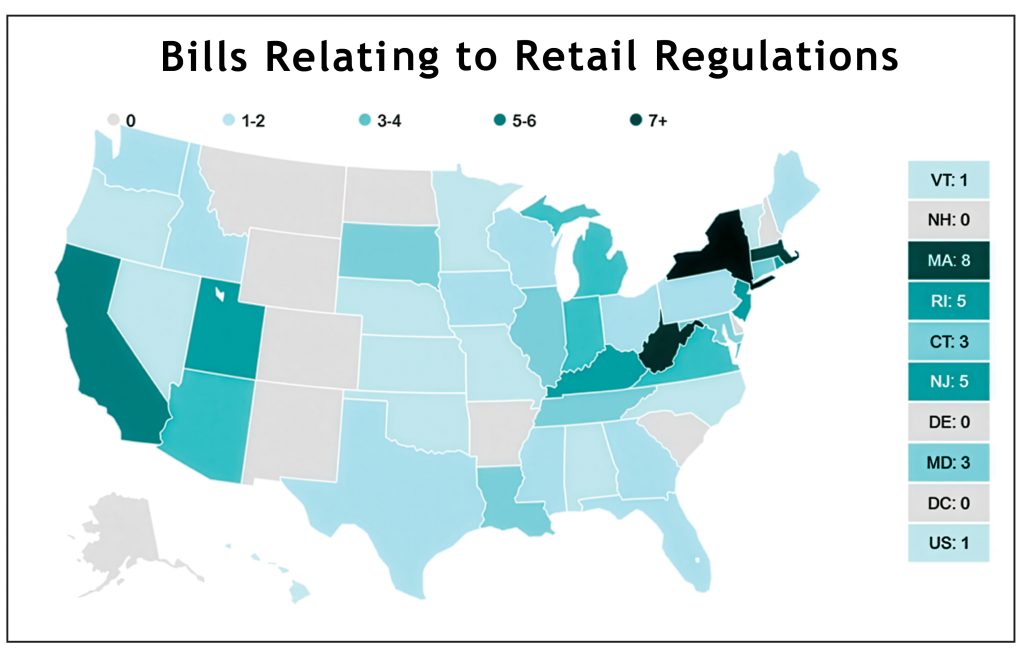
Many states are proposing new and stricter licensing requirements and restrictions as well. We’ve seen a large number of proposed bills requiring very specific information and fees for retail, distribution, and manufacturing licenses in the tobacco and nicotine sector. Some states have even proposed requirements that would prevent out-of-state entities from distributing and selling products within the state without a local agent. These requirements seem to have multiple goals: increasing state revenue and strengthening compliance and regulation. There have been many states focusing on location of retail establishments and implementing age verification measures; both aspects have the goal of preventing youth usage and protecting public health.
Of the legislation we’ve been tracking, here is a breakdown of where the bills relating to retail regulations stand:
The other main trend we’ve noticed is an increase in tobacco tax revenue allocations toward health-related funds or public health initiatives. Many states are allocating tobacco tax revenue to youth prevention programs, cancer research, health care trust funds, and tobacco cessation programs. There has been a large focus on youth education on the harms of tobacco and nicotine products.
The takeaways from these trends are that tobacco and nicotine product taxes are increasing, and governments are beginning to note the differences between traditional tobacco products and other products. We’re seeing vapor products being taxed separately from cigarettes, and nicotine products being taxed differently than traditional tobacco products. States are focusing more on retail and distribution regulation and licensing as well, and there is a large focus on using tax revenues to fund health initiatives across states. Overall, it seems that states are realizing that all products are not made equally, resulting in the separation of product definitions and tax structures, and putting in efforts to curb illicit products and youth uptake while simultaneously using the revenue from these products to increase access to public health initiatives with the goal of creating a healthier population.
This article is in no way a complete overview of the state of tobacco and nicotine legislation across the United States. The trends and thoughts here were compiled from a combination of NRC’s legislation analysis and the use of PolicyNote’s AI Assistant for certain trend data as well as CSP’s early forecast opinions and NATO tax data.