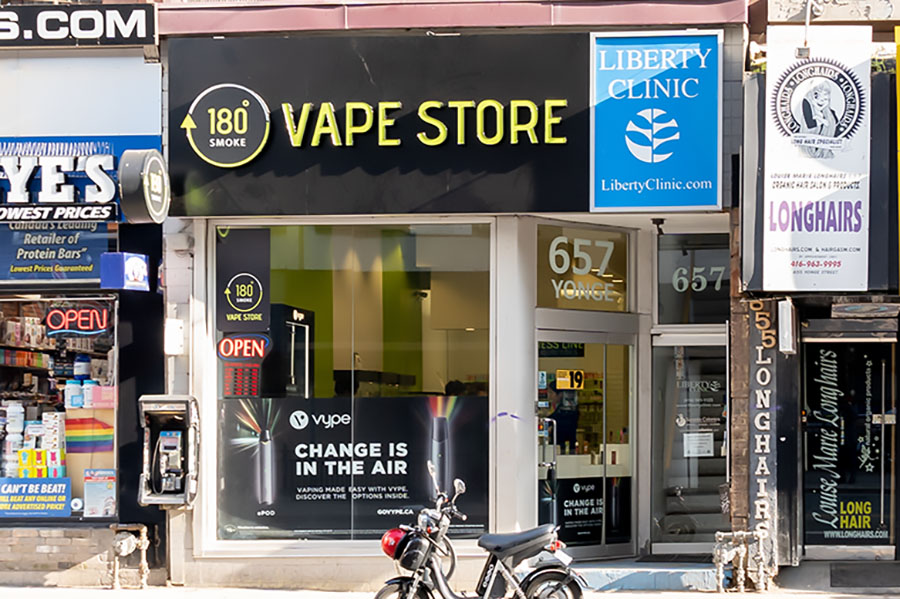
Vaping advocacy group We Vape warned that proposed UK restrictions on the packaging, appearance, and display of vaping products could cost retailers, wholesalers, and manufacturers more than £330 million while providing no proven social benefit, according to Asian Trader. Citing the government’s impact assessment, the group said the measures — including plain packaging, restrictions on device colors and flavor names, and requirements to keep vaping products out of sight in stores — would result in an estimated £328 million in lost profits and £2.8 million in compliance costs for approximately 76,000 retailers. We Vape also criticized the government’s planned £100,000 enforcement budget as inadequate and argued that stronger enforcement of existing underage sales laws would be more effective than imposing additional regulatory burdens on legitimate businesses.
Tag: vape ban
-

Switzerland Backs Cantons in Disposable Vape Ban
Switzerland’s Federal Court upheld the canton (state) of Valais’ ban on the sale of disposable e-cigarettes, dismissing legal challenges brought by the Swiss Tobacco Trade Association, Philip Morris Switzerland, and other parties. The ruling confirms that the ban, which took effect in May 2025 after being approved by the canton’s parliament in 2024, is compatible with federal law and serves legitimate public health and environmental objectives.
The court found that while the federal government has the authority to prohibit disposable e-cigarettes nationwide, individual cantons may enact their own restrictions until such action is taken at the national level.
-

Alabama Denies Injunction Fighting Vape Regulatory Laws
The Alabama Supreme Court upheld a lower court’s decision denying a preliminary injunction against the state’s 2025 law regulating electronic nicotine delivery systems (ENDS), allowing the law to remain in effect while litigation continues. The court ruled that the Vapor Technology Association and retailer Southside Vape had standing to challenge the law, but were unlikely to succeed on their claims that it is preempted by federal law or violates the dormant Commerce Clause.
The justices found that the federal Tobacco Control Act preserves states’ authority to regulate the sale and distribution of tobacco products more stringently than federal requirements, and that Alabama’s restrictions serve a legitimate public health purpose rather than unlawfully discriminating against interstate or foreign commerce. The law establishes certification requirements, fees, and an ENDS product directory, with penalties for retailers selling products not listed on the state-approved directory.
-

Hawaii Bans Disposable Vapes
Hawaii Gov. Josh Green signed legislation banning the sale, distribution, and offering for sale of disposable electronic smoking devices beginning Jan. 1, 2027. Under SB 2175, violators face fines of up to $100 per day per violation. Green also signed HB 1573, which requires manufacturers of electronic smoking devices and e-liquids sold in Hawaii to provide documentation demonstrating FDA authorization, with penalties for noncompliance.
State lawmakers said the measures are intended to curb youth nicotine use and strengthen oversight of vaping products. Rep. Scot Matayoshi also indicated that lawmakers may consider future regulation of nicotine pouches, citing concerns over youth access to emerging nicotine products.
-

UKVIA Forum Targets Vaping Policy Challenges
The UK Vaping Industry Association will unveil new research on the expected impact of the UK’s Vaping Products Duty at its July 13 forum, including findings on consumer behavior, smoking cessation, illicit trade, and stop-smoking services. The association will also release results from a survey of more than 3,500 consumers highlighting the importance of flavors, along with Freedom of Information data on flavor use in local stop-smoking services. UKVIA said the findings are intended to inform debate on upcoming vaping regulations, retailer licensing, and enforcement against illicit sales as the UK prepares to implement the Vaping Products Duty in October.
-

Macau to Significantly Raise Vape Fines
Macau is moving to strengthen its tobacco control law by increasing the fine for illegally bringing e-cigarettes and other novel tobacco products into the territory from MOP4,000 to MOP10,000 ($480 to $1,200) as part of a broader legislative overhaul. The revised bill, which is proposed to take effect on January 1, 2027, would also introduce fines of MOP1,500 ($180) for individuals found in possession of e-cigarettes, while businesses could face penalties ranging from MOP20,000 to MOP200,000 ($2,400 to $24,000). The legislation would prohibit the possession and use of e-cigarettes beginning July 1, 2027, introduce standardized tobacco packaging and larger health warnings from July 1, 2028, and increase warning labels on cigars and cigarillos to cover 70% of each side of the packaging. Officials said the higher import penalties are intended to deter cross-border smuggling of e-cigarettes and other nicotine products.
-
Cambodia’s NACD Calls for Shisha, Vape Suppression
Cambodia’s National Authority for Combating Drugs (NACD) called for stronger enforcement against student use of vapes and shisha, with Chairman and Deputy Prime Minister Neth Savoeun directing authorities to eliminate gatherings where young people use the products in coffee shops and around schools. Speaking at the National Day Against Drugs last week, Savoeun urged provincial governors to take immediate action, warning that such activities threaten the future of Cambodia’s youth.
Savoeun also emphasized the importance of education and prevention alongside law enforcement, encouraging students to reject drugs, e-cigarettes, and other harmful products while promoting anti-drug awareness in their communities. He further instructed authorities to respond more quickly to drug-related reports submitted through the government’s “No Drug” mobile application as part of broader efforts to combat drug crime.
-

Shopify to Ban U.S. Vape Sales
Shopify Inc., the Canada-based e-commerce infrastructure company, is reportedly preparing to ban all vape sales on its platform in the U.S., according to sources cited by Reuters. The move follows sustained pressure from a bipartisan coalition of 25 U.S. state attorneys general who have been pushing technology and payments firms to crack down on online sales of unlicensed e-cigarettes, which regulators estimate represent a multibillion-dollar illegal market. Shopify said in a statement that it prohibits illegal activity on its platform and updates enforcement policies in line with legal requirements, though it did not confirm the scope or timing of the reported ban.
-
UK Could Shut Down Stores Selling Illicit Products for a Year
The UK government announced plans today (June 10) to extend closure orders for businesses linked to criminal activity, including retailers selling illegal tobacco and vaping products, following a series of BBC investigations into organized crime on British high streets. Home Secretary Shabana Mahmood said that under the proposed changes, authorities in England and Wales would be able to shut offending premises for up to 12 months, double the current maximum closure period of six months. The Home Office said the longer closures would give enforcement agencies more time to gather evidence, pursue prosecutions and prevent rogue operators from quickly reopening.
The move has been welcomed by Trading Standards officials and industry observers who have argued that existing powers are insufficient to tackle persistent illegal tobacco and vape sales.
“This is a welcome step from the government,” said Dr Marina Murphy, senior director of scientific affairs at Haypp. “Too often, we hear of corner shops or mini-marts caught by the authorities selling illicit products simply carrying on with their illegal activities immediately afterwards. The penalty for the illegal activity was simply not a deterrent. This has been a source of frustration for both enforcement authorities and responsible retailers. The potential to issue a 12-month closure order on a business is a much more significant penalty and will make those engaged in illegal behavior think twice.”
The announcement follows reports linking some convenience stores, vape shops and barbers to illicit cigarette sales, drug trafficking, money laundering and illegal working. The government said the extended closure powers will form part of a broader crackdown on organized crime in retail settings, alongside a newly announced £30 million High Street Crime Unit. The legislation is expected to be introduced later this year and come into force in early 2027.
-

Fight Over Foreign-Sourced Vape Ban Continues in Texas Appeals Court
Texas officials are asking the U.S. Court of Appeals for the Fifth Circuit to dismiss a lawsuit challenging a state law that restricts the sale of e-cigarette products containing liquids sourced from China and other designated foreign adversaries. According to court filings, the acting Texas comptroller argues the office is protected by sovereign immunity and should not be subject to the lawsuit brought by vape companies and the Vapor Technology Association.
According to Law 360, the dispute centers on a recently enacted Texas law targeting vape products tied to countries identified as foreign adversaries, adding another layer to the increasingly complex regulatory environment facing the U.S. vaping sector. Texas officials have also argued in earlier filings that the plaintiffs lack standing and that claims about business harm remain speculative.