Tag: vape

  • IMPERIAL BRANDS ADDS NEW FLAVOUR TO POPULAR BLU LINE UP

    IMPERIAL BRANDS ADDS NEW FLAVOUR TO POPULAR BLU LINE UP

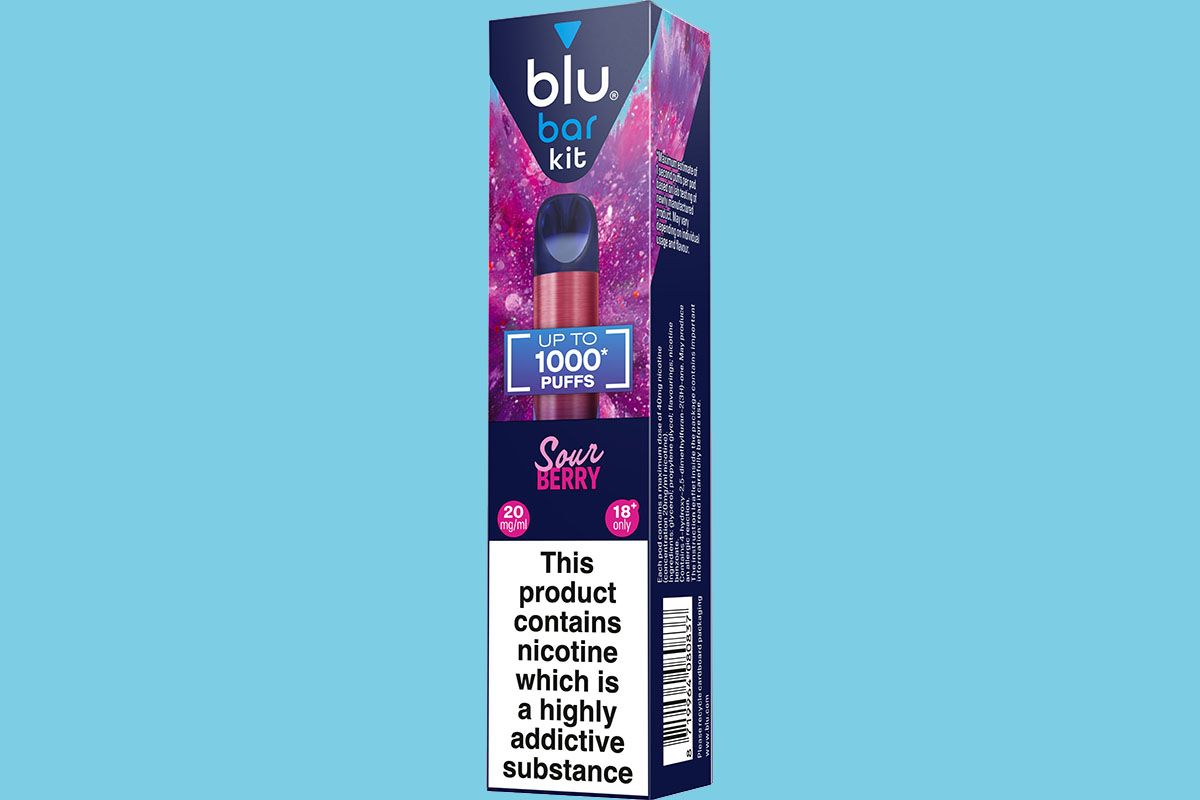
    Imperial Brands has announced the addition of a brand-new flavor to its popular blu vape offering with the arrival of Sour Berry.

    Launching across retail in April, and with an RRP of £5.99, Sour Berry is the newest addition to blu bar kit and blu box kit’s extensive flavor range, bringing the total number of flavor options available to customers to 17.

    With fruit-flavors preferred by 83% of vape users, customer demand is seeking differentiated, less synthetic flavors in this category. In response, Imperial Brands launched Sour Berry to expand its blu vape flavor range in line with customer preferences. The newest addition will offer a more authentic flavor profile of wild berries, sharpened by tartness, to provide a superior flavor experience for users, engaging their senses with distinct, vibrant berry notes.

    The new Sour Berry flavor uses the innovative AuthentiTaste formulation, which are liquids crafted with flavorings that mirror real fruit profiles and sensorial cues – like sourness – delivering a fresh, captivating experience.

    The new Sour Berry flavour will be available in two formats:

    • blu bar kit: Offering 1,000 puffs of intense, authentic flavor per prefilled, replaceable pod. The kit features a sleek device and is compatible with all other flavors in the extensive blu pod range, allowing users to enjoy a variety of flavor experiences.
    • blu pod pack: Each pack includes two replacement blu pods, delivering an impressive total of 2,000 puffs per pod pack.

    Shirley Soccio, Head of Consumer Marketing UK & Ireland at Imperial Brands, commented: “Vape users across the UK continue to demand new and exciting flavors. As a business, we remain committed to ensuring our range reflects evolving customer taste preferences. For retailers, this means that they can in turn offer the best products and experiences to their customers.

    “A recurring point of feedback among customers is that they see some flavors on the market as artificial or one-dimensional. To address this, Sour Berry has been formulated specifically to offer an unexpected yet genuine flavor experience, which we anticipate will create strong demand from vape users.”

    For further information, visit https://www.blu.com/en-GB.


  • Charlie’s Holdings Reports 169% Revenue Increase

    Charlie’s Holdings Reports 169% Revenue Increase

    Charlie’s Holdings, Inc. reported a sharp turnaround in 2025, with revenue rising 169% year over year to $20.9 million and net income of $4.5 million, compared with a $4.2 million loss in 2024. The company’s auditor, Urish Popeck & Co., LLC, issued a clean opinion that removed prior “going concern” language, strengthening Charlie’s position for a planned uplisting to a national exchange in 2026. Balance sheet metrics improved materially, with cash increasing to $1.3 million, total assets to $11.6 million, and shareholders’ equity returning to a positive $3.4 million from a deficit position a year earlier.

    Performance was supported by $7.5 million in PMTA-related asset sales to a strategic buyer, growth in SBX nicotine-analogue disposables, and the opening of a U.S. manufacturing facility in Q4. Looking ahead, Charlie’s plans to expand chain convenience distribution, pilot an AI/blockchain age-gating system with IKE Tech, introduce high-capacity disposable devices under SBX and Pachamama, pursue additional PMTA partnerships, grow international sales, and advance its exchange uplisting, while positioning its regulatory compliance and youth-access controls as differentiators in a market the company says is pressured by illicit imports.

  • Nicokick Urges Clarity on Smoke-Free Information

    Nicokick Urges Clarity on Smoke-Free Information

    Nicokick.com, owned by Haypp Group, called on policymakers and health professionals to provide clearer, evidence-based information distinguishing the risks of combustible cigarettes from non-combusted nicotine products. The appeal follows a report by the Foundation for American Innovation highlighting high tobacco and nicotine use among U.S. servicemembers and recommending that institutions recognize differences between product types when addressing health and readiness. Nicokick cited the U.S. Food and Drug Administration’s recognition of a “continuum of risk” across tobacco products and said improved adult-focused communication could help consumers and healthcare professionals better understand these distinctions while reinforcing that smoke-free products are intended only for existing adult users.

  • Geekvape Introduces New Products in Paris

    Geekvape Introduces New Products in Paris

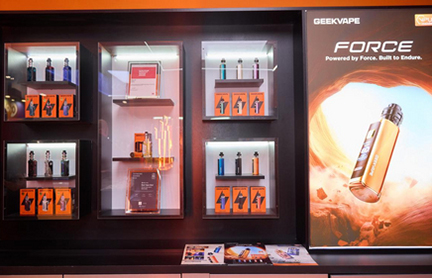
    Geekvape introduced several new products at Vapexpo Paris, including the Force device and the Aegis Mini 5, expanding its performance-focused and durability-oriented portfolio. The company also highlighted the Legend 5 10th Anniversary Edition within its Aegis series, alongside Neutra, a refillable system designed with environmental considerations. The launches were presented within a “Future Store Experience” concept booth that reflected Geekvape’s updated retail visual identity and integrated product display with sustainability themes.

  • New Zealand Partners with Vape Company That Sued it Five Times

    New Zealand Partners with Vape Company That Sued it Five Times

    Health New Zealand has partnered with Alt NZ Limited to supply free vape kits through 29 national stop-smoking services, distributing over 7,000 kits thus far. The NZD 500,000 ($295,000) procurement followed an open process requiring compliant closed-pod devices and refills, with strict adherence to tobacco control policies. Alt previously challenged the Ministry of Health in five court cases between 2023 and 2025 over nicotine limits, arguing its best-selling products exceeded 28.5 mg/mL and accounted for 85% of revenue. The courts largely upheld the Ministry’s regulatory changes, which lowered the maximum nicotine level from 50 mg/mL to 28.5 mg/mL.

    Alt director Jonathan Devery said higher nicotine strengths are more effective in helping smokers quit, while Health NZ noted the program begins users on 28.5 mg/mL for six weeks before tapering down. All products meet legal and compliance standards, with the Ministry emphasizing that regulated levels are sufficient to support cessation.

  • South Korea to Regulate Vapes as Conventional Tobacco

    South Korea to Regulate Vapes as Conventional Tobacco

    South Korea announced it will regulate synthetic nicotine e-cigarettes under conventional tobacco laws starting April 24, closing a loophole that previously exempted these products from oversight. Under the revised Tobacco Business Act, synthetic nicotine is treated like traditional tobacco, banning its use in smoke-free zones with fines up to 100,000 won ($69), requiring sellers to register as authorized retailers, and prohibiting online sales. The law also targets youth-focused marketing, limiting flavor descriptors and packaging imagery, with violations carrying fines up to 5 million won ($3,472).

    The Korea Disease Control and Prevention Agency reported a youth vaping rate of 2.9% in 2025, close to 3.3% for conventional cigarettes, with 61.4% of youth smokers using both. Health officials said the revision establishes a youth smoking prevention network aligned with WHO FCTC standards.  

  • Industry Mobilizing to Support UK Vapers

    Industry Mobilizing to Support UK Vapers

    The UK vaping industry is mobilizing to support adult smokers and protect access to vaping amid potential regulatory changes. The UK Vaping Industry Association (UKVIA) will run the ninth annual VApril campaign in April 2026, providing evidence-based guidance, expert advice, and personal success stories to help smokers switch to vaping. The campaign also aims to raise awareness of the Tobacco and Vapes Bill — which would restrict flavors, packaging, and product displays — and to encourage vapers to engage with policymakers.

    Meanwhile, the New Nicotine Alliance has launched the Save Vaping campaign to oppose a proposed public vaping ban, warning it could push former smokers back to cigarettes, create enforcement burdens for businesses, and mislead the public on relative risk. Both campaigns provide resources for vapers to contact MPs, highlight successful quitting stories, and ensure consumers have access to reliable information on vaping as a safer alternative to smoking.

  • S. Carolina Looking to Cut Tax on HTPs, Add for E-liquids

    S. Carolina Looking to Cut Tax on HTPs, Add for E-liquids

    South Carolina lawmakers are considering legislation that would cut the excise tax on heated tobacco products by more than half, arguing the devices pose lower health risks than traditional cigarettes and could help smokers transition away from combustible tobacco. Republican Sen. Tom Davis, chair of the Senate Labor, Commerce, and Industry Committee, said the products provide a similar experience to smoking but with fewer harmful chemicals, and argued the tax structure should reflect the relative risk compared with conventional cigarettes.  The bill, introduced last year, imposes a separate excise tax on heated cigarettes of 25 cents per pack of 20, effectively cutting the HTP tax rate by 45 cents from the combustible rate of 70 cents per pack.

    Public health groups oppose the proposal, with the American Heart Association warning that reducing taxes could encourage continued nicotine use or product switching rather than quitting. The bill would also introduce a new excise tax on vaping products of five cents per milliliter of vape liquid, as South Carolina currently has no tax on e-cigarettes. According to the state fiscal office, heated tobacco products are not currently sold in the state, though companies have marketed them there previously and could reenter the market if the legislation passes.

  • S. Africa Exempts Smokeless Tobacco from New Regs

    S. Africa Exempts Smokeless Tobacco from New Regs

    South Africa’s Department of Health plans to exempt non-combustible and smokeless tobacco products such as snus, chewing tobacco, nicotine pouches, and e-cigarettes from key provisions of the Tobacco Products and Electronic Delivery Systems Control Bill, according to Times Live. Deputy Director-General Jeanette Hunter said the exemption reflects their lower toxic profile, though rules will still restrict misleading claims, shapes, and descriptors to protect children.

    Parliamentary debate raised cultural and enforcement concerns, with the African Transformation Movement’s Vuyo Zungula calling for clear exemptions for traditional snuff use, and Freedom Front Plus’ Philippus van Staden citing limited law enforcement and border controls. Health Minister Aaron Motsoaledi clarified that cultural use of combustible tobacco is rare, while Hunter highlighted that smoking remains prohibited in public spaces, with compliance largely enforced by public awareness rather than police presence.

  • Fifth Circuit Affirms FDA’s Vape Rule

    Fifth Circuit Affirms FDA’s Vape Rule

    The U.S. Court of Appeals for the Fifth Circuit upheld a 2021 rule issued by the U.S. Food and Drug Administration requiring manufacturers seeking premarket tobacco product authorization to investigate and disclose health effects data, according to Law 360. In a unanimous opinion, the three-judge panel found the agency complied with the Regulatory Flexibility Act by reasonably certifying that the rule would not have a significant economic impact on a substantial number of small entities, affirming a February 2025 summary judgment in FDA’s favor.

    Plaintiffs, including e-liquid manufacturers and the United States Vaping Association, argued the FDA improperly relied on economic analysis from its 2016 deeming rule and failed to consider less burdensome alternatives. The court rejected those claims, holding that the 2016 assessment provided an adequate factual basis and that key requirements — such as submitting all known health-risk information — are mandated by the Tobacco Control Act and cannot be waived by regulation. The decision leaves the 2021 PMTA rule intact in Kealani Distribution LLC et al. v. FDA.