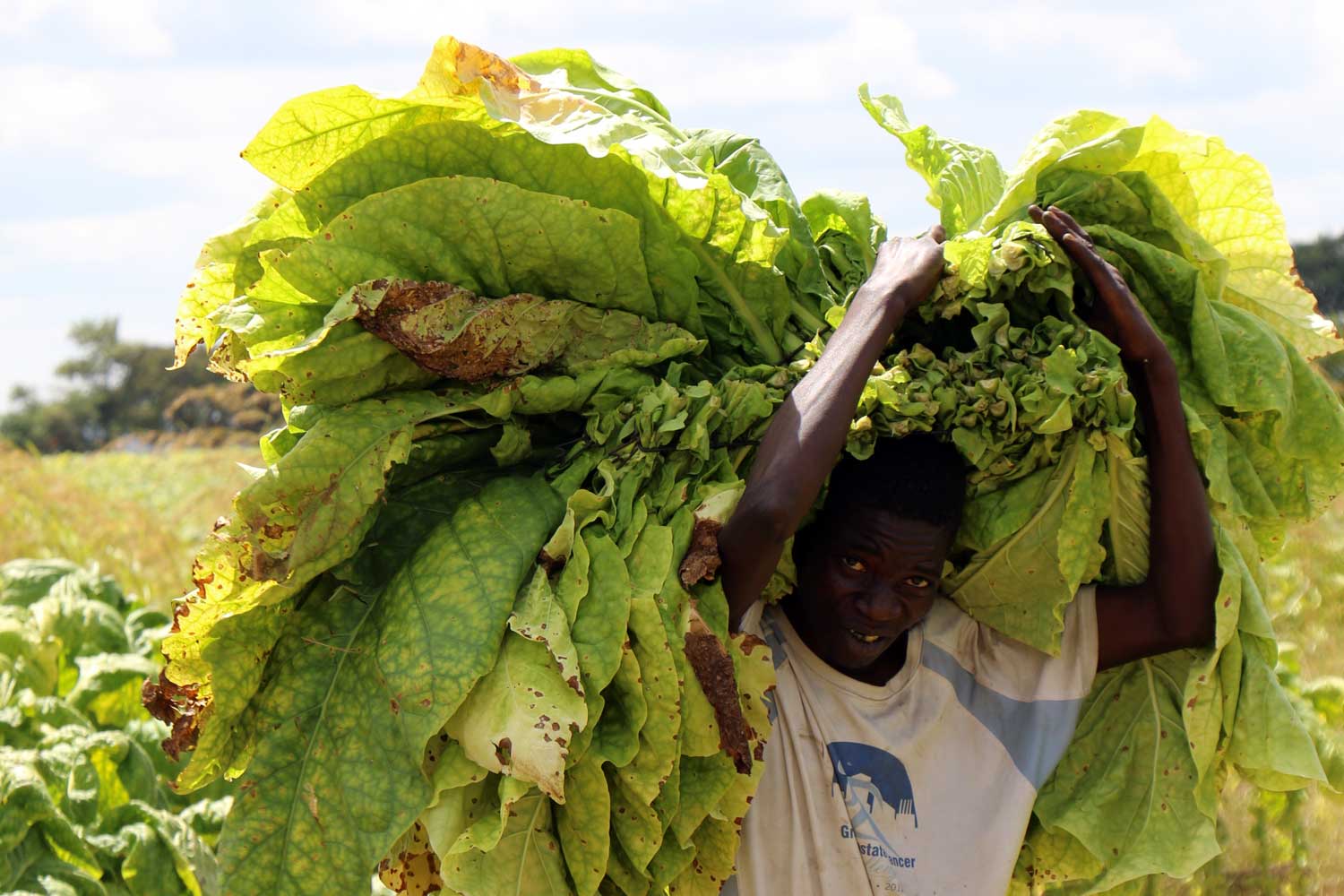
Zimbabwe farmers had planted 22,918 hectares of tobacco by Oct. 30, up 28% from 17,867 hectares during the same period last year, according to the Agricultural Development Advisory Services. Of the total, 87% (19,998 hectares) was under irrigation, while 2,920 hectares were dryland crops. Mashonaland East led production with 7,949 hectares planted, followed by Manicaland with 7,148 hectares, and Mashonaland Central with 4,274 hectares.
The Tobacco Industry and Marketing Board is encouraging growers to invest in irrigation and limit plantings to areas they can manage with available resources amid dry conditions and concerns about El Niño. Zimbabwe Tobacco Growers Association President George Seremwe said high temperatures and limited water supplies were affecting some crops, while dryland farmers were preparing seedlings for transplanting when sufficient rainfall arrives. Rising input and capital costs also remain a challenge for smallholder farmers, according to Tobacco Farmers Union Trust President Edward Dune.