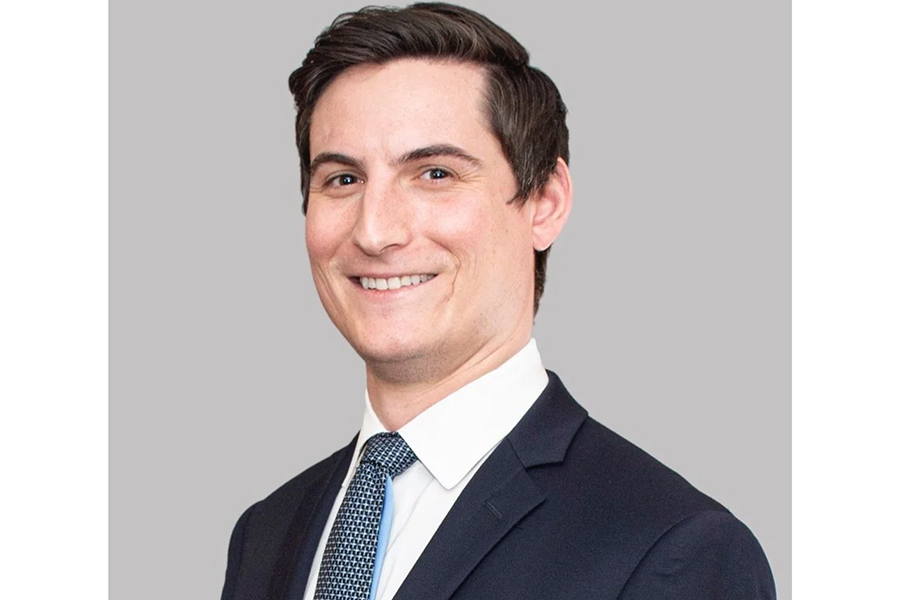
Benjamin Dessart, head of external affairs at Universal Corporation, used his GTNF 2026 keynote in Lisbon to compare the regulatory approaches of the U.N. Framework Convention on Climate Change (UNFCCC) and the WHO Framework Convention on Tobacco Control (FCTC), arguing that transparency, stakeholder participation and due process produce stronger policymaking. Dessart said climate policy has embraced collaboration with industry, while an increasingly restrictive interpretation of FCTC Article 5.3 has limited participation by tobacco-industry stakeholders. He contrasted the UNFCCC’s Article 6, which calls for public participation in addressing climate change, with FCTC Article 5.3, which requires parties to protect tobacco-control policies from commercial and other vested interests of the tobacco industry.
Dessart said the difference has become increasingly visible at the respective Conferences of the Parties, noting that climate COPs provide greater public access and increasingly engage industry, while tobacco COPs have tightened observer and media access. He presented a regression analysis of 48 European countries comparing FCTC implementation levels with changes in tobacco use from 2000 to 2025. According to his presentation, the analysis produced an R-squared of 0.02 and a p-value of 0.32, indicating no statistically significant relationship between the level of FCTC implementation and reductions in tobacco use.
Dessart pointed to the U.S., which is not a party to the FCTC, as an example of a country that engages stakeholders and has adopted a harm reduction approach. He said U.S. tobacco use declined 23.4% between 2000 and 2025, compared with declines of 25.9% in the United Kingdom, 26.7% in Austria, 30% in Sweden and 33% in Norway. He concluded by calling on industry, farmers, retailers and consumers to participate when governments seek input and said industry must be “a trusted partner” by being transparent, consistent and intellectually honest.