

Philip Morris International announced it will host a live webcast on July 22 at 9 a.m. ET to discuss its second quarter and first half 2026 financial results, which are scheduled to be released earlier that morning at approximately 7 a.m. ET. The presentation will be led by Group Chief Financial Officer Emmanuel Babeau and incoming Group CFO Massimo Andolina and will include a review of the company’s financial performance, followed by a question-and-answer session with the investment community. A replay, presentation slides, and transcript will be made available after the event.
Blog
-

Nicotine Pouches May Cause Receding Gums: Study
A new Swedish study suggests tobacco-free nicotine pouches may cause gum recession, redness, and oral discomfort, with effects comparable to — and in some cases greater than — those associated with traditional snus. Researchers at the Karolinska Institute found that 45% of nicotine pouch users exhibited receding gums, compared with 52% of snus users and just 6% of non-users, with damage typically occurring where the pouches were placed. The study also found nicotine pouch users experienced more gum irritation than snus users, which researchers said may be linked to flavoring ingredients. While the absence of tobacco eliminates exposure to many known carcinogens, the authors said the long-term health effects of nicotine pouches remain unclear and warrant further study.
-

FDA Releases PATH Study Data from Wave 8
The U.S. Food and Drug Administration’s Center for Tobacco Products (CTP) and the National Institutes of Health’s National Institute on Drug Abuse (NIDA) released the Wave 8 Public-Use Files from the Population Assessment of Tobacco and Health (PATH) Study, providing researchers with nationally representative survey data collected between January and December 2024. The longitudinal study tracks tobacco and nicotine use among U.S. adults and youth and is a key source of evidence used by FDA to inform tobacco regulatory decisions under the Family Smoking Prevention and Tobacco Control Act.
The agencies also updated the Wave 7 Biomarker Restricted-Use File with new tobacco-specific nitrosamine and F2-isoprostane data, expanding the resources available for studying tobacco exposure and health effects. Researchers can request access to the restricted-use biomarker files, while the public-use datasets, documentation, and updated master linkage files are available for download.
The PATH Study is one of the most widely used data sources for analyzing trends in tobacco and nicotine product use, including cigarettes, e-cigarettes, and oral nicotine products. The latest data release is expected to support ongoing research into consumer behavior, product use patterns, and health outcomes that inform both FDA regulatory science and industry analysis.
-

Pakistani Growers Protest ‘Violation’ of Tobacco Purchase Agreement
Tobacco growers in Pakistan’s Khyber Pakhtunkhwa province accused the local management of a multinational tobacco company of failing to honor procurement agreements by refusing to purchase leaf that farmers say meets agreed quality standards. Protesting outside the Pakistan Tobacco Company’s depot in Charsadda, growers claimed the alleged refusal has left hundreds of farming families facing financial hardship during the marketing season and warned that continued purchasing delays could discourage future tobacco cultivation.
Farmer representatives are calling on provincial and federal authorities to intervene, investigate the dispute, and ensure procurement contracts are honored, while threatening to escalate demonstrations if the company does not resume purchases.
-

Dutch Authorities Trying to Break ‘Fixed Revenue Model’ of Illicit Cigs
Dutch Customs announced that it seized 106 million illicit cigarettes during the first half of 2026 as authorities intensified efforts against what officials describe as an increasingly important revenue source for organized crime. The majority of the illegal cigarettes were intercepted in sea containers, prompting Customs to expand its joint enforcement unit with the Fiscal Information and Investigation Service (FIOD) and deploy new detection algorithms at Schiphol Airport to identify travelers carrying excess tobacco products.
Customs Director-General Nanette van Schelve said tobacco smuggling has become a “fixed revenue model” for criminal networks alongside cannabis, with the Netherlands’ high tobacco excise taxes continuing to make the illicit trade attractive.
-

Authorities Seize $7M in Illegal Tobacco, Vapes in Tasmania
Tasmanian authorities seized nearly A$10 million ($7 million) worth of illicit tobacco and vaping products during the 2025-26 financial year, including 5.43 million cigarettes, 2,535 kilograms of loose tobacco, and nearly 30,000 illegal vapes, following intensified enforcement efforts and closer cooperation between the Department of Health and Tasmania Police. The seizures come as the state implements tougher laws targeting illicit tobacco and vape sales, including higher penalties, new business closure powers, and restrictions on vending machine sales. At the same time, Tasmanian officials are urging Australia’s federal government to reduce tobacco excise taxes, arguing that high cigarette prices are fueling black market growth, reducing excise revenue, and strengthening organized crime despite continued declines in smoking rates.
-
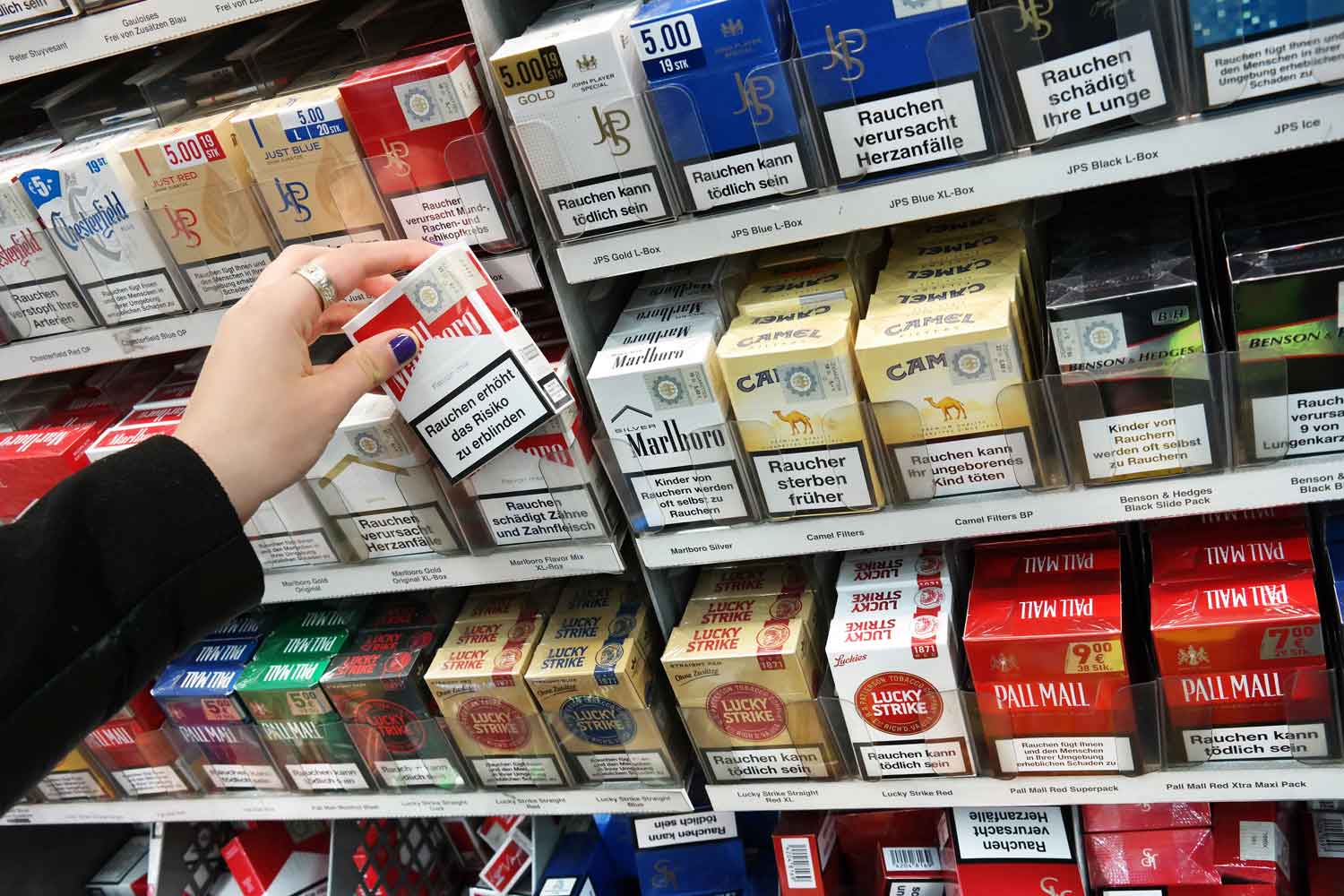
New German Plan Would Raise Cigarette Packs to €12 by 2030
DW Media reported that Germany’s coalition government is planning a steeper increase in tobacco excise duties than previously proposed, with draft Finance Ministry plans expected to raise the average price of a pack of cigarettes from about €8 to €12 by 2030, while also increasing taxes on fine-cut tobacco used for roll-your-own cigarettes.
According to German media reports, the higher-than-expected tax increases are intended to help close a budget shortfall while supporting the government’s public health objective of reducing smoking rates among youth and adults. The proposed measures would further increase the tax burden on the tobacco industry in one of Europe’s largest cigarette markets, where roughly one-quarter of the population aged 15 and older are regular smokers.
-

Oregon Court Clears Path for Flavored Tobacco Ban
The Oregon Supreme Court declined to review a lower court ruling upholding Multnomah County’s ban on flavored tobacco and nicotine products, effectively clearing the final legal hurdle for the ordinance to take effect after nearly four years of litigation. The decision follows a similar ruling involving Washington County, meaning flavored tobacco restrictions will soon cover roughly one-third of Oregon’s population.
For the tobacco and vaping industry, the ruling marks a significant legal setback after challenges brought by the 21+ Tobacco and Vapor Retail Association of Oregon and vape retailers failed to overturn the measure. Industry representatives argued the ban will drive consumers to the illicit market rather than reduce youth access, while supporters contend flavored products are a key driver of youth tobacco initiation and view the court’s decision as a major victory for public health policy.
-

Women Fueling UK Pouch Market Growth
A new Nicotine Pouch Report from Haypp indicates that women are becoming a major driver of growth in the UK nicotine pouch market. According to the report, the number of female customers on Haypp.com and Northerner.com more than tripled during 2025, with nicotine pouch sales to women increasing 202% compared with a 25% increase among men. Women now account for 40% of nicotine pouch sales on Haypp Group platforms, up from 22% previously, reflecting a shift toward broader adoption similar to trends seen in Sweden.
The report found that discretion is the leading reason women choose nicotine pouches, while flavor ranks as their top purchasing factor, compared with price for men. Among female pouch users, 55% said they had quit smoking after switching to nicotine pouches, and 75% reported encouraging others to move away from cigarettes, suggesting growing consumer acceptance as the category expands.
-

Philippine Authorities Pushing for Tougher Penalties in Illicit Tobacco Fight
Philippine lawmakers and prosecutors are calling for stronger prosecution efforts to combat the country’s growing illicit tobacco trade, arguing that product seizures alone have failed to deter organized criminal networks. Speaking at the Third International Tobacco Summit, House Public Order and Safety Committee Chair Rolando Valeriano urged law enforcement to prioritize securing convictions, while noting that illicit trade remains highly profitable if offenders are not held accountable. The push comes as a recent EU-ASEAN Business Council and Euromonitor International study estimated the Philippines lost about ₱141 billion ($2.3 billion) in tax revenue over the past two years due to illicit tobacco products, with illegal products accounting for roughly one-quarter of cigarette sales and more than 80% of vape sales.
Officials also highlighted proposals for an Anti-Illicit Trade law that would strengthen prosecutions, improve interagency coordination, and introduce track-and-trace technology, while prosecutors acknowledged that many existing cases require additional evidence before they can proceed to trial.