

South Carolina Governor Henry McMaster approved House Bill 4303, which establishes an excise tax of 2.5 cents per pack of 20 on heated tobacco sticks. The bill passed the House on May 2nd before receiving the Senate’s approval on May 13th, and is scheduled to take effect on October 1st.
Blog
-

Universal Ups Dividend, Sets Annual Meeting for Aug. 4
Universal Corporation announced a quarterly dividend increase to $0.83 per share, payable on August 3, to shareholders on record as of July 13. The increase raises the annualized dividend to $3.32 per share and implies a dividend yield of approximately 6.1% based on the company’s May 18 closing share price of $54.46. The move extends Universal’s track record of annual dividend growth to 56 consecutive years, underscoring its focus on shareholder returns and stable cash generation.
Chairman, president, and CEO Preston D. Wigner said the dividend increase reflects the strength of the company’s business strategy, operational consistency, and long-term customer relationships across its global agriproducts platform. Management emphasized that predictable dividend growth remains a core part of Universal’s shareholder value proposition, supported by diversified sourcing, integrated processing capabilities, and a broad international supply chain network spanning more than 30 countries.
The company also confirmed that its 2026 Annual Meeting of Shareholders will take place on August 4 at its headquarters, with a record date of June 4.
-

JT Receives Dividend from Subsidiary
Japan Tobacco Inc. announced that its consolidated subsidiary, JT International Holding B.V., approved a surplus dividend distribution of JPY 74.4 billion ($470 million) at a board meeting held on May 18, with payment expected on May 20. The dividend will be recorded as non-operating income in JT’s standalone financial statements for fiscal 2026; however, because the payment originates from a consolidated subsidiary, the company stated that it will not have a material impact on JT’s consolidated financial results for the year.
-

Durbin Urges RFK Jr. to Reject Flavored-Vape Progress
Illinois Senator Dick Durbin urged U.S. Health Secretary Robert F. Kennedy Jr. to reject recent efforts by the U.S. Food and Drug Administration to ease restrictions on flavored vaping and nicotine pouch products, arguing the policy shift benefits major tobacco companies at the expense of youth health. In a May 20 letter, Durbin criticized the FDA’s recent authorization of certain fruit-flavored vape products and proposals to allow some nicotine products onto the market before full scientific review, calling the changes “short-sighted” and influenced by industry lobbying and political donations.
-

BATB Sales Choked by Taxes, Illicits
British American Tobacco Bangladesh reported a sharp downturn in first-quarter FY2025-26 performance as higher tobacco taxes, consumer downtrading, and rising competition from illicit cigarettes weighed heavily on sales. Domestic cigarette volumes fell 14% year-on-year, dragging gross revenue down 10.7% and net revenue down 21% as the effective tax burden climbed to 84.1%.
Industry estimates suggest illicit cigarettes now capture up to 18% of the market, intensifying pressure on compliant manufacturers. While gross margin improved to 56% on lower cost of sales, operating expenses surged more than 40%, and operating cash outflow widened amid rising inventories and higher short-term borrowing. Non-core revenue streams offered little support, with cigarette exports remaining at zero for a third straight quarter and leaf export volumes falling sharply.
-
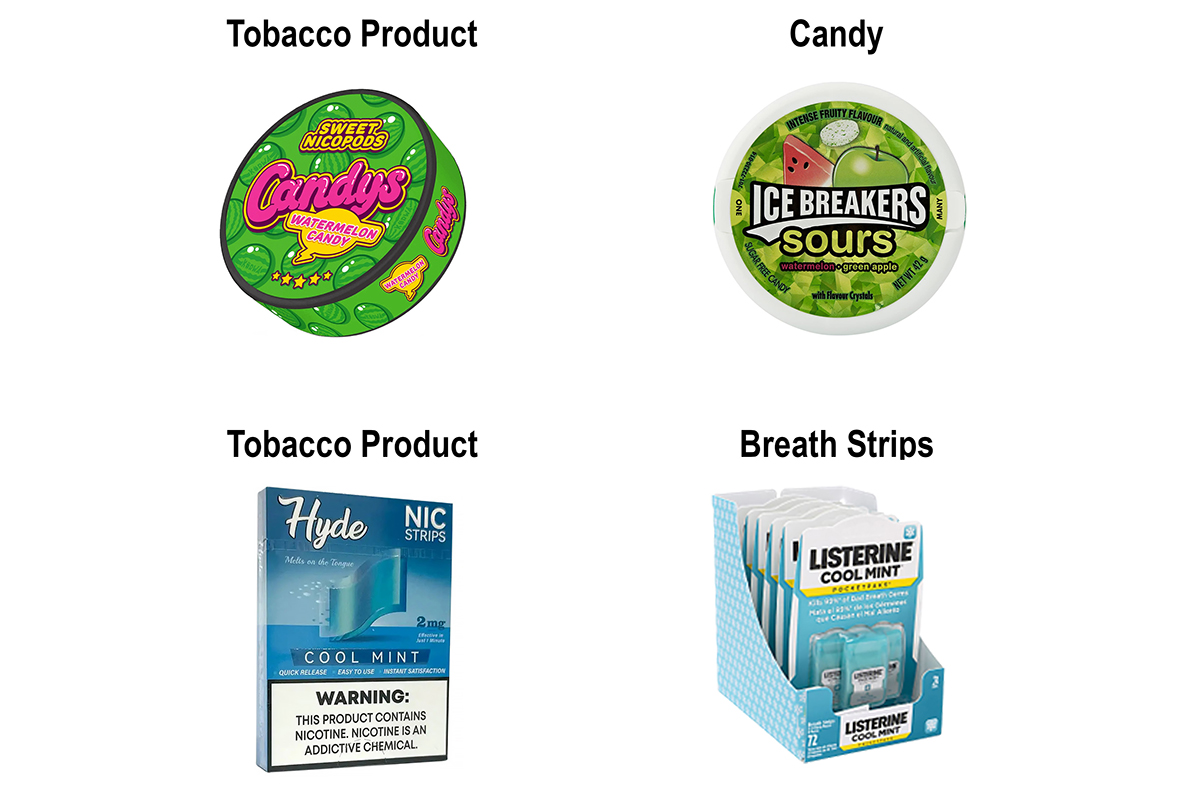
FDA Targets ‘Disguised’ Nicotine Products in Retail Crackdown
The U.S. Food and Drug Administration issued warning letters to eight retailers for selling unauthorized nicotine pouches and dissolvable tobacco products designed to resemble candy, breath strips, and cough drops, raising concerns that the items could both appeal to children and be accidentally ingested by young kids. According to the agency, the products’ labeling, advertising, and design mimic everyday consumer goods, “disguising” them and making it easier for youth to conceal their use from adults.
Acting Center for Tobacco Products Director Bret Koplow said no tobacco product should look like candy and described the practice as a tactic to mask the products’ true nature. The retailers were cited for violating the Federal Food, Drug, and Cosmetic Act by selling products without FDA authorization and were ordered to correct the violations or face potential penalties, including seizures, injunctions, and/or fines. The action follows recent FDA guidance outlining enforcement priorities for unauthorized electronic nicotine delivery systems and nicotine pouch products, part of a broader push to remove youth-appealing products from the market.
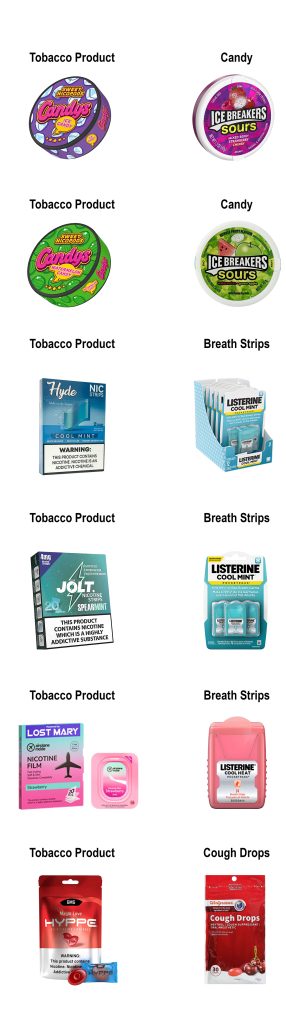
The agency noted it has now issued more than 800 warning letters to manufacturers and distributors and over 1,000 to retailers over unauthorized tobacco sales, and reminded retailers to consult its updated list of legally marketed products and use available compliance materials.
-
Imperial Backs UK’s Push to Fight Organized Crime
Imperial Brands backs new Government crackdown on illicit trade to protect honest retailers
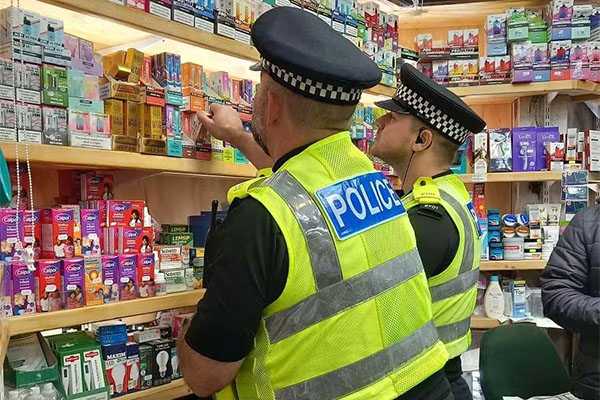
Imperial Brands has welcomed the UK Government’s new £30m High Street organised crime unit[1], designed to tackle illicit trade and support law-abiding retailers across the UK.
The move follows growing concern around the scale of criminal activity operating through some high street outlets, with illegal products undercutting legitimate businesses and distorting fair competition amongst retailers.
Under the plans, offending premises will face increased enforcement action, including raids, closures and asset seizures, with additional funding provided to Trading Standards teams.
Imperial Brands believes this step will help level the playing field for responsible retailers who operate within the law and serve their local communities.
James Hall, Anti-Illicit Trade Manager, Imperial Brands, said:
“Honest retailers are being undermined every day by illegal operators selling illicit and unregulated products.
“Stronger enforcement is essential to protect those doing the right thing and to restore a fair playing field across the high street.
“We welcome this action and will continue working with retailers and authorities to help tackle illicit trade.”
He continued: “As a business committed to the highest possible standards in manufacture and retail practice, we have always stood with ethical retailers who do the right thing when it comes to sourcing and selling tobacco and nicotine products.”
Illicit tobacco and nicotine products are increasingly being sold through a range of outlets, including some convenience stores, vape shops and other high street premises.
This impacts not only customers, suppliers and government revenues but also the viability of legitimate local retailers, many of whom are already operating in a challenging economic environment.
Imperial Brands continues to work closely with Trading Standards, law enforcement agencies and retailers to raise awareness, support compliance and help identify illegal activity.
The company says sustained enforcement, combined with retailer education and collaboration, will be key to tackling the issue long term and protecting responsible businesses. As illicit trade becomes increasingly organised and sophisticated, robust enforcement and meaningful penalties are essential to protect legitimate retailers and local communities.
Imperial Brands has long called for stronger enforcement action, tougher penalties, and greater support for Trading Standards to help tackle illicit trade and protect responsible retailers.
Imperial Brands strongly encourage retailers to report any potential illicit trade activity in their area to our sales teams, who can then report it on our dedicated trade platform. Alternatively, retailers can contact us directly through email suspectit.reportit@uk.imptob.com or our anti-illicit trade hotline on 0800 049 5992.
[1] https://www.bbc.co.uk/news/articles/ce3pzwx449no
-

Survey Finds Widespread Confusion Over Nicotine Risks
A survey of 1,973 U.S. adults commissioned by Haypp Group, parent of Nicokick.com and Northerner, found most respondents do not distinguish between the health risks of cigarettes and non-combustible nicotine products. According to the Nicotine Product Harm Perception Report 2026, 73% said vaping is as harmful as, or more harmful than, smoking; 60.6% said the same of nicotine pouches, and 64.9% incorrectly believed nicotine causes cancer.
While 68.9% of respondents said they feel informed about nicotine risks, many answers conflicted with established evidence that combustion, not nicotine, is the primary cause of smoking-related disease. The survey also found that younger adults perceive smoking as more culturally visible, with 36.3% of those aged 25–34 saying smoking is “back in fashion,” even as U.S. smoking rates have fallen to about 9.9% in 2024.
-

Hong Kong Moves to Ban Smoking at Construction Sites
The Hong Kong SAR government introduced three legislative amendments to prohibit smoking at all construction sites following the fatal Wang Fuk Court fire in November 2025 that killed 168 people. The proposed changes would designate construction sites as no-smoking areas under the Smoking (Public Health) Ordinance, empower Labor Department safety officers to issue HK$3,000 ($390) fixed penalties to offenders, and require contractors and subcontractors to take “all reasonable steps” to prevent smoking or the use of naked flames on site. Violations by contractors could carry fines of up to HK$400,000 ($52,000).
The measures, now before the Legislative Council for vetting, aim to reduce fire risks and improve worker and public safety, and would apply to all construction and maintenance sites except private residential quarters.
-

Researchers: Flavored-Vape Debate Needs to Follow Science, Not Politics
The resignation of FDA Commissioner Marty Makary on May 12 over reported tensions with President Donald Trump regarding the agency’s approval of two fruit-flavored nicotine vapes brought the flavored-vape battle front and center in American politics. The decision marked a shift from the FDA’s previous authorization of only tobacco and menthol flavors and reignited debate over flavored vaping products.
Three public health researchers warned the debate over fruit-flavored nicotine vapes should be guided by evidence, not politics. Dr. Jamie Hartmann-Boyce from the University of Massachusetts Amherst, Dr. Holly Jarman from the University of Michigan School of Public Health, and Dr. Claire L. Ma from the University of Michigan, who study scientific evidence, health policy, and regulation, respectively, acknowledged both sides of the debate, where studies show that sweet and fruity flavors can attract youth and non-smokers, but also that vaping is significantly less harmful than smoking and may help adult smokers quit. The authors urged lawmakers and regulators to follow scientific findings when shaping vape policy, as researchers continue to discover the benefits and risks of vape use.