


Registration for the 2027 Puro Sabor Festival in Nicaragua opens today (July 10) at 7 p.m. ET for the event, which will take place Jan. 25-30, 2027. The annual festival offers attendees an in-depth look at Nicaragua’s premium cigar industry through visits to tobacco farms, processing facilities, and more than 20 participating cigar manufacturers, including AJ Fernandez, Drew Estate, Joya de Nicaragua, My Father Cigars, Oliva, Padrón, Perdomo, Plasencia, and Scandinavian Tobacco Group. Tickets are priced at $3,000 for a single attendee or $5,600 for two sharing a room, covering accommodations, meals, local transportation, premium cigars, and festival activities, but excluding airfare.
Category: Around the Industry
-

Oregon Extends ‘Tobacco’ Definition to All Oral Nicotine Products
Oregon’s Senate Bill 1571 (signed into law June 5) expanded the state’s definition of tobacco products to include oral nicotine pouches, lozenges, and gum containing either natural or synthetic nicotine, bringing the products under the same age-verification and retail requirements as cigarettes and vaping products. Retailers must now verify purchasers are at least 21, aligning Oregon law with federal regulations.
The legislation follows concerns over increasing youth use of flavored oral nicotine products, which the Oregon Health Authority has identified as widely promoted through retail discounts.
-
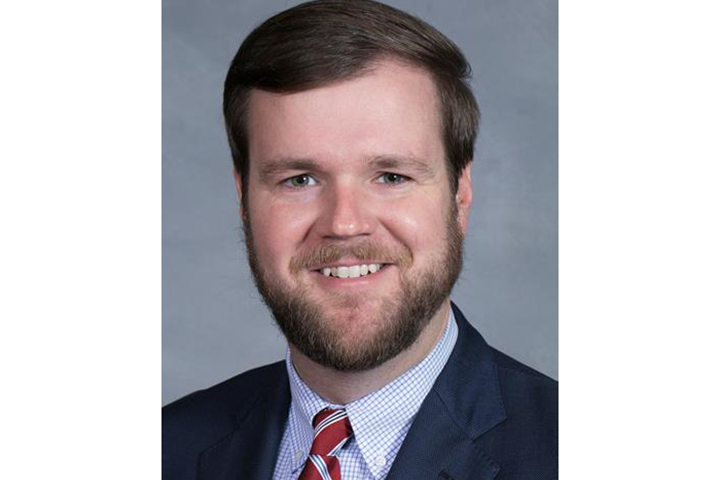
CAA Gives Inaugural Leadership Award to NC Rep
The Cigar Association of America named North Carolina state Rep. Kyle Hall (R-91) as a recipient of its inaugural Leadership in Commerce Award, recognizing his role in establishing the North Carolina General Assembly’s bipartisan Cigar Caucus. CAA President Scott Pearce said the caucus strengthens ties between lawmakers and the state’s tobacco agriculture, manufacturing, and premium cigar retail sectors, while Hall said it will help give small cigar-related businesses a stronger voice in state policymaking. The association, which is backed by registered lobbyists in 47 states, said additional Leadership in Commerce Award recipients will be announced following the 2026 legislative sessions.
-

FDA Faces $10M Lawsuit from Cigar Companies Over User Fees
Nine premium cigar manufacturers filed a lawsuit in the U.S. Court of Federal Claims seeking at least $10 million plus interest in refunds of FDA user fees paid between 2016 and 2023. The lawsuit follows the cigar industry’s victory in a separate legal challenge that resulted in premium cigars being exempted from FDA regulation, with the companies arguing they should not have been required to pay user fees on products the agency ultimately lacked authority to regulate.
Arturo Fuente, Ashton, CLE Cigar, J.C. Newman, Oliva, La Flor Dominicana, My Father Cigars, Padrón, and Rocky Patel contend they paid the fees despite premium cigars being excluded from most FDA requirements and are now seeking reimbursement after the FDA stopped collecting user fees on premium cigars following a key 2023 court ruling. Court filings in the earlier litigation suggested the government could face more than $100 million in past user fee refunds. The case has been assigned to Judge Edward H. Meyers, with the plaintiffs represented by Morgan Lewis, including attorney Michael Edney, who led much of the industry’s successful challenge to the FDA’s premium cigar regulations.
-

Netherlands Makes One of the Largest Illicit Nicotine Busts in Its History
Dutch authorities seized 277,000 illegal flavored vapes and 150,000 nicotine pouches in one of the country’s largest enforcement actions against illicit nicotine products. The Dutch Food and Consumer Product Safety Authority (NVWA) said customs officers discovered the flavored vapes during a routine inspection of a haulage company’s warehouse in Rotterdam, while the nicotine pouches were found at storage facilities in Rotterdam and Utrecht.
Officials believe the products were destined for the Dutch black market. All seized products were destroyed, with disposal costs charged to the warehouse owners.
-

Spain Busts Syndicate Making 8M Illicit Cigarettes a Day
Spanish authorities dismantled two international criminal organizations operating six clandestine cigarette factories capable of producing nearly eight million counterfeit cigarettes per day. The operation, led by the Guardia Civil in coordination with Europol and law enforcement agencies in Poland and Lithuania, resulted in 50 arrests following raids across Alicante, Cuenca, Huelva, Murcia, Sevilla, and Toledo. Authorities seized more than 20 million counterfeit cigarettes, 38.4 metric tons of tobacco, 18 vehicles, encrypted electronic devices, firearms, and €170,000 in cash, with the tobacco products valued at more than €10 million. Two Polish fugitives were extradited, while seven suspects were remanded in custody.
Investigators said the criminal networks manufactured counterfeit versions of well-known cigarette brands for distribution across Spain and other European markets, including Portugal, France, and potentially the United Kingdom. The factories also supplied third-party criminal groups and housed exploited workers in makeshift living quarters inside production facilities. The investigation began seven years ago after intelligence from Europol and authorities in Poland and Lithuania identified a Polish-led criminal network operating from Spain.
-

Human Smuggling Case Should Make UK Consider Dutch Bibob Act: Opinion
Following a BBC investigation into a convicted human smuggler operating vape shops in the UK, Dr. Marina Murphy, the senior director of scientific affairs at Haypp, called for the adoption of a licensing framework modeled on the Netherlands’ Bibob Act. She argued that incorporating enhanced background checks into the UK’s proposed licensing scheme for nicotine and vape retailers would allow authorities to deny licenses where there are credible links to organized crime, rather than waiting for illegal activity to occur.
Under the Dutch system, licensing authorities can assess applicants and associated individuals using public records and law enforcement information before approving or revoking business licenses.
-

FTC Warns Seven Vape Companies Making ‘Made in USA’ Claims
The Federal Trade Commission issued warning letters to seven companies over potentially misleading U.S.-origin claims, including e-cigarette retailer My Vape Order Inc. The agency said the companies appear to have marketed certain products as “Made in the USA” or “Made in Texas” despite indications they were imported in whole or in significant part, warning that such claims must comply with the FTC’s Made in USA Labeling Rule.
The FTC did not announce formal enforcement actions or penalties but cautioned that companies making unqualified U.S.-origin claims could face investigation if they fail to bring their marketing into compliance. Under FTC rules, products advertised as “Made in the USA” must be “all or virtually all” manufactured domestically. FTC Bureau of Consumer Protection Director Christopher Mufarrige said the agency will hold companies accountable for misleading origin claims that undermine consumer trust and disadvantage manufacturers that legitimately produce goods in the United States.
The other companies receiving warning letters were A&F Drum Company LLC, Helmel Engineering Products Inc., Lucky Bar Holdings LLC, NebTech Inc., Vtron Inc., and Z-Tech Advanced Technologies Inc.
-

Indian Court to Decide if Pouches Can be Sold at Airport’s Duty-Free Shops
An Indian government investigation found that nicotine pouches were being sold without required approvals at duty-free shops operated by a joint venture led by the Adani Group at Mumbai International Airport, prompting authorities to order sales to be halted and licenses obtained. According to court documents reviewed by Reuters, Adani is challenging the action, arguing India’s Drugs and Cosmetics Act does not apply to duty-free shops. The case, scheduled for a July 14 hearing, could establish how India regulates nicotine pouch sales at airport duty-free outlets as the government increasingly views the products as an unapproved public health risk.
-

Israeli Health Study Says 40% of Population Exposed to Second-Hand Smoke
A new Israeli Health Ministry report estimates that about 4 million people are exposed to secondhand cigarette smoke entering their homes from neighboring apartments, with more than 2 million experiencing exposure at least weekly. The report, based in part on data from the International Tobacco Control Policy Evaluation Project, calls for stronger public health measures and highlights widespread misconceptions about secondhand smoke exposure, including from balconies. The findings come as Israel’s Supreme Court considers a case that could require government ministries to introduce regulations addressing residential tobacco smoke infiltration.