Category: Around the Industry

  • Fire at AOI Facility Extinguished by Sprinklers

    Fire at AOI Facility Extinguished by Sprinklers

    A fire occurred early this morning (April 17) at an Alliance One tobacco processing facility in Wilson, North Carolina. No employees were present at the time of the fire, and minimal damage occurred. The fire, which originated in a customer area, was extinguished by the building’s sprinkler system before firefighters arrived, limiting damage to a small room in the facility. The cause of the fire remains under investigation.

    The Wilson Times originally said the fire caused an estimated $100,000 in damage, however, representatives from AOI said thanks to the sprinkler system, the damage was significantly less than reported.

  • 13 State AGs Urge Credit Cards to Block Illicit Vape Sales

    13 State AGs Urge Credit Cards to Block Illicit Vape Sales

    A coalition of 13 U.S. attorneys general has called on major credit card companies to stop facilitating sales of illegal vaping products through their payment networks. The group warned that unauthorized e-cigarettes, largely manufactured in China, now account for more than 80% of the U.S. vape market, generating over $11 billion in annual sales despite violating federal and state laws.

    The officials are asking Visa, Mastercard, American Express, and Discover to identify and remove merchants selling illicit products and to increase transparency on enforcement actions. The move draws on past cooperation between regulators and payment processors to curb illegal online cigarette sales, as states look to disrupt distribution channels for unauthorized vaping products.

  • Illicit Cigarettes Dominate South Africa’s Tobacco Market

    Illicit Cigarettes Dominate South Africa’s Tobacco Market

    Illicit cigarettes account for around 60% of South Africa’s market, according to new research from the University of Cape Town, highlighting a sharp rise from about 30% prior to the COVID-19 pandemic. The study found the surge represents a structural shift in the industry, with major players losing share while local producers linked to low-priced products have expanded significantly, selling cigarettes at levels suggesting taxes are not being paid.

    The findings also show illicit products are concentrated in informal retail channels and are disproportionately consumed by lower-income, heavy smokers, driven by cheaper pricing. Researchers say the scale of the illicit trade is undermining tax revenues and reshaping market dynamics, with calls for stronger supply chain controls and enforcement measures to address the issue.

  • Judge Issues Final Ruling on Decade-Long ‘Premium Cigar’ Definition

    Judge Issues Final Ruling on Decade-Long ‘Premium Cigar’ Definition

    A U.S. federal court in Washington, D.C., issued what is said was “hopefully” a final ruling, vacating the FDA’s 2016 Deeming Rule as it applies to premium cigars, marking the conclusion of a decade-long legal battle over the agency’s authority. Judge Amit P. Mehta reaffirmed that premium cigars — defined by criteria such as being handmade, composed of natural tobacco, and free from characterizing flavors — should be treated as a distinct category and excluded from the broader regulatory framework applied to other tobacco products. The decision follows earlier rulings in 2023 and subsequent appellate review, which required the court to revisit and finalize the definition of “premium cigars.”

    The court ultimately upheld its original eight-point definition, rejecting industry proposals to loosen certain requirements and agreeing with the FDA that any refinements should be addressed through formal rulemaking rather than judicial changes. The ruling provides regulatory clarity and removes premium cigars from key FDA oversight requirements, while leaving open the possibility of future changes through the agency’s policymaking process.

    Industry groups welcomed the outcome as a major victory. The Cigar Rights of America (CRA) said the ruling confirms long-standing arguments that premium cigars differ fundamentally from mass-market tobacco products, with Executive Director Mike Copperman calling it “long-overdue clarity” after years of advocacy. Similarly, the Premium Cigar Association (PCA) said the decision brings needed certainty for manufacturers, retailers, and consumers, with CEO Joshua Habursky emphasizing that the outcome recognizes premium cigars as a distinct category warranting separate regulatory treatment.

    The Cigar Association of America (CAA), which previously opposed parts of the ruling not because it disagreed with the exemption itself but because it sought a broader and more flexible definition of what qualifies as a “premium cigar,” did not return a request for comment.

  • Indonesia’s Tax Strategy Not Impacting Smoking Rates

    Indonesia’s Tax Strategy Not Impacting Smoking Rates

    Indonesia’s long-running reliance on tobacco excise increases has failed to significantly curb smoking, according to a National Health Survey, with around 70 million people still using tobacco and prevalence remaining among the highest globally. Despite a 23% tax increase in 2020 and steady annual rises since, cigarette affordability has remained largely unchanged, as income growth has offset price increases, leaving consumers spending roughly the same share of income on cigarettes over the past decade.

    Analysts say structural issues are undermining the effectiveness of tax policy, particularly wide price disparities across product categories. Lower-taxed hand-rolled kretek cigarettes continue to provide a cheaper alternative, encouraging smokers to downtrade rather than quit. This dynamic has limited the impact of higher taxes on overall consumption.

    Health economists argue that without more aggressive and harmonized tax reforms, excise policy alone will continue to fall short as a deterrent. The findings underscore broader challenges for tobacco control strategies in emerging markets, where affordability and product substitution can blunt the intended impact of fiscal measures.

  • Illicit Cigarette Trade Surges in Latin America and Canada

    Illicit Cigarette Trade Surges in Latin America and Canada

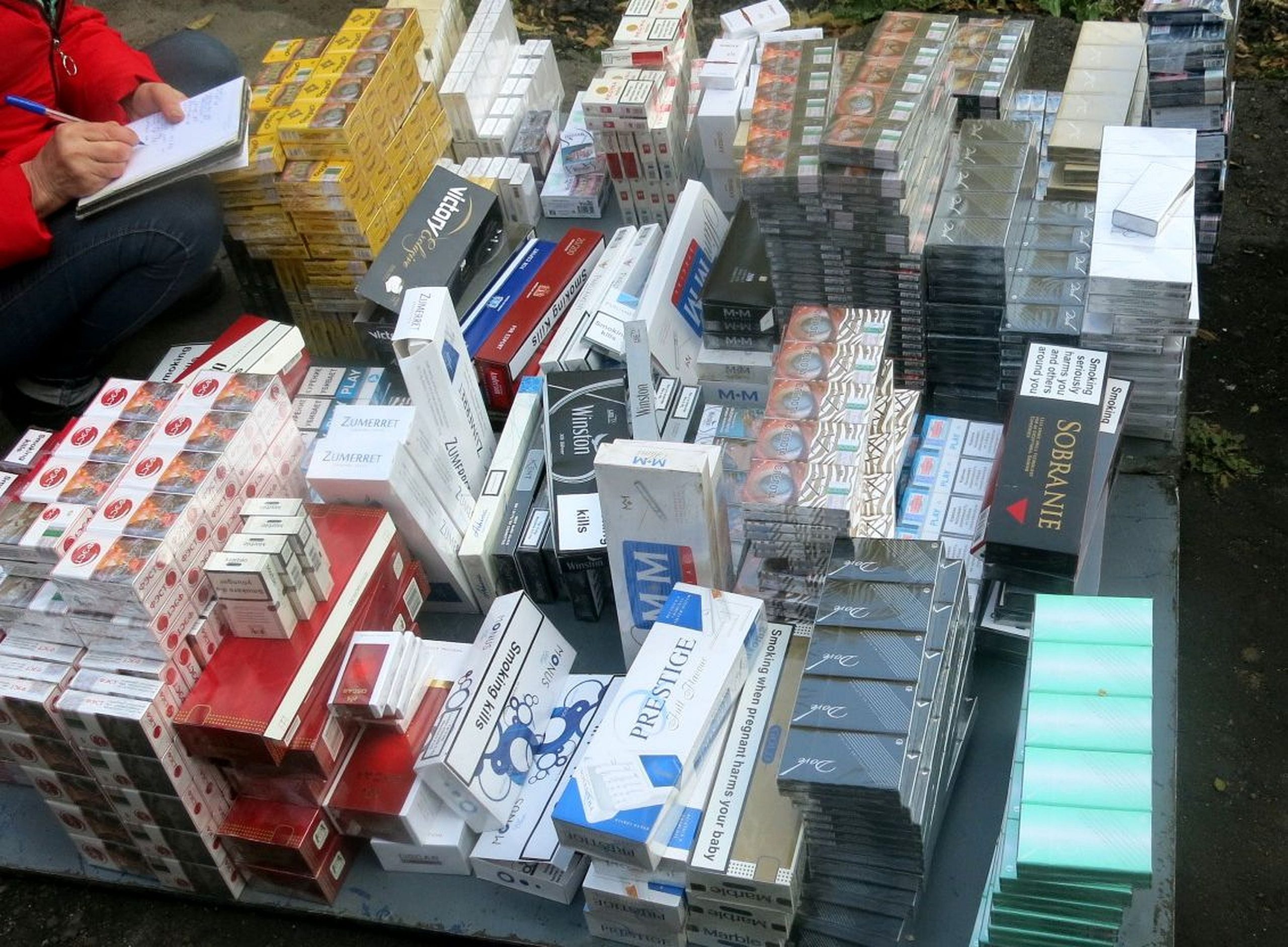
    Illicit cigarettes accounted for 31.9% of total consumption across Latin America and Canada in 2025 — equivalent to 77 billion sticks — resulting in an estimated $8.5 billion in lost tax revenues, according to a report released by Philip Morris Products S.A. The study, conducted by KPMG LLP, examined the Region of the Americas (excluding the United States) and found that the region now has the highest global incidence of illicit tobacco, driven by steep tax increases and regulatory pressures that have pushed consumers toward cheaper illegal products.

    The findings highlight growing fiscal, public health, and enforcement challenges, with markets such as Brazil, Panama, and Ecuador particularly affected, underscoring calls for more balanced regulation and stronger anti-illicit trade measures. Brazil has the region’s largest illicit market with 41.8 billion illicit cigarettes, while illicit cigarettes make up 89% of Panama’s market and 84% of Ecuador’s.

  • Sweden Fights Against France’s Nicotine Pouch Ban

    Sweden Fights Against France’s Nicotine Pouch Ban

    Sweden has strongly opposed France’s ban on oral nicotine pouches, with Trade Minister Benjamin Dousa arguing the move violates EU single market rules and unfairly targets a key Swedish industry. According to Economie Matin, the Swedish Social Democratic Party sent a letter to the President of the European Commission, Ursula von der Leyen, “to obtain clarifications on the legality of the French ban and its scientific basis. If there is no response within three weeks, legal action before the Court of Justice of the European Union could be initiated.”

    Stockholm is defending the products as a harm-reduction alternative to cigarettes, highlighting their widespread domestic use and economic importance, while criticizing the inconsistency of banning pouches but allowing combustible tobacco. The dispute has escalated politically, with Swedish lawmakers seeking EU intervention and warning of potential legal action, underscoring growing divisions in Europe over nicotine regulation and the balance between public health and market freedoms.

  • Australian Banks Flag 300 Suspicious Illicit Tobacco Cases

    Australian Banks Flag 300 Suspicious Illicit Tobacco Cases

    Australia’s major banks have ramped up efforts to combat illicit tobacco-linked money laundering, filing hundreds of suspicious activity reports and forcing over 1,000 customers out following regulatory pressure from AUSTRAC, according to the Australian Broadcasting Company. According to the article, the illegal tobacco market, which is estimated at up to $6.9 billion and as much as 60% of total sales, is increasingly tied to organized crime, prompting closer scrutiny of tobacco retailers and financial transactions.

    Authorities say enhanced intelligence-sharing between banks and law enforcement is yielding results, including large seizures, as part of a broader push to disrupt criminal networks profiting from the trade. Since calling for a crackdown in November, AUSTRAC received more than 300 suspicious matter reports from banks involving illicit tobacco and made more than 70 referrals to law enforcement.

  • Pakistan Battling Illicit Cigarettes as Farmers Seek Balance

    Pakistan Battling Illicit Cigarettes as Farmers Seek Balance

    Pakistan is intensifying efforts to tackle distortions in its tobacco sector, combining a nationwide crackdown on illicit cigarettes with growing provincial demands for fiscal reforms. Finance Minister Bilal Azhar Kayani announced enforcement actions targeting illegal manufacturers and retailers, alongside track-and-trace systems and stronger tax oversight, noting the illicit market costs around Rs200 billion ($720 million) annually and now exceeds 50% of total consumption (43.5 billion sticks), with cheaper untaxed products undercutting legal sales.

    At the same time, lawmakers in Khyber Pakhtunkhwa are pushing to tax the transport of locally grown tobacco to other regions, arguing the province — despite producing about 98% of Pakistan’s flue-cured Virginia tobacco — captures little value due to cigarette manufacturing being concentrated in tax-free zones elsewhere. Officials say the imbalance is fueling unemployment and farmer losses, underscoring calls for coordinated policy measures to restore fair taxation and economic returns across the supply chain.

  • New “Forgotten Smoker” White Paper from PMI U.S. Warns That America Didn’t End Smoking; It Just Moved On—and 8 in 10 Americans Surveyed Demand a Better Approach

    New “Forgotten Smoker” White Paper from PMI U.S. Warns That America Didn’t End Smoking; It Just Moved On—and 8 in 10 Americans Surveyed Demand a Better Approach

    PRESS RELEASE

    The paper calls for immediate steps to make cigarette smoking a public health priority in the U.S. and to better understand adult smokers, who feel judged, ignored, and left behind

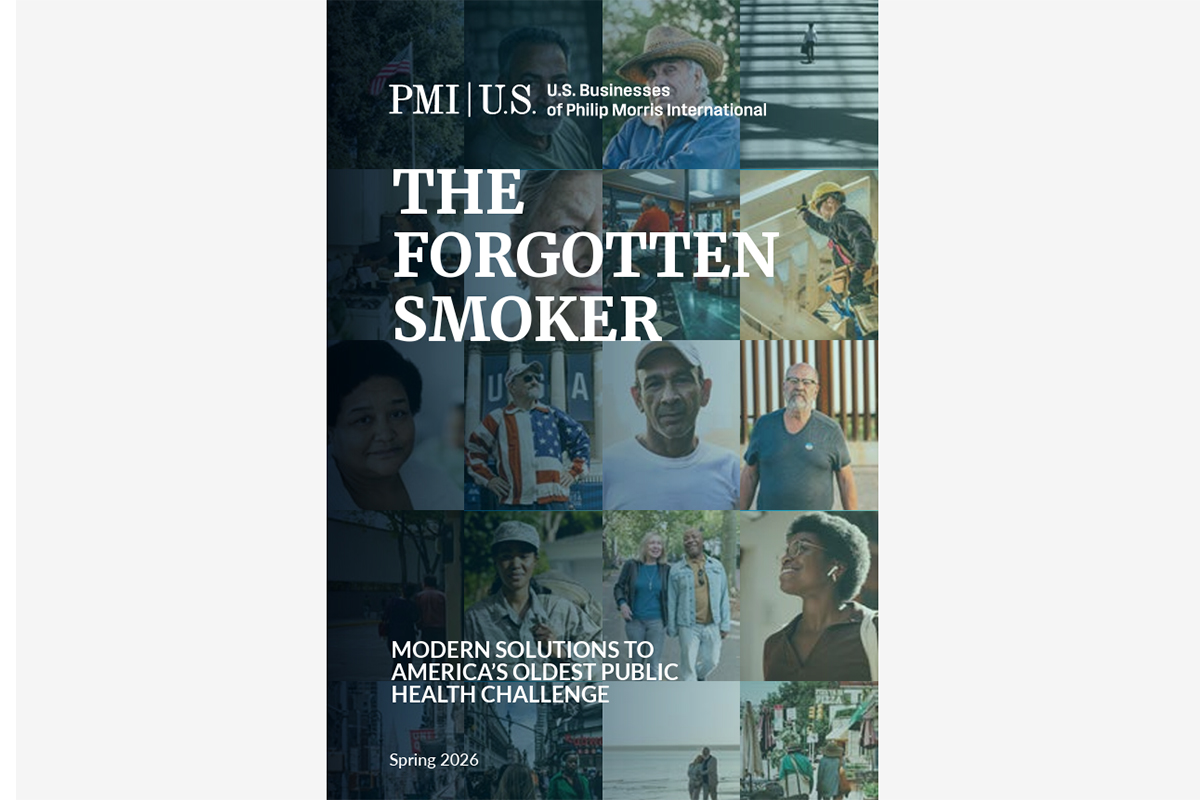
    WASHINGTON, DC – America likes to believe it has solved the problem of smoking. It hasn’t. Results of a new national survey, released today, show that 79% of Americans say more must be done to combat smoking-related harm. Philip Morris International’s U.S. business (PMI U.S.) agrees, as detailed in The Forgotten Smoker: Modern Solutions to America’s Oldest Public Health Challenge. This white paper makes the case for policymakers, public health authorities, and medical professionals to recenter cigarette smoking as a public health priority.

    The paper (and its accompanying website) offers a set of practical, evidence-based policy recommendations to help reduce smoking-related harm, counter misinformation, and expand access to regulated, FDA-authorized alternatives for legal-age adults who smoke. It describes today’s “forgotten smokers,” who are more likely to be disconnected from standard anti-smoking campaigns.

    The paper also highlights widespread misperceptions that discourage adults who smoke from considering the less harmful, FDA-authorized, smoke-free alternatives now on the market.

    “We continue to be encouraged by the declining smoking rates in the U.S.; however, millions of our neighbors, co-workers, and family members are still facing real health risks from cigarettes,” said Stacey Kennedy, Chief Executive Officer of PMI U.S. “The Forgotten Smoker calls for a renewed public health focus on adults who smoke by addressing misinformation, recognizing the varying levels of health risk across combustible and noncombustible products, and expanding access to FDA-authorized nicotine alternatives—while helping prevent youth tobacco use.”

    Recommendations from the white paper include:

    • Meet adults who smoke where they are: 52 percent of adult smokers surveyed feel discriminated against. It is time to treat cigarette smoking as a persistent public health challenge—not a moral failing—and invest in strategies that work for longtime, highly dependent adults who smoke.
    • Let the science lead: Misperceptions about nicotine and the role of combustion in smoking-related disease impede progress. Public and medical understanding of the science behind tobacco harm reduction is essential—and long overdue.
    • Expand access to FDA-authorized smoke-free alternatives: Despite recent progress, there remains a backlog of smoke-free product applications at the FDA. Adults who smoke deserve access to the science-based, smoke-free options still awaiting FDA review. Authorization of new products must coincide with the agency’s continued youth access prevention and enhanced enforcement against illicit products.
    • Combat nicotine misinformation: To accelerate progress, the FDA should clearly communicate, especially to medical professionals, which products it has authorized and what the science says about their relative risk profiles, so adults who smoke can make informed choices.
    • Implement risk-based taxation: Tobacco taxes are the most regressive in the country. Tax policy should be structured to discourage use of the most harmful products (combustible cigarettes) and encourage adult smokers to switch to lower-risk alternatives. Price is a powerful lever of persuasion.

    “The FDA has recognized that tobacco and nicotine products exist on a continuum of risk—but too often that science hasn’t trickled down to the people who interact with smokers every day, including medical professionals,” said Keagan Lenihan, Chief External Affairs Officer, PMI U.S. “If we’re serious about ending cigarette smoking, the leading cause of preventable death in the U.S., we need the FDA to assess and authorize better alternatives to combustible cigarettes in a timely fashion and take a leading role in educating healthcare providers, policymakers, and the public about tobacco harm reduction and the role smoke-free products can play. This is how we will move this issue out of the shadows and solve it once and for all.”

    Povaddo, an independent research firm, conducted the national online survey among 2,000 U.S. adults (aged 21+) between February 27 and March 10, 2026. PMI U.S. commissioned the survey.

    Topline findings point to a stubborn barrier: confusion about nicotine and the relative risks of combustible versus noncombustible products, as well as strong support for action:

    • 52% of adults surveyed incorrectly believe nicotine directly causes cancer.
    • Confirming the prevalence of misinformation in this arena, 73% mistakenly believe all tobacco and nicotine products are equally harmful to the user, while 70% believe they all pose the same risk to public health.
    • 53% agree that adults who still smoke should be encouraged to switch from cigarettes to smoke-free nicotine alternatives.
    • 81% say it is important for public health agencies like the FDA to provide scientifically substantiated information about the relative harms of tobacco and nicotine products.
    • 63% agree that FDA reform is needed to keep pace with newer smoke-free products.

    PMI U.S.: Invested in America

    Philip Morris International Inc.’s U.S. businesses are invested in America’s future and advancing a smoke-free nation. The businesses are committed to providing the approximately 30 million legal-age consumers who smoke cigarettes with better, smoke-free alternatives and to ensuring the products are marketed responsibly. From PMI’s global headquarters in Stamford, Connecticut, and other locations.