Category: News This Week

  • Bavaria Moves to Regulate Vape and Hookahs Like Traditional Cigarettes

    Bavaria Moves to Regulate Vape and Hookahs Like Traditional Cigarettes

    The Bavarian Christian Social Union (CSU) parliamentary group is pushing to extend strict tobacco regulations to e-cigarettes, e-hookahs, and tobacco heaters, all of which currently occupy a regulatory gray area. The proposed changes to the Bavarian Health Protection Act would eliminate that, having them treated like cigarettes and cannabis vaporizers, thereby banning them in restaurants, bars, schools, hospitals, sports facilities, and airports.

    The proposal reflects growing concern in Bavaria over the popularity of vaping and alternative nicotine products among youth and the need to align all inhaled nicotine products under the same safety and usage restrictions. The Greens have welcomed the initiative, calling for stronger protections for minors and support for comprehensive public health measures.

  • Philippines to Use Tobacco Products to Raise More Tax Money in 2026

    Philippines to Use Tobacco Products to Raise More Tax Money in 2026

    The Philippines’ Bureau of Internal Revenue (BIR) is looking to increase excise tax collections by 9.35% in 2026, mainly driven by tobacco products. In the 2026 Budget of Expenditures and Sources of Financing (BESF), the government is set to collect P359.65 billion ($6.1 billion) in excise taxes on selected goods, including P166.57 billion ($2.8 billion) from tobacco products.

    BIR Commissioner Romeo D. Lumagui, Jr. said in addition to Health department’s campaign to discourage tobacco use, the government loses an estimated P114 billion ($2 billion) in revenues due to illicit tobacco trade. He said illicit tobacco manufacturers are using economic zones to avoid paying excise taxes even though the products are sold in the Philippines.

    “If it’s meant for export and not for local consumption, there’s no excise tax,” Lumagui said. “It’s being manufactured here in the ecozones. That’s what they’re trying to show — that the license they’re getting is for exporting all these products.”  

  • China’s Crackdown Chokes Off N. Korean Cigarette Smuggling

    China’s Crackdown Chokes Off N. Korean Cigarette Smuggling

    North Korea’s once-lucrative cigarette smuggling operations into China have ground to a halt after Beijing launched a sweeping crackdown on illicit tobacco distribution, officials said. Daily NK sources said Chinese police and the State Tobacco Monopoly Administration arrested traders, confiscated contraband, and tracked deliveries via firms like SF Express and ZTO Express since August 3. The clampdown left major North Korean firms, including Korea Sinhung Trading Corp. and Amrokgang Tobacco Co., scrambling for new foreign currency sources.

    Chinese partners have suspended dealings, fearing heavy fines and confiscations. “Activities to earn foreign currency through cigarette smuggling run into trouble as Chinese traders quit the business all at once,” one North Korean source said.

    With distribution channels collapsing, Pyongyang’s trading companies are now under pressure to find alternative exports. Traders in China say the current campaign is harsher and longer-lasting than past crackdowns, raising doubts about the future of North Korea’s tobacco trade.

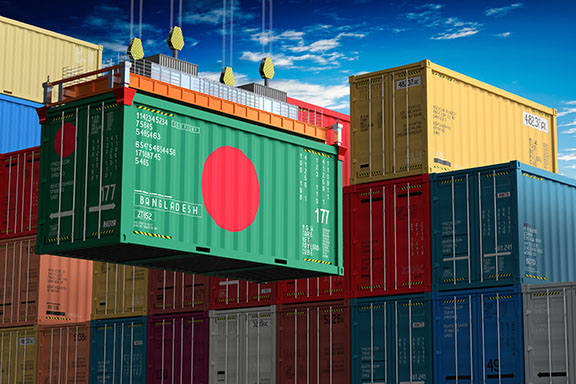
  • Bangladesh Customs Busts Cigarette Paper Smuggling Racket

    Bangladesh Customs Busts Cigarette Paper Smuggling Racket

    Customs officials in Bangladesh seized two consignments of undeclared cigarette paper falsely labeled as straw paper and paper ribbon, exposing a racket that could cost the government hundreds of crores in lost revenue. Lab tests by BUET, Dhaka University, and Khulna University of Engineering and Technology confirmed the shipments contained cigarette paper, not the reported goods.

    Officials said Dhaka-based RM Enterprise and Smart Move attempted to clear the goods despite laboratory findings, allegedly lobbying senior revenue officials. If released, the consignments would have deprived the state of Tk 1.7 crore ($139,000) in duties and up to Tk 135 crore ($11.1 million) in VAT from untaxed cigarettes.

    Records show RM Enterprise previously imported 489 tons of raw materials under suspicious declarations, with potential tax losses estimated at Tk 4,000 crore ($329 million). Both firms were found to be operating through non-existent or front addresses.

    Customs officials have blocked the release of the seized shipments and vowed further investigation into past imports.

  • 75 Tax Evasion Cases Filed in Philippines Crackdown

    75 Tax Evasion Cases Filed in Philippines Crackdown

    The Bureau of Internal Revenue (BIR) in the Philippines filed 75 tax evasion complaints against vape retailers nationwide, accusing them of evading a combined ₱711.3 million ($12.8 million) in taxes by selling smuggled and unstamped products.

    BIR Commissioner Romeo Lumagui Jr. said the cases, lodged with the Department of Justice today (August 20), involve violations ranging from unpaid excise duties to failure to file tax returns. The crackdown follows earlier billion-peso cases against major brands like Flava, Denkat, Flare, and Tap Fog.

    “The government loses billions from illicit vape sales — money that should fund health care and infrastructure,” Lumagui said, vowing continued action against both big and small operators.

  • 22nd Century Touts VLN Growth, FDA Regs in Shareholder Letter

    22nd Century Touts VLN Growth, FDA Regs in Shareholder Letter

    22nd Century Group, Inc. is doubling down on its push for very low nicotine (VLN) products, highlighting new partnerships, regulatory momentum, and expanded product development in a shareholder letter released yesterday (August 19). CEO Larry Firestone said the company’s VLN cigarettes, the first FDA-authorized combustible products designed to reduce smoking harms, are gaining traction through stocking orders with Smoker Friendly and Pinnacle, with more partners expected.

    A looming FDA proposal, set for September 15, could mandate a cap of 0.7 mg/g nicotine yield in cigarettes, a standard built on 22nd Century’s own clinical trials. Firestone said the move “could be the most groundbreaking and effective tobacco regulation in a generation.”

    Beyond cigarettes, 22nd Century is developing VLN filtered cigars, 100mm formats, and international variants, supported by ongoing FDA filings. The company is also studying whether its low-nicotine genetics reduce cancer-causing TSNAs.

    With a growing IP portfolio in plant genetics, the company said it is aiming to cement its position as the leader in tobacco harm reduction. Firestone framed the mission as both business and public health: “Our technology and products have the capability to dramatically improve public health and the welfare of smokers worldwide – hopefully even save lives.”

  • Turkmenistan Ramps Up Tobacco Ban Ahead of 2025 Deadline

    Turkmenistan Ramps Up Tobacco Ban Ahead of 2025 Deadline

    Turkmenistan is pushing to go tobacco-free by the end of 2025, forcing its few smokers underground with bans, high taxes, and fines of up to 200 manats ($57). Cigarettes now cost $14–$49 a pack — up to 11% of the average monthly salary — with many buying single sticks from kiosks supplied by neighboring countries.

    According to the WHO, only 4% of the Central Asian nation’s residents smoke.

    While authorities stage cigarette burnings and televised pledges to quit, residents say tobacco won’t vanish but will move to the black market.

  • Dog Helps Seize £200K of Illegal Tobacco and Vapes in U.K.

    Dog Helps Seize £200K of Illegal Tobacco and Vapes in U.K.

    A specially trained dog helped authorities uncover a major haul of illegal tobacco and vaping products in a raid in Dunstable, U.K. Leo, from Specialist K9’s Limited, assisted Central Bedfordshire Council’s trading standards team, HMRC, and Bedfordshire Police in locating nearly 300,000 illegal cigarettes, 11.3 kg of hand-rolling tobacco, and 303 disposable vapes. A nearby flat, accessed via keys carried by a man found at the shop, held a “significant quantity of illicit goods,” bringing the total value of seized items to around £200,000.

    John Baker, Independent executive councilor for finance and highways, said the operation highlighted the risks posed to public health and legitimate businesses by the sale of illicit products. “We will continue to take firm action against those who break the law,” he said.

  • Taiwan Groups Accuse HPA of Undermining Tobacco Control

    Taiwan Groups Accuse HPA of Undermining Tobacco Control

    The Alliance of Banning Cigarettes Taiwan and parent groups accused the Health Promotion Administration (HPA) of undermining tobacco control by greenlighting 14 products recently without disclosing details on brands, devices, or flavor additives, despite Taiwan’s flavored tobacco ban.

    Warning that illegal online ads for newly approved heated tobacco products threaten students’ health, parents cited dozens of websites and social media channels openly promoting flavors, fast delivery, and new models.

    The HPA defended its approvals as based on risk assessments and promised stricter enforcement, including fines up to NT$25M ($766,000) for illegal online sales and penalties for retailers selling to underage patrons.

  • Study: Korean Tobacco Tax Hikes Lose Impact Within Four Months

    Study: Korean Tobacco Tax Hikes Lose Impact Within Four Months

    Cigarette tax hikes in South Korea only curbed smoking briefly, with sales rebounding to normal levels within four months, a new study found. The Korea Institute for Health and Social Affairs reported yesterday (August 18) that demand for cigarettes is “highly inelastic,” with a 10% price rise cutting consumption by just 4.2–4.4%. Researchers said non-price measures like warning labels or e-cigarettes had little measurable impact.

    “Sudden hikes result in hoarding and brief behavioral change, but smokers adapt,” the report said. “Incremental increases aligned with inflation are more likely to gradually shift consumption patterns and reinforce anti-smoking behavior.”