Category: News This Week

  • Croatia Raises Tobacco Taxes

    Croatia Raises Tobacco Taxes

    Croatia increased excise duties on cigarettes, tobacco products, and e-liquids from the start of the new year, pushing cigarette prices up by as much as €0.20 per pack, according to public broadcaster HRT. The government expects the tax hikes to generate nearly €130 million in additional revenue and says the measures are intended to curb smoking and nicotine use as part of its public health strategy.

    Business groups cautioned against sharp increases, warning they could drive consumers toward the black market. Smoking remains widespread in Croatia, with about 900,000 smokers and high usage among youth, including e-cigarettes. Tobacco production also remains economically significant, with around 300 domestic producers accounting for roughly 6% of European output and generating about €400 million annually.
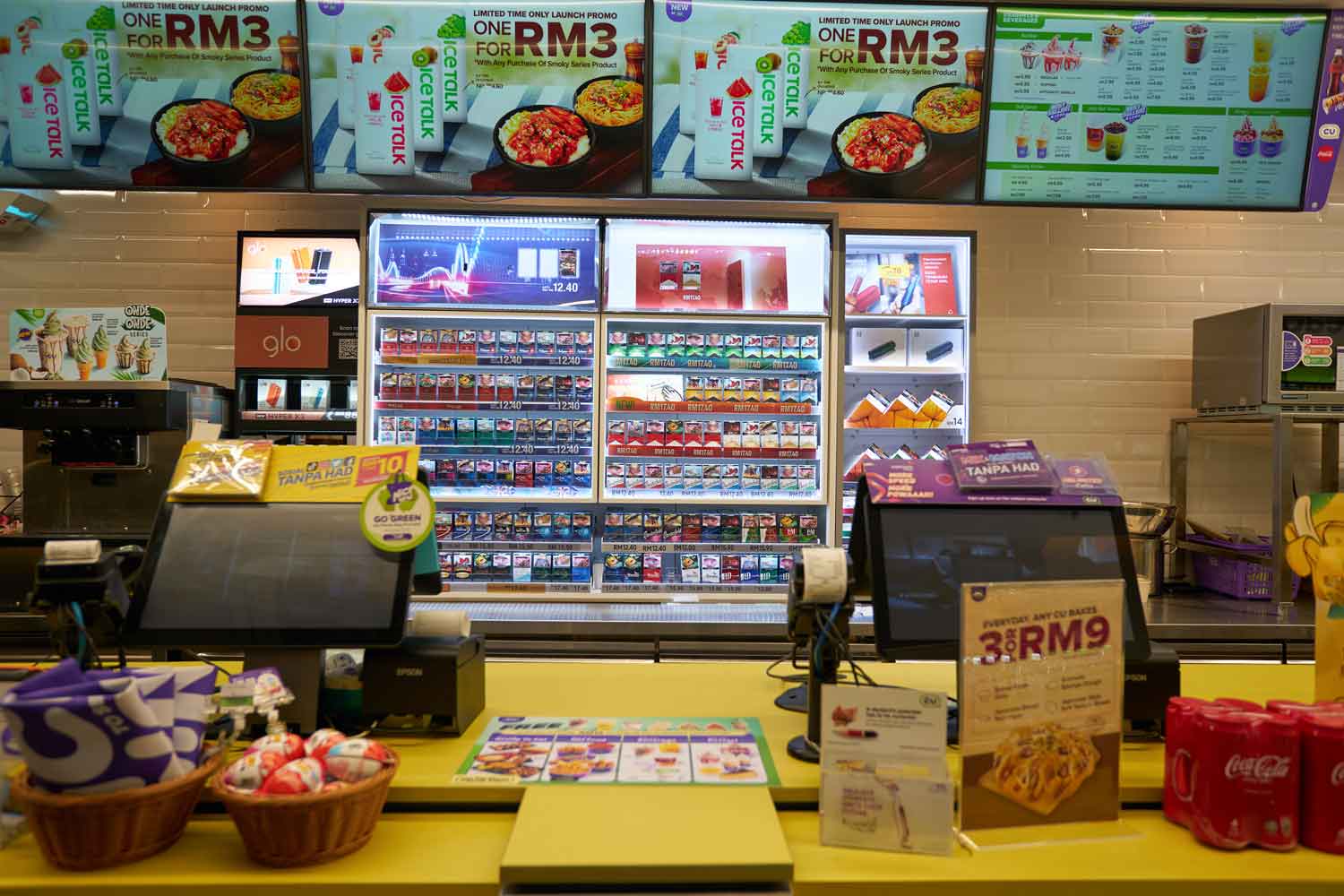
  • Malaysia Vape Retailers Call for Fair Tobacco Controls

    Malaysia Vape Retailers Call for Fair Tobacco Controls

    The Malaysia Retail Electronic Cigarette Association (MRECA) has criticized what it sees as an unbalanced regulatory focus on vaping, while conventional cigarettes—long linked to greater health risks—continue to be sold with limited enforcement. MRECA president Datuk Adzwan Ab Manas said public health policy should be fair and evidence-based, noting that vape products are regulated under the same legal framework as cigarettes through Act 852 and that the industry has invested heavily to meet government compliance requirements.

    He warned that sweeping bans or excessive restrictions on vaping could drive users back to combustible cigarettes or illicit markets, undermining health goals and harming legitimate businesses. MRECA urged the government to pursue balanced regulation, strengthen enforcement against cigarette misuse, engage in open dialogue with industry, and focus on realistic public health outcomes rather than symbolic prohibitions.

  • Indian Tobacco Stocks Slide After New Tax Announced

    Indian Tobacco Stocks Slide After New Tax Announced

    Shares of Indian tobacco companies fell sharply after the government imposed a new excise duty on cigarettes, raising costs for an estimated 100 million smokers. Market leader ITC dropped more than 9%, hitting its lowest level since April 2023, while Godfrey Phillips India, distributor of Marlboro, sank over 14% in its steepest fall in nearly a decade. The sell-off made ITC the biggest decliner on the Nifty 50 and dragged down the FMCG index.
    India’s finance ministry said the new excise duty, effective February 1, will range from 2,050 to 8,500 rupees per 1,000 cigarette sticks, depending on length, on top of the existing 40% Goods and Services Tax. Analysts said the move could raise overall costs for some cigarette categories by 22% to 28%, likely prompting price hikes of 2–3 rupees per stick for longer cigarettes.
    Brokerages warned the tax increase could pressure volumes and revive concerns about a shift toward illicit cigarettes.

  • Retailers Feeling Huge Hit as Denver Flavor Ban Begins

    Retailers Feeling Huge Hit as Denver Flavor Ban Begins

    Denver began enforcing its ban on flavored nicotine and tobacco products as of January 1, following voter approval of Referendum 310 in the November election with nearly 72% support. The measure, originally passed by the Denver City Council in 2024, prohibits the sale of most flavored tobacco products, including flavored e-cigarettes, cigars, and pipe tobacco, while exempting hookah tobacco sold at licensed hookah retailers. Possession and use of flavored products remain legal.

    About 575 tobacco retailers in Denver are affected. Enforcement is being led by the Denver Department of Public Health and Environment through routine and undercover inspections. Retailers found in violation face escalating penalties, starting with a minimum 30-day suspension after two violations within a year and extending to up to one year for repeated offenses. From 2027, the suspension thresholds will tighten further.

    Vape and smoke shop operators say the ban is already having a major business impact. Some retailers report losing up to half of their revenue tied to flavored products and are exploring alternatives such as expanding non-flavored inventory, shifting operations outside Denver, or increasing online sales.

  • Bangladesh Bans Vapes, Tightens Tobacco Laws

    Bangladesh Bans Vapes, Tightens Tobacco Laws

    Bangladesh’s interim government issued an ordinance banning e-cigarettes and other emerging tobacco products, significantly tightening the country’s tobacco control regime. The Smoking and Tobacco Products Use (Control) (Amendment) Ordinance, 2025, promulgated on December 31, expands the definition of tobacco to include electronic cigarettes, heated tobacco products, and nicotine pouches, bringing them under a single legal framework. Smoking and the use of all tobacco products are now prohibited in all public places and on public transport, with fines raised to a maximum of Tk 2,000 ($16.40).

    The ordinance makes the production, import, export, storage, sale, and use of e-cigarettes and similar products criminal offences, punishable by up to six months’ imprisonment, fines of up to Tk 500,000 ($4,100), or both. It also introduces a comprehensive ban on tobacco advertising, promotion and sponsorship across all media, prohibits tobacco displays at points of sale, and bans sales within 100 meters of schools, hospitals and playgrounds. Packaging rules have been tightened to require health warnings covering at least 75% of packs, while enforcement powers have been strengthened to allow license cancellations, seizures, and criminal prosecutions.

  • The Global Tobacco Industry is Solving The Wrong Problem

    The Global Tobacco Industry is Solving The Wrong Problem

    A new opinion piece, titled “The Global Tobacco Industry Is Solving the Wrong Problem,” by Zimbabwean entrepreneur Smart Chireru argues that the global tobacco industry is misdirecting its focus by optimizing branding, regulation, and distribution while ignoring a major structural inefficiency in where tobacco is processed. Chireru contends that large volumes of African flue-cured Virginia tobacco are exported unprocessed, shipped overseas for manufacturing, and then redistributed globally—an approach he describes as a legacy supply-chain flaw that adds cost, risk, and complexity without creating value.

    The article calls for a shift toward processing tobacco closer to where it is grown, citing examples from other industries that have adopted near-source manufacturing, bonded facilities, and integrated traceability. Chireru argues that modern compliance tools—such as serialization, blockchain tracking, and export-only processing—can mitigate risks often cited as barriers to origin-based manufacturing, while reducing logistics costs and working capital strain.

    Using Zimbabwe as a case study, the piece highlights the country’s combination of high-quality tobacco, skilled labor, and special economic zone frameworks as an opportunity for globally competitive processing at origin. Chireru concludes that the next competitive advantage for tobacco companies will come from supply-chain intelligence and structural efficiency, not incremental gains in marketing or tax strategy.

  • Turkiye Limits Tax Hikes on Tobacco, Fuel, Alcohol

    Turkiye Limits Tax Hikes on Tobacco, Fuel, Alcohol

    Türkiye will limit Special Consumption Tax (SCT) increases on tobacco products in the first half of 2026, applying a 7.95% hike instead of the usual adjustment tied to producer inflation, which was close to 10%. Under the presidential decree published in the Official Gazette, the per-pack excise tax on cigarettes will rise by ₺1.28 ($0.03) to ₺56.78 ($1.31). The move departs from Türkiye’s standard practice of revising tobacco taxes twice a year in line with the domestic producer price index and is intended to ease consumer price pressures.

    Tobacco remains a major source of tax revenue in Türkiye, with more than 19 million smokers spending over $16 billion annually on cigarettes. From January to November 2025, tobacco generated ₺396.4 billion ($11.1 billion) in SCT revenue, accounting for a large share of the ₺1.01 trillion ($23.2 billion) collected from fuel, tobacco, and alcohol combined. The Treasury and Finance Ministry said the moderated tax increase supports the government’s 2026 inflation targets while remaining consistent with revenue projections in the central government budget.

  • Bosnia and Herzegovina Raises Cigarette Duty

    Bosnia and Herzegovina Raises Cigarette Duty

    Cigarette prices in Bosnia and Herzegovina increased on January 1 after a higher minimum excise duty came into force under a decision by the Board of Directors of the Indirect Taxation Administration (ITA). The minimum excise duty for 2026 was raised by 0.19 BAM ($0.11) per pack, setting the rate at 188.50 BAM ($113.10) per 1,000 cigarettes, or 3.77 BAM ($2.26) per pack of 20, up from 179 BAM ($107.40), or 3.58 BAM ($2.15), last year.

    The specific excise duty on cigarettes remains unchanged at 1.65 BAM ($0.99) per pack of 20. Meanwhile, excise duty on smoking tobacco has been set at 80% of the minimum cigarette excise, increasing to 150.80 BAM ($90.48) per kilogram in 2026 from 143.20 BAM ($85.92) in 2025.

    The ITA Management Board also confirmed that the compensatory interest rate for the period from January 1 to June 30, 2026, will remain unchanged at 12%.

  • Hong Kong Proving Clean with New Tobacco Inspections

    Hong Kong Proving Clean with New Tobacco Inspections

    Hong Kong authorities launched a two-week enforcement campaign after new anti-smoking regulations took effect January 1. Inspectors from the Tobacco and Alcohol Control Office began checking newly designated non-smoking areas, including bans on smoking while queuing for public transport and at entrances to 18 categories of public places. The office’s head, Manny Lam, said around 120 frontline staff will conduct more frequent inspections, with 10 to 20 inspectors carrying out daily spot checks at high-traffic locations such as bus stops and building entrances.

    Under the new rules, the fixed penalty for smoking offenses has doubled to HK$3,000 ($390), although no violations were recorded on the first round of inspections. The campaign also includes public education efforts, particularly targeting tourists through hotels, tourism operators, and publicity at border control points.  Smoking is now prohibited within three meters of entrances to hospitals, government clinics, schools, residential care homes, and childcare centers, as part of the government’s broader push to strengthen tobacco control and public awareness.

  • Vietnam Ups Penalties for Vape, HTP Use

    Vietnam Ups Penalties for Vape, HTP Use

    Vietnam tightened restrictions on electronic cigarettes and heated tobacco products under the newly issued Decree 371, introducing higher fines and expanded enforcement powers. Individuals caught using e-cigarettes or heated tobacco products now face fines of VNĐ3 million to VNĐ5 million ($114 to $190), with authorities authorized to confiscate and destroy the products.


    The rules also penalize those who allow such use on premises they own or manage. Individuals providing space for e-cigarette or heated tobacco use can be fined VNĐ5 million to VNĐ10 million ($190 to $380), while organizations face penalties of up to VNĐ20 million ($761). Officials said the measures aim to strengthen oversight as alternative tobacco products spread rapidly, particularly among young people.