Category: News This Week

  • PCA Expands into Asia with Cigraal Partnership

    PCA Expands into Asia with Cigraal Partnership

    The Premium Cigar Association (PCA) announced a strategic partnership with Cigraal to expand its presence in Asia, aiming to support growth and professionalization of the premium cigar sector across key markets, the organization said in a press release. The collaboration will focus on education, regulatory advocacy, and industry engagement in the Asia-Pacific region, the Middle East, and Africa.

    The initiative will launch with PCA Connect Asia, a multi-city program scheduled for November 30 to December 6, featuring training workshops, certification programs and industry events in Hong Kong and Macau. The program will bring together retailers, hospitality operators and industry stakeholders through structured education and networking activities.

    PCA said the partnership reflects growing demand for premium cigars in Asia and the need for stronger industry frameworks to support that expansion. Cigraal, which operates across distribution, retail and brand development, will provide regional expertise to support the rollout of the program.

  • 7th Circuit Upholds Wisconsin Ban on Unauthorized Vape Sales

    7th Circuit Upholds Wisconsin Ban on Unauthorized Vape Sales

    The U.S. Court of Appeals for the Seventh Circuit has ruled that federal law does not preempt Wisconsin’s authority to ban the sale of e-cigarettes that lack FDA authorization, allowing the state to continue enforcing its restrictions. The decision rejects arguments from vaping industry groups that federal tobacco regulations should override state-level controls on product sales and marketing.

    The court found that while the FDA regulates tobacco products at the federal level, states retain the power to impose their own rules on how such products are sold within their borders. The ruling reinforces the ability of states to take independent action against unauthorized vaping products, particularly those that have not received marketing authorization from the FDA.

  • Panel: From Pilot to Progress in Product Authorizations

    Panel: From Pilot to Progress in Product Authorizations

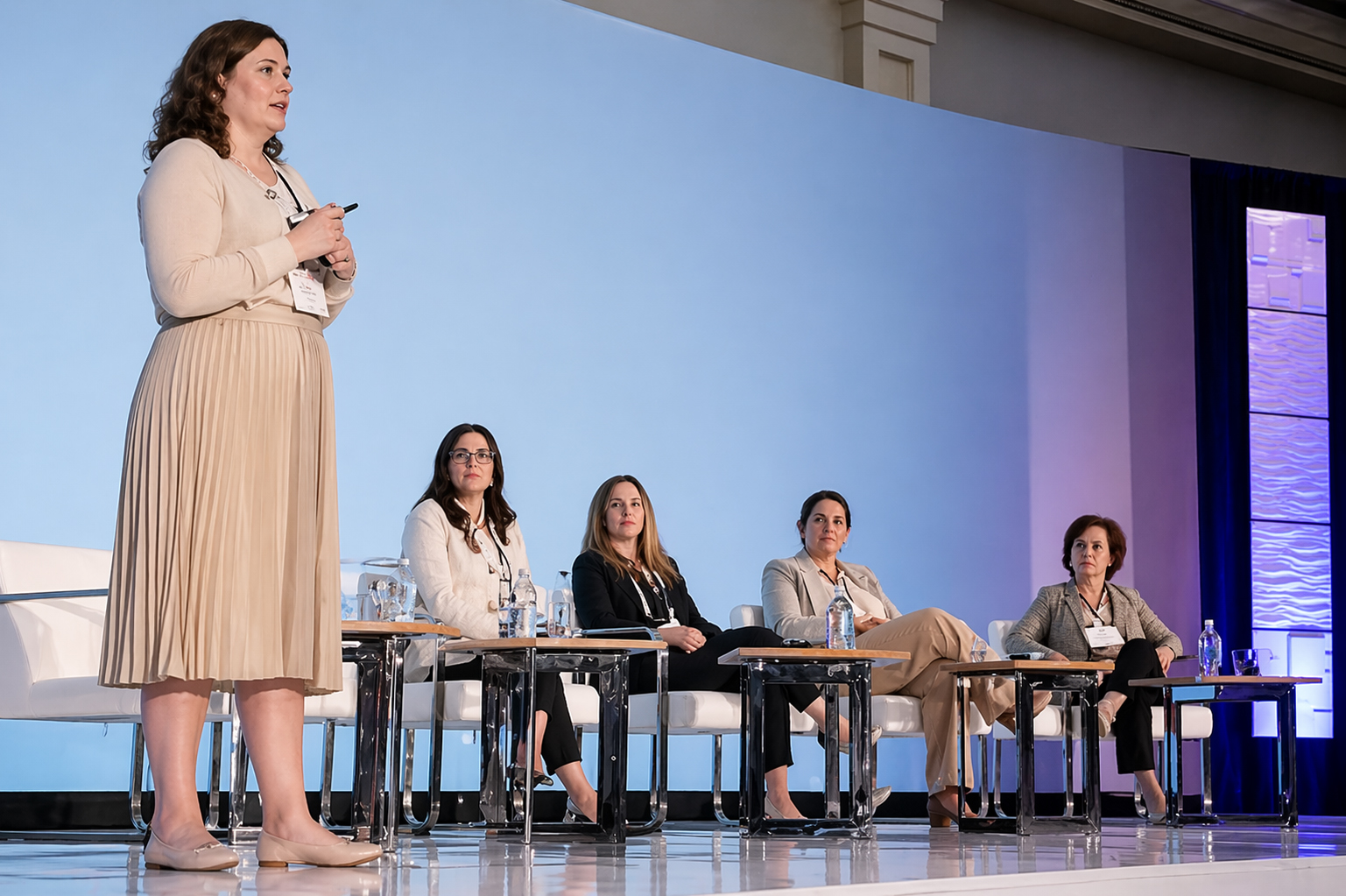
    The panel on the FDA’s nicotine pouch pilot program, moderated by Roxana Weil from McKinney Specialty Labs, was a great discussion between the FDA’s Cristi Stark, Reynolds American’s Carolina Garcia-Canton, Altria Client Service’s Sydana Rogers Hollins, and Kleinfeld, Kaplan, and Becker’s Stacy Ehrlich about the status of the pilot program and what both the FDA and the industry have learned from in the process.

    The pouch pilot program was introduced in 2025, and according to Stark, it started with four applicants and is ending with the same four applicants. She stated that the program aimed for more communication and that the program started at filing. Stark noted that one of the biggest changes the FDA made in the pilot program versus the normal authorization pathway was that the regulatory body followed up with the four pilot companies via email rather than just the more formal letters. The panel participants all noted that the use of email communication was a huge benefit because it allowed for more communication, and more informal communication that helped them to get a better understanding of what the FDA is looking for in their applications.

    One of the biggest points of discussion and agreement was that the pilot program has been successful in creating better lines of communication between the FDA and the industry when it comes to market authorization applications and what is expected and needed to help move the review process along and get product authorized. According to Garcia-Canton, the biggest success has been communication, not necessarily increasing the speed of the review process. Ehrlich agreed that the communication was much better but stated that the FDA needs to be substantially more transparent.

    A point of contention has always been that applicants and the industry feel that the FDA takes too long to review products—the process has taken much longer than the stated 180 days. Ehrlich stated that the process timing needs to be equal for the applicants and the regulatory body; the FDA takes lots of time to review the applications, but companies aren’t necessarily given the time they need to address issues. Stark’s response to the amount of time the process takes was to lay out the process the organization goes through and to emphasize utilizing the pre-submission process and meetings to avoid running into things like timing issues, especially for small companies as they may not have the resources or time to complete longer studies that the FDA may request.

    In discussing the differences in the pilot program versus the normal submission process, Rogers Hollins noted that the FDA’s engagement and tone in the pilot program has been “super helpful and impactful.” She noted that communicating via email was very different than her previous experience with the FDA and that it was helpful as well as being able to gain insights on the FDA’s preferences. In her words, “tone, tenor, and transparency” were the key positive differences.

    According to Garcia-Canton, she noticed that in the beginning, especially, there was a lot of awkwardness between the scientists and the FDA. The idea that the scientists are worried about saying or doing the wrong thing in the FDA’s eyes was iterated by both Garcia-Canton and Stark, but Garcia-Canton emphasized that “this is the place for scientific debate.”

    Stark was asked whether scientists are learning and taking information away from the program. “Change is hard for a lot of people,” Stark said. She noted that there was a lot of confusion over deficiency letters and what was expected from applicants. The FDA’s takeaway, according to Stark, was that it needs to reframe the deficiency letters to better communicate and clear up what the organization needs. She also noted that the scientists, through these communications, are learning that there may be other ways to do things.

    One of the big questions to the panel was whether the FDA made expectations clear from the beginning of the program. Ehrlich was quick to say that they were not entirely clear in the beginning. Garcia-Canton noted that she can sympathize with the FDA reviewers and that both sides can do better with communicating information. “I was not surprised by the request for information,” she said. Adding on to Stark’s notes on deficiency letters, Garcia-Canton noted that she did not always understand what the FDA was asking for and even used AI to ask what the letters meant; she received different answers from different AI programs. However, she noted that she believes the program will help with focus and clarity for future submissions. Rogers Hollins was honest that having gone through it, “I still can’t explain the whole process.” She said that getting more insight would be really helpful and that it would be useful to have more information more easily available in a more informal manner.

    The conversation turned to many of the misperceptions of the pilot program, which Stark cleared up by discussing the theory that the companies in the pilot program are just being pushed through and rubber stamped. She stated that the organization has “not given up on scientific rigor” and that “100% of what was submitted was reviewed” and that the companies heard about any questions that the organization had. Rogers Hollins confirmed that the FDA has been “upholding the scientific standard,” and Garcia-Canton said that the FDA is “keeping up scientific content” and upholding a very high quality.

    An audience member asked if the pilot program is something that can be realistically sustained, to which Stark answered, “Yes, with some changes.” She noted that the FDA needs engaged interaction and increased communication with industry to continue moving forward.

    Another valid question for Stark was what small companies can do to prepare for the submission process. “The standard is the same whether small, medium, or large,” she said. Small businesses may need a little bit more development time or may need to use consultants, though. Stark recommended utilizing the pre-submission review process and meeting with the FDA prior to submissions. Her advice was to plan early, communicate with the FDA, and give time to apply guidance before submission.

    The question of what the biggest challenge is for the existing applicants that are still waiting was asked. Ehrlich stated that applicants “want to know what the noise is—what don’t we need to do?” She also asked whether the wheel needs to be reinvented every time or if there is a way to rely on the existing data for these, very similar, products to help streamline the process. Her takeaway from that question was one of her own: “What is essential and what are the different ways of getting to that, and what is just noise?”

    Stark responded that the FDA is looking at four focused areas for pouches: product characterization, consistent manufacturing, adult benefit, and preventing youth use.

    The panel seemed to agree that the definition of “benefit” in this regard concerns relative risk. Stark noted that she does “not personally agree” with the recent media reports on pouches. The FDA is always concerned about youth access, she said.

    Stark outlined the many meetings with different groups involved in the review of products that help ensure consistency of applications. This also helped to explain part of why the review process takes so long currently. “Is it changing?” she said. “Yes.” She went on to note that “We don’t need to have six meetings a week anymore.” That being said, she emphasized that they are looking over all information and trying to fill in any holes that may exist as they review product applications.

    The panel ended with appreciation of the open conversation and communication. “I’m incredibly excited to be here,” Stark said. “We have a shared effort.” She noted that the pilot program is currently expanding to other programs as well. ENDS is actively progressing, she said. It is no longer a pilot. “We can’t control everything, but we’re looking to learn every step of the way,” Stark said.  

  • FDA Tobacco Chief Highlights Progress, Challenges in Product Reviews and Enforcement

    FDA Tobacco Chief Highlights Progress, Challenges in Product Reviews and Enforcement

    Dr. Bret Koplow, acting director of the FDA’s Center for Tobacco Products (CTP), sat down for a fireside chat to kick off the second day of the American Tobacco and Nicotine Forum (ATNF) in Leesburg, Va. Christopher Greer, president and CEO of the Nicotine Resource Consortium, led the discussion on behalf of industry leaders eager to hear more about the inner workings of the regulatory agency.

    Koplow said the agency has made significant progress in reducing its backlog of premarket tobacco applications, cutting it by roughly 70% over the past year and eliminating the acceptance queue. He noted that while the FDA has reviewed approximately 27 million applications, only a small number have been authorized, largely because most submissions lacked the scientific data required to demonstrate public health benefits.

    Koplow said the agency is working to improve transparency and guidance for applicants, including plans to share lessons learned from the review process to help companies better meet regulatory standards. He also pointed to efforts to streamline evaluations in certain product categories, such as nicotine pouches, where a pilot program enabled faster authorizations and is expected to inform broader regulatory approaches.

    On enforcement, Koplow highlighted increased action against illicit products, including major seizures of unauthorized e-cigarettes in coordination with federal agencies, with most originating from China. He acknowledged ongoing challenges in balancing harm reduction for adult smokers with youth protection, noting declines in youth vaping but continued concerns about public understanding of nicotine risks and the need for stronger evidence on comparative benefits of alternative products.

  • Malawi Faces Oversupply as Tobacco Season Opens

    Malawi Faces Oversupply as Tobacco Season Opens

    Malawi’s 2026 tobacco marketing season has opened with a significant supply-demand imbalance, as production is projected at 197 million kg against buyer demand of just 170 million kg, leaving a surplus of about 27 million kg. Early signs at auction floors point to slow uptake, with less than half of delivered bales initially put up for sale, raising concerns over stock build-up.

    Industry participants say the gap reflects weaker global demand and excess supply, with buyers holding greater leverage and some still carrying unsold inventory from the previous season. Major buyers, including JTI Leaf, Alliance One, and Limbe Leaf, are collectively targeting volumes well below expected output, highlighting a shortage of purchasing capacity.

    The imbalance is expected to put downward pressure on prices and farmer incomes, following a similar pattern last year when oversupply led to price declines. With tobacco remaining a key source of export earnings, officials have urged fair pricing, though market conditions remain driven by the excess supply and limited buyer demand.

  • Illicit Cigarettes Undermine Health Warnings in New Zealand

    Illicit Cigarettes Undermine Health Warnings in New Zealand

    A Radio New Zealand investigation found black market cigarettes widely sold in Auckland without mandated health warnings, often at prices as low as NZ$13 ($7.67) per pack—less than a third of legal products. Under New Zealand law, tobacco packaging must carry graphic health warnings covering at least 75% of the pack, but most illicit products lack these labels, making enforcement more difficult for authorities.

    Public health experts say the absence of warnings and lower prices are undermining efforts to reduce smoking, particularly among low-income groups and young people. Officials note that non-compliant packaging is a key indicator used to identify illegal products, while penalties for violations include fines of up to NZ$600,000 ($354,000) for manufacturers and prison terms or fines for retailers.

  • Dutch Tobacco Revenues Decline Despite Tax Hikes

    Dutch Tobacco Revenues Decline Despite Tax Hikes

    Tobacco excise revenues in the Netherlands fell to €2.55 billion in 2025 from nearly €3 billion a year earlier, despite multiple tax increases, according to Statistics Netherlands. Cigarette excise duties have doubled since 2020, while taxes on smoking tobacco have more than tripled, pushing the minimum price of a pack of cigarettes to €7.81.

    The decline in revenue coincides with falling smoking rates and shifting consumer behavior. The share of smokers dropped from one in four in 2015 to one in six in 2025, while daily smoking also declined. At the same time, more consumers are purchasing tobacco abroad, with cross-border buying rising significantly, and vaping uptake increasing in recent years.

  • Greek Authorities Dismantle €1 Billion Illicit Cigarette Network

    Greek Authorities Dismantle €1 Billion Illicit Cigarette Network

    Greek authorities dismantled a large-scale illegal cigarette production and smuggling network accused of causing €1 billion in losses over eight years. The operation, led by the Hellenic Authority for Combating Money Laundering following a four-month investigation, resulted in the freezing of extensive assets, including 42 properties, a factory used for processing illicit cigarettes, 76 vessels, and dozens of vehicles.

    The case involves 38 individuals and 21 companies, with authorities identifying two alleged ringleaders and several accomplices connected to a broader family network. Investigators said the group used shell companies, fake invoices and false certifications to launder proceeds and conceal the scale of its operations.

  • Tasmania Passes Bill to Strengthen Crackdown on Illicit Tobacco and Vapes

    Tasmania Passes Bill to Strengthen Crackdown on Illicit Tobacco and Vapes

    Tasmania’s House of Assembly passed the Public Health Amendment (Prohibited Tobacco and Other Products) Bill 2026, introducing new offences, higher penalties, and expanded powers to shut down businesses involved in the illegal sale of tobacco and vaping products. The legislation targets illicit trade and aims to strengthen enforcement against unauthorized products.

    Health Minister Bridget Archer said the measures are intended to reduce smoking and prevent youth access, while Police Minister Felix Ellis linked the illicit market to organized crime, warning against the spread of related criminal activity. The bill will now move to the Legislative Council for further consideration.

  • OWNiT Panel Talks Women in Law, Tobacco Industry at ATNF

    OWNiT Panel Talks Women in Law, Tobacco Industry at ATNF

    At the American Tobacco and Nicotine Forum (ATNF), the OWNIT panel brought together leading women in the legal side of the tobacco and nicotine industry to discuss career paths, leadership, and their experiences navigating a traditionally male-dominated field. Moderated by Beth Oliva, a partner with Fox Rothschild, the panel featured Stacy Ehrlich, partner with Kleinfeld Kaplan and Becker LLP,  Carole Folmar, a senior director and associate general counsel for ITG Brands, Kym Wellons, co-founder, COO, and general counsel for Sanova, and Angela Ho-Chen, managing counsel at RAI Services, each sharing personal experiences on entering the profession and building careers in a complex regulatory environment.

    Ehrlich said she was drawn to law early on and described the tobacco sector as a “fascinating” area to work in, while emphasizing the importance of maintaining work-life balance and prioritizing wellness. Folmar highlighted the need for persistence and confidence, particularly in encouraging women to speak up in professional settings, noting she has seen progress in female representation in regulatory roles. Wellons reflected on navigating her career as a single parent, stressing the importance of taking risks and embracing change, while also managing expectations and long-term career growth.

    Ho-Chen spoke about the influence of mentors and the importance of stepping outside comfort zones, particularly early in her career, while also addressing the challenges of balancing professional demands with family responsibilities. Across the panel, speakers emphasized mentorship, setting boundaries, and aligning personal and professional priorities, with Oliva noting that sharing these experiences can help drive broader changes in workplace culture and leadership within the industry.