Category: News This Week

  • Bangladesh Pushed for More Realistic Tobacco Tax Policy

    Bangladesh Pushed for More Realistic Tobacco Tax Policy

    A roundtable hosted by the Policy Research Institute in Dhaka urged Bangladesh to adopt a simpler, more predictable tobacco tax framework, arguing that sharp duty and price hikes in June 2024 and January 2025 have reduced cigarette sales and weakened revenue performance. Speakers cited an Ernst & Young market assessment showing that despite repeated tax increases since FY20, revenue growth has lagged expectations as the total tax burden on tobacco has climbed to roughly 83%, among the highest globally.

    Participants said frequent price adjustments and a complex multi-tier tax structure are distorting the market, pushing consumers toward cheaper segments and widening price gaps between tiers while creating incentives for illicit trade. The group recommended a gradual shift from a value-based to a specific tax system, stronger enforcement capacity to curb illegal trade, and improved factory-level monitoring, arguing that a transparent, stable tax policy is needed to sustain revenue, support administrative efficiency, and reduce market volatility.

  • BAT Pulls Pouches from France, Criticizes Debateless Ban

    BAT Pulls Pouches from France, Criticizes Debateless Ban

    BAT France said it has stopped marketing nicotine pouches nationwide as of April 1, complying with a government decree issued on Sept. 5, 2025 that entered into force this week. The company confirmed it is withdrawing the products from sale in line with the regulation.

    At the same time, BAT France criticized the move as a regulatory ban adopted without parliamentary debate, arguing it runs counter to harm-reduction strategies and France’s goal of a “tobacco-free generation” by 2032. The company said the decision comes amid ongoing European discussions over revisions to the Tobacco Excise Directive and evaluation of the Tobacco Products Directive, and pledged to continue advocating for what it called a science-based, proportionate framework while focusing on vaping products for adult smokers.

  • Filing Shows FDA Rescinded 229 CTP RIF Notices

    Filing Shows FDA Rescinded 229 CTP RIF Notices

    A court filing in the U.S. District Court for the District of Rhode Island shows that the U.S. Food and Drug Administration Center for Tobacco Products has fully reversed a wave of 2025 reduction-in-force (RIF) notices affecting 229 employees. In a declaration filed March 27, FDA official Melanie M. Keller detailed how the notices, issued March 31, April 1, and May 2, 2025, were rescinded in stages beginning May 1 and continuing through September 12, 2025, across multiple CTP offices, including health communication and education, compliance and enforcement, management, regulations, and public health education.

    The declaration states that on February 3, 2026, all remaining RIF notices were rescinded except for eight employees who had already moved to other CTP divisions. The final rescissions covered staff responsible for public complaints, small business assistance, IT business process support, industry outreach, and management of contracts and grants. The filing also notes that two Office of Science leaders placed on administrative leave after proposed reassignments returned to their roles by November 6, 2025, and that none of the affected employees remains on administrative leave.

    The filing is part of State of New York vs Robert F. Kennedy, Jr., lawsuit.

  • Acupuncture Featured as Cessation Tool  

    Acupuncture Featured as Cessation Tool  

    Acupuncture for smoking cessation was highlighted as a promising non-pharmacological intervention at the Guangdong-Hong Kong-Macao Traditional Chinese Medicine Technology Development Forum, where experts promoted acupoint stimulation as a way to reduce nicotine cravings without medication. The forum, focused on standardizing Traditional Chinese Medicine (TCM) technologies and strengthening primary healthcare, brought together specialists from Guangdong, Hong Kong, and Macao to discuss scalable TCM practices.

    Paulo do Lago Comandante, chairman of the Macau Association of Researchers, Practitioners and Promoters of Chinese Medicine, said such techniques are “simple, convenient, affordable, and effective,” and can help integrate TCM more deeply into frontline care. Speakers framed acupuncture-based cessation support as part of a broader push to formalize and expand TCM methods across community health systems in the Greater Bay Area.

  • IMPERIAL BRANDS ADDS NEW FLAVOUR TO POPULAR BLU LINE UP

    IMPERIAL BRANDS ADDS NEW FLAVOUR TO POPULAR BLU LINE UP

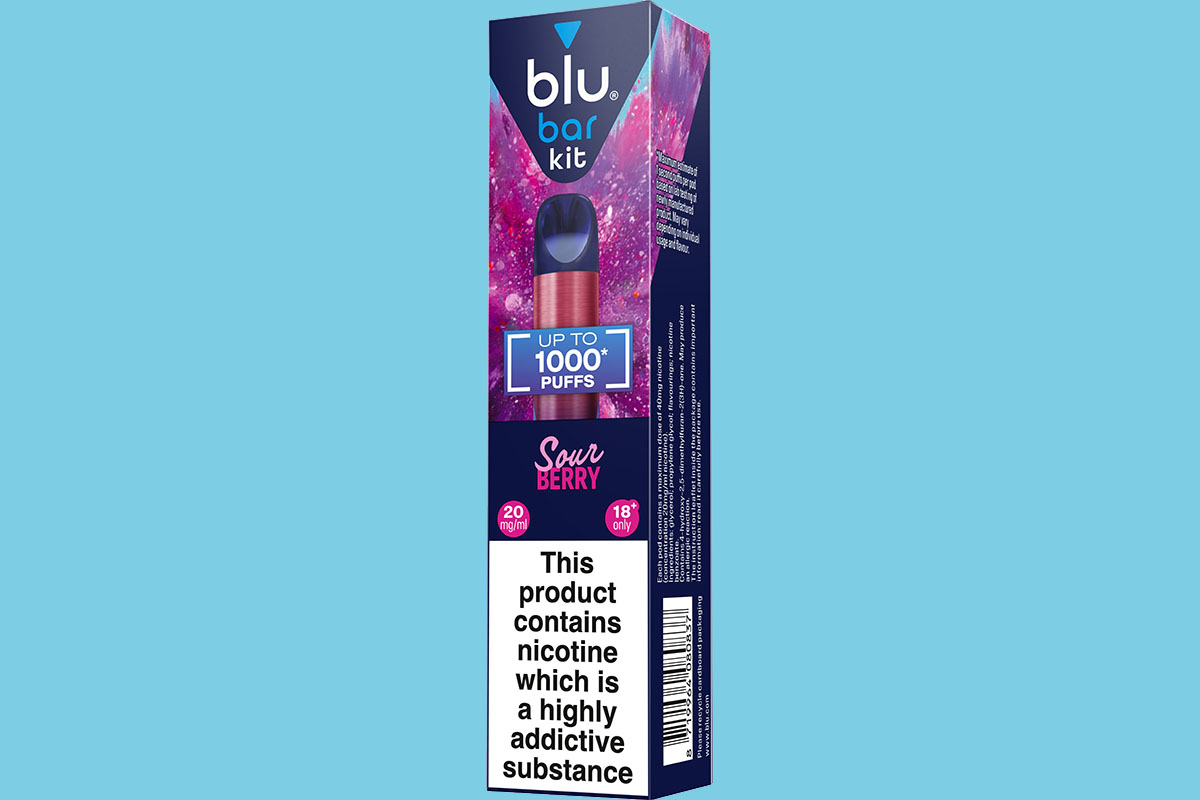
    Imperial Brands has announced the addition of a brand-new flavor to its popular blu vape offering with the arrival of Sour Berry.

    Launching across retail in April, and with an RRP of £5.99, Sour Berry is the newest addition to blu bar kit and blu box kit’s extensive flavor range, bringing the total number of flavor options available to customers to 17.

    With fruit-flavors preferred by 83% of vape users, customer demand is seeking differentiated, less synthetic flavors in this category. In response, Imperial Brands launched Sour Berry to expand its blu vape flavor range in line with customer preferences. The newest addition will offer a more authentic flavor profile of wild berries, sharpened by tartness, to provide a superior flavor experience for users, engaging their senses with distinct, vibrant berry notes.

    The new Sour Berry flavor uses the innovative AuthentiTaste formulation, which are liquids crafted with flavorings that mirror real fruit profiles and sensorial cues – like sourness – delivering a fresh, captivating experience.

    The new Sour Berry flavour will be available in two formats:

    • blu bar kit: Offering 1,000 puffs of intense, authentic flavor per prefilled, replaceable pod. The kit features a sleek device and is compatible with all other flavors in the extensive blu pod range, allowing users to enjoy a variety of flavor experiences.
    • blu pod pack: Each pack includes two replacement blu pods, delivering an impressive total of 2,000 puffs per pod pack.

    Shirley Soccio, Head of Consumer Marketing UK & Ireland at Imperial Brands, commented: “Vape users across the UK continue to demand new and exciting flavors. As a business, we remain committed to ensuring our range reflects evolving customer taste preferences. For retailers, this means that they can in turn offer the best products and experiences to their customers.

    “A recurring point of feedback among customers is that they see some flavors on the market as artificial or one-dimensional. To address this, Sour Berry has been formulated specifically to offer an unexpected yet genuine flavor experience, which we anticipate will create strong demand from vape users.”

    For further information, visit https://www.blu.com/en-GB.


  • FDA’s Pouch Fast-Track Scheme Stalling Over Youth Worries

    FDA’s Pouch Fast-Track Scheme Stalling Over Youth Worries

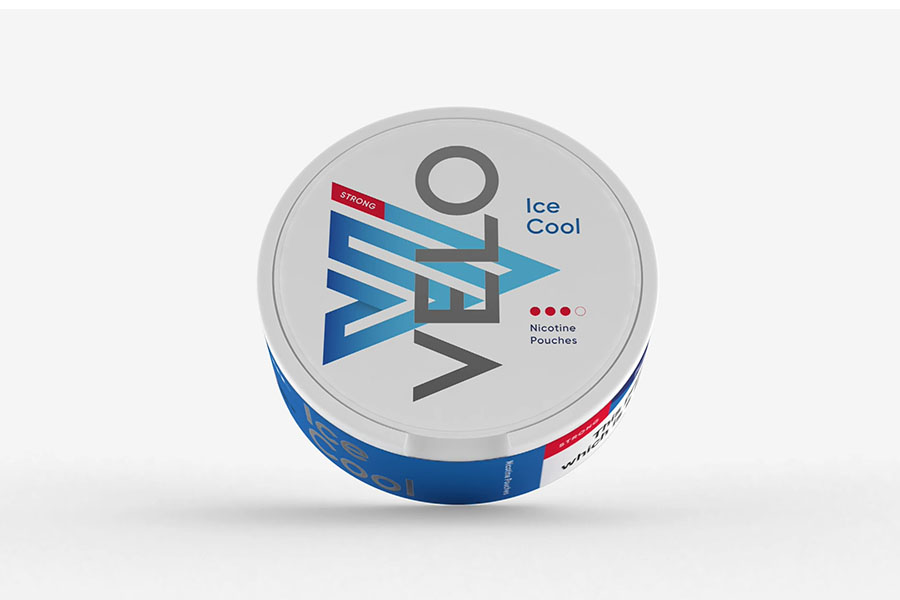
    A fast-track review program at the U.S. Food and Drug Administration aimed at accelerating authorizations for nicotine pouch products has stalled, as agency scientists weigh concerns about youth uptake and risks to non-users against potential harm-reduction benefits for smokers, according to sources cited by Reuters. Reuters said applications tied to pouch brands from Philip Morris International (Zyn) and British American Tobacco (Velo) remain under review despite expectations that decisions would be made by the end of 2025 under the pilot scheme. The FDA has already authorized six products under Altria Group’s on! brand, but reviewers are said to be taking a more cautious stance on other applications where evidence of net public-health benefit is viewed as less clear-cut.

    While FDA data shows pouch use among middle- and high-school students remains relatively low, it has been rising, prompting heightened scrutiny. Tobacco companies argue the pilot program is critical for restoring legal market competition amid a surge of unregulated products, while public-health advocates warn that rapid authorizations could fuel new addiction trends. The FDA said decisions continue to be guided by science and statutory standards rather than external pressure.

  • Oregon Expands Oversight of Tobacco and Inhalant Systems

    Oregon Expands Oversight of Tobacco and Inhalant Systems

    Oregon Governor Tina Kotek signed Senate Bill 1571 yesterday, expanding the state’s regulation of tobacco products and inhalant delivery systems, which include e-cigarettes, nicotine pouches, and other vapor-producing devices. The bill broadens the legal definition of these products to include any form of nicotine and replaces criminal penalties for sales to minors under 21 with a civil enforcement system managed by the Oregon Health Authority. Retailers must now comply with stricter packaging rules, including child-resistant requirements, and all sales must occur in person at licensed premises, effectively banning online or mail-order sales to Oregon consumers.

    The legislation also empowers the Oregon Health Authority to adopt rules and impose civil penalties for violations, while repealing certain prior criminal statutes related to tobacco sales. The law is designed to strengthen youth protections, improve compliance oversight, and modernize regulatory authority over new nicotine products and inhalant delivery systems. The act will take effect 91 days after the legislature adjourned on March 6th, giving retailers and the state time to implement the new enforcement framework.

  • Study Claiming Vaping ‘Likely’ Causes Cancer Faces Backlash

    Study Claiming Vaping ‘Likely’ Causes Cancer Faces Backlash

    On March 30, Oxford’s Carcinogenesis magazine published an article titled, “The carcinogenicity of e-cigarettes: a qualitative risk assessment,” where the authors concluded that nicotine-based e-cigarettes are “likely to be carcinogenic” to users, potentially contributing to oral and lung cancer risk. The authors admitted that the actual risk in humans was uncertain, but said research found DNA damage, oxidative stress, inflammation, and epigenetic changes in oral and respiratory tissues linked to exposure to vape-derived chemicals such as nicotine-derived nitrosamines, volatile organic compounds, flavoring agents, and trace metals.

    The article received immediate criticism, beginning with Peter Hajek, professor of clinical psychology and director of the Health and Lifestyle Research Unit at Queen Mary University of London, who said, “The review’s conclusions are misleading. The authors specify early on that they are not comparing vapers and smokers. This allows them to present a detection of any level of a suspect chemical, however negligible, as ‘carcinogenic.’”

    The basis of the research focused on studies published between 2017 and 2025.

    “This is largely a qualitative review drawing heavily on low-quality studies, including in vitro [study of cells] and animal experiments using unrealistic exposure scenarios,” said Dr. Marina Murphy, senior director of scientific affairs for Haypp Group. “Such studies may demonstrate biological plausibility, but plausibility alone is a weak basis for public health alarm – especially when similar mechanisms are observed with everyday exposures such as cooking fumes, cleaning aerosols, and urban air pollution.

    “Studying cells can be useful, but limited in what can be deduced from them. If I were to pour coffee on cells in a lab, they would die. Should I conclude that coffee will kill me? The answer is obviously ‘no!’”

    John Dunne, the director general of the UK Vaping Industry Association, said the misinformation in the article does a disservice to the millions of people using vapes to quit smoking.  

    “The NHS, the Royal College of Physicians, and the Office for Health Improvement and Disparities, all agree that vaping – while not risk-free – is significantly less harmful than smoking,” Dunne said. “Cancer Research UK, the world’s largest independent cancer charity, maintains there is ‘no good evidence’ that vaping causes cancer. [The report] is exactly this kind of confusion that threatens the nation’s smoke-free future.”  

  • Hestia Opposes Motion to Dismiss in Nasco Case

    Hestia Opposes Motion to Dismiss in Nasco Case

    Hestia Tobacco has filed an opposition to The Tobacco Company v. Nasco Products LLC motion to dismiss in the U.S. District Court for the Middle District of North Carolina, arguing its complaint sufficiently pleads a claim for tortious interference with contract. Hestia says Nasco knowingly contacted state regulators to have Hestia-branded cigarettes removed from approved tobacco directories, rendering the products illegal to sell and preventing distributors and retailers from honoring existing agreements. The company contends this was a deliberate effort to make its inventory “contraband,” not a mere downstream consequence of a contract dispute. Hestia further argues Nasco’s claim of “justification” is an affirmative defense that cannot be resolved at the motion-to-dismiss stage and that Nasco improperly asks the court to weigh evidence and consider materials outside the complaint before discovery.

    The case stems from a January lawsuit filed by The Tobacco Company, operator of the Hestia brand, against its former manufacturer, Nasco Products LLC. Hestia alleges Nasco breached their manufacturing agreement by sharply increasing production costs and then taking steps that led to Hestia products being pulled from sale in multiple states, damaging its distributor and retailer relationships. Nasco, in seeking dismissal, argues the complaint relies on vague references to contracts and fails to detail how its conduct amounted to interference or fraud. Hestia is seeking monetary damages under federal diversity jurisdiction as the dispute moves into early procedural stages.

  • Charlie’s Holdings Reports 169% Revenue Increase

    Charlie’s Holdings Reports 169% Revenue Increase

    Charlie’s Holdings, Inc. reported a sharp turnaround in 2025, with revenue rising 169% year over year to $20.9 million and net income of $4.5 million, compared with a $4.2 million loss in 2024. The company’s auditor, Urish Popeck & Co., LLC, issued a clean opinion that removed prior “going concern” language, strengthening Charlie’s position for a planned uplisting to a national exchange in 2026. Balance sheet metrics improved materially, with cash increasing to $1.3 million, total assets to $11.6 million, and shareholders’ equity returning to a positive $3.4 million from a deficit position a year earlier.

    Performance was supported by $7.5 million in PMTA-related asset sales to a strategic buyer, growth in SBX nicotine-analogue disposables, and the opening of a U.S. manufacturing facility in Q4. Looking ahead, Charlie’s plans to expand chain convenience distribution, pilot an AI/blockchain age-gating system with IKE Tech, introduce high-capacity disposable devices under SBX and Pachamama, pursue additional PMTA partnerships, grow international sales, and advance its exchange uplisting, while positioning its regulatory compliance and youth-access controls as differentiators in a market the company says is pressured by illicit imports.