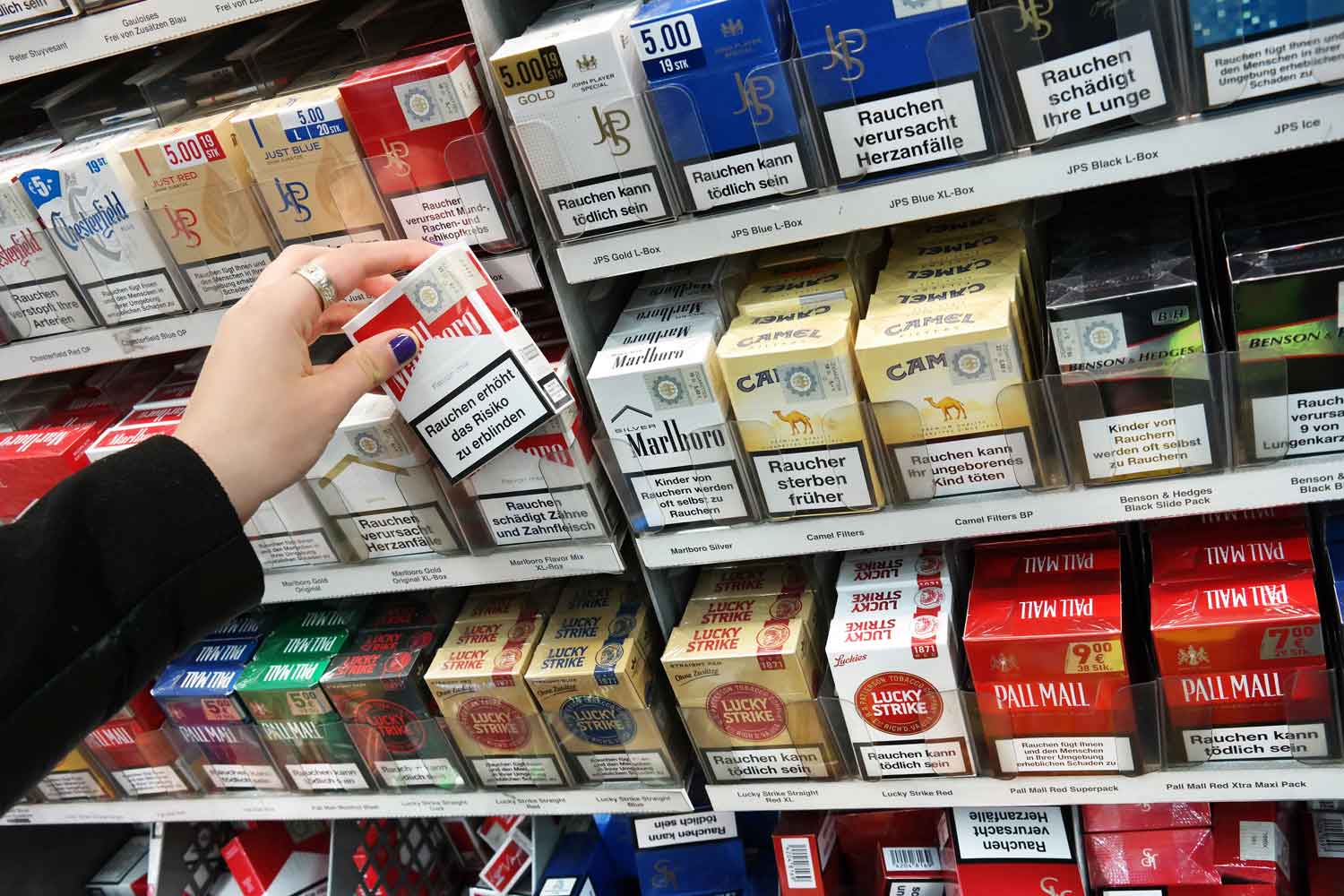
Scotland’s ruling Scottish National Party (SNP) has pledged to ban the display of vaping products in retail outlets if re-elected, aligning vape regulations more closely with existing tobacco restrictions. The move, aimed at reducing youth appeal linked to colorful packaging and in-store visibility, would be enabled through powers in the UK’s pending Tobacco and Vapes Bill. The proposal builds on existing measures, including the ban on single-use vapes, and reflects broader efforts to tighten controls on nicotine products amid concerns over rising youth usage.
Category: Global Regulation
-

French Group Urges Stricter Vape Controls, Plain Packaging
French advocacy group Contre-Feu called for tighter regulation of e-cigarettes, accusing manufacturers of targeting young people through flavored products, packaging, and marketing. The group is pushing for measures including plain packaging, stricter rules on flavor naming, and a ban on online sales, citing survey data showing more than half of 13–16 year-olds are drawn to vaping by sweet or fruity flavors. The intervention comes as smoking rates decline in France, but vaping grows, with the market generating around €1.6 billion annually, highlighting concerns that nicotine companies are shifting focus to sustain demand among younger consumers.
-

Western Australia Tightening Tobacco and Vape Laws
The Government of Western Australia Department of Health updated its website to address the new legislation that it is preparing to implement to strengthen tobacco and vaping controls, targeting the growing illicit market with tougher enforcement measures. The laws make it an offence to sell, supply, or possess illegal tobacco or vape products, grant authorities powers to shut down non-compliant premises, and introduce significantly higher penalties. Public smoke-free areas will also be extended to include vaping.
The government said further reforms are planned for later in 2026, including stricter rules for landlords and licensing, as part of a broader effort to curb illegal trade and enhance public health protections.
-

Poland Moves to Tax Induction E-Cigarettes
Poland’s government is set to introduce excise duties on induction-based e-cigarettes, aiming to close regulatory gaps that have allowed some products to be taxed at lower rates, according to a report from WNP. Under proposed amendments to the Excise Tax Act, devices and liquid tanks using electromagnetic induction — identified by the presence of a ferromagnetic element — will be classified as e-cigarettes and subject to a PLN 40 ($11.20) per unit tax. The move is part of broader efforts to tighten oversight of emerging vape technologies and ensure consistent taxation across the category.
-

Hong Kong Banning Public Use of Alternative Products
The Hong Kong Special Administrative Region Government will begin enforcing new penalties on April 30, 2026 under the Tobacco Control Legislation (Amendment) Ordinance 2025, making it an offense to carry or use alternative smoking products in public. The measure applies to electronic cigarettes, e-liquids, and herbal cigarettes, with violators facing fines of up to HK$50,000 ($6,500) and up to six months’ imprisonment under a “one strike” enforcement approach and no transition period. The move is part of a broader tightening of tobacco controls that will also introduce a cigarette duty stamp system and a future ban on flavored conventional smoking products.
-

NZ Retailers Want Crackdown to Avoid Australia’s Illicit Tobacco Crisis
Retail NZ is calling for the government to establish an urgent multi-agency task force to combat the growing illicit tobacco trade, warning that New Zealand risks facing the kind of organized crime activity seen in Australia if enforcement is not strengthened. In a report released April 13, Chief Executive Carolyn Young said black-market cigarettes are now being sold openly in some Auckland shops at steep discounts, undermining tobacco control measures and exposing retailers to criminal pressure.
Retail NZ is urging coordination between police, customs, and the Ministry of Health, tougher penalties, and an independent roundtable to address the issue, noting that current enforcement is fragmented and sanctions remain low. Under existing law, selling illicit cigarettes can carry penalties of up to six months’ imprisonment or a NZ$20,000 ($11,800) fine, while importing tobacco without paying excise duty violates customs regulations.
-

Mozambique Advances Comprehensive Tobacco Control Law
Mozambique’s Assembly of the Republic approved in general terms a new Tobacco Law aligned with the World Health Organization’s WHO Framework Convention on Tobacco Control, aiming to curb consumption and exposure to tobacco smoke. Presenting the bill, Justice Minister Mateus Saíze outlined health harms linked to tobacco use and said the country faces an estimated 11.7 billion meticais ($187 million) in annual direct and indirect losses — about 1.3% of GDP — including 900 million meticais ($14.4 million) in healthcare costs.
-

Seoul Expands No-Smoking Enforcement to Vaping
The city of Seoul will begin business inspections and public outreach ahead of April 24, when revisions to the Tobacco Business Act take effect, classifying all nicotine-using e-cigarettes and vaping devices as tobacco products. The change means vaping will be subject to the same restrictions as combustible cigarettes, including bans in designated no-smoking zones. Officials said the revision closes a legal gap dating to 1988, which previously allowed some vaping-related fines to be overturned because e-cigarettes were not explicitly covered by the law.
From April 14 to May 15, Seoul will conduct city-wide inspections of retailers, including unmanned shops, while running public awareness efforts from April 13–23.
-

FDA Sends ENDS Comment Period Reminder
Today (April 8), the U.S. Food and Drug Administration’s Center for Tobacco Products issued a reminder that the public has until 11:59 p.m. EDT on May 11 to submit comments on its draft guidance for flavored e-cigarette applications, docketed as FDA-2026-D-1817 on Regulations.gov.
The reminder relates to draft guidance the agency released on March 11, titled “Flavored Electronic Nicotine Delivery Systems (ENDS) Premarket Applications – Considerations Related to Youth Risk,” which outlines how the FDA plans to weigh the youth appeal of flavored products against any added benefit they may provide to adults compared with tobacco-flavored options, including expectations for evidence on adult switching, youth initiation risk, and the potential use of device access-restriction technology.
-

FDA Allows Fontem to Continue Selling Pouches Amid Court Battle
The U.S. Food and Drug Administration confirmed it will not block production or sales of Fontem US’s Zone nicotine pouches while a lawsuit over the product’s pending premarket tobacco product application proceeds, Law 360 reported. Fontem argued that the agency unlawfully delayed reviewing its application, leaving the product in regulatory limbo.
The FDA said it will not take enforcement action during the litigation, allowing the pouches to remain on the market. Fontem recently voluntarily dismissed its suit in Texas and plans to refile in Washington, D.C. The case underscores ongoing tension between regulators and manufacturers over PMTA backlogs and the treatment of newer oral nicotine products, which differ from traditional cigarettes and vapes.
According to Law 360, industry observers believe the court battle could set a precedent for how the FDA handles delayed applications and exercises enforcement discretion in the growing nicotine pouch sector.