Category: Global Regulation

  • Concern That Malaysian Retailers Won’t be Ready for Vape Display Ban

    Concern That Malaysian Retailers Won’t be Ready for Vape Display Ban

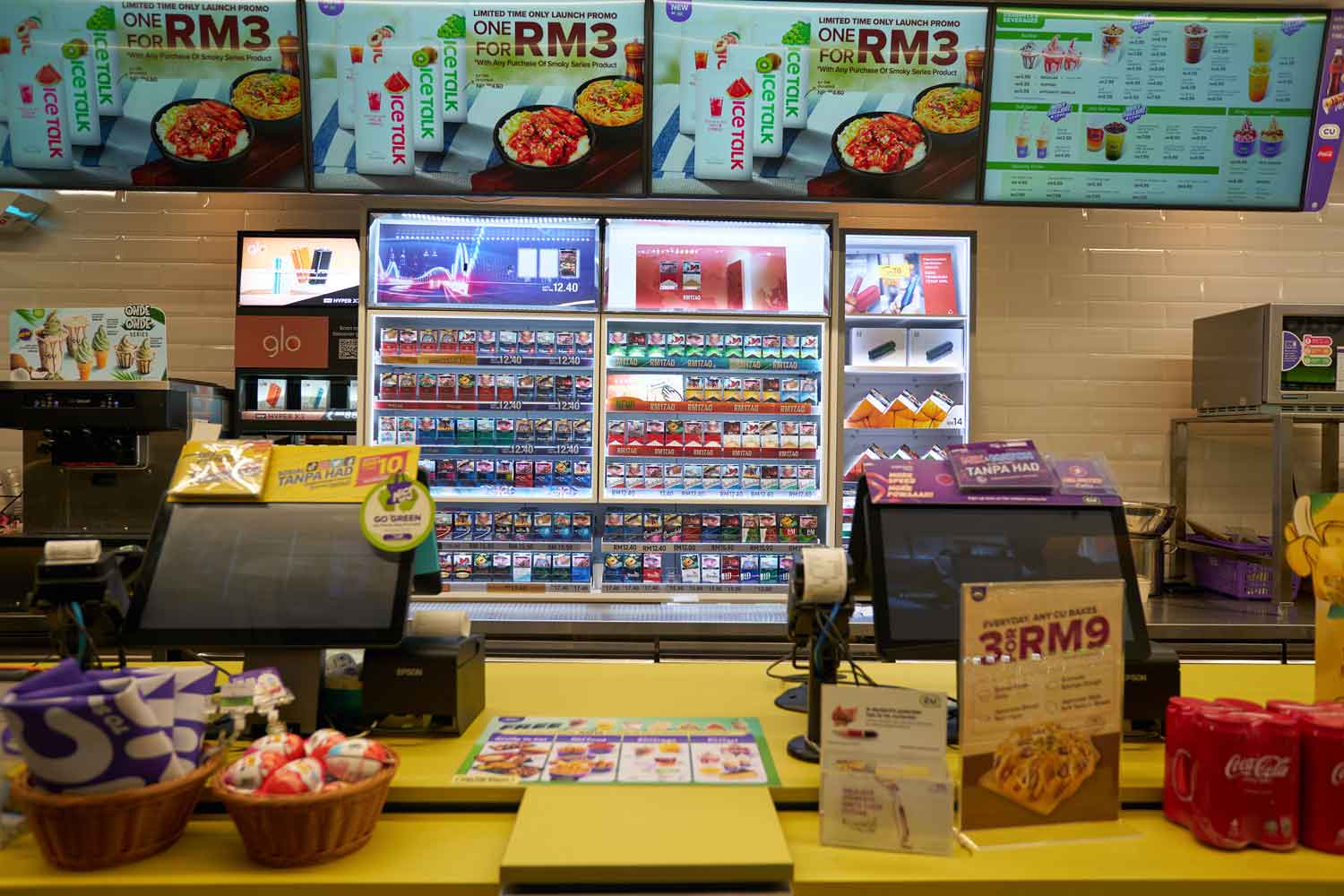
    Anti-tobacco groups are raising concerns that some Malaysian retailers are still not compliant with the tobacco and vape retail display ban (RDB), which is scheduled for full enforcement on October 1 under the Control of Smoking Products for Public Health Act 2024 (Act 852). The Malaysian Council for Tobacco Control (MCTC) noted that out of more than 51,000 retailers nationwide, a significant number have yet to install the required enclosed cabinets for tobacco and vape products. Observations from the field show some stores leaving certain cigarette products openly displayed and vape products in glass cases.

    MCTC urged the Ministry of Health not to grant exceptions, though it suggested temporary measures—such as covering products with cloth or canvas—if cabinets are still being installed. The council warned that narratives claiming the ban harms small businesses are being used by some retailers to rally political support.

  • Indonesia Weighs Tobacco Tax Hike Amid Worker, Smuggling Concerns

    Indonesia Weighs Tobacco Tax Hike Amid Worker, Smuggling Concerns

    Earlier this week, Indonesia’s Finance Minister Purbaya Yudhi Sadewa said that any increase in tobacco excise must be paired with safeguards for workers, warning that steep hikes could push the sector into decline without social protection programs. “You can’t kill the industry unless there’s a program to absorb the displaced workforce,” he told reporters, noting the risk of mass layoffs if cigarette excise rates rise too quickly.

    While higher taxes are designed to cut smoking rates and boost state revenues, Purbaya stressed the need for transition planning. He said he would review the condition of East Java’s cigarette industry and study the growing illegal market, which he warned is eroding legitimate businesses. The finance ministry is also investigating counterfeit excise stamps, which Purbaya believes could be costing the state significant revenue.

    Deputy Finance Minister Anggito Abimanyu confirmed that the 2026 excise tariff remains under review. Lawmakers recently agreed to raise the government’s 2025 customs and excise revenue target to Rp336 trillion ($19.7 billion), up from Rp334.3 trillion. Final details of next year’s tobacco tariff will be determined after an evaluation of this year’s performance.

  • CAPHRA Slams WHO Over Barriers to COP11 Participation

    CAPHRA Slams WHO Over Barriers to COP11 Participation

    The Coalition of Asia Pacific Tobacco Harm Reduction Advocates (CAPHRA) criticized the World Health Organization’s Framework Convention on Tobacco Control (WHO FCTC) for imposing what it calls “insane” registration requirements for the upcoming COP11 in Geneva. Executive Coordinator Nancy Loucas said the late opening of registration, coupled with onerous demands for personal documentation, a letter of intent, a full CV, and a declaration of zero tobacco funding, is deliberately designed to exclude consumer advocacy groups and harm reduction voices. Despite the FCTC being in place for two decades, not a single consumer group has ever been granted observer status, while only 26 NGOs have been approved overall, far fewer than in comparable UN forums such as climate negotiations.

    CAPHRA said the WHO’s restrictive interpretation of Article 5.3 has been weaponized to silence stakeholders, including people who smoke or use safer nicotine products. Proceedings remain closed to the media and the public, with no live streaming or meaningful transparency, a practice Loucas calls fundamentally undemocratic. CAPHRA is urging reform to allow full and fair participation, stressing that genuine tobacco harm reduction requires including the very consumers most affected by global policy decisions.

  • Kenyan Retailers Push Back Against Tobacco Control Bill

    Kenyan Retailers Push Back Against Tobacco Control Bill

    Bar owners and retailers in Kenya held a protest today (September 24) and urged the Senate to halt the progress of the Tobacco Control (Amendment) Bill, 2024, citing a lack of public consultation. The Bars, Hotels and Liquor Traders Association of Kenya (BAHLITA) and the Retail Traders Association of Kenya (Retrak) also submitted a joint petition, arguing that consumers, retailers, and manufacturers—those most affected by the proposed law—have been excluded from the legislative process. They contend that the bill, sponsored by ODM Senator Catherine Mumma, has been rushed forward without meaningful stakeholder input.

    The petitioners warn that the bill’s stricter regulations on nicotine products, including synthetic nicotine and e-cigarettes, could harm small and medium-sized businesses, increase compliance costs, and inadvertently drive legal trade into the illicit market. With half of Kenya’s cigarette market already illegal, they argue that the legislation could exacerbate black-market activity, threaten livelihoods, and reduce employment in retail. The groups are calling for inclusive, transparent consultations before the bill proceeds to the Committee of the Whole House stage.

  • Bangladesh Pushes for Tobacco-Free Generation

    Bangladesh Pushes for Tobacco-Free Generation

    Tobacco industry stakeholders are closely monitoring calls from Bangladeshi experts and advocacy groups to amend the country’s tobacco control law with the stated goal of creating a “tobacco-free generation.” While public health advocates link tobacco use to rising rates of non-communicable diseases and urge stricter restrictions, the industry cautions that sweeping amendments could have wide-ranging economic and social impacts. Bangladesh’s tobacco sector supports millions of livelihoods, from farmers to small retailers, and contributes significantly to government revenue through taxes and export earnings. Industry representatives stress that any legal reforms must balance health objectives with the realities of employment, trade, and fiscal stability.

    From the industry’s perspective, an outright tightening of laws—such as bans on e-cigarettes and vaping—risks pushing consumers toward illicit markets, undermining both health and tax collection goals. The sector emphasizes the importance of pragmatic regulation, transparency, and meaningful dialogue between policymakers, public health groups, and industry stakeholders.

  • Belgium Smoking/Vaping Ban Starts in 2027, Smoking Rooms Closed

    Belgium Smoking/Vaping Ban Starts in 2027, Smoking Rooms Closed

    Belgium’s federal government confirmed that smoking and vaping will be banned on and near terraces, as well as in all public smoking rooms, starting January 1, 2027. The move, approved by the Council of Ministers on September 12, extends existing smoking restrictions to outdoor hospitality spaces such as café and restaurant terraces, while also eliminating smoking rooms in bars, airports, cigar clubs, and shisha bars. The government delayed the rollout by one year from the original 2026 target to give businesses time to adapt.

    The hospitality sector, which had resisted the measure, will now be responsible for enforcing the ban with clear signage and by actively intervening if customers smoke or vape. Establishments risk penalties for insufficient signage, ignoring violations, or even placing items that could encourage smoking, such as ashtrays.

  • Mexico Proposes 200% Tobacco Tax Hike in Sweeping Health Push

    Mexico Proposes 200% Tobacco Tax Hike in Sweeping Health Push

    Today (September 11), Mexico’s Secretariat of Finance and Public Credit proposed steep new levies on products considered to be unhealthy as part of a broad “healthy tax” initiative aimed at curbing harmful consumption and boosting revenue. The plan would raise the Special Tax on Production and Services (IEPS) on junk food, processed food, and fast food. It would also gradually increase tobacco taxes “by 200% through the year 2030,” alongside new per-cigarette quotas, VAT, and higher duties on hand-rolled cigars. The proposal also introduces taxes on nicotine pouches and e-cigarettes, tied to nicotine content.

    Mexico is also considering increasing the taxes on online gambling, and taxing digital services and video games with violent content. Officials say the measures could generate 140 billion pesos ($757 million) annually while advancing President Claudia Sheinbaum’s goal of promoting healthier lifestyles.

  • Midwest Goods Responds to FDA Seizure, Says Actions are ‘Troubling’

    Midwest Goods Responds to FDA Seizure, Says Actions are ‘Troubling’

    Following yesterday’s (September 10) news that federal officials seized $86.5 million worth of illicit vapes in Chicago, Midwest Goods confirmed that agents from the Food and Drug Administration (FDA) and U.S. Marshals executed a civil seizure warrant at its facilities, targeting more than 75 brands of bottled e-liquids used in refillable vaping devices. The company said it is fully cooperating with authorities.

    In a statement, Midwest emphasized that the products cited in the warrant are manufactured in the U.S. by companies employing “hundreds, if not thousands,” of American workers. Many of the e-liquids, the company said, are tied to premarket tobacco product applications (PMTAs) that have been pending with the FDA since as far back as September 2020, despite a statutory requirement for review within 180 days. Midwest noted that the FDA has previously allowed these products to remain on the market during the prolonged review process.

    “Midwest has always attempted to work cooperatively with FDA,” the company said in its statement. “After a recent FDA inspection in August, we advised FDA that we had removed from our product catalog and inventory several ENDS products about which FDA inspectors had inquired. We also offered to remove other ENDS products from our product catalog if FDA was concerned about our continuing to offer them for sale. FDA acknowledged receipt of our correspondence, but did not request that we stop selling any other products.”

    The company called the enforcement action “troubling,” particularly in light of reports that FDA is preparing to expedite reviews of products tied to larger companies with more recent applications, while seizing long-pending independent products. It pledged to continue cooperating with federal authorities while reserving the right to challenge the seizure in court.

    Read the full statement here.

  • NSW’s New Laws Aimed at Curbing Illegal Tobacco Trade

    NSW’s New Laws Aimed at Curbing Illegal Tobacco Trade

    The New South Wales (NSW) Parliament passed sweeping new laws to crack down on the illegal tobacco trade, with offenders now facing some of the harshest penalties in Australia. Under the legislation, those convicted of selling illicit tobacco could face fines of up to A$1.5 million ($1 million), prison sentences of up to seven years, and the closure of their businesses. The measures will work alongside the state’s new tobacco licensing scheme, designed to make it easier to identify and remove rogue operators, and will be enforced by NSW Health’s newly established Centre for Regulation and Enforcement.

    The government said the reforms are aimed at protecting public health and safeguarding legitimate retailers, while disrupting the operations of criminal syndicates profiting from tax evasion, addiction, and youth exposure to tobacco.

  • Hong Kong Bill Bans Vapes, Heated Products, Flavored Cigarettes

    Hong Kong Bill Bans Vapes, Heated Products, Flavored Cigarettes

    Hong Kong’s Legislative Council approved sweeping new tobacco control measures aimed at further cutting smoking rates in the city. The Tobacco Control Legislation (Amendment) Bill 2025, passed today (September 11) with 74 votes in favor (versus one against and seven abstentions) bans possession of e-cigarettes and heated tobacco products, extends non-smoking areas, prohibits sales to minors, and outlaws flavored cigarettes except menthol.

    Lawmakers largely supported the bill, with several highlighting the need to shield young people from targeted marketing of flavored products. Hong Kong’s smoking rate currently stands at 9.1%, as officials hope to eventually bring it below 5%.