Category: Illicit Trade

  • Illicit Cigarettes Still Increasing in Philippines

    Illicit Cigarettes Still Increasing in Philippines

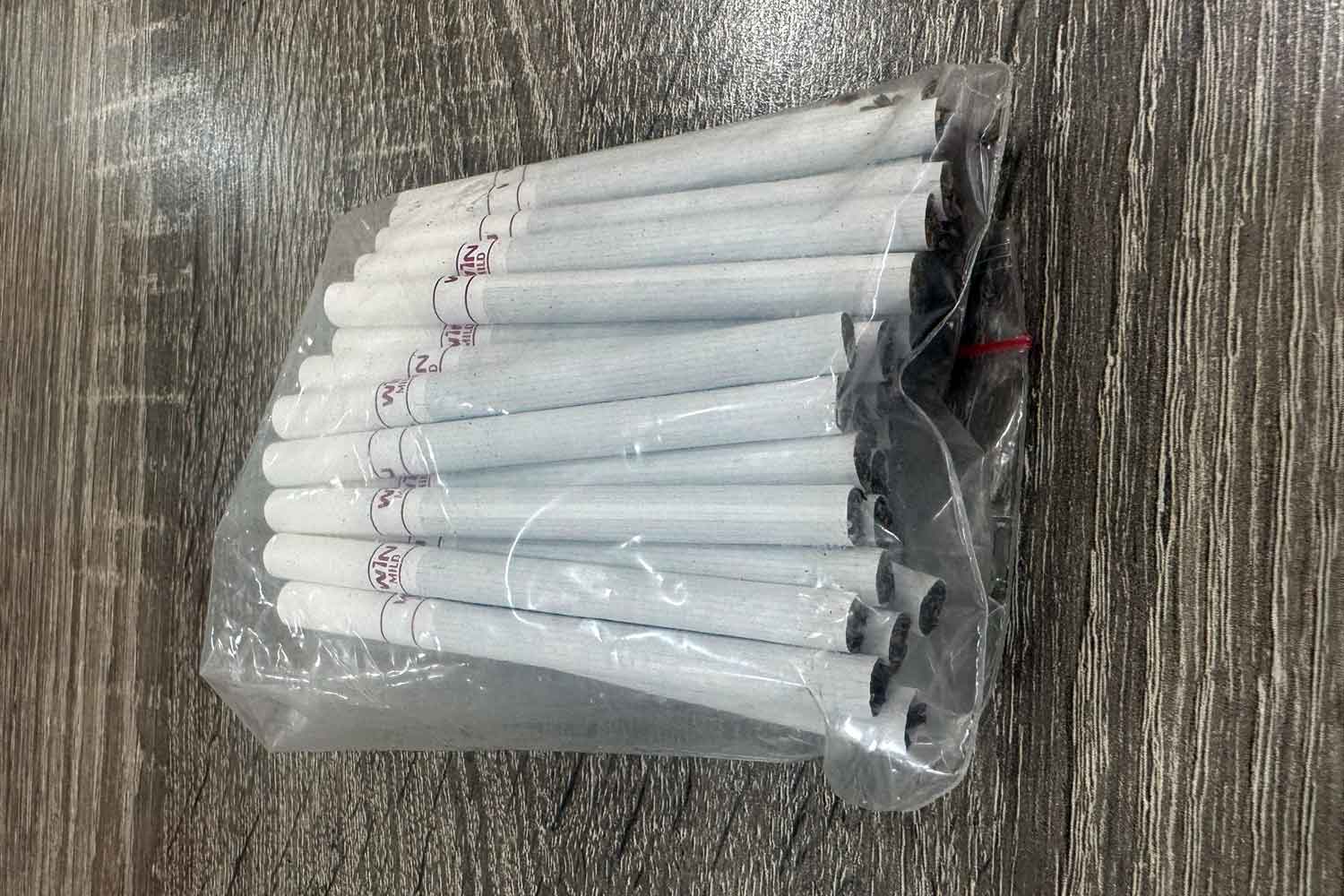
    Illicit cigarettes in the Philippines are still on the rise, according to PhilStar. The latest market survey shows that illicit cigarettes can be bought for PHP3 to PHP4 ($0.05 to $0.06) per stick. The lowest priced legal brand is PHP7 per stick.

    One of every five cigarettes sold comes from an illegal source. Illicit cigarette trade was 7.4 percent of total volumes in 2021, and in 2025, illicit cigarette trade is at 20.9 percent. Smoking prevalence has also increased from 18.5 percent of adults in 2021 to 23.2 percent in 2025. Youth smoking has doubled from 2.3 percent to 4.8 percent.

    The Philippines Bureau of Internal Revenue estimates that the country loses at least PHP50 billion annually from smuggling and illegal manufacturing.

    Legal cigarette production dropped from 62.6 billion sticks in 2021 to 39.1 billion in 2025.

    According to PhilStar, illicit cigarettes contain harmful chemicals like cadmium, lead, and contaminants like insect parts and human waste. Counterfeit “tuklaw” cigarettes contain synthetic cannabinoids, which have led to severe health issues.
  • Vape Industry Slams Malaysia’s Proposed Ban, Points to Illegal Trade

    Vape Industry Slams Malaysia’s Proposed Ban, Points to Illegal Trade

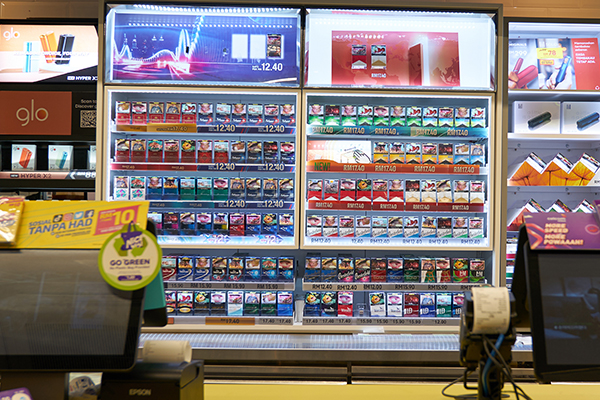
    Malaysia’s vape industry has hit back at a proposed government ban, with the Malaysia Retail Electronic Cigarette Association (MRECA) warning it would wipe out years of investment and punish law-abiding businesses. “Why should there be a ban on vape products when those that have undergone [Ministry of Health’s] stringent approval process are already in the market?” asked MRECA president Datuk Adzwan Ab Manas, noting companies have spent millions on compliance, safety testing, and labelling.

    Adzwan said the real problem lies with unapproved products and criminal misuse, not licensed businesses. He urged enforcement agencies to intensify raids and penalties against illegal sellers, warning that a blanket ban would only fuel smuggling and expand the black market.

    MRECA members, who have upgraded facilities and testing systems at significant cost, fear massive job cuts and financial losses if prohibition goes ahead. “The solution is not prohibition,” Adzwan said. “The solution is cooperation, enforcement, and fairness. We must not undermine a regulated industry that has demonstrated its willingness to comply with the law and contribute responsibly to the economy.”

  • Health Minister: Tobacco Black Market ‘Thriving’ Across Australia

    Health Minister: Tobacco Black Market ‘Thriving’ Across Australia

    Australia’s illicit tobacco trade has spiraled out of control, Health Minister Mark Butler warned, describing it as the country’s biggest threat to public health. He said organized crime has seized control of the multi-billion-dollar market, with violence, arson, and gang turf wars now common, and that the illegal trade also bankrolls other criminal activity, including drug and sex trafficking.

    The surge comes amid a decade of steep cigarette tax increases, which pushed the duty on a pack from A$10.62 in 2015 to A$28 ($7.01 to $18.48) today. While intended to reduce smoking, the policy has backfired according to officials: federal excise revenue has fallen, and the Australian Medical Association warns that smoking rates may be creeping up again. Experts say the black market now dwarfs legitimate sales, leaving policymakers struggling to strike a balance between public health and crime prevention.

    Butler said enforcement, rather than tax policy, is the real challenge, pointing out that criminal gangs can produce cigarettes for a fraction of the legal price, leaving Australia caught between soaring taxes and a thriving underground market. State leaders and opposition politicians are calling for urgent action. NSW Premier Chris Minns described repeated tax hikes as “feeding the illicit tobacco market,” while Shadow Health Minister Anne Ruston accused the federal government of weak leadership.

    “It is his government who has sat on its hands and allowed the black market to thrive due to their inaction and weak leadership,” Ruston said. “It is a clear indictment on the health minister, and his government, that it has taken this long for them to realize the extent of the problem.”

  • Illicit Cigarettes Grip Majority Share in Pakistan

    Illicit Cigarettes Grip Majority Share in Pakistan

    Pakistan’s tobacco industry is facing a mounting crisis as illicit cigarettes now account for an estimated 56–58% of the market, costing the government more than Rs400 billion ($1.4 billion) annually in lost tax revenue. Legal tobacco companies, which contribute nearly Rs270 billion ($945 million) in taxes each year, have seen their market share plummet amid growing competition from counterfeit and untaxed products.

    Industry experts point to weak enforcement of Pakistan’s Track & Trace system, a digital tax-stamp program meant to monitor production and sales. While Prime Minister Shehbaz Sharif has directed authorities to accelerate its rollout, implementation remains inconsistent, allowing fake and unregistered brands to flourish and evade minimum pricing rules and taxation.

    Analysts warn that without decisive action, illicit trade will continue to destabilize the economy and undermine legitimate businesses. They recommend tighter border controls, stronger retailer-level enforcement, and harsher penalties for smuggling and counterfeiting. “Educating retailers on how tax stamps work and how to verify legal products is also crucial in preventing the spread of untaxed goods,” said macroeconomic analyst Osama Siddiqui.

  • Italy Busts Largest Counterfeit Cigarette Factory

    Italy Busts Largest Counterfeit Cigarette Factory

    Italian customs seized over 150 tons of counterfeit cigarettes from what authorities say is the country’s largest illegal factory, located near Cassino. The 1,600-square-meter underground facility produced an estimated 2.7 billion cigarettes annually and was hidden behind a sophisticated hydraulic mechanism in a logistics warehouse.

    The bunker included three production lines, a ventilation system, and living quarters for workers. Officials estimate the operation generated over €900 million ($1.1 billion) annually, with €600 million in evaded taxes uncovered so far. Several suspects have been identified, and one person has been arrested.

  • Indonesia Working Against Illegal Cigarettes

    Indonesia Working Against Illegal Cigarettes

    The Indonesian government is preparing a new regulation to curb the spread of illegal cigarettes, particularly those sold without excise bands, Deputy Minister of Industry Faisol Riza announced today (September 29). The plan will be accompanied by an expansion of Tobacco Products Industry Zones (KIHT) to more regions, an initiative that aims to attract illegal cigarette producers into these zones, encouraging them to operate legally under the tax-paying system.

    Data from the Ministry of Industry shows illegal cigarettes rose from 3% of total cigarette volume in 2019 to 6.9 percent in 2023, with machine-rolled clove cigarettes (SKM) making up the bulk of untaxed products. Riza warned that the illegal trade is hurting the domestic tobacco industry, causing idle machinery, reduced production, layoffs, and a negative impact on workers’ welfare.

    Indonesian smokers’ sensitivity to price has fueled demand for cheaper, untaxed cigarettes, the minister said. “A conducive business climate can only be realized if all parties, including the public, work together to eradicate the circulation of illegal cigarettes,” Riza said. The government emphasized that tackling illegal trade is essential to protecting legal producers and sustaining jobs within the sector.

  • Indonesia Looking to Crack Down on Illegal Cigarette Trade

    Indonesia Looking to Crack Down on Illegal Cigarette Trade

    Indonesia’s Finance Minister Purbaya Yudhi Sadewa pledged a crackdown on the country’s illegal cigarette trade, warning that anyone involved—including officials inside Customs or the Finance Ministry—will face consequences. Speaking at a budget briefing in Jakarta today (September 22), he vowed to conduct random checks on distribution channels and ordered e-commerce platforms to block illicit product listings, adding: “Spread the word: wherever illegal cigarettes are being sold, I will come.”

    The announcement comes as Indonesia enforces new 2025 tobacco excise rules. While excise tax rates remain unchanged, the government raised minimum retail prices across categories to deter smuggling and under-the-counter sales. Excise duties range from Rp 1,231 ($0.08) per stick for premium machine-made kretek to Rp 223 ($0.013) per stick for lower-tier hand-rolled kretek, with e-cigarettes taxed up to Rp 6,776 ($4.07) per milliliter. Despite these measures, around 22 billion sticks of illicit cigarettes were sold in 2023, costing the state Rp 15 trillion ($940 million) in lost revenue.

  • Crash Spills Smuggled Cigarettes Across Polish Highway

    Crash Spills Smuggled Cigarettes Across Polish Highway

    Polish police responding to a highway traffic accident found thousands of cigarettes strewn across S61, a key route linking Poland and Lithuania. Investigators found more than 1 million cigarettes in a van that had just crossed the border and stopped in the emergency lane before getting hit and spilling its cargo. The cigarettes were seized for not having Polish tax stamps, and the 36-year-old Lithuanian driver was arrested.

    According to preliminary estimates, the smuggling attempt could have deprived the Polish state budget of over 1.5 million złoty ( $416,000) in unpaid excise duty.

  • Indonesia Reviews Cigarette Excise Amid Forgery Allegations

    Indonesia Reviews Cigarette Excise Amid Forgery Allegations

    Indonesia’s government is conducting an in-depth review of the cigarette excise system following allegations of forgery and manipulation, Finance Minister Purbaya Yudhi Sadewa said after a meeting with President Prabowo Subianto. Sadewa noted that he has yet to reach any conclusions, stressing that policy decisions, including whether to proceed with the planned 2026 excise hike, will depend on the results of ongoing studies and field investigations.

    “I will review it again,” Sadewa was quoted in an article from the Indonesian News Agency when asked about the proposal to cancel the planned excise hike. “I have not conducted an in-depth analysis yet — what exactly is going on with cigarette excise? They say there is manipulation, but where exactly is this manipulation happening?”

    The minister highlighted the potential revenue gains from eliminating counterfeit excise stamps, saying such reforms could strengthen state finances without placing additional pressure on consumers. “If I can resolve this and eliminate counterfeit excise, how much revenue would that generate? From there, I can plan the next steps,” he told reporters.

    Lawmakers are also weighing in. At a September 10 parliamentary session, Commission XI member Harris Turino raised concerns about the impact of steep tax increases on major producers like Gudang Garam and their workers, particularly in the machine-made clove cigarette (SKM) sector. He urged the government to prioritize enforcement against illicit trade as a more balanced way to boost revenue.

  • Pakistan’s Illegal Cigarette Market Surges to 42.4%

    Pakistan’s Illegal Cigarette Market Surges to 42.4%

    The illegal cigarette trade in Pakistan surged to 42.4% of the market, leading to major losses for the national exchequer, according to an ARY News report. The market for illicit cigarettes has grown 171% since 2019, outpacing the 154% increase in taxes and duties on legal cigarettes. The highest shares of illegal consumption were recorded in Lahore, Kasur, Sheikhupura, and Nankana.

    Experts attribute the growth in smuggling and illegal sales to the rising Federal Excise Duty on legal cigarettes, which has pushed consumers toward cheaper, unregulated alternatives.