

Bulgarian prosecutors charged a 35-year-old Serbian man with smuggling 302.4 kg of shisha tobacco across the Kalotina border crossing. Customs officials said the driver declared the load as separators bound for Türkiye, but an X-ray inspection uncovered 62 boxes of undeclared tobacco hidden in the truck. The driver is being held for 72 hours while prosecutors seek his remand in custody.
Category: Illicit Trade
-

Indonesia Cracking Down on Ketamine-Laced Vapes
Indonesia’s Food and Drug Monitoring Agency (BPOM) has vowed strict enforcement against electronic cigarette products found to contain ketamine, a powerful anesthetic increasingly misused as a recreational drug. BPOM Chief Taruna Ikrar said the agency’s mandate focuses on harmful substances, not just the form of the product.
“The Agency also has the authority to take action, not because of the cigarette or vape, but because it contains harmful substances,” he told reporters in Jakarta.
The move follows seizures by the National Narcotics Agency (BNN), which recently intercepted counterfeit ketamine, synthetic marijuana, and vape pods allegedly laced with narcotics. Authorities warned that psychoactive substances disguised in vape products are spreading rapidly in Indonesia.
BPOM confirmed that if ketamine is detected, it can immediately launch legal proceedings, while BNN continues testing vape brands circulating in the market.
-

China’s North Korean Smuggling Problem Not Gone Yet
While a report from Daily NK last week said China’s crackdown on smuggled cigarettes from North Korea ground the illegal activities to a halt, a story yesterday (August 26) from Radio Free Asia (RFA) suggests otherwise. Smugglers and traders told the news outlet that the combination of surging demand and lenient penalties (compared to other contraband) makes the trade highly profitable.
Residents in North Korea’s Yanggang province told RFA that the cross-border trade, which began about two years ago, has expanded sharply in recent months. Smugglers move 20–50 boxes per trip, each containing 500 packs, earning around 50 yuan ($8) profit per box.
While legally imported North Korean brands such as Chosun are sold mainly as pricey tourist souvenirs, smuggled cigarettes are mostly in unmarked packaging and then rebranded by Chinese manufacturers in Jilin province and sold as domestic products. North Korean cigarettes cost as little as 2,500–3,500 won ($0.36–0.50) per pack, far cheaper than Chinese brands. According to RFA, factories such as Korea Sonbong General Corporation and Paeksan Cigarette Company supply the bulk of production near the border.
China, home to more than 300 million smokers, consumes about one-third of the world’s cigarettes, making the black market highly lucrative. Sources say the smuggling trade is expected to keep growing due to the low cost of North Korean tobacco and the relatively light punishments for offenders.
-

Philippines Seizes $10.9M Cigarettes in Bulacan
The Philippines’ Bureau of Customs (BOC) seized ₱605.3 million ($10.9 million) worth of smuggled cigarettes imported from China and Vietnam during a raid on a warehouse in Plaridel, Bulacan. Authorities confiscated 8,647 master cases of cigarettes that had bypassed customs inspection. Three people—the warehouse owner, a driver, and a helper—were arrested.
Assistant Commissioner Vincent Maronilla said such products are usually distributed in provincial areas, and that the investigation continues to see how the illegal products made it into the country. The cigarettes will be destroyed under standard procedures, while criminal complaints will be filed against the warehouse proprietor.
-

Malaysian Vapers Alliance Warns Ban Risks Fueling Illegal Market
The Malaysian Vapers Alliance (MVA) cautioned that uncertainty over state and potential nationwide vape bans undermines the Control of Smoking Products for Public Health Act 2024 (Act 852) and drives consumers toward illegal channels. MVA president Khairil Azizi Khairuddin said a recent survey of 641 consumers found 74% fear bans will expand the illicit market, while 80% worry unregulated products could be unsafe. “Prohibition, in any form, is not the answer,” he said, urging consistent enforcement of Act 852 instead of new restrictions.
The survey showed 83% of respondents were aware of the law’s implementation in October 2024, and 68% preferred buying regulated products. Yet MoH data indicates legal options are shrinking, with registered vape brands plunging from 3,200 before the law to 390 today. Khairil warned that crackdowns on illegal sales, including drug-laced liquids, prove non-compliant products stem from illicit trade, not regulated businesses.
-

Thailand Already Seized $18M in Illicit E-Cigs in 2025 Crackdowns
Authorities in Thailand have seized more than 4 million e-cigarettes and related products valued at 580 million baht ($18 million) in nationwide crackdowns this year, government spokesman Anukool Pruksanusak said yesterday (August 24). Since February, more than 3,200 arrests have been made targeting illegal e-cigarette sales. Officials said many sellers have shifted to online platforms and social media, prompting the Digital Economy and Society Ministry to block over 11,000 URLs linked to vaping sales.
Penalties for violations have increased, with traffickers facing up to 10 years in prison and fines five times the product value, while retailers risk prison terms of up to three years under consumer laws, plus additional penalties under customs laws. Even possession of e-cigarettes carries potential jail time of up to five years or fines of up to four times the product’s value.
-
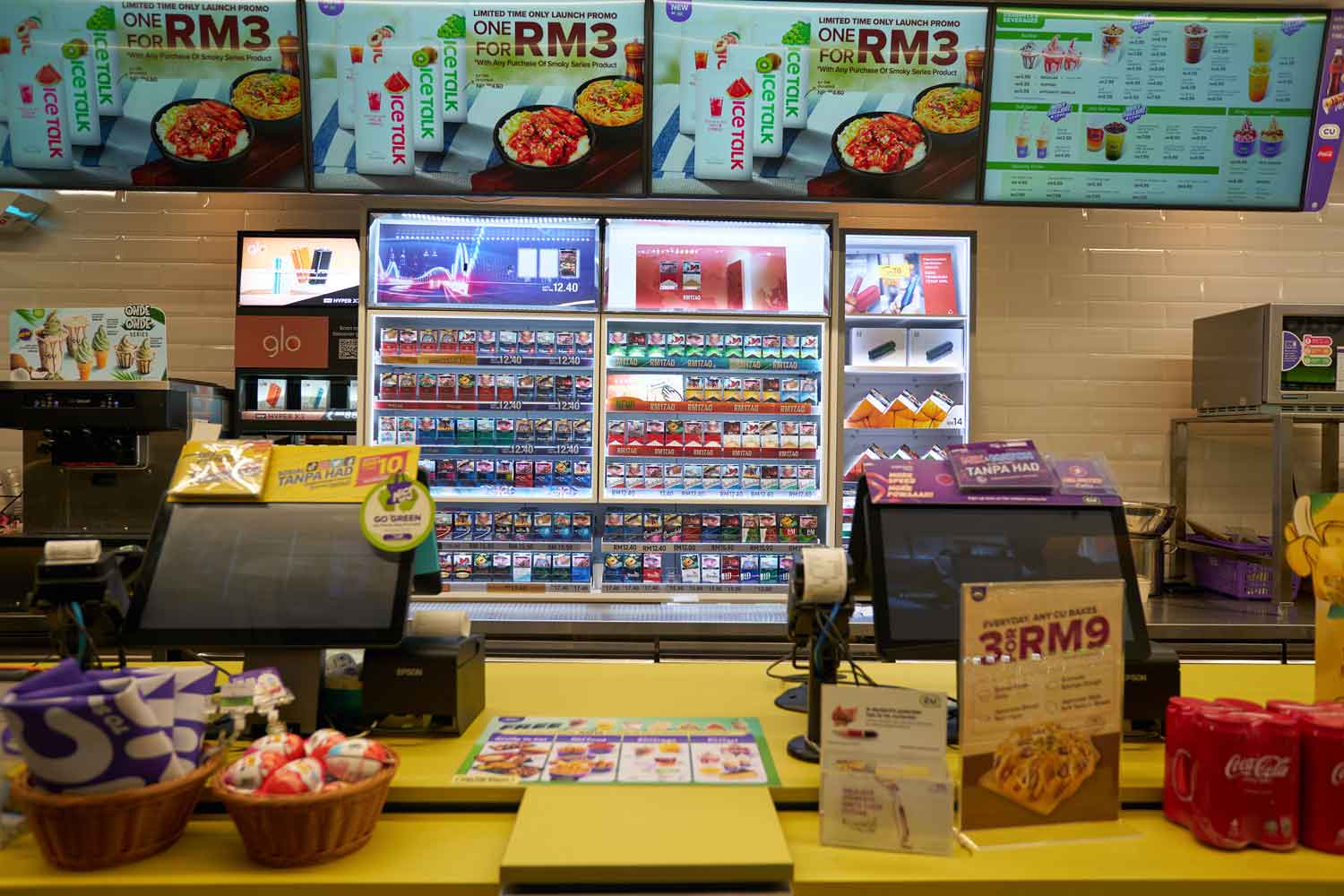
Malaysia: With Rising Illicits and Looming Ban, Vape Sellers Told to Switch Businesses
Vape sellers in Sarawak, Malaysia, have been told to shift into other lines of business as the state government moves toward a full ban on the sale and use of electronic cigarettes. Deputy Minister for Youth, Sports and Entrepreneur Development Ripin Lamat said businesses should “gradually transform and venture into more promising industries” such as food and beverage or agribusiness, warning that vape products “will destroy our young generation and ultimately undermine the values of future generations.”
The Sarawak government is preparing legislation to formalize the ban, including a Cabinet paper that is currently under review with input from the state attorney general, secretary, and financial officer. The move follows earlier remarks from state officials linking vape use to drug abuse risks, and aligns Sarawak with several other Malaysian states.
Similar bans have led to rising black market trade in other markets, and business officials worry the results will be similar in Malaysia, where illicit products are already becoming a problem. A Nielsen survey from May found that 55% of cigarettes sold in Malaysia are illicit, mostly smuggled from Vietnam, China, and Indonesia via ship-to-ship transfers along the east coast, costing the government RM2 billion ($480 million) in lost tax revenue each year.
Customs has stepped up enforcement with AI scanners, body cameras, and tighter port controls, raising revenue collection by 19% in 2024. However, syndicates remain entrenched, aided by corruption and weak penalties, and officials warn that without stronger naval patrols, tougher laws, and better resources, the black market will continue draining state funds.
-

Philippines Facing $720M Loss from Illicit Tobacco Trade
The Philippine Tobacco Institute (PTI) warned that the proliferation of illicit cigarettes is costing the government over ₱40 billion ($720 million) annually in lost excise taxes while undermining public health by making cheap tobacco more accessible, especially to minors. PTI president Jericho Nograles said these unregulated products evade taxes, use expired or fake BIR stamps, and fail to meet quality standards, exposing consumers to health risks. The group urged the public to buy only cigarettes with valid tax stamps and report products sold below the legal price floor.
Japan Tobacco International Philippines said high taxes have widened the price gap, driving demand for smuggled products. Meanwhile, the Bureau of Internal Revenue has filed 75 tax evasion cases worth ₱711.3 million ($12.8 million) against vape retailers and is pushing for expanded powers to shut down violators.
-

Singapore Tightens Border, Seizes 850 Vapes in 5 Days
Last week, Singapore announced its crackdown on smuggling and that it would treat vape crimes as drug offenses beginning on August 18. In the first five days of that initiative, Singapore’s Immigration and Checkpoints Authority seized over 850 e-cigarettes and related products in 184 cases.
Enhanced checks now cover air, land, and sea entry points, including Changi Airport, the Singapore Cruise Centre, and Harbourfront Ferry Terminal. At Changi, banners warn travelers “Vaping is banned,” with red bins provided for disposal. Passengers who voluntarily declare vapes face no penalties, but those caught concealing them risk fines or prosecution.
Under Singapore law, the purchase, possession, and use of vapes are strictly prohibited. Offenders face fines up to S$2,000 ($1,480), while those caught importing, distributing, or selling risk up to S$10,000 ($7,400) fines, six months in jail, or both. Repeat offenders can face penalties that are doubled.
-

Malaysia Cracks Down on Tobacco Smuggling, Freezes $52M
Earlier this week, the Malaysian Anti-Corruption Commission (MACC) launched Operation Sikaro, targeting companies involved in smuggling tobacco, cigarettes, and cigars, that caused estimated government revenue losses of RM250 million ($60 million) from 2020 to 2024.
The MACC led raids with the Inland Revenue Board, Bank Negara Malaysia, and Customs across 14 sites in Klang Valley and Johor. Authorities froze about RM218 million ($52 million) in personal and company accounts and suspended import licenses of implicated firms.
Investigations are also focusing on links to enforcement officers and potential money laundering activities.