Blog

  • Indonesia Working Against Illegal Cigarettes

    Indonesia Working Against Illegal Cigarettes

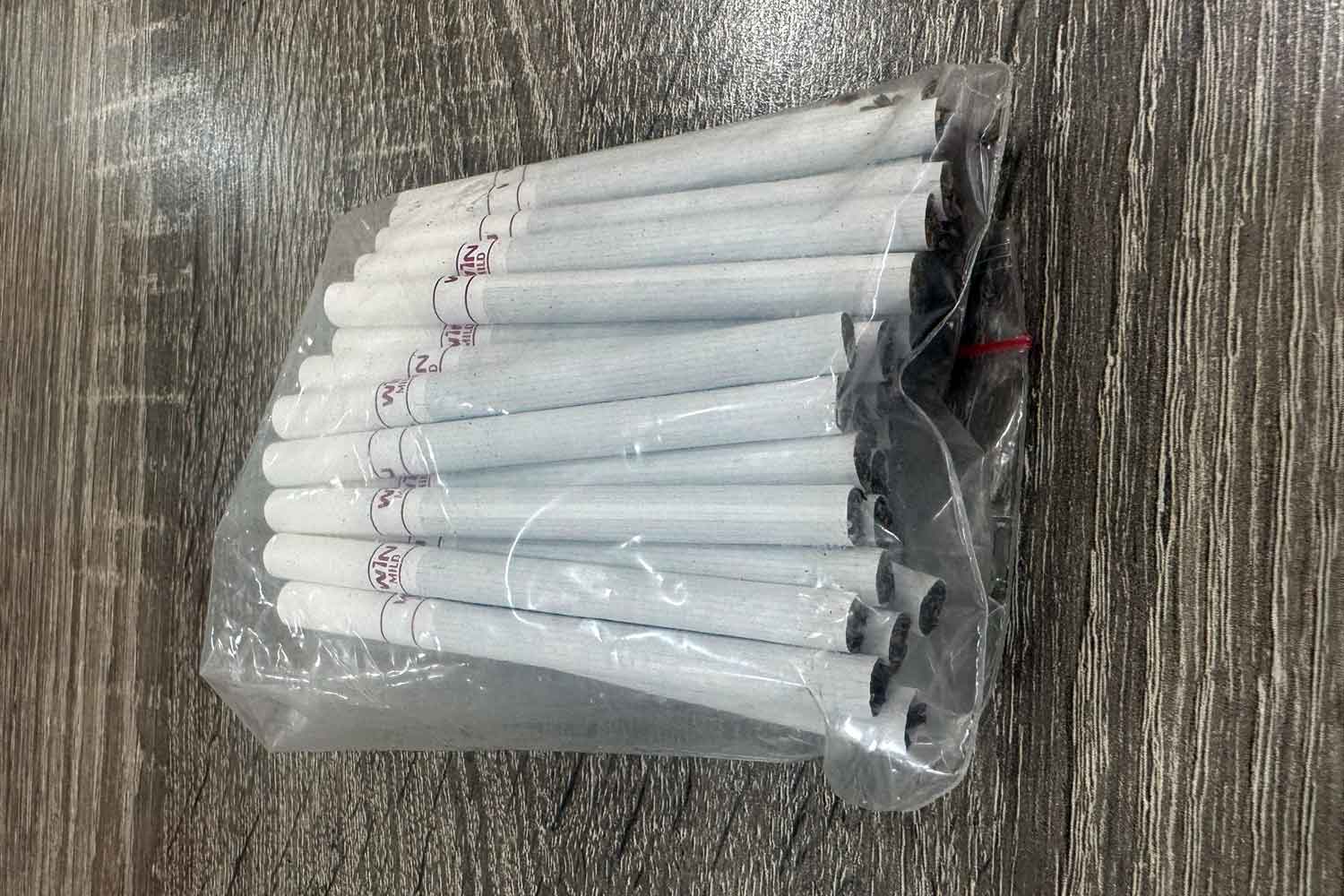
    The Indonesian government is preparing a new regulation to curb the spread of illegal cigarettes, particularly those sold without excise bands, Deputy Minister of Industry Faisol Riza announced today (September 29). The plan will be accompanied by an expansion of Tobacco Products Industry Zones (KIHT) to more regions, an initiative that aims to attract illegal cigarette producers into these zones, encouraging them to operate legally under the tax-paying system.

    Data from the Ministry of Industry shows illegal cigarettes rose from 3% of total cigarette volume in 2019 to 6.9 percent in 2023, with machine-rolled clove cigarettes (SKM) making up the bulk of untaxed products. Riza warned that the illegal trade is hurting the domestic tobacco industry, causing idle machinery, reduced production, layoffs, and a negative impact on workers’ welfare.

    Indonesian smokers’ sensitivity to price has fueled demand for cheaper, untaxed cigarettes, the minister said. “A conducive business climate can only be realized if all parties, including the public, work together to eradicate the circulation of illegal cigarettes,” Riza said. The government emphasized that tackling illegal trade is essential to protecting legal producers and sustaining jobs within the sector.

  • EU Tobacco Tax Plan Faces Fierce Pushback

    EU Tobacco Tax Plan Faces Fierce Pushback

    The European Commission’s plan to overhaul tobacco taxation has sparked sharp opposition from member states, farmers, and industry groups, who warn it could devastate rural economies, fuel illicit trade, and hand China greater leverage over Europe’s tobacco supply chain. The July 2025 proposals — the first major update to EU tobacco tax rules since 2010 — would harmonize excise duties on heated tobacco, e-liquids, and nicotine pouches, while also bringing raw tobacco under customs tracking. A new “TEDOR” mechanism would redirect 15% of national tobacco excise revenue to the EU budget, raising an estimated €11 billion annually.

    France and the Netherlands have seen illicit trade soar, with untaxed products making up nearly 40% of consumption in France. Sweden, Portugal, and southern European producers are leading resistance, citing threats to tens of thousands of farming jobs.

    The Commission insists the reforms are vital to protect public health and modernize the single market, but unanimity in the Council will be required to push the package through by 2028.

  • Malaysian Think Tank Warns Vape Bans Will Fuel Black Market

    Malaysian Think Tank Warns Vape Bans Will Fuel Black Market

    Policy think tank Datametrics Research and Information Sdn Bhd (DARE) cautioned that state or nationwide vape bans in Malaysia could backfire by boosting the illicit market, undermining investor confidence, and costing the government tax revenue and jobs.

    The warning follows a survey by the Malaysian Vapers Alliance showing 74% of consumers fear bans will drive illegal sales, while 80% worry about unsafe, unregulated products. DARE Managing Director Pankaj Kumar said prohibition “has never worked” and argued that enforcement of existing law under Act 852 is a more effective solution.

    Malaysia’s vape market, once worth RM3.48 billion ($835 million) and supporting 31,500 jobs, has sharply contracted since new regulations took effect, with registered brands plunging from 3,200 to 390. DARE stressed that demand remains strong, but inconsistent state and federal policies are pushing consumers to untaxed and unsafe products.

  • Indonesia Won’t Raise Tobacco Tax

    Indonesia Won’t Raise Tobacco Tax

    Reuters reported that Indonesia will keep its excise tax rates on tobacco products unchanged next year, after considering the impact such taxes have on employment in the tobacco industry, Finance Minister Purbaya Yudhi Sadewa told a press conference today.

    “We decided not to increase excise tax rates for tobacco products next year, but we will clean up the market of illegal tobacco products,” Purbaya said, adding his decision has put consideration to avoiding layoffs.

  • Arizona Raises Tobacco Age to 21

    Arizona Raises Tobacco Age to 21

    A new law taking effect today raises Arizona’s minimum age to buy or possess tobacco products from 18 to 21, aligning the state with federal law passed in 2019. Lawmakers approved SB 1247 in June after federal officials warned Arizona risked losing funding if it failed to comply. Until now, Arizona was one of just seven states that had not updated its laws, leaving some retailers still selling to 18-year-olds.

    The law covers cigarettes, cigars, chewing tobacco, vaping products, and hookah. Retailers who sell to under-21 customers face a Class 3 misdemeanor, while possession or distribution by those under 21 is a petty offense. A military exemption was included, but public health experts say base commanders are unlikely to honor it.

  • Russia to Require Licenses for Tobacco and Vape Sales From 2026

    Russia to Require Licenses for Tobacco and Vape Sales From 2026

    The Russian government approved a bill that will require licenses for the sale of all cigarettes and vaping products beginning March 1, 2026, in a bid to tighten market oversight and curb youth consumption. The bill now moves to the State Duma for debate and adoption.

    The law, modeled on alcohol industry rules, will mandate licenses for wholesale, retail, and delivery sales, with penalties including license revocation for violations such as selling to minors. Authorities are also weighing tougher measures, including mandatory registration in the national “Chestny Znak” digital tracking system and criminal liability for large-scale illegal trade.

  • FDA Posts New Materials for IQOS Renewal Applications

    FDA Posts New Materials for IQOS Renewal Applications

    The U.S. Food and Drug Administration announced today that its Tobacco Products Scientific Advisory Committee (TPSAC) will convene October 7, to evaluate the renewal applications of Philip Morris Products S.A. for its IQOS 2.4 and IQOS 3.0 heated-tobacco systems and associated HeatSticks. These devices were originally granted Modified Risk Tobacco Product (MRTP) orders in 2020 and 2022, allowing the marketing of reduced-exposure claims—specifically, that heating (not burning) tobacco significantly lowers exposure to harmful chemicals.

    The renewal will hinge on whether PMI can demonstrate that post-market evidence continues to support those claims under section 911(g)(2) of the Food, Drug, and Cosmetic Act.  The FDA has republished redacted application materials and opened a public comment period; speakers at the TPSAC meeting may submit data supporting or critiquing PMI’s dossier.

    “A vital mission of FDA is to make tobacco-related disease and death a part of America’s past,” officials from PMI said in a statement. “Smoke-free products, like IQOS, play a critical role in helping achieve that mission and provide adults who smoke with a real opportunity to change. IQOS, when marketed with the reduced-exposure claim, promotes complete switching and reduction in cigarette consumption.”

    Should the renewal be approved, PMI would retain authority to market IQOS with MRTP claims; if rejected, those claims could expire, undermining the company’s “reduced-exposure” positioning in the U.S. market.

    The outcome will not only be of interest for PMI, but for the broader heated tobacco and smoke-free sectors looking for regulatory precedents.

  • Bloomberg: JTI Bets on Discount Cigarettes Amid Global Shift to Smoke-Free Products

    Bloomberg: JTI Bets on Discount Cigarettes Amid Global Shift to Smoke-Free Products

    Today (September 25), Bloomberg published an article titled “Japan Tobacco is Doubling Down on Cheap Cigarettes,” examining Japan Tobacco International’s (JTI) revenue strategy since its $2.4 billion acquisition of Vector Group in October 2024.

    “While rivals Philip Morris International Inc. and British American Tobacco Plc have set ambitious targets for ‘smoke-free’ products such as e-cigarettes, heated tobacco sticks and nicotine pouches, JTI has focused more on conventional combustible tobacco products,” the article said. The strategy is paying off, according to the article, as JTI’s cigarette volumes rose 2%, revenue 9%, and profit 10%. While smoke-free products like Ploom and Nordic Spirit are expanding, JTI remains focused on conventional cigarettes in both mature and emerging markets.

    “In the U.S., the Vector acquisition has given JTI an advantageous position, as smokers contend with inflation and higher taxes, and tobacco makers increase prices to help compensate for a decline in cigarette volumes,” the article said. “Since 2021, premium brands have steadily lost share, falling from about 80% of tracked cigarette sales to about 70%, according to Connor Rattigan, analyst at Consumer Edge.”

  • Global Survey Finds Strong Support for Smoke-Free Alternatives

    Global Survey Finds Strong Support for Smoke-Free Alternatives

    A new international survey commissioned by Philip Morris International and conducted by Povaddo shows overwhelming global support for smoke-free alternatives to cigarettes, alongside growing public concern that tobacco policies are being shaped more by ideology than science.

    The survey of 9,040 adults across nine countries found:

    • 78% agree adult smokers should have access to smoke-free alternatives.
    • 76% worry that public health decisions are influenced by ideology rather than evidence.
    • 87% say governments should prioritize science in making public health policies.
    • In countries where smoke-free products are restricted, such as Argentina, Brazil, and India, concern about bans was even higher (up to 94%).
    • 80% believe public health organizations should share all available evidence on smoke-free alternatives.
    • 77% of respondents outside Sweden think their country should emulate Sweden’s approach to smoke-free products.

    “Countries embracing smoke-free products have seen declines in cigarette sales and smoking rates,” Philip Morris CEO Jacek Olczak said. “There is strong demand globally for fact-based policies that keep pace with innovation and deliver better outcomes for society.”

    The survey was conducted between September 11–17, in Argentina, Brazil, Germany, India, Italy, Japan, Sweden, the U.K., and the U.S., among adults aged 21 and older.

  • Bloomberg Reports on Uncertain Future of FDA Nicotine Rule

    Bloomberg Reports on Uncertain Future of FDA Nicotine Rule

    Bloomberg Law reports that the Biden-era FDA proposal to slash nicotine levels in cigarettes faces uncertainty after being excluded from a key regulatory agenda under the Trump administration. Yesterday’s article, titled “Tobacco Industry Fights Biden’s Proposed Cigarette Nicotine Cut,” highlights nearly 5,000 public comments showing a split between industry opposition, citing economic and legal concerns, and public health advocates supporting the rule as a critical step to reduce smoking.

    The piece details how cigarette makers argued the proposed nicotine standard is technically and legally unachievable, while experts say the FDA has the authority to issue the rule without reducing nicotine to zero. The report includes commentary from former FDA officials, attorneys, and tobacco control researchers.