Blog

  • PMI Warns Middle East Conflict Will Spur Illicit Trade in Asia

    PMI Warns Middle East Conflict Will Spur Illicit Trade in Asia

    Philip Morris International warned that the continuing conflict in the Middle East could disrupt supply chains and drive a surge in illicit cigarette trade across Southeast Asia. The company said past disruptions, such as during the COVID-19 pandemic, led to sharp increases in illegal market share, with illicit trade in the Philippines rising from 6% to 17%. PMI estimates governments in the ASEAN region are already losing around $4 billion annually in cigarette excise revenue, with an additional $2 billion lost from illegal vaping products.

    PMI called for stronger regional coordination to address the issue, including real-time sharing of customs data among ASEAN countries to better track illicit flows. The company said supply constraints and regulatory gaps create opportunities for illegal operators, and urged policymakers to adopt more unified enforcement strategies as the Philippines chairs ASEAN this year.

  • Capital Group Acquires 5.61% Stake in KT&G, Shares Top $122

    Capital Group Acquires 5.61% Stake in KT&G, Shares Top $122

    U.S.-based Capital Group announced that it has acquired a 5.61% stake in South Korea’s KT&G, joining a growing group of major foreign investors in the tobacco company as its share price reaches record levels. The disclosure, required under Korean regulations for holdings above 5%, positions Capital Group alongside other significant shareholders, including BlackRock, First Eagle Investments, and Singapore’s GIC.

    The investment comes amid sustained foreign buying momentum, with overseas investors purchasing an estimated 800,000 shares worth about KRW 140 billion ($96.6 million) over 19 consecutive trading sessions through May 7. The influx of capital has helped push KT&G’s stock above KRW 180,000 ($122.40) for the first time, reflecting increased investor interest in the company’s performance and outlook.

  • JTI Reports Revenue Up 15%

    JTI Reports Revenue Up 15%

    Japan Tobacco Inc. reported first-quarter 2026 revenue of JPY 924 billion ($5.9 billion), up 15.2% year-over-year, with operating profit rising 24.7% to JPY 304.6 billion ($1.9 billion), supported by pricing, foreign exchange benefits, and strong growth in reduced-risk products (RRP). RRP revenue increased 63.8% to JPY 43.5 billion ($278 million), with shipment volumes up 44.2% to 4.3 billion units, driven largely by continued expansion of its Ploom heated tobacco platform across 25 markets.

    Combustible volumes remained broadly stable at 131.3 billion units, with growth in global flagship brands offsetting declines in some regions, while JT reported market share gains in more than 45 countries. The company maintained its full-year outlook, forecasting revenue of JPY 3.697 trillion ($23.7 billion) and operating profit of JPY 921 billion ($5.9 billion), as it continues to balance stable cigarette performance with accelerated investment in next-generation products.

  • Imperial Offers Guidance to Retailers Over UK Law

    Imperial Offers Guidance to Retailers Over UK Law

    Imperial Brands positioned its latest communication on the UK’s Tobacco and Vapes Act 2026 as guidance to help retailers navigate the upcoming regulatory changes, emphasizing that implementation will be phased and not immediate. The company highlighted key confirmed timelines—such as restrictions on promotions from October 2026 and the generational smoking ban from January 2027—while noting that many other measures affecting vaping products, nicotine pouches, and retail operations remain subject to consultation and secondary legislation.

    “It is important that retailers take the opportunity to engage with these consultations as they come forward,” Stephen Rooney, senior government affairs manager at Imperial said. “Their input will be vital in ensuring that the practical realities of running a retail business are properly understood as the detailed rules are developed.”

    Imperial said further government guidance and a detailed implementation roadmap will be critical in helping retailers understand compliance requirements. The company indicated it will continue supporting retail partners with practical advice as more details emerge, positioning its updates as a resource to prepare for evolving regulatory obligations.

  • NSW Ups Penalties for Landlords With Tenants Selling Illicit Products

    NSW Ups Penalties for Landlords With Tenants Selling Illicit Products

    New South Wales, Australia, passed legislation introducing criminal penalties for landlords who knowingly allow tenants to sell illicit tobacco or illegal vapes, as part of a broader crackdown on the black market. Under the new law, offenders face up to 12 months’ imprisonment and fines of up to A$165,000 ($118,800). The measure builds on recent reforms, including tougher penalties for possession and sale, expanded closure powers for non-compliant premises, and new enforcement tools targeting false licensing and interference with seizures.

    The government also increased enforcement capacity, adding 30 inspectors to support statewide operations alongside police, with more than 220 closure orders issued since late 2025. Officials say the reforms are designed to address evolving tactics, including online and QR code-based sales, and to strengthen accountability across the supply chain to curb illicit tobacco and vape distribution.

  • Dr. Iqbal Lambat, Star Agritech CEO, Passes

    Dr. Iqbal Lambat, Star Agritech CEO, Passes

    Star Agritech International announced the passing of its founder and CEO Dr. Iqbal Lambat, a prominent figure in the global tobacco industry. Over a multi-decade career, Lambat held senior roles at major multinational companies, including Philip Morris International, R.J. Reynolds International, and Japan Tobacco International, as well as Dow Chemical Europe and luxury brands Piaget/Baume & Mercier, before establishing Star Tobacco International in 2008, later rebranded as Star Agritech International in 2018.

    Lambat built Star Agritech into a significant player in tobacco leaf sourcing and export, expanding operations across Africa and other key growing regions and supplying major international manufacturers. Known for his deep industry knowledge and global perspective, he held multiple advanced degrees in finance, marketing and economics, as well as a doctorate in international finance, and was widely recognized for his contributions to connecting emerging markets with global tobacco supply chains.

  • KT&G Reports 27% Increase in Q1 2026

    KT&G Reports 27% Increase in Q1 2026

    KT&G reported a 27.6% year-over-year increase in first-quarter operating profit, supported by growth across both traditional cigarette and next-generation product (NGP) segments. Consolidated revenue reached KRW 1.7 trillion ($1.16 billion), up 14.3%, while operating profit rose to KRW 364.5 billion ($248 million). The company’s global combustible cigarette business saw strong performance, with shipment volumes increasing 15% and operating profit rising 56.1%, driven by higher sales and pricing improvements.

    The NGP segment also recorded significant gains, with revenue increasing 51.6% to KRW 241 billion ($164 million) and domestic market share reaching 47.4%. KT&G said it plans to expand its NGP business internationally through independent operations in key markets across Asia-Pacific and Eurasia. The company also continued shareholder returns, canceling treasury shares worth KRW 1.8 trillion ($1.24 billion), equivalent to 9.5% of total shares, and indicated that a new dividend policy will be announced later in 2026.

  • Turning Point Sales Up 16.8% in Q1 2026

    Turning Point Sales Up 16.8% in Q1 2026

    Turning Point Brands reported first-quarter 2026 net sales of $124.3 million, up 16.8% year-over-year, driven primarily by strong growth in its Modern Oral segment. The Stoker’s division, which accounts for the majority of revenue, saw net sales rise 48.1% due to triple-digit growth in modern oral products, while the Zig-Zag segment declined 22.4% amid lower U.S. shipments. Gross profit increased 14.6% to $68.3 million, though net income fell 19% to $11.7 million, reflecting higher investment in sales, marketing and distribution.

    The company said it is investing heavily to capture growth in the evolving nicotine category, particularly in nicotine pouches, and raised its full-year outlook for Modern Oral sales. Turning Point Brands expects Modern Oral gross sales of $280–$300 million in 2026 and remains focused on scaling the segment while leveraging cash flow from legacy brands to support long-term growth.

  • PMI Calls for Lower Cigarette Taxes in Meeting With Australian Govt

    PMI Calls for Lower Cigarette Taxes in Meeting With Australian Govt

    Philip Morris used a closed-door Australian Senate hearing on illicit tobacco to argue that high excise taxes are driving consumers toward the black market and called for lower cigarette prices to restore legal sales. According to a released transcript, company representatives said taxes account for at least A$34 of a A$37.95 pack ($24.48 of $27.32), while illicit cigarettes can sell for as little as A$12 ($8.64), contributing to an illicit market estimated at 50–60% of total sales, or A$4–A$7 billion ($2.8–$5 billion).

    The company told lawmakers that narrowing the price gap between legal and illegal products could help shift consumers back into regulated channels, citing price, access, and enforcement as key drivers of illicit trade. The hearing, which was initially held in private, drew criticism from public health advocates who said it “ran counter to an international treaty Australia signed up to in the mid-2000s,” while government officials defended the decision to include industry input in the inquiry.

  • Belgian Health Minister Calls Tobacco Industry ‘Criminal’

    Belgian Health Minister Calls Tobacco Industry ‘Criminal’

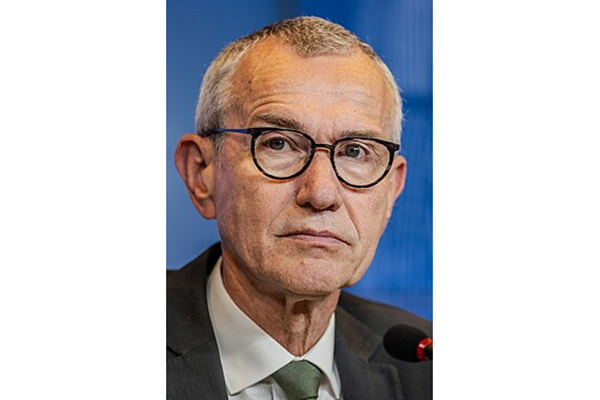
    Belgian Health Minister Frank Vandenbroucke sharply criticized the tobacco industry, describing it as a “criminal” sector with “no future,” as he defended ongoing regulatory efforts despite setbacks from a recent court ruling. Speaking on national television, Vandenbroucke acknowledged that a Constitutional Court decision forced the government to reverse its ban on cigarette sales in supermarkets, undermining part of its strategy to reduce tobacco accessibility. He reiterated support for stricter measures, including a planned ban on flavored vaping products, and warned that such products are contributing to rising youth nicotine use.

    The minister said the ruling complicated efforts to limit tobacco sales points, even as smoking rates have declined in recent years. He emphasized that broader regulatory action, both nationally and at the European level, remains necessary to address changing consumption patterns, including increased vaping among younger age groups, while maintaining pressure on tobacco and nicotine manufacturers.