Tag: Bangladesh

  • Bangladesh Reversing Vape Ban

    Bangladesh Reversing Vape Ban

    Bangladesh is preparing amendments to its anti-tobacco ordinance that would withdraw the ban on the production, import, sale, and use of e-cigarettes and other electronic nicotine delivery systems, and remove restrictions on displaying tobacco products at points of sale. The ordinance, approved in December 2025 by the interim government, expanded the definition of tobacco products and introduced penalties for activities involving e-cigarettes, vapes, heated tobacco products, and similar devices. These included jail terms, fines, seizure of goods, and possible license revocation for companies.

    The proposed changes follow recommendations from a parliamentary special committee reviewing 133 ordinances, with the health ministry drafting amendments to omit the relevant provisions for submission to the Legislative and Parliamentary Affairs Division. Health Secretary Md Quamruzzaman Chowdhury said the ministry would act in accordance with the committee’s recommendations regarding the ordinances under its jurisdiction.

  • Bangladesh Moves to Enact Tobacco Control Ordinance Into Law

    Bangladesh Moves to Enact Tobacco Control Ordinance Into Law

    Bangladesh is preparing to convert the Smoking and Tobacco Products Usage (Control) (Amendment) Ordinance, 2025 into law in the upcoming parliamentary session, with government officials emphasizing urgent action to curb tobacco-related health and economic impacts. State Minister for Health and Family Welfare Dr. M.A. Muhit and Information Minister Zahir Uddin Swapan said that tobacco use affects over 21 million adults, causing nearly 200,000 deaths annually and economic losses of about BDT 87,000 crore ($7.9 billion).

    The ordinance includes strict measures such as banning e-cigarettes, vaping devices, and heated tobacco products; prohibiting tobacco sales within 100 meters of schools, hospitals, and playgrounds; eliminating designated smoking areas in public spaces and transport; and increasing pictorial health warnings on packaging from 50% to 75%.

    Civil society representatives, including anti-tobacco groups and media organizations, urged the government to pass the law without delay to protect public health, especially for women and children. Officials stressed that the law’s passage is critical to fulfill election commitments, reduce mortality, and prevent further economic losses, while the Ministry of Information pledged to support implementation once enacted.

  • Bangladesh Losing $480M in Evaded Tobacco Taxes: Study

    Bangladesh Losing $480M in Evaded Tobacco Taxes: Study

    A new study found that cigarette manufacturers in Bangladesh are evading an estimated Tk 5,182 crore ($480 million) in government revenue by manipulating retail prices and not adhering to the declared maximum retail price (MRP). The research, conducted by the University of Dhaka’s Bureau of Economic Research in collaboration with the Bangladesh Network for Tobacco Tax Policy, revealed that while manufacturers sell cigarettes to retailers at the printed MRP, retailers often sell them to consumers at significantly higher prices. This practice results in widespread sales above the official MRP, depriving the government of substantial tax revenue. The study, presented at a discussion at Dhaka Reporters Unity today (March 5), urged stronger regulatory oversight and stricter monitoring to curb price manipulation and improve tax compliance in the tobacco sector.

  • Bangladesh Court Gives Authorities 30 Days to Close Hookah Lounges

    Bangladesh Court Gives Authorities 30 Days to Close Hookah Lounges

    Yesterday (March 3), Bangladesh’s High Court ordered authorities to shut down illegal shisha and hookah lounges nationwide within 30 days and issued a statement, questioning why failure to act against such establishments should not be declared unlawful. The bench of Justices Razik-Al-Jalil and Md Anowarul Islam directed secretaries of the home and health ministries, as well as the heads of the Department of Narcotics Control, Rapid Action Battalion, Dhaka Metropolitan Police, and Dhaka North and South city corporations to respond.

    The order followed a public interest writ filed by Supreme Court lawyer SM Zulfiqure Ali Junu, who argued that many lounges operate under the guise of cafés and restaurants without lawful authority, posing serious public health risks. The petition cited violations of the Smoking and Tobacco Products Usage (Control) Act, 2005 (Amended 2013) and the Narcotics Control Act, 2018, alleging that authorities had failed to act despite reports of minors accessing shisha.

  • Bangladesh Questions Constitutionality of Vape Ban

    Bangladesh Questions Constitutionality of Vape Ban

    The High Court Division of the Supreme Court of Bangladesh directed the government not to confiscate or seize vapes lawfully imported by 41 businessmen and issued a rule questioning the constitutionality of Section 6(Ga) of the Smoking and Tobacco Products Usage (Control) Act, 2005. The bench of Justice Ahmed Sohel and Justice Fatema Anwar asked authorities to explain why the provision, which restricts the manufacture, import, export, storage, sale, and promotion of electronic nicotine delivery systems, should not be declared unconstitutional and void.

    The order followed a writ petition filed by 41 traders, including Masud Uz Zaman, managing director of Vapor Cloud Ltd. Petitioners argued that Section 6(Ga) is discriminatory, banning vapes — described as a harm-reduction alternative — while permitting traditional cigarettes, allegedly violating the equality clause under Article 27 of the Constitution. The state was represented by the Deputy Attorney General during the hearing.

  • Bangladesh Professionals Pushing Parliament for Tobacco Control

    Bangladesh Professionals Pushing Parliament for Tobacco Control

    Leaders of several professional and business organizations in Bangladesh are urging the government to pass the Smoking and Tobacco Products Usage (Control) (Amendment) Ordinance 2025 into law during the first session of the 13th National Parliament, arguing that formal legislative approval is critical for effective enforcement. The call was made during a public health meeting in Dhaka organized by Dhaka Ahsania Mission, where speakers described the ordinance as a major step toward reducing tobacco-related illnesses and deaths. Officials emphasized that continued political support from the next elected government will be key to advancing the measure.

    Citing Tobacco Atlas 2025 data, speakers said more than 21.3 million Bangladeshi adults use tobacco, and government representatives said Bangladesh generates about Tk40,000 crore ($3.6 billion) annually in tobacco revenue, but related costs surrounding healthcare, productivity losses, and premature deaths exceed Tk87,000 crore ($7.9 billion) each year.

  • Bangladesh Bans Tobacco Farming by River to Protect Fish

    Bangladesh Bans Tobacco Farming by River to Protect Fish

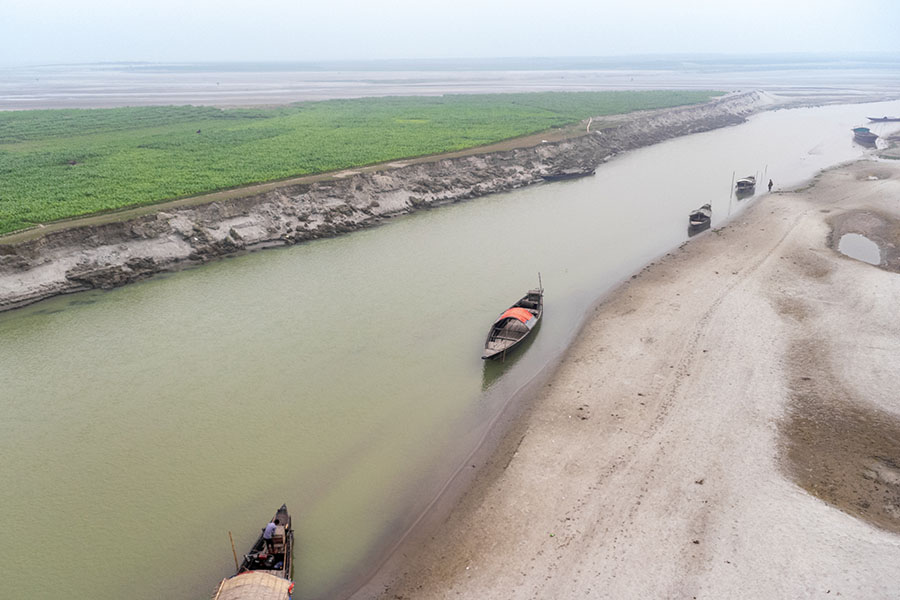
    Bangladesh’s interim government halted tobacco cultivation in the Halda River basin in Manikchhari upazila, Khagrachhari district, in a move aimed at protecting the river’s biodiversity and fisheries resources. The Ministry of Fisheries and Livestock said coordinated efforts by local authorities and the Department of Fisheries ensured no tobacco was planted this year, following a notification last year banning cultivation in the basin due to concerns over pesticide use and water pollution. Authorities are now promoting alternative crops such as mustard, maize, and vegetables to support farmers while safeguarding the Halda River, which is Bangladesh’s only natural carp breeding ground and a designated fisheries heritage site.

  • Bangladesh Bans Tobacco Sales Near Health Facilities

    Bangladesh Bans Tobacco Sales Near Health Facilities

    Bangladesh’s Health Ministry directed field-level health authorities to enforce a ban on the sale of tobacco products within 100 meters of hospitals, clinics, and other health facilities, and to ensure these areas remain tobacco-free under recently tightened anti-tobacco laws. The directive follows amendments to the Smoking and Tobacco Products Usage (Control) Act that expanded the definition of tobacco products and increased penalties, raising fines for smoking or tobacco use in designated public places to Tk 2,000 ($16.40), while also requiring health facilities to display no-smoking signage.

  • Bangladesh’s Next Govt. Urged to Uphold Tough Tobacco Laws

    Bangladesh’s Next Govt. Urged to Uphold Tough Tobacco Laws

    Bangladesh’s interim government has called on the next parliament to endorse the Smoking and Tobacco Products Usage (Control) (Amendment) Ordinance 2025, after senior advisers accused tobacco companies of mounting heavy pressure to block stricter regulations. Speaking at a Dhaka meeting Monday (January 26), Health Adviser Nurjahan Begum and Fisheries and Livestock Adviser Farida Akhter said the ordinance—approved by the advisory council in December—expands the definition of tobacco products and tightens controls on emerging items, despite industry lobbying and revenue concerns. The advisers alleged coordinated efforts by tobacco firms to delay or dilute the measures, criticized government shareholdings in tobacco companies, and opposed plans by Philip Morris Bangladesh to set up a nicotine pouch factory without environmental clearance. Officials cited stark public health costs, noting Bangladesh records an estimated 564 tobacco-related deaths daily and annual economic losses of Tk 87,000 crore ($713 million) versus Tk 40,000 crore ($348 million) in tobacco revenue.

  • Free Cigarettes at Bangladesh Concert Draw Criticism

    Free Cigarettes at Bangladesh Concert Draw Criticism

    The distribution of free cigarettes at a concert at Bangladesh’s Dhaka University on Saturday night triggered widespread criticism from students and public health advocates, as the Abul Khair Tobacco Company reportedly set up a stall at the venue to hand out complimentary cigarettes. If true, the incident would violate the Smoking and Tobacco Products Usage (Control) Act, which prohibits the free distribution of tobacco products and the sponsorship of events by tobacco companies. (It is also illegal to sell tobacco products within 100 meters of educational institutions.) Breaches of the law carry penalties of up to three months’ imprisonment, fines of up to Tk100,000 ($820), or both. Separately, the government recently raised fines for smoking in public from Tk300 ($2.46) to Tk2,000 ($16.40).

    The concert was jointly organized by the Dhaka University Central Students’ Union (DUCSU) and Spirits of July, a student-led nonprofit organization. DUCSU literature and culture secretary Musaddik Ali Ibne Mohammad said he was only aware of a designated “smoking zone” and was unaware of any free cigarette distribution. Neither Spirits of July representatives nor university officials have been available for comment.