Tag: COP11

  • GATC Awards at COP11 Draw Criticism

    GATC Awards at COP11 Draw Criticism

    As predicted, New Zealand was given a “Dirty Ashtray Award” by the Global Alliance for Tobacco Control (GATC) at the World Health Organization’s FCTC COP11. The “award” is a symbolic dishonor given to countries or delegations that “are seen as obstructing progress on tobacco control or aligning too closely with tobacco industry interests.” Even though New Zealand has one of the world’s lowest smoking rates and some of the strictest tobacco controls, Copwatch correctly predicted it would receive the slight because the nation openly promotes harm reduction.

    The GATC said New Zealand’s citation is “for trying to portray their current tobacco control plan as a success when in reality, since COP10, they’ve reversed world-leading reforms, sabotaged Indigenous tobacco-free aspirations, have alarming vaping rates among young people, and have plummeted from 2nd to 53rd on the global index for tobacco industry interference.

    New Zealand’s legislative reversal is being used by tobacco industry interests globally to push bad policy.”

    New Zealand has a 6.8% smoking rate (the fifth-lowest in the world), with a pack of cigarettes costing just under NZ$50 ($28), plain packaging requirements, and a strict smoking policy that pretty much bans smoking in all public places. Conversely, Mexico’s smoking rate is 15.4% and the average cost for a pack of cigarettes is $0.70, and yet it was awarded the “Orchid Award” by GATC for “powerful and uncompromising statements against the tobacco industry.”

    The seemingly nonsensical awards drew sharp criticism.

    “The (Bloomberg-funded) Global Alliance for Tobacco Control has given the Dirty Ashtray award to New Zealand for having one of the world’s lowest smoking rates but doing it in a way that Bloomberg disapproves,” Institute of Economic Affairs head Chris Snowden wrote on his X account. The global Tobacco Industry Interference Index, for which New Zealand was criticized for having dropped on, is financed by Bloomberg Philanthropies.

    “Prohibitionist campaigners are annoyed that New Zealand has embraced harm reduction, pointing to ‘alarming vaping rates among young people,’” Alastair Cohen wrote for Clearing the Air. “Youth vaping rates have fallen for three successive years in New Zealand. Mexico was awarded at COP11. Mexico’s smoking rates are more than double those of New Zealand.”

    The Coalition of Asia Pacific Tobacco Harm Reduction Advocates (CAPHRA) was also quick to condemn the awards. “Awarding the Dirty Ashtray to a country that is reducing smoking through harm reduction is not public health advocacy,” said CAPHRA Executive Coordinator Nancy Loucas. “It is ideological obstruction.” 

    “Prohibition-driven NGOs have placed ideology ahead of public health outcomes,” CAPHRA said in a statement. “The FCTC Secretariat has permitted well-funded NGOs to dominate proceedings, pressure delegations, and exclude voices with lived experience, many of whom were denied access to COP11.

    “This decision reflects how the COP process has been driven by prohibitionist ideology rather than evidence and demonstrated public health success. These results are driven by harm reduction and regulated vaping, yet GATC dismisses the progress as ‘tobacco industry interference,’ ignoring the substantial health gains achieved.”

  • THR Advocates Criticize COP11 Transparency, Agenda

    THR Advocates Criticize COP11 Transparency, Agenda

    As the Eleventh session of the Conference of the Parties (COP11) to the WHO FCTC opened yesterday, many tobacco/nicotine industry and tobacco harm reduction advocates watched the livestream intently, as only parts of the first and fifth days are scheduled to be made available to the public and media, a fact that draws significant disapproval from the event’s critics. Dr. Tedros Adhanom Ghebreyesus, director-general of the WHO opened the event, saying, “We are so used to hearing ‘tobacco kills us’, it no longer shocks us… If tobacco were a virus, we would call it a pandemic.” According to his X account, he called upon Parties to advance implementation, be aware of “tobacco industry tactics,” and invited Parties to join the FCTC.

    Ghebreyesus’ speech was criticized on X by the World Vapers’ Alliance, which said, “First up, @DrTedros, first lie. He claims vapes and pouches are not harm-reduction products but harm production. Science and millions of former smokers strongly disagree. He further says there is no evidence for their net public health benefit. This is wrong. Every smoker who switches to less harmful alternatives gains clear health benefits. It’s not rocket science.”

    One of the more prominent critics of COP11 is Clive Bates, the director of Counterfactual Consulting Limited, an organization that attempts to bring information from the closed meetings to public view.

    “The FCTC COP has extremely poor openness, transparency, and viewpoint diversity,” Bates wrote on his website. “Delegates should welcome and demand a broader range of observers at COP meetings and greater transparency to avoid a situation where one billionaire funder can speak through dozens of ‘civil society’ organizations.”  

    Leading up to COP11, once the agenda was released, Bates offered a commentary on each section, which he summed up by saying, “In overview, the agenda is weak, with the greatest priority given to matters that fall outside the FCTC, and a contemptuous dismissal of Parties’ request for a balanced and objective discussion of the potential for tobacco harm reduction. The COP should focus on the big issue: How to drive down global smoking?”  

    Listed on the agenda for today (November 18), was the introduction of the Convention Secretariat report, titled “Implementation of measures to prevent and reduce tobacco consumption, nicotine addiction and exposure to tobacco smoke, and the protection of such measures from commercial and other vested interests of the tobacco industry in light of the tobacco industry’s narrative on ‘harm reduction’ (Articles 5.2(b) and 5.3 of the WHO FCTC) – proposed by Parties.”  

    “This is the worst FCTC COP paper I have ever read, and that is quite an achievement,” wrote Bates. “Two main issues should disturb Parties, whatever view delegates take on the substantive matters: 1. The contemptuous and dismissive attitude towards one or more Parties seeking a substantive discussion of a serious public health strategy. I have never seen a convention secretariat behave in this way in this or any other convention.  2. The quality of the analysis and understanding shown in the paper about the subject under discussion, tobacco harm reduction. This is dismissed as a form of tobacco industry interference. Yet, it has the support of several Parties, high-credibility organizations such as the Royal College of Physicians, and many of the world’s top independent experts.” 

  • COP11, Good Gop 2.0 Both Open in Geneva

    COP11, Good Gop 2.0 Both Open in Geneva

    The 11th Conference of the Parties (COP11) to the WHO Framework Convention on Tobacco Control (FCTC) began today (November 17) in Geneva, bringing together global health leaders and over 1,400 delegates from 183 countries for the week-long event. The conference “aims to strengthen international cooperation to combat tobacco use, rising nicotine addiction, and environmental harm caused by cigarette products.” Discussions are expected to revolve around familiar topics such as youth smoking, flavorings, and cigarette butt pollution. Delegates are also expected to address “aggressive marketing” of tobacco and nicotine products, youth vaping, and strategies to combat the illicit tobacco trade.

    Running parallel, and just steps away from COP11, is Good Cop 2.0, an event hosted by the Taxpayers Protection Alliance, designed to be a rapid-response and fact-checking forum to counter discussions from the WHO. “The event aims to unite taxpayer-, free-market-, and harm-reduction organizations to challenge misinformation and present alternative, evidence-based perspectives. It is intended to be an open forum for consumers, independent scientists, and journalists who are often excluded from WHO’s closed-door sessions.”

    Speaking on one of the Good Cop panels today, Clive Bates, a public health consultant and director of Counterfactual Consulting, summed up WHO critics’ frustration that stems from having decisions that will influence global tobacco control and public health policies for years to come being made in secrecy, behind closed doors, with virtually no input from consumers or industry.

    “There’s no harm and having discussions about the frontier ideas of tobacco control,” said Bates. “[But COP11 is] a really graphic illustration of the weakness of expert groups. The experts that have been chosen to come up with these figures are [basically] fringe fanatics in the tobacco control world. In any normal conversation with users or consumers, a lot of these ideas would seem mad.

    “That’s the danger of getting away from the working groups. The working groups of parties have to think about the politics of actually delivering this to the actual public, whereas the expert groups are fanatics pushing forward an agenda to the extremes of what they think they can get away with.”

  • EU Abstains from COP11 Vote Amid Internal Disagreements

    EU Abstains from COP11 Vote Amid Internal Disagreements

    “The European Union will not participate in a vote on a revised treaty at the WHO Framework Convention on Tobacco Control (COP11) in Geneva,” Brussels Signal reported today (November 17), highlighting deep divisions among member states over tobacco policy. Internal EU disagreements pit “progressive” countries that support stricter measures like flavor bans and plain packaging against more cautious states that advocate for harm-reduction tools and consumer choice. Attempts to reach a consensus under the Danish Presidency of the Council of the EU reportedly failed, despite a proposed compromise, the article said.

    The abstention has sparked mixed reactions. Public health advocacy groups expressed concern that a weakened EU position could embolden tobacco industry tactics, while harm-reduction proponents, including the World Vapers Alliance, welcomed the outcome as preserving space for evidence-based policies. Analysts warn that overly broad restrictions could drive consumers back to combustible cigarettes or underground markets, undermining public health gains.

  • Philippines: Tobacco Farmers Warn of Livelihoods Threatened by WHO 

    Philippines: Tobacco Farmers Warn of Livelihoods Threatened by WHO 

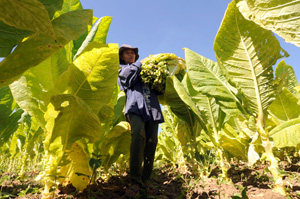
    Filipino tobacco farmers are voicing strong concern ahead of the World Health Organization (WHO) Framework Convention on Tobacco Control (FCTC) COP11, warning that proposed measures under Agenda Item 4.1 could devastate rural livelihoods and the wider tobacco economy. The Philippine Tobacco Growers Association (PTGA), representing 50,000 farmers, said the recommendations — including ending government support for tobacco cultivation, restricting profits, and imposing manufacturing and import quotas — could “destroy farms and entire communities.” The sector supports more than 2.1 million workers, according to the National Tobacco Administration.

    PTGA President Saturnino Distor urged COP delegates to balance public health goals with economic realities, highlighting the role of the Sustainable Tobacco Enhancement Program (STEP) in promoting sustainable cultivation and linking local production to the demand for reduced-risk alternatives such as vapes and e-cigarettes.

    Farmers also cited challenges from illicit trade and declining local demand, with 80% of Philippine tobacco output now exported. Distor called on policymakers to reject prohibitionist measures and instead pursue “practical, harm-reduction-based solutions,” noting the successes seen in the UK, Japan, and Sweden through regulated smoke-free products.

  • CAPHRA Calls on Philippines to Champion Consumers at COP11 

    CAPHRA Calls on Philippines to Champion Consumers at COP11 

    The Coalition of Asia Pacific Tobacco Harm Reduction Advocates (CAPHRA) appealed to the Philippines’ Department of Health (DOH) to represent Filipino consumers at the 11th Conference of the Parties (COP11) to the WHO Framework Convention on Tobacco Control (FCTC), scheduled to begin November 17 in Geneva. In a letter to Health Secretary Teodoro J. Herbosa, CAPHRA said consumers have been excluded from FCTC discussions for 20 years. Philippine representative Clarisse Virgino stressed that millions of Filipinos have shifted from smoking to regulated alternatives such as vapes and heated tobacco, demonstrating that harm reduction works.

    CAPHRA pointed to the Vaporized Nicotine and Non-Nicotine Products Regulation Act, enacted in 2022, as a model for risk-proportionate, science-based regulation. The group urged the DOH to recognize harm reduction as a public health pillar, share Filipino consumers’ success stories with COP11 delegates, and advocate for greater consumer and scientific participation in global tobacco policy.

    Virgino said the Philippines could show regional leadership by promoting inclusive, evidence-based policies as several Asia-Pacific nations, including Thailand, Malaysia, and Singapore, tighten vaping regulations.

  • WVA Holds Light Protest Ahead of COP11

    WVA Holds Light Protest Ahead of COP11

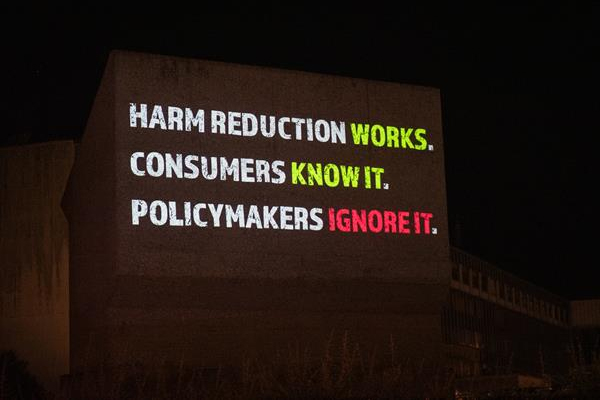
    The World Vapers’ Alliance (WVA) staged a light show protest by projecting messages on the Geneva International Conference Centre, home to the upcoming COP11 meetings that begin November 17. The WVA said it was drawing attention to what the group calls misinformation and exclusion of consumer voices in global tobacco control debates. The WVA criticized the World Health Organization’s stance on vaping and nicotine alternatives, arguing that restrictive policies could undermine harm reduction efforts, particularly in the Caribbean.

    The protest is part of the WVA’s “Voices Unheard – Consumers Matter” campaign, which urges Caribbean governments to pursue evidence-based approaches rather than blanket bans.

  • Healthcare Advocate Pleads for FCTC to Adopt THR

    Healthcare Advocate Pleads for FCTC to Adopt THR

    In advance of COP11 beginning November 17 in Geneva, South African healthcare consultant Professor Praneet Valodia, the director of Praneet Valodia Consulting, circulated a call for COP11 to adopt evidence-based, transformative policies, including the inclusion of tobacco harm reduction in global tobacco control frameworks. Valodia urged for the creation of independent scientific committees to review the evidence on non-combustible nicotine products and recommended that consumer experiences and expert opinions be considered in policy deliberations. He stressed that the COP should support local policymaking, provide reliable information to users, and align with Article 1d of the FCTC to meaningfully improve public health outcomes.

    “I am hoping that COP11 will bring about transformative change in assisting over a billion smokers throughout the world,” he wrote. “There is a lack of evidence in South Africa to show a reduction in cigarette smoking because of interventions promoted in the FCTC. Considering the low adoption of the interventions in the FCTC and MPOWER measures, and the fact that the global smoking trends have not changed substantially after the FCTC’s adoption in 2003, it is time for tobacco harm reduction to become even more important.”

    Valodia criticized past FCTC policies for their limited impact, particularly in low- and middle-income countries where conventional measures have not reduced smoking prevalence and often fail to address socio-economic realities.

  • Vapers’ Alliance Challenges WHO Ahead of COP11

    Vapers’ Alliance Challenges WHO Ahead of COP11

    As the World Health Organization’s COP11 tobacco-control conference approaches, the World Vapers’ Alliance (WVA) is calling for consumers to be heard, projecting messages onto the venue demanding inclusion in policy discussions. WVA Director Michael Landl criticized the event as “an echo chamber stuck in outdated, anti-science thinking.”

    “Harm reduction isn’t a marketing ploy, it’s a public health necessity supported by hard data,” Landl said. “Consumers’ lives matter more than ideology or the views of wealthy WHO donors like Michael Bloomberg. It’s time consumers got a real seat at the table.”

    The group warned that WHO proposals to ban flavored vaping, cap nicotine levels, and raise taxes ignore scientific evidence that vaping and nicotine pouches are less harmful alternatives for smokers. WVA’s Liza Katsiashvili cautioned that bans and high taxes would only drive consumers to cigarettes or black markets, urging delegates to “listen to the facts, not ideology.” The WVA’s “Voices Unheard – Consumers Matter” campaign calls for governments to prioritize evidence-based regulation and give consumers a voice in global tobacco policy.

  • War on Tobacco or Assault on National Power?: Editorial

    War on Tobacco or Assault on National Power?: Editorial

    “In Brussels, they talk of ‘regulatory simplification,’ yet in international forums, they negotiate new layers of global bureaucracy, from tobacco to digital health and climate governance,” wrote analyst Javier Villamor in an article for The European Conservative. “But beyond the sanitary or environmental narrative, the plan represents a new attempt by Brussels to concentrate fiscal and regulatory powers at the expense of the Member States.”

    Villamor argues that as the European Union sidles up to the World Health Organization with its upcoming tobacco control conference (COP11), the actual purpose is to transfer regulatory power from national governments to international agencies without democratic oversight, as Brussels plans to automatically incorporate WHO-aligned measures into EU law.

    “What appears to be a technical step is, in reality, the transfer of Europe’s regulatory sovereignty to an international agency with no democratic legitimacy,” Villamor wrote. “Brussels not only intends to sign commitments on behalf of the Member States but also to incorporate them automatically into EU law through the forthcoming revision of the Tobacco Products Directive.

    “In practice, this would mean that decisions taken in Geneva offices could become binding bans in Madrid, Rome, or Warsaw—without parliamentary debate or national impact assessment.”

    As Brussels considers restrictions, bans, and taxes on virtually every product containing tobacco or nicotine, framing it all as a public health and environmental initiative, the plan includes fiscal measures under the Tobacco Excise Directive (TED) and Tobacco Excise Duty on Raw Tobacco (TEDOR), enabling the EU to directly collect up to 15% of national excise revenues and impose duty hikes of up to 900% on certain products. Observers, Villamor says, warn that such moves centralize authority, undermine the principle of subsidiarity, and risk harming over 80,000 European tobacco producers and small retailers, while benefiting third countries like Morocco and China.

    “The so-called ‘anti-tobacco crusade’ becomes a vehicle for recentralizing authority and financing the EU’s bureaucratic machinery under the guise of public health,” Villamor wrote. “The mechanism is well known: Brussels funds these organizations, they in turn demand that EU law be aligned with the WHO, and the Commission presents their demands as a ‘civil society consensus.’ A closed feedback loop of influence, where citizens pay to lose sovereignty.

    “Paradoxically, the countries with the best results in reducing smoking, such as Sweden, which has cut its rate to 5% thanks to regulated alternatives like snus and nicotine pouches, would be penalized for adopting effective national policies outside the WHO’s dogma.”