Tag: France

  • French Group Urges Stricter Vape Controls, Plain Packaging

    French Group Urges Stricter Vape Controls, Plain Packaging

    French advocacy group Contre-Feu called for tighter regulation of e-cigarettes, accusing manufacturers of targeting young people through flavored products, packaging, and marketing. The group is pushing for measures including plain packaging, stricter rules on flavor naming, and a ban on online sales, citing survey data showing more than half of 13–16 year-olds are drawn to vaping by sweet or fruity flavors. The intervention comes as smoking rates decline in France, but vaping grows, with the market generating around €1.6 billion annually, highlighting concerns that nicotine companies are shifting focus to sustain demand among younger consumers.

  • Sweden Fights Against France’s Nicotine Pouch Ban

    Sweden Fights Against France’s Nicotine Pouch Ban

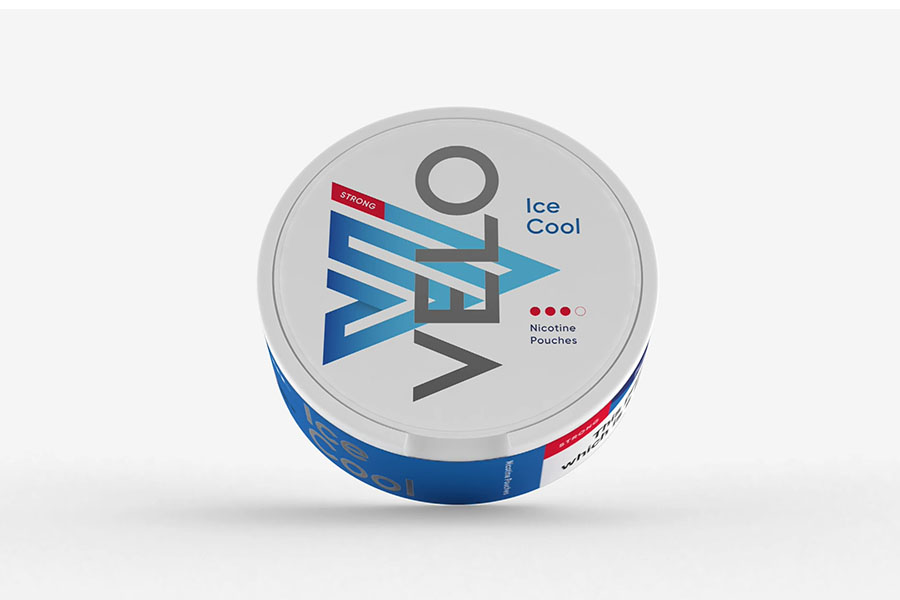
    Sweden has strongly opposed France’s ban on oral nicotine pouches, with Trade Minister Benjamin Dousa arguing the move violates EU single market rules and unfairly targets a key Swedish industry. According to Economie Matin, the Swedish Social Democratic Party sent a letter to the President of the European Commission, Ursula von der Leyen, “to obtain clarifications on the legality of the French ban and its scientific basis. If there is no response within three weeks, legal action before the Court of Justice of the European Union could be initiated.”

    Stockholm is defending the products as a harm-reduction alternative to cigarettes, highlighting their widespread domestic use and economic importance, while criticizing the inconsistency of banning pouches but allowing combustible tobacco. The dispute has escalated politically, with Swedish lawmakers seeking EU intervention and warning of potential legal action, underscoring growing divisions in Europe over nicotine regulation and the balance between public health and market freedoms.

  • BAT Pulls Pouches from France, Criticizes Debateless Ban

    BAT Pulls Pouches from France, Criticizes Debateless Ban

    BAT France said it has stopped marketing nicotine pouches nationwide as of April 1, complying with a government decree issued on Sept. 5, 2025 that entered into force this week. The company confirmed it is withdrawing the products from sale in line with the regulation.

    At the same time, BAT France criticized the move as a regulatory ban adopted without parliamentary debate, arguing it runs counter to harm-reduction strategies and France’s goal of a “tobacco-free generation” by 2032. The company said the decision comes amid ongoing European discussions over revisions to the Tobacco Excise Directive and evaluation of the Tobacco Products Directive, and pledged to continue advocating for what it called a science-based, proportionate framework while focusing on vaping products for adult smokers.

  • Indian Motorcycle Premium Cigars Enter France

    Indian Motorcycle Premium Cigars Enter France

    Indian Motorcycle Premium Cigars, produced under licence by Phil S. Zanghi III, launched in France under an exclusive distribution agreement with Volutes et Vitoles, according to Halfwheel. The cigars, manufactured at the De Los Reyes factory in the Dominican Republic and available in three blends, went on sale in the French market last week, marking their first availability in the country. Zanghi described France as a key global premium cigar market and said the partnership with Volutes et Vitoles is intended to strengthen brand presence and support expansion across all Indian Motorcycle cigar lines in the region.

  • France Seizes 15 Tons of Tobacco in International Ring Bust

    France Seizes 15 Tons of Tobacco in International Ring Bust

    French authorities dismantled an international tobacco trafficking network linked to Bulgarian nationals following a year-long investigation that began in July 2024 with the seizure of 15 tons of illicit cigarettes in western France. The operation uncovered a structured smuggling route moving illegal cigarettes from Italy and Bulgaria through France to Belgium. Investigators later seized 450 kg of cigarettes and 14.7 tons of raw tobacco at a warehouse near Brussels.

    Earlier this month, police arrested the suspected convoy organizer and two lorry drivers, confiscating nearly 30 tons of counterfeit cigarettes from two trucks. Six people associated with this network have been charged with organized tobacco trafficking, criminal conspiracy, and money laundering, with three Bulgarian suspects placed in provisional detention.

  • France Suspends Decree Banning Nicotine Pouches

    France Suspends Decree Banning Nicotine Pouches

    France’s Council of State suspended a government decree that would have banned the manufacture, sale, and export of nicotine pouches from April 2026, pending a full legal review. The decision follows a challenge by EVLB Group, which argued the decree violated EU free trade rules and gave manufacturers insufficient time to reorganize operations. The court agreed, ruling that companies should have been granted a longer transition period and suspending the decree until a final judgment, expected by June 2026.

    The Council of State noted, however, that the marketing of nicotine pouches is already prohibited under France’s Public Health Code outside pharmaceutical use, meaning the suspension is unlikely to change current retail conditions. The Health Ministry said it takes note of the ruling and emphasized that the ban on marketing and possession remains in effect for now, while industry groups welcomed the pause as an opportunity for a more thorough review of the products.

  • EU to Tighten Cross-Border Tobacco, Alcohol Limits?

    EU to Tighten Cross-Border Tobacco, Alcohol Limits?

    Several EU member states have proposed tightening single-market rules on the personal import of tobacco products, as part of discussions on revising the Tobacco Taxation Directive (TED), according to Euractiv. Denmark, which holds the EU Council presidency, floated the idea in early December, suggesting stricter limits on cross-border tobacco imports under Article 32 of the Excise Duty Directive, alongside more moderate tax increases. The move aims to curb cross-border shopping that undermines high-tax anti-smoking policies in countries such as France.

    Currently, individuals can import up to 800 cigarettes for personal use. A number of countries, including France, Germany, Finland, and Estonia, have expressed openness to lowering this threshold, with some also supporting limits on alternative tobacco products like heated tobacco.

    The European Commission has been cautious, indicating that changes to Article 32 may fall outside the scope of the TED. Some member states have also noted that the rules apply to alcohol as well, prompting calls from countries such as Finland, Estonia, and Germany to extend any revisions to alcoholic beverages.

  • French Lawmakers Reject Vape Tax

    French Lawmakers Reject Vape Tax

    Yesterday (October 22), the Finance Committee of France’s National Assembly voted to reject the government’s proposed tax on vaping products outlined in the 2026 draft budget. The measure, included in Article 23, sought to introduce a levy of €0.30 per 10mL for low-nicotine e-liquids and €0.50 per 10mL for higher-nicotine products, a move strongly opposed by several deputies who cited vaping’s lower health risks compared to smoking.

    Lawmakers across party lines defended vaping as a harm-reduction tool. Aurélien Le Coq of La France Insoumise argued that “electronic cigarettes, even if they carry risks, are much less harmful than tobacco,” suggesting the proposed tax reflected the influence of the tobacco lobby. Pierre Cazeneuve of Ensemble pour la République, speaking as a former smoker, also opposed the measure, saying that vaping plays a key role in helping people quit. However, Perrine Goulet of Les Démocrates countered that vaping could act as a “gateway to smoking for young people,” and supported moderate taxation to curb youth use.

    The committee ultimately adopted an amendment from the Republican Right group to keep vape taxes at 0% for 2026, a partial win for the vaping industry. However, challenges remain: lawmakers approved a ban on online vape sales, which currently account for up to 30% of the French market, and the European Union is preparing to introduce a bloc-wide vape tax starting January 1, 2028. The decision will next move to the full Assembly for debate and confirmation in the coming weeks.

  • BAT France Points to Anti-Smoking Policy Failure

    BAT France Points to Anti-Smoking Policy Failure

    BAT France told lawmakers today (September 24) that France’s reliance on over-taxation and outright bans risks fueling the illicit nicotine market while failing to cut smoking rates, which remain stubbornly above 30%. “This excessive tax policy has, above all, encouraged criminal, structured, and industrial smuggling,” said Sébastien Charbonneau, director of public and regulatory affairs. He added that the government’s planned ban on tobacco-free nicotine pouches would repeat past mistakes, driving consumers to the black market without advancing public health or protecting minors.

    Instead, BAT France urged a pragmatic approach focused on strict but balanced regulation. The company called for a framework that prohibits sales to minors, limits nicotine content and flavorings, enforces retail controls, and applies substantial penalties for violations.

    “The State has a moral duty to adopt the principle of harm reduction related to smoking to allow adult smokers to have access to alternatives to tobacco, and to do so legally,” Charbonneau said. “All we are asking is to look at the scientific data and regulations that have enabled many countries to achieve their public health objective.”

  • BAT France Wants Coordinated EU Approach on Nicotine Pouch Regulation

    BAT France Wants Coordinated EU Approach on Nicotine Pouch Regulation

    In response to the European Commission’s proposal last month to include nicotine pouches under the Tobacco Excise Duty Directive, BAT France said it welcomed the initiative, marking the first time these tobacco-free alternatives were recognized in EU taxation. However, while acknowledging the move as a positive step for adult smokers seeking reduced-risk products, BAT France warns against two major risks: disproportionate taxation that could limit access, and the possibility of some member states, including France, acting unilaterally to ban these products.

    “It is important that nicotine pouches are recognized in European law,” said Sébastien Charbonneau, director of public affairs at BAT France. “But it is essential to adopt a differentiated tax approach that reflects their potential role in reducing risks for smokers.”

    BAT France highlighted Sweden’s experience, where nicotine pouches have contributed to one of the lowest smoking rates in Europe. The company stressed that excessive excise duties and unilateral bans could undermine public health goals, create trade barriers, and fuel illicit markets.

    The company called for risk-proportionate taxation, transparent parliamentary debate in France, and a coordinated EU-wide regulatory approach to support reduced-risk alternatives while respecting the single market and democratic process.